

 プレビュー
プレビュー
 シェアする
シェアする シェアする
シェアする
 詳細を見る
詳細を見る

 ダウンロード
 似ている作品
 X線調査
X線調査 スライドショー
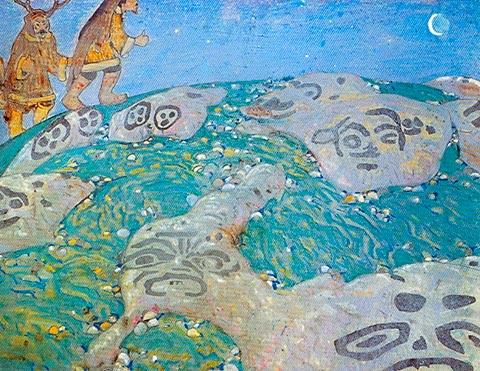
Earth paternoster
 Acrylic On Canvas
- WallArt
- Symbolist Landscape Painting
 1907
1907- 19th Century
 49.0 x 63.0 cm
 詳細を見る
詳細を見る
手描き油彩複製画
当社のアーティストが、お客様のご希望のサイズと額縁に合わせて、キャンバスに手描きで制作する油彩画です。 ( プリント版に切り替え 画像に切り替え)




P118B $10

P118H $10

P118W $10

P438Z $10

P508JH $12

P508YH $12

P805H $10

P805Z $10

P919BZ $10

P919G $10

P919XJ $10

P959ZH $10

P968JZ $12

W106C $8

W218G $10

W218JH $8

W218Y $10

W307PJ $10

W316G $10

W316PJ $8

W316Y $10

W398PJ $8

W4111J $10

W500HY $15

W500JH $15

W692G $12

W849H $8

W940BG $15

W953PJ $8




作品のオリジナル比率に合わせた、当店の規定サイズからお選びください。

特定のフレームやスペースに合わせて、ご希望のサイズをご入力いただけます。選択されたサイズが元の画像の比率と異なる場合、アートワークをトリミングするか、手描きで要素を追加して絵画を拡張いたします。デジタルモックアップ を制作し、制作開始前にご確認(承認)をいただきます。
画面上のプレビューは、実際のトリミングや拡張を正確に反映しているものではありません。最終的な構図は、モックアップによってのみ正確にご確認いただけます。
カスタムサイズもご利用いただけますが、元の比率を維持するためには、あらかじめ用意されたリストからサイズを選択することをお勧めいたします。
ご注文後、ArtsDot.com チームより詳細な指示をお送りするとともに、仕上がりイメージ(モックアップ)をご提供いたします。


 ガラスオプションは、110cm未満のサイズでのみご利用いただけます。

Earth paternoster
複製技法
複製画のサイズ
-


合計金額
$ 263
作品解説
Nicholas Roerich’s “Earth Patternoster”: A Journey Through Spirit and Landscape
This captivating artwork by Nicholas Roerich, titled "Earth Patternoster," offers a profound meditation on humanity's connection to the natural world and the spiritual journey. Painted in 1907, during a pivotal period of Roerich’s artistic development, the piece embodies his evolving interest in symbolism, mythology, and the exploration of inner landscapes reflected through external vistas. Measuring 49 x 63 cm, this intimate scale invites viewers into a scene brimming with quiet contemplation and a sense of purposeful movement.
Subject Matter and Composition
The painting depicts a group of figures traversing the side of a hill, their forms interwoven with the rugged terrain. Scattered rocks and stones punctuate the composition, creating a dynamic interplay between human presence and geological form. The placement of these individuals – some in sharp focus at the foreground, others receding into the distance – establishes a clear sense of depth and perspective, guiding the viewer’s eye along this symbolic path. The inclusion of a moonlit sky adds an element of mystery and timelessness, suggesting a journey that transcends earthly concerns.
Technique and Style: Roerich's Visionary Approach
Roerich’s technique in “Earth Patternoster” is characterized by its meticulous detail and rich color palette. He employed a layering approach, building up glazes of paint to achieve luminous effects, particularly evident in the depiction of the moon and the subtle gradations of light and shadow across the landscape. His brushwork is precise yet fluid, conveying both the solidity of the rocks and the ethereal quality of the sky. Roerich’s style reflects his interest in theosophical ideas, blending realism with symbolic representation to create a visually arresting and spiritually resonant image. The influence of Russian icon painting is subtly present, particularly in the stylized forms of the figures.
Symbolism and Historical Context
"Earth Patternoster" reflects Roerich's broader philosophical concerns during this period – his fascination with ancient myths, esoteric traditions, and the search for universal spiritual truths. The painting can be interpreted as a representation of humanity’s pilgrimage towards enlightenment, symbolized by the figures’ ascent along the hillside. The rocks and stones themselves may represent obstacles or challenges encountered on this journey, while the moon serves as a guiding light. Painted in 1907, a time when Roerich was deeply involved in archaeological expeditions and exploring connections between art, science, and spirituality, the work embodies his belief that artistic creation should be rooted in profound understanding of history and human experience.
Emotional Impact and Artistic Value
Ultimately, “Earth Patternoster” evokes a powerful sense of serenity and wonder. The painting’s quiet grandeur invites viewers to contemplate their place within the vastness of nature and the enduring mysteries of existence. As a significant work from Nicholas Roerich's early oeuvre, it showcases his developing artistic vision and foreshadows the themes that would dominate his later, more ambitious projects. This hand-painted reproduction offers an exceptional opportunity to experience the beauty and depth of Roerich’s artistry firsthand, bringing this evocative landscape into your home or office.


アーティストの略歴
ニコライ・ロエリヒ:芸術と精神の融合
ニコライ・コンスタンティノヴィチ・ロエリヒは、1874年10月9日、ロシア帝国の文化の中心地であったサンクトペテルブルクに生まれました。彼は単なる画家ではありませんでした。考古学者、作家、哲学者であり、平和と文化遺産の保護を熱心に訴えかけた公的人物でもありました。彼の育ちは、父親が法務官であり知的な厳格さと母親による芸術への深い理解によって支えられ、多才なキャリアの基盤となりました。1893年からは、サンクトペテルブルク大学で法学と美術を同時に学び、世界に対する幅広い理解への初期からのコミットメントを示しました。この二つの道は矛盾するものではなく、むしろ芸術的ビジョンには歴史的文脈と知的規律が必要であるという信念を反映していました。1897年に画家としての資格を取得し、翌年には法学の学位を取得し、創造的な探求と合理的な行動の両方に捧げられた人生への舞台を設定しました。象徴主義と劇場革新への誘い
ロエリヒの芸術的発展は、感情と精神の深さを喚起するために暗示的なイメージや形態を用いるロシア象徴主義という潮流によって深く形作られました。彼はすぐにセルゲイ・ディアギレフの影響力のある「世界芸術」協会の活動に積極的に参加し、1910年から1916年までその अध्यक्षताを務めました。この連携は画期的であり、ロシアの芸術風景を再定義していた革新的なアーティスト、作曲家、思想家のネットワークへの露出をもたらしました。彼の初期作品には考古学と舞台デザインへの関心が明らかになり、ディアギレフのバレエ・リュスのとの画期的なコラボレーションにつながりました。アレクサンドル・ボロディンの『イゴール王子』(1909)や、最も有名なイーゴリ・ストラヴィンスキーの革命的な『春の祭典』(1913)のデザインは単なる背景ではなく、劇場体験に不可欠な要素でした。彼は綿密な歴史的調査と大胆な想像力を組み合わせ、音楽と振付の感情的な力を増幅させる視覚的に素晴らしい環境を作り出しました。これらのデザインは単に装飾的なものではなく、神話と精神性への象徴主義者の関心を反映して、原始的な力と古代の儀式を喚起しようとする試みでした。彼の作品はまた、ヘレナ・ブラヴァツキーの『シークレット・ドクトリン』などの異端の著作や中世の秘密結社文献の影響を受けており、芸術的創造に深遠な神秘主義的な意味合いを加えるものでした。神秘主義とヒマラヤへの旅路
ロエリヒのキャリアが進むにつれて、彼の絵画は大きな変化を遂げ、神秘的で精神的なテーマをますます取り入れるようになりました。このシフトは、すべてのものの相互接続性と内なる知恵の追求を強調する、心霊哲学や東洋宗教に対する彼の関心の高まりによって促進されました。1904年から1905年にかけての『建築研究』シリーズは、彼の考古学への関心を反映しているだけでなく、紛争時に芸術を保護することへの後の提唱を予感させるものでした。彼の作品には、雄大な風景、謎に包まれた古代都市、精神的な重要性を持つ人物など、反復するモチーフが現れ始めました。特にヒマラヤ山脈は、単なる地理的場所ではなく、深遠な精神力と啓蒙の領域を表す中心的主題となりました。彼は中央アジアを広範囲にわたって旅行し、古代文化を記録しながら考古学的な調査を行い、彼の芸術的ビジョンに深く影響を与え、すべての文化に対する相互理解の重要性を強化しました。遺産:保存への献身と永続的な影響
ニコライ・ロエリヒはキャンバスを超えた活動にも積極的に取り組みました。彼は紛争時に芸術と建築を保護するための熱心な提唱者でした。文化的財の脆弱性を認識し、1935年に文化財の破壊から保護することを目的とした国際条約であるロエリヒ協定を推進しました。このイニシアチブは彼にノーベル平和賞への複数のノミネートをもたらし、彼の深い人道的精神を強調しました。彼のたゆまぬ努力は、過去を理解するためだけでなく、より平和な未来を築くためにも文化的遺産を保存することが不可欠であるという信念を示していました。今日、ロエリヒの作品は世界中の著名な美術館に展示されており、アストラハニ州立絵画館やニューヨーク市のニコライ・ロエリヒ博物館で特に注目されています。彼のロシア芸術と文化への影響は計り知れません。彼は芸術的表現と精神的な探求の間のギャップを埋め、彼の先見の明のあるアプローチで世代を超えてアーティストや思想家に影響を与えました。彼は画家であるだけでなく、学者、人道家であり、文化的遺産の保存のための希望の灯台として記憶されています。主要作品と継続的な関連性
- 聖ニコライ:中世芸術と紋章記号を詳細に描いたモノクローム壁画。
- 都市:彼の考古学への関心を反映した、古代の都市景観の喚起的な描写。
- ナーガ湖:象徴主義と自然をブレンドしたテンペラ絵画で、彼のユニークな芸術的ビジョンを例証しています。

ニコライ・ロエリヒ
1874 - 1947 , ロシア
基本情報
- フルネーム: ニコライ・コンスタンチノヴィチ・ロエリヒ
- 主な作品:
- 聖ニコライ
- 都市
- ナーガスの湖
- 出生地: サンクトペテルブルク、ロシア
- 国籍: ロシア人
- 影響を与えたアーティストまたは運動: ['ロシア象徴主義']
- 影響を受けたアーティスト: ['セルゲイ・ディアギレフ']
- 死亡年月日: 1947年12月13日
- 生年月日: 1874年10月9日
- 芸術運動またはスタイル: 象徴主義、精神的芸術
関連記事

Vasily Polenov: A Pioneer of Landscape Impressionism & Russian National Identity
Explore the captivating landscapes of Vasily Polenov, a pivotal figure in Russian art history. Discover his lyrical realism, biblical series & influence on Impressionism. Learn about the 'Knight of Beauty' and his enduring legacy.
Fyodor Vasilyev: A Poetic Vision of Russian Landscape – Life, Legacy, and the Transience of Nature
Explore the captivating world of Fyodor Vasilyev, a pioneering Russian landscape painter. Discover his lyrical style, influential works like 'Clouds' & lasting legacy. Learn about his life, artistic journey & impact on Russian art history.

Sandstone & Sunlight: 10 Masterpieces of Earth-Toned Art |
Journey through 10 iconic paintings bathed in 'sand' tones – from Van Gogh to Monet. Explore the stories, techniques & warm palettes of these timeless masterpieces. Find museum-quality art reproductions at and bring classic beauty home.

The Resonance of Earth Tones: Exploring Emotional Depth & Artistic Context in Paintings
Explore the captivating world of earth tones in painting! Discover the historical context, emotional resonance, and artistic techniques behind these timeless colors. Learn how to create harmonious spaces with natural palettes.

葛飾北斎:25の傑作が語る浮世絵の世界 - ArtsDot
葛飾北斎の25選:『神奈川沖浪裏』や『富嶽三十六景』など、浮世絵の世界を深く探求。木版画の技法と日本美術の美をArtsDotで。高品質なアートプリントで空間に感動を。コレクションはこちら。



