

 設置イメージを表示
 シェアする
シェアする シェアする
シェアする
 詳細を見る
詳細を見る ガイドを表示

 ダウンロード
 似ている作品
 X線調査
X線調査 スライドショーを表示
 Q&A
Q&A 統計情報
統計情報Self-Portrait

- 98.0 x 83.0 cm


 詳細を表示
詳細を表示
ジークレー/アートプリント
スピーディーな制作と多彩な仕上げオプションが魅力の、ミュージアムクオリティなジークレー・キャンバスプリント。 ( 手描き複製画を注文する デジタル画像販売へ切り替え)




P118B ¥10

P118H ¥10

P118W ¥10

P438Z ¥10

P508JH ¥12

P508YH ¥12

P805H ¥10

P805Z ¥10

P919BZ ¥10

P919G ¥10

P919XJ ¥10

P959ZH ¥10

P968JZ ¥12

W106C ¥8

W218G ¥10

W218JH ¥8

W218Y ¥10

W307PJ ¥10

W316G ¥10

W316PJ ¥8

W316Y ¥10

W398PJ ¥8

W4111J ¥10

W500HY ¥15

W500JH ¥15

W692G ¥12

W849H ¥8

W940BG ¥15

W953PJ ¥8




作品のオリジナル比率に合わせた、当店の規定サイズからお選びください。

額縁や壁のスペースに合わせて、ご希望の幅と高さを入力してください。プリントはカットすることは可能ですが、元の画像より大きくすることはできないため、異なる比率のサイズを選択された場合は、画像の一部が欠けることになります。印刷を開始する前に、内容を確認していただくためのデジタルモックアップをお送りいたします。このページに表示されている画像は、実際のカット後の状態を示すものではありません。実際の仕上がりはモックアップにてご確認ください。


 ガラスオプションは、110cm未満のサイズでのみご利用いただけます。

Self-Portrait
ジークレー/アートプリント
複製画サイズ一覧
-


合計金額
¥ 9963
A Visionary Gaze: The Soul of Moritz Daniel Oppenheim’s Self-Portrait
In the quiet intensity of his 1814 Self-Portrait, we encounter more than just the likeness of a young man; we witness the dawn of a profound artistic identity. Moritz Daniel Oppenheim, a figure who would later become a pioneer of Jewish artistic representation in Germany, presents himself here with a striking blend of youthful ambition and classical poise. Holding his palette with a sense of quiet pride, the artist positions himself against the backdrop of a neoclassical statue, a deliberate choice that speaks to his aspirations for professional legitimacy within the rigorous academic traditions of his era. The composition is masterfully layered, featuring secondary figures that breathe life into the scene—one assisting in the portraiture process and another observing from the periphery—creating a narrative depth that hints at the social interconnectedness and the watchful eyes of a society in transition.
The technique employed in this masterpiece is a breathtaking marriage of German Romanticism and Classical restraint. Oppenheim demonstrates an extraordinary command over chiaroscuro, using dramatic contrasts between light and shadow to sculpt the forms of his own face and the cold, smooth surface of the marble statue. His brushwork is meticulous, capturing the subtle textures of fabric and the nuanced tonal shifts that give the skin a lifelike warmth. This technical precision does not merely serve to replicate reality; it serves to elevate the subject. The interplay of light suggests an inner illumination, reflecting the intellectual awakening of an artist finding his voice amidst the shifting cultural tides of nineteenth-century Europe.
Symbolism and the Weight of Heritage
Beyond the surface of the paint lies a rich tapestry of symbolism that resonates with anyone moved by the struggle for identity. The palette held in Oppenheim’s hand is not merely a tool of his trade, but a potent emblem of creative agency and the power of the intellect to document and shape culture. It represents his dedication to capturing the nuances of Jewish life during a period of immense transformation. In stark contrast, the neoclassical statue standing beside him embodies permanence, tradition, and the weight of the classical canon. This juxtaposition creates a beautiful tension between the enduring past and the dynamic, unfolding present—a central theme in Oppenheim’s life as he navigated the complexities of being a Jewish artist in a German society that was both restrictive and evolving.
For the discerning collector or interior designer, this work offers an unparalleled emotional depth. It is a piece that invites contemplation on themes of resilience, ambition, and the courage required to claim one's place in history. Whether placed in a curated gallery setting or as a focal point in a sophisticated study, this reproduction brings with it the spirit of a man who refused to let his heritage be silenced by prejudice. It is an invitation to celebrate the triumph of the human spirit and the enduring power of art to bridge the gap between tradition and modernity.
Q&A
モリッツ・ダニエル・オッペンハイム作「Self-Portrait」において、芸術運動と時代はどのように交差しているのでしょうか?
モリッツ・ダニエル・オッペンハイム作「Self-Portrait」は、作者の19世紀という時代における、Baroqueのムーブメントに位置づけられます。
「Self-Portrait」の形状(フォーマット)を教えてください。
モリッツ・ダニエル・オッペンハイム作「Self-Portrait」はPortraitの構図です。プリントサイズを選択する前に、アスペクト比(縦横比)をご確認いただくことをお勧めします。
モリッツ・ダニエル・オッペンハイム作「Self-Portrait」の明るさはどのように感じられますか?
モリッツ・ダニエル・オッペンハイム作「Self-Portrait」の視覚的な明るさはdeep_shadowです。設置する空間の光の加減に合わせて調整することが可能です。
関連作品


作家プロフィール
ユダヤのアイデンティティを描き出した先駆者
モーリッツ・ダニエル・オッペンハイム(1800-1882)は、ドイツ美術史において類まれな存在であり、ユダヤ的な芸術表現の深遠なる開拓者としてその名を刻んでいます。ドイツのハナウに生まれた彼の生涯と作品は、激動の19世紀におけるユダエ文化の機微を記録し、称えるという献身的な使命に深く根ざしていました。彼は、主流派の芸術界において広く認められた最初のユダヤ人画家としばしば称えられます。しかし、彼の功績は単なる伝記的な詳細にとどまりません。近代化という複雑な荒波に揉まれながらも、聖なる伝統を守り抜こうとするコミュニティの姿を、極めて重要な視覚的記録として描き出したその作品群(ウーヴル)こそが、彼の真価なのです。
オッペンハイムの芸術への旅路は、故郷でのコンラート・ヴェスターマイヤーによる基礎的な修行から始まりました。そこで彼はドイツ・ロマン派絵画の原則を初めて吸収しました。しかし、彼の真の飛躍を促したのは、17歳でのミュンヘン芸術アカデミーへの入学でした。この名高い学び舎において、ヴィルヘルム・ライブルやヨハン・バプティスト・エバーハルト・クラウスといった同時代の才能たちと共に、彼は技術的な熟練を磨いていきました。さらに視野を広げるべく、オッペンハイムは海外留学という変革の時期へと踏み出します。パリではジャン=バティスト・レニュアに師事し、その後ローマへと渡りました。イタリアでは、ベルテル・トールヴァルドセンやナザレ派の画家ヨハン・フリードリヒ・オーバーベックといった巨匠たちの指導を受け、彼のスタイルは緻密な観察眼と古典的な影響が洗練された形で融合したものへと進化を遂げました。このローマ時代は極めて重要であり、彼の作品に歴史的な重厚感を与え、後のユダヤの儀式や日常生活を描く際の精神的支柱となったのです。
親密さと伝統の芸術
オッペンハイムが芸術界にもたらした貢献の核心は、家庭という日常的な空間を、深遠な文化的物語の舞台へと変貌させる能力にあります。彼の絵画はしばしばユダヤの家族生活の親密な場面に焦き、儀式の静かな尊厳と共同体の絆の温もりを捉えています。彼の筆致を通じて、ありふれた日常は記念碑的なものへと昇華されます。例えば『安息日の終わり(Sabbath-Ausgang)』のような作品では、見事な写実主義と繊細な象徴主義を用いることで、安息日の聖なる休息から俗世へと戻る切ない移ろいを描き出し、観る者を家族の儀式が持つ神聖さへと誘います。
歴史的な文脈と個人的な感情を織り交ぜる彼の才能は、特定の文化的節目を記録した風俗画において最も顕著に現れています。その一例を挙げれば、以下の通りです。
- 結婚式(Die Trauung): 1866年のフランクフルト・ゲットー内で行われたユダヤの結婚式を、息を呑むほど細密に描いた作品です。オッペンハイムは伝統的な衣装の華やかさと、結婚の天蓋(フッパ)が醸し出す厳粛さを捉え、失われゆく生活様式の貴重な一端を現代に伝えています。
- 義勇兵の帰還: 1834年のこの見事な油彩画において、彼はユダヤの遺産とより広範なヨーロッパ史の交差を探求しています。解放戦争から帰還した兵士が、今なお古来の習わしに従って暮らす家族のもとへ戻る姿を描くことで、ナポレオン時代の政治的変動と、不変の宗教的アイデンティティとの間に存在する緊張感を見事に表現しています。
遺産と歴史的重要路
技術的な卓越性を超えて、オッペンハイムの作品は「ユダヤ学(Wissenschaft des Judentums)」運動と密接に結びついています。これは、ユダヤの歴史と文化を尊重されるべき学問分野として確立しようとする学術的な試みでした。彼の絵画は一種の視覚的な学術研究として機能し、当時のヨーロッパ美術の主流からはしばしば疎外されていたコミュニティに対し、尊厳に満ちた真正な表現を提供しました。ユダヤ的な主題を、通常は貴族階級や神話的なテーマにのみ許されていたような緻密さ、尊厳、そしてロマン主義的な壮大さをもって描くことで、彼は既存の偏見に挑戦し、ドイツの文化的構造におけるユダヤ的アイデンティティの重要性を主張したのです。
結局のところ、モーリッツ・ダニエル・オッペンハイムが遺したものは、レジリエンス(回復力)と可視化の歴史にほかなりません。彼は単に場面を描いたのではなく、変革の時代のための「視覚的な言語」を構築したのです。旧世界と新世界の間の繊細な均衡を捉える彼の能力は、彼の作品が19世紀のユダヤ体験を理解するための不可欠な指標であり続けることを保証しています。彼はドイツ・ロマン主義の歴史、そしてユダヤ美術という世界的な物語の両方において、欠かすことのできない人物なのです。

モリッツ・ダニエル・オッペンハイム
1800 - 1882 , ドイツ
プロフィール概要
- Artistic Movement Or Style: ロマン主義
- Artists Who Influenced This Artist:
- ジャン=バティスト・レニュアール
- ベルテル・トールヴァルドセン
- バルトルト・ゲオルク・ニーブル
- ヨハン・フリードリヒ・オーバーベック
- Date Of Birth: 1800年1月7日
- Date Of Death: 1882年
- Full Name: モーリッツ・ダニエル・オッペンハイム
- Nationality: ドイツ
- Notable Artworks:
- 義勇兵の帰還
- ミニョンと竪琴弾き
- イタリア風俗画
- 堅信礼
- 安息日の祝福
- Place Of Birth: ドイツ、ハナウ
関連記事

The Enduring Legacy of Formal Portraiture: Power, Identity & Artistic Exploration
Explore the rich history of formal portraiture & its enduring power to capture identity and shape perception. Discover investment-worthy artworks, expert appraisals, and custom reproduction services at ArtsDot.

Romantic Realism's Finest: 10 Masterpieces for Your Home | ArtsDot
Explore 10 defining masterpieces of Romantic Realism! Discover Courbet, Millet & Daumier's powerful paintings—capturing emotion and social realities. Find museum-quality reproductions for your home at ArtsDot.com.

ロマン派ランドスケープ:時代を彩る巨匠の10選|アートとインテリアの世界
ロマン派絵画の時代を彩る10選。巨匠たちの風景が織りなす感動の世界へ。ターナー、ルーベンスなど、名作の裏話と高精細複製でアートをお部屋に。ArtsDot.comで至福のアート体験を。

German Expressionism's 10 Defining Masterpieces | Art for Your Home
Explore 10 defining German Expressionism masterpieces – from Munch's 'The Scream' to Kandinsky’s abstracts. Discover the artists, stories & bold colors behind this powerful art movement. Find museum-quality reproductions at ArtsDot.com.
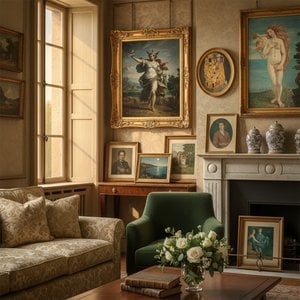
Romantic Masterpieces: 10 Artworks for a Timeless Home Decor Aesthetic
Fall in love with art! Explore 10 iconic romantic paintings – from Monet & Bouguereau to Fragonard. Discover the stories behind these masterpieces and find museum-quality reproductions for your home decor at .