


 設置イメージを確認
 送る
送る シェア
シェア
 詳細情報
詳細情報 ガイドを表示

 画像をダウンロード
 似ている作品
 X線調査
X線調査 スライドショー
 統計情報
統計情報Monkeys


 続きを読む
続きを読む
このページに掲載されている作品は著作権法によって保護されており、当社の許可なく同一の複製物を制作または販売することは法律で禁じられています。この保護は、以下のような国際条約に基づき執行されます。 ベルヌ条約 および、以下の条項に定められたものを含む各国の法律により、 米国著作権法 第17編。
この手法は、著作権で保護された作品の複製や複写を伴わないため、著作権法に完全に準拠しています。これは単なる模倣ではなく、創造的な再解釈です。元の作品からインスピレーションを受けつつも、それとは異なる、全く新しい絵画を生み出すものです。
ジークレー/アートプリント
スピーディーな制作と多彩な仕上げオプションが魅力の、ミュージアムクオリティなジークレー・キャンバスプリント。 ( 手描きの複製画を注文する デジタル画像販売へ切り替え)




































作品のオリジナル比率に合わせた、当店の規定サイズからお選びください。

額縁や壁のスペースに合わせて、ご希望の幅と高さを入力してください。プリントはカットすることは可能ですが、元の画像より大きくすることはできないため、異なる比率のサイズを選択された場合は、画像の一部が欠けることになります。印刷を開始する前に、内容を確認していただくためのデジタルモックアップをお送りいたします。このページに表示されている画像は、実際のカット後の状態を示すものではありません。実際の仕上がりはモックアップにてご確認ください。


 ガラスオプションは、110cm未満のサイズでのみご利用いただけます。

Monkeys
ジークレー/アートプリント
複製画サイズ一覧
-


合計金額
¥ 9839
関連作品


アーティストについて
Early Life and Artistic Foundations
Miki Suizan, born Miki Saiichirō on July 15, 1887, in the small town of Kinashi, Hyogo Prefecture, northwest of Osaka, emerged from a Japan undergoing rapid transformation. The Meiji Restoration had irrevocably altered the nation’s social and artistic landscape, blending traditional aesthetics with burgeoning Western influences. While details surrounding his early upbringing remain somewhat scarce, it is known that Suizan demonstrated an aptitude for art at a young age, leading him to Kyoto in 1903 to begin formal studies under the esteemed nihonga painter Takeuchi Seihō. This mentorship proved pivotal; Seihō, a staunch advocate of traditional Japanese painting techniques and subject matter, instilled in Suizan a deep respect for the past while encouraging innovation within its established frameworks.
A Master of Bijin-ga and Sumi-e
Suizan quickly distinguished himself as a painter specializing in bijin-ga, portraits of beautiful women. However, his approach wasn’t merely replication of existing styles. He infused his depictions with a delicate lyricism and psychological depth that set him apart. His women weren't simply objects of beauty; they were imbued with personality, often captured in moments of quiet contemplation or graceful activity. Beyond bijin-ga, Suizan also excelled in sumi-e, monochrome ink wash painting—a discipline demanding both technical precision and profound artistic sensibility. His tiger paintings, for example, showcase a remarkable command of brushwork, conveying the animal’s power and majesty with expressive lines and atmospheric shading. This versatility allowed him to navigate diverse themes while maintaining a consistent aesthetic vision.
Exhibition Success and Recognition
From 1913 onward, Suizan consistently exhibited his work at prestigious government-sponsored exhibitions like Bunten, Teiten, and Shin-Bunten—venues that served as crucial platforms for establishing an artist’s reputation. A significant milestone arrived in 1932 when he was granted mukansa status at the 13th Teiten exhibition. This coveted designation reserved for artists who had made substantial contributions to contemporary painting, allowed Suizan to exhibit freely without undergoing the usual vetting process—a testament to his growing recognition and artistic merit.
Themes and Techniques
Suizan’s art is characterized by a harmonious blend of traditional Japanese aesthetics and subtle modern sensibilities. His bijin-ga often depict women engaged in everyday activities – preparing tea, arranging flowers, or simply lost in thought. These scenes are rendered with meticulous attention to detail, showcasing the elegance of kimono patterns, the delicate texture of hair ornaments, and the nuanced expressions on his subjects’ faces. His sumi-e works, such as the dynamic ‘Monkeys’ triptych, demonstrate a mastery of ink wash techniques, utilizing varying shades of grey to create depth, movement, and atmosphere. He skillfully employed both color and monochrome palettes, adapting his approach to suit the specific subject matter and desired emotional effect.
Legacy and Historical Significance
In 1952, Suizan embarked on a period living in the United States, holding individual exhibitions focused primarily on his bijin-ga. This exposure introduced his art to a Western audience, further solidifying his international reputation. While he returned to Japan in 1957, his passing that same year marked the end of a prolific career. Today, Miki Suizan is remembered as a significant figure in early 20th-century Japanese painting—a master of bijin-ga and sumi-e who successfully bridged tradition and modernity. His works are held in the collections of major museums worldwide, including the Tokyo Museum of Modern Art, the Kyoto Museum of Modern Art, and the Boston Museum of Fine Arts, ensuring his enduring legacy for generations to come.

Miki Suizan
1887 - 1957 , Japan
アーティスト情報
- Full Name: Miki Saiichirō
- Nationality: Japanese
- Date Of Birth: 1887
- Date Of Death: 1957
- Place Of Birth: Kinuishi, Japan
- Notable Artworks:
- Tiger
- Monkeys
- Artistic Movement Or Style: Nihonga, Bijin-ga
- Artists Who Influenced This Artist: ['Takeuchi Seiho']
関連記事

Japonisme: How Japanese Woodblock Prints Revolutionized Western Art
Explore the profound impact of Japonisme on Western art. Discover how Japanese ukiyo-e woodblock prints revolutionized perspective, color, and composition for masters like Monet and Van Gogh, forever changing the course of modern art history.
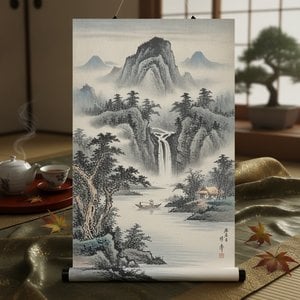
Serenity on Canvas: A Guide to the Timeless Beauty of Japanese Landscape Painting
Discover the serene beauty of Japanese landscape painting. From Hokusai's iconic woodblock prints to meditative sumi-e ink washes, explore a visual journey through the 'floating world' and learn how to bring this timeless Zen aesthetic into your modern home decor.

Suzuki Harunobu: Pioneering Ukiyo-e & the Refinement of Edo Period Printmaking
Discover the revolutionary world of Suzuki Harunobu, a pioneer of ukiyo-e printmaking. Explore his exquisite nishiki-e techniques, diverse subjects & lasting impact on Japanese art history. Learn more at ArtsDot.

Floating World: The Captivating Art and Legacy of Japanese Ukiyo-e
Explore the profound beauty of Japanese Ukiyo-e. Discover the history, masters like Hokusai, and the enduring legacy of the 'Floating World' through an expert art-historical lens.

葛飾北斎:25の傑作が語る浮世絵の世界 - ArtsDot
葛飾北斎の25選:『神奈川沖浪裏』や『富嶽三十六景』など、浮世絵の世界を深く探求。木版画の技法と日本美術の美をArtsDotで。高品質なアートプリントで空間に感動を。コレクションはこちら。