

 設置イメージを表示
 シェアする
シェアする シェアする
シェアする
 詳細を見る
詳細を見る ガイドを表示

 ダウンロード
 似ている作品
 X線調査
X線調査 スライドショーを表示
 Q&A
Q&A 統計情報
統計情報Vestibule


 詳細を表示
詳細を表示
ジークレー/アートプリント
スピーディーな制作と多彩な仕上げオプションが魅力の、ミュージアムクオリティなジークレー・キャンバスプリント。 ( 手描き複製画を注文する デジタル画像販売へ切り替え)




P118B ¥10

P118H ¥10

P118W ¥10

P438Z ¥10

P508JH ¥12

P508YH ¥12

P805H ¥10

P805Z ¥10

P919BZ ¥10

P919G ¥10

P919XJ ¥10

P959ZH ¥10

P968JZ ¥12

W106C ¥8

W218G ¥10

W218JH ¥8

W218Y ¥10

W307PJ ¥10

W316G ¥10

W316PJ ¥8

W316Y ¥10

W398PJ ¥8

W4111J ¥10

W500HY ¥15

W500JH ¥15

W692G ¥12

W849H ¥8

W940BG ¥15

W953PJ ¥8




作品のオリジナル比率に合わせた、当店の規定サイズからお選びください。

額縁や壁のスペースに合わせて、ご希望の幅と高さを入力してください。プリントはカットすることは可能ですが、元の画像より大きくすることはできないため、異なる比率のサイズを選択された場合は、画像の一部が欠けることになります。印刷を開始する前に、内容を確認していただくためのデジタルモックアップをお送りいたします。このページに表示されている画像は、実際のカット後の状態を示すものではありません。実際の仕上がりはモックアップにてご確認ください。


 ガラスオプションは、110cm未満のサイズでのみご利用いただけます。

Vestibule
ジークレー/アートプリント
複製画サイズ一覧
-


合計金額
¥ 9988
Vestibule
Michelangelo Buonarroti’s Vestibule stands as an unparalleled testament to Renaissance architectural innovation and artistic mastery, residing within the Biblioteca Medicea-Laurenziana in Florence. Commissioned by Pope Clement VII in 1523, this ambitious project aimed to establish a grand repository of knowledge for the Medici family—a legacy that continues to inspire awe centuries later.The Vestibule’s genesis lies firmly rooted in the humanist ideals of its time, mirroring the broader artistic fervor sweeping across Europe during the High Renaissance. Michelangelo, already celebrated for his sculptures like David and Pietà, approached this architectural challenge with a singular vision—one informed by meticulous observation of classical forms and imbued with an unwavering belief in the transformative power of art.
Architectural Innovations: A Dialogue Between Tradition and Bold Experimentation
Michelangelo’s design defied conventional norms, prioritizing dynamism and grandeur over static symmetry. The staircase itself is arguably his most striking achievement—a double-flight structure that ascends majestically towards the library's reading room. Its undulating curves and monumental scale weren’t merely functional; they served as a deliberate provocation, reflecting Michelangelo’s conviction that architecture could elevate the human spirit.- Double Staircase Design: The innovative double-flight design creates a dramatic visual effect, emphasizing height and movement.
- Classical Influence: Despite its daring departures from established architectural styles, Michelangelo drew inspiration from classical columns and proportions.
- Spatial Harmony: Michelangelo skillfully crafted the Vestibule’s interior space to foster contemplation and intellectual engagement.
Artistic Elements: Marble Sculpture and Decorative Detail
The Vestibule's walls are adorned with niches housing sculptures—a deliberate gesture intended to enrich the visual experience and reinforce the library’s role as a center of artistic erudition. Michelangelo’s masterful manipulation of marble demonstrates his unparalleled technical skill, capturing subtle nuances of emotion and form.Legacy and Preservation: A Timeless Masterpiece
Today, the Biblioteca Medicea-Laurenziana safeguards Michelangelo's Vestibule—a beacon of artistic achievement that continues to captivate visitors from across the globe. Its enduring appeal stems not only from its architectural grandeur but also from its profound reflection of humanist values and Michelangelo’s unwavering commitment to elevating human experience through art.For those unable to experience this extraordinary artwork in person, ArtsDot.com offers exceptional reproductions—allowing you to immerse yourself in the splendor of Michelangelo's vision.
- Michelangelo Buonarroti: Vestibule
- Michelangelo Buonarroti: Staircase in the Vestibule
- Michelangelo Buonarroti: David (detail)
- Michelangelo Buonarroti: David (detail)
For a deeper dive into the history of the Biblioteca Medicea-Laurenziana, visit Discovering the Biblioteca Medicea-Laurenziana, a Hidden Gem of Florence.
関連作品


作家プロフィール
石と塵の重み
カプレーゼの丘陵地帯で、一人の少年が石の重みと大理石の塵の感触を学んでいた。1475年に生まれたミケランジェロ・ディ・ロドヴィーコ・ブオナローティ・シモニは、父が採石場を営んでいたセッティニャーノの近くで幼少期を過ごした。湿った土の匂いと、岩を叩く槌の音は、彼の子供時代の一部であった。彼は筆ではなく、ノミから芸術の道を歩み始めた。フィレンツェでのドメニコ・ギルランダイオの下での修業時代は、人体への関心が高まっていた当時の都市の熱気へと彼を導いたが、彼の眼を真に形作ったのはメディチ家の庭園であった。古代ギリシャやローマの断片が眠るその場所で、彼は筋肉や骨の上にどのように光が落ちるかを深く研究したのである。
彼の作品は、解剖学への深い探求を通じて形作られ始めた。四肢がどのように重さを支えるのか、そして関節の上で皮膚がどのように引き伸ばされるのか。この肉体的なリアリティへの執着が、彼の芸術における主要な言語となった。1496年にローマに辿り着く頃には、彼はすでに、重厚で実在感のある人物像を彫り出していた。1499年に完成したピエタは、死者の重みを支えながらも、大理石をまるで生身の肉体のように柔らかく見せる、初期の驚異的な才能を物語っている。
天井に宿る緊張感
システィーナ礼拝堂の天井画という任務は、彼が自ら望んだものではなかった。彼は自分自身を、漆喰の上に顔料を広げる者ではなく、石の中から生命を掘り出す彫刻家であると考えていた。しかし、彼は4年もの間、礼拝堂の高い天井の下で、創世記の物語を描いた300体以上の人物像を、フレスコ画として描き続けた。その肉体的な負担は、彼の日常に刻み込まれた。困難な姿勢で何時間も作業を続け、腕を伸ばし、重いフレスコ技法を施すことで、その体は常に緊張にさらされていた。アダムの創造のようなパネルにおいて、その緊張感は二人の指の間のわずかな隙間に宿っている。その、触れ合う直前の瞬間こそが、純粋な構図の力によって観る者の視線を釘付けにするのである。
時が経つにつれ、彼のスタイルは盛期ルネサンスの調和のとれた理想から、より動揺を孕んだものへと変化していった。祭壇の壁に描かれた最後の審判のような後期の作品は、マニエリスムへの移行を示している。人物像はより細長く、構図はより混雑し、劇的なものとなった。この変化は、当時のローマにおける精神的な気候の変化を反映していた。彼は、多くの者が圧倒されるほどの強烈さで創作を続け、その精神が新たな建築的、あるいは彫刻的な問題へと向かうたびに、多くのプロジェクトを未完成のまま残していった。
建築、そして晩年
晩年のミケランジェロは、その関心の多くを建築構造へと向けた。71歳の時、彼はサン・ピエトロ大聖堂の建設を引き継ぎ、より巨大で威厳のあるデザインへと計画を書き換えた。また、ラウレンツィアーナ図書館の設計においても、建築要素の使い方によって伝統を打ち破り、石そのものの中に動きを生み出した。ローマのカンピドリオ広場における彼の仕事は、対称性と古典的なモチーフを用いて、広場を歩く視線を導くように公共空間をいかに組織化できるかを示した。
1564年、彼はローマでその生涯を閉じ、大理石、フレスコ、そして石に刻まれた遺産を後世に残した。彼の人生は、いくつかの重要な役割によって定義されている。
- 彫刻家:カッラーラ大理石の単一の塊から、ダビデ像のような傑作を彫り出す。
- 画家:システィーナ礼拝堂の壮大な物語のサイクルを完成させる。
- 建築家:サン・ピエトロ大聖堂の基礎やラウレンツィアーナ図書館を再設計する。
- 詩人:詩を通じて自らの内なる思考を表現する。

ミケランジェロ
1475 - 1564 , イタリア
プロフィール概要
- Artistic Movement Or Style: 盛期ルネサンス、マニエリスム
- Artists Or Movements Influenced By This Artist: ['マニエリスム']
- Artists Who Influenced This Artist: ['ドメニコ・ギルランダイオ']
- Date Of Birth: 1475年
- Date Of Death: 1564年
- Full Name: ミケランジェロ・ディ・ロドヴィーコ・ブオナローティ・シモニ
- Nationality: イタリア
- Notable Artworks:
- ピエタ
- ダビデ像
- システィーナ礼拝堂天井画
- 最後の審判
- Place Of Birth: イタリア、カプレーゼ・ミケランジェロ
関連記事

The Enduring Legacy of Marble: A Comprehensive Exploration of Technique, Symbolism & Artistic Expression
Explore the rich history of marble sculpture from antiquity to the Renaissance! Discover key techniques, influential artists & enduring themes in classical art. Expert insights for collectors and enthusiasts at ArtsDot.

Bronze Sculptures That Defined Art History | ArtsDot
Journey through art history with our Top 10 bronze sculptures! Explore masterpieces by Rodin, Michelangelo & more. Discover stories behind iconic statues and find museum-quality reproductions for your home decor at ArtsDot.com.
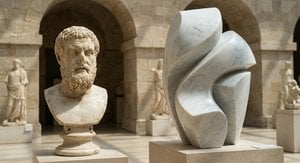
The Enduring Allure of Marble in Art History: From Classical Sculpture to Modern Abstraction
Explore the captivating history of marble sculpture from ancient Greece to modern art. Discover renowned artists like Canova & Michelangelo, carving techniques, and investment insights at ArtsDot.

ミケランジェロ傑作25選:美術史を彩る巨匠の魂と革新 - ArtsDot
ミケランジェロの傑作25選。ルネサンスを代表する芸術家の魂が宿る絵画、彫刻の世界へ。ダビデ像やピエタなど、美術史に残る名作の物語と技法を紐解きます。ArtsDotで高品質な複製画とインテリアアートを見つけましょう。

Bronze Age to Modern Masters: 10 Sculptures That Redefined Art | ArtsDot
Journey through art history with 10 legendary bronze sculptures – from Michelangelo's David to Rodin’s Thinker. Explore the stories, techniques & timeless beauty of these masterpieces. Find museum-quality reproductions & elevate your home decor on ArtsDot.com.


