


 設置イメージを確認
 送る
送る シェア
シェア
 詳細情報
詳細情報 ガイドを表示

 画像をダウンロード
 似ている作品
 X線調査
X線調査 スライドショー
 統計情報
統計情報セレス


 続きを読む
続きを読む
ジークレー/アートプリント
スピーディーな制作と多彩な仕上げオプションが魅力の、ミュージアムクオリティなジークレー・キャンバスプリント。 ( 手描きの複製画を注文する デジタル画像販売へ切り替え)




P118B ¥10

P118H ¥10

P118W ¥10

P438Z ¥10

P508JH ¥12

P508YH ¥12

P805H ¥10

P805Z ¥10

P919BZ ¥10

P919G ¥10

P919XJ ¥10

P959ZH ¥10

P968JZ ¥12

W106C ¥8

W218G ¥10

W218JH ¥8

W218Y ¥10

W307PJ ¥10

W316G ¥10

W316PJ ¥8

W316Y ¥10

W398PJ ¥8

W4111J ¥10

W500HY ¥15

W500JH ¥15

W692G ¥12

W849H ¥8

W940BG ¥15

W953PJ ¥8




作品のオリジナル比率に合わせた、当店の規定サイズからお選びください。

額縁や壁のスペースに合わせて、ご希望の幅と高さを入力してください。プリントはカットすることは可能ですが、元の画像より大きくすることはできないため、異なる比率のサイズを選択された場合は、画像の一部が欠けることになります。印刷を開始する前に、内容を確認していただくためのデジタルモックアップをお送りいたします。このページに表示されている画像は、実際のカット後の状態を示すものではありません。実際の仕上がりはモックアップにてご確認ください。


 ガラスオプションは、110cm未満のサイズでのみご利用いただけます。

セレス
ジークレー/アートプリント
複製画サイズ一覧
-


合計金額
¥ 9767
ミシェル・アンジュイエルの「セレス」について
フランスのバロック彫刻家ミシェル・アンジュイエルの作品、「セレス」は、ローマ神話における豊穣と農業の女神セレスを表現した銅製の彫像です。1652年に制作されたモデルに基づき、約1700年に鋳造されたこの作品は、バロック芸術の頂点として知られています。アンジュイエルの彫刻は、イタリアのローマでアレッサンドロ・アルガーディの下に学び、その影響を受けた芸術家の一人でした。彼は特に墓碑彫刻を得意とし、当時の貴族階級の墓を荘厳かつ感動的に表現しました。この「セレス」は、オウィドスの詩におけるセレスとプロスペルナの物語をモチーフにしています。セレスは、愛する娘プロスペルナが誘拐されたことで苦悩する女神として描かれ、エトナ山の火によって灯されるトーチを持ち上げ、周囲を広げます。彼女の衣装は豊かな drapery で動き出し、その背景にはドラゴンの姿があります。この彫像は、ローマ神話における豊穣と戦いの関係を象徴しており、収穫が生命を維持するために重要であることを示しています。アンジュイエルの彫刻技法は、ロストワックス鋳造という伝統的な技術を用い、細部まで緻密に表現されています。銅の素材は、その質感を生かしたモデリングと鋳造によって立体感を増しています。照明は上方から差し込み、セレスの衣装やドラゴンの影を強調し、彫像全体に奥行きを与えています。視覚的な構成はダイナミックで力強いものであり、セレスと戦士の間の対比が印象的です。アンジュイエルの彫刻は、バロック芸術の特徴であるドラマチックなポーズや感情表現を追求しています。この作品は、ヴィクトリア・アンド・アルバート博物館に収蔵されています。作品の詳細情報
* タイトル:「セレス」 * アーティスト:ミシェル・アンジュイエール(フランス、ユウダ)1612年生まれ、パリで没) * 制作年代:約1700年、モデルに基づき * 材質:銅 * 寸法:重量確認済み:55.2 kg、高さ55.2 cm * 分類:彫塑・銅製 * コレクションの由来:チャールズ・ワースマン氏遺贈 * オブジェクト番号:2019.283.30制作技法と技術
アンジュイエルの彫刻技法は、ロストワックス鋳造という伝統的な技術を用いられています。この技法では、まず蝋モデルを作成し、それを砂で覆って加熱します。その後、銅の塊を溶かして模型に流し込みます。これにより、細部まで緻密な表現が可能となり、彫像の質感と立体感を最大限に引き出すことができます。アンジュイエルの彫刻は、当時のローマ美術文化の影響を受け、古典的な形態や技術を取り入れました。彼は特にアレッサンドロ・アルガーディとの交流を通じて、バロック芸術の最前線で活躍しました。作品の象徴性と歴史的背景
「セレス」は、オウィドスの詩におけるセレスとプロスペルナの物語をモチーフにしています。セレスは愛する娘プロスペルナが誘拐されたことで苦悩する女神として描かれ、エトナ山の火によって灯されるトーチを持ち上げ、周囲を広げます。この彫像はローマ神話における豊穣と戦いの関係を象徴しており、収穫が生命を維持するために重要であることを示しています。アンジュイエルの彫刻はバロック芸術の頂点として知られ、そのドラマチックなポーズや感情表現は見る人に感動を与えます。この作品はヴィクトリア・アンド・アルバート博物館に収蔵されています。よくあるご質問
Michel Anguier作「セレス」の色彩の彩度はどの程度ですか?
Michel Anguier作「セレス」の色調は、彩度が低いな彩度を持っています。彩度とは、色の鮮やかさや落ち着きの度合いを表すものです。
Michel Anguier作「セレス」の色使いは、どのような感情を呼び起こしますか?
Michel Anguier作「セレス」のニュートラルカラーなパレットは、その圧倒的な存在感な情緒的トーンと見事に調和しています。色彩は、作品が感情を伝えるための重要な要素の一つです。
Michel Anguier作「セレス」は、どのようにしてBaroque Sculptureをアーティストの母国と結びつけているのでしょうか?
「セレス」は、その作者の出生地を通じて、Baroque Sculpture運動とFranceを結びつけています。
関連作品


アーティストについて
Michel Anguier: Sculptor of Light and Shadow
Michel Anguier (1612 – 1686) stands as a pivotal figure in the Baroque sculpture tradition of France, embodying both intellectual rigor and artistic virtuosity. Born in Eu, Normandy, he descended from a noble family steeped in humanist ideals—a lineage that profoundly shaped his worldview and fueled his lifelong pursuit of knowledge. Anguier’s formative years were spent studying under Alessandro Algardi in Rome, absorbing the grandeur and dynamism of Bernini's workshop and establishing connections with other leading sculptors of the era. This immersion in Roman artistic culture instilled within him a deep appreciation for classical forms and techniques, which would permeate his subsequent oeuvre.- Early Career & Patronage: Anguier’s initial commissions focused on funerary sculptures—particularly elaborate tombs for aristocratic families—demonstrating his mastery of marble carving and his ability to convey profound emotion through sculptural representation. His work quickly gained recognition, securing him patronage from influential figures within the French court.
- Roman Influence & Artistic Style: Anguier’s Roman training profoundly impacted his artistic style. He embraced Bernini's theatrical approach to sculpture, prioritizing movement and dramatic lighting—elements he skillfully incorporated into numerous monumental sculptures commissioned for churches and palaces throughout France.
- Notable Works: Among Anguier’s most celebrated achievements are the sculptures adorning San Michele al Pozzo Bianco in Bergamo, Italy—a breathtaking ensemble of frescoes depicting Mary's life—and Amphitrite, a magnificent marble statue commemorating the goddess of the sea. His meticulous attention to detail and his masterful manipulation of light and shadow elevated these works to unparalleled levels of artistic excellence.
- The Ceres Sculpture: Anguier’s sculpture “Ceres” exemplifies his dedication to capturing idealized beauty and conveying spiritual contemplation. Located in Paris, this artwork showcases the sculptor's profound understanding of anatomy and drapery—skills honed during his Roman studies—resulting in a timeless masterpiece.
Technique & Artistic Innovation
Anguier’s sculptural technique was characterized by an unwavering commitment to anatomical accuracy combined with expressive dynamism. He meticulously studied human musculature, striving to reproduce its contours with breathtaking realism—a hallmark of Baroque sculpture. Furthermore, Anguier pioneered innovative methods for achieving dramatic lighting effects—techniques he perfected during his time in Rome and subsequently applied to numerous monumental sculptures throughout France. His masterful manipulation of marble—particularly his ability to carve translucent surfaces—created illusions of depth and luminosity that captivated audiences.- Marble Carving Mastery: Anguier’s unparalleled skill in marble carving was evident in every piece he created, from intimate funerary sculptures to colossal monumental statues. He employed sophisticated tools and techniques—including chisels, hammers, rasps, and polishing abrasives—to transform raw stone into objects of exquisite beauty and artistic grandeur.
- Dramatic Lighting Effects: Anguier’s incorporation of dramatic lighting effects—inspired by Bernini’s theatrical style—transformed his sculptures into immersive experiences. He skillfully manipulated marble surfaces to create illusions of translucency and luminosity, enhancing the emotional impact of his works.
Legacy & Historical Significance
Michel Anguier's contribution to Baroque sculpture transcends mere stylistic innovation; he represents a cornerstone of French artistic heritage. His sculptures continue to inspire admiration for their technical brilliance and expressive power—testaments to the enduring legacy of humanist ideals and classical art principles. Anguier’s influence extended beyond his immediate contemporaries, shaping the aesthetic sensibilities of subsequent generations of sculptors and cementing his place among France's most revered artists.- Influence on Subsequent Sculptors: Anguier’s sculptural technique—characterized by anatomical accuracy and expressive dynamism—served as a model for countless sculptors who followed him, establishing a stylistic continuum that spanned centuries.
- Symbol of French Artistic Excellence: Anguier's sculptures embody the zenith of French artistic excellence during the Baroque period—a symbol of humanist ideals and classical art principles that continue to resonate with audiences today.
Further Exploration
For a deeper understanding of Michel Anguier’s life and work, consult scholarly articles published in journals specializing in Art History. Explore online resources—including museum websites and biographical databases—to access detailed information about his artistic achievements and historical context. Examining reproductions of his sculptures—particularly “Ceres” and Amphitrite—offers invaluable insight into the artist's stylistic innovations and expressive power.
Michel Anguier
1612 - 1686 , France
アーティスト情報
- Full Name: Michel Anguier
- Nationality: French
- Date Of Birth: 1612
- Date Of Death: 1686
- Place Of Birth: Seine-Maritime, France
- Notable Artworks:
- Nativity
- Ceres
- Artistic Movement Or Style: Baroque
- Artists Who Influenced This Artist: Gianlorenzo Bernini
- Artists Or Movements Influenced By This Artist: Alessandro Algardi
関連記事

The Enduring Form: Exploring Themes & Techniques in Sculpture Across Historical Periods
Explore the rich history of sculpture from ancient masterpieces to contemporary innovations. Discover key techniques, influential artists & investment potential for discerning art collectors.

Bronze Sculptures That Defined Art History | ArtsDot
Journey through art history with our Top 10 bronze sculptures! Explore masterpieces by Rodin, Michelangelo & more. Discover stories behind iconic statues and find museum-quality reproductions for your home decor at ArtsDot.com.

The Enduring Form: Sculpture Across History, Technique & Emotional Resonance
Explore the rich history of sculpture with ArtsDot. Discover key techniques, influential artists & investment potential for discerning collectors. Expert insights into valuing and collecting timeless masterpieces.

Bronze Age to Modern Masters: 10 Sculptures That Redefined Art | ArtsDot
Journey through art history with 10 legendary bronze sculptures – from Michelangelo's David to Rodin’s Thinker. Explore the stories, techniques & timeless beauty of these masterpieces. Find museum-quality reproductions & elevate your home decor on ArtsDot.com.
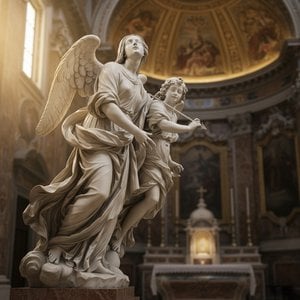
Gian Lorenzo Bernini: Sculpting Baroque Emotion & the Roman Imagination
Explore the life & revolutionary art of Gian Lorenzo Bernini, the master sculptor of the Baroque era. Discover his iconic works like David and Ecstasy of Saint Teresa – a journey into Roman artistic genius.