
 設置イメージを表示
 シェアする
シェアする シェアする
シェアする
 詳細を見る
詳細を見る ガイドを表示

 ダウンロード
 似ている作品
 X線調査
X線調査 スライドショーを表示
 Q&A
Q&A 統計情報
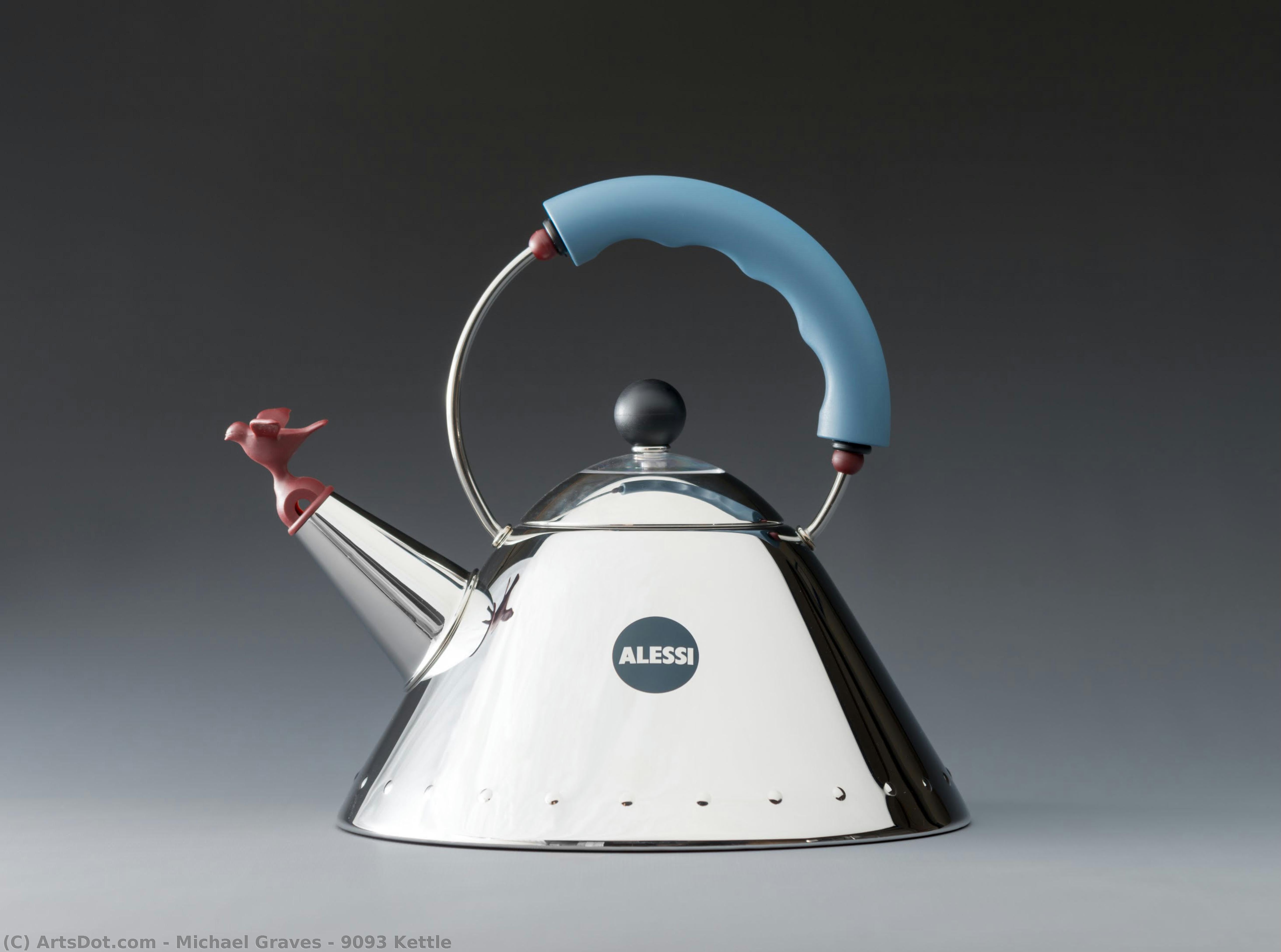
統計情報9093 Kettle

 詳細を表示
詳細を表示
ウェブ上のプレビューを遥かに凌駕する、印刷に最適なファイルをご提供します。当サイトで販売しているすべてのデジタル画像は、弊社のデータベース内にある高解像度のマスターデータ(通常、幅5,000〜15,000ピクセル)から作成されています。そのため、大判印刷や大胆なクロップ、細部まで緻密な再現も、安心してお楽しみいただけます。
当スタジオから送り出される画像は、すべて丁寧に加工されています。デジタルエキスパートが原画と照らし合わせて色調を精査し、必要に応じて補正を行った上で、プロ仕様のリタッチツールを用いて鮮明さと細部を向上させます。その際、アーティストの筆致やスタイルに忠実であることを常に追求しています。その結果、単なるスキャン画像にフィルターをかけたようなものではなく、まるで本物の絵画を見ているかのような仕上がりを実現しています。
仕上がりをご確認いただいてから完了となります。専門スタッフが、ご確認用の画像を72時間以内にメールでお送りいたします。もしご満足いただけない場合は、修正や改善のご要望を承るほか、品質が基準に満たない場合には返金も可能です。
出版社、デザインスタジオ、ギャラリー、そして印刷所から信頼される品質です。
デジタルアート
個人での鑑賞、印刷、クリエイティブなプロジェクトにご利用いただける高解像度ファイルをダウンロードできます。 ( プリント版に切り替え 手描き複製画を注文する)
デジタル画像のご注文に付随する特典
確かな品質による、プロフェッショナルなデジタル配信
ArtsDot.com を選ぶことは、単に画像を手に入れることではありません。プロの手によって精密に仕上げられ、満足保証が付いた高品質なデジタルアートワークを受け取ることを意味します。ご注文いただいた際に自動的に付随する内容は、以下の通りです:

メールですぐにお届け
ご注文から72時間以内に、高解像度のデジタル画像ファイルをメールでお送りいたします。お手元に届き次第、すぐにご利用いただけます。

AI技術で最適化されたデジタルファイル
お客様の作品は、高度なAI技術と専門家による手作業を組み合わせてプロフェッショナルに最適化されており、細部のディテール、鮮明さ、そして正確な色再現性を最大限に引き出しています。

生涯無料の再送サービス
ファイルを誤って削除したり、紛失してしまったりしましたか?ご安心ください。いつでも無料で再送いたします。

輸入手数料は、いつでも一切かかりません
関税や手数料、配送料を気にすることなく、お気に入りのアートワークをすぐにお楽しみいただけます。デジタルダウンロードは常に免税です。

正確な色彩の保証
プロ仕様のツールとカラーマネジメント技術を用いることで、デジタル画像が元の色を最大限に忠実に再現することを保証いたします。

100日間満足保証
ご購入いただいたデジタル画像にご満足いただけない場合は、100日以内であれば、理由を問わず修正または100%の返金対応をさせていただきます。

100% 返金保証
ご満足いただけない場合は、デジタルファイルを受け取ってから100日以内であれば、理由を問わず全額返金いたします。

まとめ買い割引
3枚購入で10%OFF、5枚購入で15%OFF、10枚以上のご購入で20%OFF。クリエイティブなプロジェクトやギャラリー、エージェンシーに最適です。
関連作品


作家略歴
A Playful Rebellion: The Life and Vision of Michael Graves
Michael Graves, born in Indianapolis in 1934, emerged as a pivotal figure in late 20th and early 21st-century design—an architect who dared to challenge the austere dogma of modernism with a vibrant, often whimsical aesthetic. His journey wasn’t one of immediate rebellion, but rather a gradual evolution fueled by a growing dissatisfaction with the perceived rigidity and historical detachment of the prevailing architectural style. Initially steeped in modernist principles during his education at the University of Cincinnati and Harvard, Graves found himself increasingly drawn to the power of history, symbolism, and ornamentation—elements largely banished from the modernist lexicon. This shift wasn’t simply an aesthetic preference; it was a fundamental questioning of architecture's purpose: should buildings merely function, or should they also delight, communicate, and connect with people on a more emotional level? The seeds of this inquiry were sown during his time at the American Academy in Rome as a recipient of the prestigious Rome Prize, where he immersed himself in the rich tapestry of classical architecture. It was an experience that profoundly shaped his understanding of form, proportion, and the enduring power of architectural language.From The New York Five to Postmodern Iconoclasm
Graves’s ascent coincided with a period of significant experimentation within the architectural world. He became a key member of *The New York Five*, a group of architects—alongside Peter Eisenman, Charles Gwathmey, Richard Meier, and Robert A.M. Stern—who actively challenged modernist orthodoxy in the late 1960s and early 70s. Their work, characterized by formal complexity and a rejection of simplistic functionalism, laid the groundwork for the burgeoning postmodern movement. However, Graves’s vision extended beyond architectural boundaries. His involvement with *The Memphis Group* in the 1980s—an Italian design collective known for its boldly colored, playfully shaped furniture and objects—brought his designs to an even wider audience. This collaboration was a watershed moment, demonstrating that good design wasn't limited to buildings; it could permeate everyday life through accessible, aesthetically engaging products. It was a deliberate democratization of design, bringing artistry into the home. The influence of Robert Venturi and Denise Scott Brown’s seminal work, *Complexity and Contradiction in Architecture*, cannot be overstated. Their critique of modernist simplicity resonated deeply with Graves, encouraging him to embrace ambiguity, irony, and historical references—qualities that would become hallmarks of his style.Landmark Buildings and the Democratization of Design
Graves’s architectural portfolio is remarkably diverse, reflecting his willingness to adapt his distinctive aesthetic to a wide range of contexts. The Portland Building (1982) in Oregon remains perhaps his most iconic—and controversial—creation. Its colorful facade, adorned with oversized classical ornamentation, sparked intense debate, challenging conventional notions of what a civic building should look like. Similarly, the Humana Building in Louisville, Kentucky, is a playful and whimsical structure that incorporates exaggerated decorative elements, creating a sense of theatricality. Beyond these landmark projects, Graves demonstrated his versatility with works such as the Ministry of Culture in The Hague, Netherlands, and the Denver Public Library expansion—each showcasing his commitment to public spaces and thoughtful design solutions. But perhaps his most significant contribution was his ability to bridge the gap between high art and mass production. His collaborations with companies like Alessi resulted in iconic designs such as the 9093 Kettle, transforming a mundane kitchen object into a work of art. Further extending this philosophy, Graves partnered with Target and J.C. Penney to create affordable product lines, making stylish and well-designed items accessible to a broader audience—a truly revolutionary act that challenged the elitism often associated with design.A Legacy of Accessibility and Humanistic Design
In 2003, a life-altering event profoundly impacted Graves’s work: he suffered a partial paralysis that confined him to a wheelchair. This personal experience ignited a passionate advocacy for universal design—the principle of creating products and environments usable by all people, regardless of age, ability, or status. He recognized firsthand the challenges faced by individuals with disabilities and dedicated himself to improving healthcare environments, ensuring they were not only functional but also dignified and supportive. His later work reflected this commitment, prioritizing accessibility, comfort, and a humanistic approach to design. Throughout his illustrious career, Michael Graves received numerous accolades, including fellowships from the American Institute of Architects, the AIA Gold Medal, the National Medal of Arts, and the Driehaus Architecture Prize—testaments to his enduring influence and significant contributions to the field. He left behind a legacy that extends far beyond bricks and mortar or product designs; he challenged conventions, embraced playfulness, and championed a more inclusive and human-centered approach to design—a vision that continues to inspire generations of architects and designers today.
Michael Graves
1934 - 2015 , United States of America
プロフィール概要
- Full Name: Michael Graves
- Nationality: American
- Date Of Birth: 1934
- Date Of Death: 2015
- Place Of Birth: Indianapolis, United States of America
- Notable Artworks:
- 9093 Kettle
- Coffee pot
- Portland Building
- Humana Building
- Artistic Movement Or Style: Postmodernism
- Artists Who Influenced This Artist:
- Robert Venturi
- Denise Scott Brown
- Artists Or Movements Influenced By This Artist:
- Postmodern architecture
- New Urbanism