
- ホーム

- 油絵の複製画
- mel kendrick
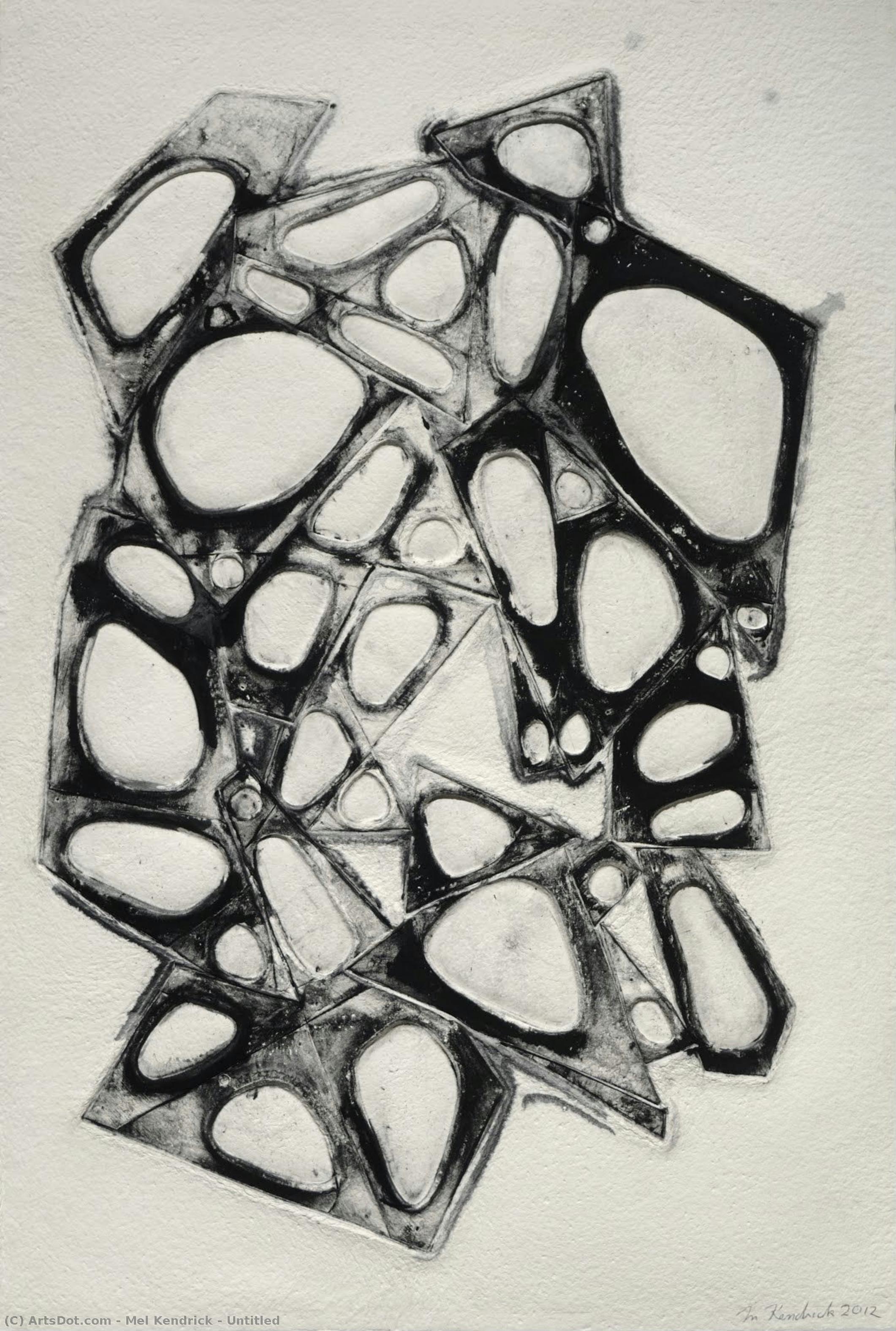
- Untitled
 プリントを購入
 シェアする
シェアする シェアする
シェアする
 詳細を見る
詳細を見る

 ダウンロード
 似ている作品
 X線調査
X線調査 スライドショー
Untitled


 詳細を見る
詳細を見る




































Standard
custom
CM
INCH
作品のオリジナル比率に合わせた、当店の規定サイズからお選びください。
Loading sizes...

幅
高さ
特定のフレームやスペースに合わせて、ご希望のサイズをご入力いただけます。選択されたサイズが元の画像の比率と異なる場合、アートワークをトリミングするか、手描きで要素を追加して絵画を拡張いたします。デジタルモックアップ を制作し、制作開始前にご確認(承認)をいただきます。
画面上のプレビューは、実際のトリミングや拡張を正確に反映しているものではありません。最終的な構図は、モックアップによってのみ正確にご確認いただけます。
カスタムサイズもご利用いただけますが、元の比率を維持するためには、あらかじめ用意されたリストからサイズを選択することをお勧めいたします。
カスタマイズの例:顔をお客様の写真に置き換える、ペットを追加する(例:猫を犬に変更)、背景に隠れたメッセージを入れる、背景の風景や要素を変更するなど。
ご注文後、ArtsDot.com チームより詳細な指示をお送りするとともに、仕上がりイメージ(モックアップ)をご提供いたします。
ご注文後、ArtsDot.com チームより詳細な指示をお送りするとともに、仕上がりイメージ(モックアップ)をご提供いたします。


 ガラスオプションは、110cm未満のサイズでのみご利用いただけます。

Untitled
複製技法
複製画のサイズ
-


合計金額
-
作品解説
Born in Boston, Massachusetts, Kendrick attended Phillips Academy, Andover and Trinity College, Connecticut before he moved to New York City in 1971 where he studied at Hunter College under Tony Smith and worked for Dorothea Rockburne. Kendrick
アーティストの略歴
Mel Kendrick: Sculpting Space and Material
Mel Kendrick (born July 28, 1949) stands as a pivotal figure in contemporary sculpture, recognized for his distinctive approach to form—a masterful blend of geometric precision and tactile materiality. His work transcends mere visual aesthetics; it delves into fundamental questions about process, space, and the inherent poetry within seemingly simple shapes derived from meticulously sliced and reconstituted wooden blocks. This singular technique has cemented Kendrick’s reputation as an innovator who champions both intellectual rigor and sensual engagement with artmaking.- Early Influences & Education: Kendrick's artistic journey began in Boston, Massachusetts, where he cultivated a passion for photography at Phillips Academy Andover alongside fellow artists destined for prominence. This formative experience instilled in him an appreciation for visual perception and spatial awareness—influences that would profoundly shape his sculptural explorations. He continued his studies at Trinity College Connecticut before relocating to New York City in 1971, immersing himself in the vibrant artistic milieu of Hunter College under mentors like Robert Morris and Tony Smith, furthering his understanding of minimalist principles.
- Minimalist Beginnings & Architectural Forms: Kendrick’s initial artistic endeavors aligned closely with the tenets of minimalism—characterized by reductive geometric forms and a deliberate rejection of ornamentation. His early sculptures prioritized architectural precision, mirroring the aesthetic sensibilities of influential predecessors such as Donald Judd, Sol LeWitt, Richard Serra, and Dorothea Rockburne. Notably, his debut solo exhibition at Artists Space in 1974 presented an ambitious challenge to viewers’ perceptions of space—a conceptual breakthrough that foreshadowed his enduring fascination with spatial relationships.
- A Shift Towards Expressive Materiality: Recognizing the limitations inherent in pure minimalism, Kendrick embarked on a transformative artistic evolution in 1982. Rejecting intellectual constraints, he embraced a more tactile and emotionally resonant style—one that prioritized direct engagement with materials like wood and bronze. This pivotal decision resulted in sculptures imbued with an unexpected dynamism, capturing subtle movements and textures that defied the sterile uniformity of earlier works. As critic Jerry Saltz eloquently described it, Kendrick’s subsequent creations “look offhand, but is in fact complex almost to the point of craziness, Piranesi-style,” reflecting a profound appreciation for the interplay between form and process.
- Exploring Spatial Poetry & Material Transformations: Kendrick's artistic practice consistently investigates the relationship between sculpture and drawing—a conceptual distinction he considers crucial to conveying “poetry in space.” He skillfully manipulates materials—ranging from wood, rubber, and cast concrete to paper—employing techniques that transform their original form into evocative representations of spatial dimensions. His retrospective "Seeing Things in Things," curated by Brice Marden, illuminated the core of his artistic vision—a deliberate deconstruction and reconstruction of geometric shapes, resulting in sculptures that invite contemplation and stimulate intellectual curiosity.
- Recognition & Legacy: Kendrick’s contributions to contemporary sculpture have garnered widespread acclaim and acknowledgment. He has received prestigious fellowships from the National Endowment for the Arts, an Academy Award from the American Academy of Arts & Letters, and was elected to the National Academy of Design—honors bestowed upon artists who exemplify exceptional artistic merit. His sculptures are housed in prominent museum collections worldwide—a testament to his enduring influence on the field and a lasting legacy as one of America’s foremost sculptors.

基本情報
- Artistic Movement Or Style: Minimalism, Abstract Sculpture
- Artists Or Movements Influenced By This Artist: ['Contemporary Sculpture']
- Artists Who Influenced This Artist:
- Donald Judd
- Sol LeWitt
- Richard Serra
- Dorothea Rockburne
- Date Of Birth: July 28, 1949
- Full Name: Mel Kendrick
- Nationality: American
- Notable Artworks:
- Untitled
- Seeing Things in Things
- Place Of Birth: Boston, Massachusetts

