

 設置イメージを表示
 シェアする
シェアする シェアする
シェアする
 詳細を見る
詳細を見る ガイドを表示

 ダウンロード
 似ている作品
 X線調査
X線調査 スライドショーを表示
 Q&A
Q&A 統計情報
統計情報Untitled

- 100.0 x 69.0 cm


 詳細を表示
詳細を表示
このページに掲載されている作品は著作権法によって保護されており、当社の許可なく同一の複製物を制作または販売することは法律で禁じられています。この保護は、以下のような国際条約に基づき執行されます。 ベルヌ条約 および、以下の条項に定められたものを含む各国の法律により、 米国著作権法 第17編。
この手法は、著作権で保護された作品の複製や複写を伴わないため、著作権法に完全に準拠しています。これは単なる模倣ではなく、創造的な再解釈です。元の作品からインスピレーションを受けつつも、それとは異なる、全く新しい絵画を生み出すものです。
ジークレー/アートプリント
スピーディーな制作と多彩な仕上げオプションが魅力の、ミュージアムクオリティなジークレー・キャンバスプリント。 ( 手描き複製画を注文する デジタル画像販売へ切り替え)




P118B ¥10

P118H ¥10

P118W ¥10

P438Z ¥10

P508JH ¥12

P508YH ¥12

P805H ¥10

P805Z ¥10

P919BZ ¥10

P919G ¥10

P919XJ ¥10

P959ZH ¥10

P968JZ ¥12

W106C ¥8

W218G ¥10

W218JH ¥8

W218Y ¥10

W307PJ ¥10

W316G ¥10

W316PJ ¥8

W316Y ¥10

W398PJ ¥8

W4111J ¥10

W500HY ¥15

W500JH ¥15

W692G ¥12

W849H ¥8

W940BG ¥15

W953PJ ¥8




作品のオリジナル比率に合わせた、当店の規定サイズからお選びください。

額縁や壁のスペースに合わせて、ご希望の幅と高さを入力してください。プリントはカットすることは可能ですが、元の画像より大きくすることはできないため、異なる比率のサイズを選択された場合は、画像の一部が欠けることになります。印刷を開始する前に、内容を確認していただくためのデジタルモックアップをお送りいたします。このページに表示されている画像は、実際のカット後の状態を示すものではありません。実際の仕上がりはモックアップにてご確認ください。


 ガラスオプションは、110cm未満のサイズでのみご利用いただけます。

Untitled
ジークレー/アートプリント
複製画サイズ一覧
-


合計金額
¥ 9968
A Window into the Subconscious: Exploring Mark Rothko’s 1946 Untitled Painting
This captivating work by Mark Rothko, created in 1946, exemplifies a pivotal moment in the artist's transition towards his signature Color Field style. Measuring 100 x 69 cm, this untitled painting is not merely an arrangement of colors; it’s an invitation to introspection and emotional resonance – a hallmark of Abstract Expressionism.Style & Technique: The Birth of a Vision
The artwork firmly resides within the realm of Abstract Expressionism, specifically foreshadowing Rothko's later, more refined Color Field paintings. Unlike purely abstract works that emphasize form, this piece prioritizes the emotive power of color and its interaction with texture. The technique is demonstrably layered – oil paints are applied with a dynamic range of approaches. Impasto areas, where paint is thickly applied, contrast beautifully with thinner washes, creating a tactile surface that invites close examination. Scraped and blended sections further contribute to the painting’s energetic quality. The absence of defined lines or traditional perspective flattens the picture plane, focusing attention entirely on the interplay of hues and their inherent emotional weight.Historical Context: Post-War Emotion
Created in 1946, this work emerges from a period profoundly shaped by the aftermath of World War II. The anxieties, uncertainties, and existential questioning prevalent at the time found expression in Abstract Expressionism’s rejection of representational art. Artists like Rothko sought to convey universal human emotions – grief, hope, despair – through non-figurative means. This painting can be seen as a visual manifestation of that post-war emotional landscape, reflecting a search for meaning and spiritual grounding amidst chaos.Symbolism & Interpretation: A Dialogue with the Viewer
While deliberately avoiding specific narrative or recognizable imagery, this artwork is rich in potential symbolism. The amorphous shapes and overlapping colors can be interpreted as representing psychological states, subconscious thoughts, or even primordial forces. The lack of clear boundaries encourages viewers to project their own emotions and experiences onto the canvas, fostering a deeply personal connection with the work. Rothko himself believed that his paintings were not simply *about* something, but rather *were* something – embodiments of fundamental human feelings. The influence of artists like Barnett Newman and Clyfford Still is also apparent in this early exploration of color as a primary expressive element.Emotional Impact & Aesthetic Qualities
The painting evokes a complex range of emotions, from unease and melancholy to a strange sense of harmony. The intensity of the colors – though not explicitly defined in the description, one can imagine deep reds, blues, and ochres – creates a powerful visual impact. The chaotic yet balanced composition suggests both turmoil and resolution. It’s a work that demands contemplation, inviting viewers to lose themselves within its depths and confront their own inner worlds. The painting's scale (100 x 69 cm) makes it an ideal statement piece for modern interiors, adding depth and sophistication to any space.Rothko’s Artistic Journey
Born Marcus Rothkowitz in Latvia in 1903, Mark Rothko immigrated to the United States as a child. His early work explored figurative and surrealist themes before evolving into the abstract style for which he is celebrated. He became a leading figure in the New York School, alongside artists like Jackson Pollock and Willem de Kooning. This 1946 painting represents a crucial step in his artistic development, laying the groundwork for the iconic Color Field paintings that would define his legacy. His work continues to inspire awe and provoke thought, solidifying his place as one of the most important artists of the 20th century.Q&A
「Untitled」を特徴づける配色と、主役となる色は何でしょうか?
マーク・ロスコ作「Untitled」はNeutralsのパレットを使用しており、Putty (#d2b5ab)が基調となっています。
Abstract Expressionismの作品「Untitled」は、どのような感情を伝えていますか?
Abstract Expressionismのムーブメントにおいて、「Untitled」はMelancholicなトーンで描かれています。
マーク・ロスコ作「Untitled」の解説ページはありますか?
「Untitled」のガイドは、作品の解説資料ページです。このページは印刷可能なファクトシートとなっており、作品のキャプション、クレジット、および詳細情報(作家名、制作年、技法、原寸大、所蔵)をまとめてご確認いただけます。
関連作品


作家プロフィール
マーク・ロスコの幼少期
マーク・ロスコは1903年、マルクス・ヤコヴレヴィチ・ロトコヴィッチとしてその生を受けた。彼が誕生したのは、当時はロシア帝国の一部であり、現在はラトビアのダウガフピルスとして知られるドヴィンスクであった。彼の家族は、政治的不安とポグロムの絶え間ない影に覆われたユダヤ人居住区に暮らしていた。こうした不安定な空気は、1913年に家族がアメリカ合衆国へと移住した後も、彼らの人生に静かに付きまとった。エリス島を経て、家族はオレゴン州ポートランドに定住することとなる。
父ジェイコブは薬剤師として働いていた。彼は社会主義的な傾向を持つ知的な人物であり、学びと議論を重んじる家庭環境を築いていた。しかし、この深い思索に満ちた日常は、突然の喪失によって断ち切られることになる。家族がアメリカに到着して間もなく、ジェイコブは大腸癌によりこの世を去った。この幼少期の悲しみと、移民として生きる苦闘の経験は、後に偉大な芸術家へと変貌を遂げる彼の内面に、静かな、しかし揺るぎない土台を形作ることとなった。
芸術的修行とニューヨークでの初期時代
1923年のニューヨークへの移住は、彼の表現の核心に大きな転換をもたらしました。イェール大学で学んだ後、都市が放つ強烈な引力は、彼をアカデミックな学問の世界から引き離していきました。彼は自らの技法を研鑽するため、アート・ストゥデンツ・リーグへと身を投じます。この初期の時代、彼の筆先は極めて「実体的なもの」に向けられていました。人物の表情や、都市の街路に漂う荒々しい質感に対して細部まで細心の注意を払い、肖像画や都市の風景を描き上げたのです。その作品は写実主義に根ざしており、抽象表現へと向かう大きな変容が訪れる前の、目に見える物理的な世界を鮮明に捉えていました。
1940年を迎える頃、彼は名を「マーク・ロスコ」へと改名することを決断します。それは、若き日の整然とした具象表現から脱却しようとする、過渡期の象徴的な出来事でした。表現の焦点は、都市の中に存在する認識可能な物体から、より定義の曖昧な何かへと移ろい始めます。彼は、周囲に存在する具体的な形に頼ることなく、人間の経験が持つ重みを表現するための、新たな術を探求していたのです。
抽象表現主義への進化
1940年代が進むにつれ、初期の作品に見られた緻密な写実主義は次第に影を潜めていきました。その関心は、都市の風景や人物像といった、目に見える具体的なディテールから、より深い領域へと移り変わっていったのです。マーク・ロスコは、シュルレアリスムの言語や神話の世界へと自身の表現を傾け、それらのテーマを通じて、人間の感情が持つ重みをいかに描き出すかという問いに向き合いました。この時期の作品には、生命の躍動を感じさせるバイオモーフィック(生物形態的)な形がしばしば現れます。それらの形態は、完全な具象でも、かといって完全な抽象でもない、宙に浮遊するような不思議な状態を保っていました。
この変遷は、彼がアメリカ抽象表現主義運動へと足を踏み入れた重要な転換点となりました。マーク・ロスコは、秩序立てられた「物」の世界から離れ、より内面的な精神の探求へと向かったのです。キャンバスは、対象が「どのように見えるか」を描くためのものではなく、その対象が「どのような感情を宿しているか」を伝えるための媒体へと変貌を遂げました。彼は、形と神話という手段を用いて、人間という存在が抱える複雑な葛藤を表現するための、新たな言葉を模索していたのです。
- Mother and Child (1934)
- The Pugilist
- The High Priest (1945)
カラーフィールド・ペインティングの展開
1940年代後半、彼の作品は劇的な変貌を遂げ始める。それまでの具象的な形態や神話的な物語から離れ、認識可能なイメージを削ぎ落としていくことで、彼はより直接的な表現を追い求めたのである。キャンバスは巨大なスケールへと膨れ上がり、そこには宙に浮いているかのような、大きな矩形の色彩の塊が鎮座するようになった。これらの形態は単に画面の表面に置かれているのではなく、浅く、それでいて呼吸しているかのような空間の中に存在しているように感じられる。この転換こそが、カラーフィールド・ペインティングの台頭と密接に結びついた、マーク・ロスコの成熟期の幕開けであった。
絵具の塗布は、極めて緩やかで、幾重にも重なるプロセスであった。彼は顔料を薄く、層を成すように塗り重ねることで、色調と質感に繊細な変化を与えていった。この層の重なりによって、まるで光がキャンバスの内部から溢れ出しているかのような視覚効果が生まれる。色彩を帯びた形態の境界線は、決して鋭いものではなかった。むしろ、それらはぼやけ、柔らかく、異なる色相同士の境界が互いに浸透し合っているかのように感じさせる。この技法によって、キャンバスは静謐で、重厚な存在感を放つ場所へと変貌を遂げたのである。
- No. 1
- Three
- No. 3/No. 13
- No. 10 (Brown Black Sienna on Dark Wine)
- Magenta, Black, Green on Orange
- White over Red
技法と色彩の言語
マーク・ロスコの作品は、静謐かつ独特な積層の技法に支えられています。彼は油彩を薄く、幾重にも塗り重ねることで、緻密で半透明な層を築き上げました。このプロセスによって生み出されるベルベットのような質感は、単に表面で光を反射するのではなく、顔料の内部に光を宿しているかのような錯覚を抱かせます。鋭い輪郭線は存在せず、矩形の色の境界はぼやけ、色が互いに滲み合い、浮遊しているかのように見えます。これらの巨大な色面は、キャンバスに奥行きを与え、まるで作品そのものが呼吸しているかのような感覚を創り出すのです。
彼は、特定の主題や物語を暗示させるようなタイトルをあえて排除しました。多くのキャンバスには「No. 1」や「No. 6」といった単純な番号のみが付され、鑑賞者が先入観なしに色彩と対峙することを求めています。この選択は、絵具との直接的な邂逅を強いるものです。彼は、この光り輝く色彩の領域を通じて、悲劇、歓喜、そして絶望といった、人間の重層的で切実な感情へと手を伸ばそうとしました。作品のスケールは、目の前に立つ者を包み込むように設計されており、鑑賞という行為を、静寂に満ちた没入的な体験へと変貌させるのです。
- No. 10 (Brown Black Sienna on Dark Wine)
- No. 37 or No. 19
- White over Red
主要な依頼作品と壁画プロジェクト
マーク・ロスコの芸術は、単一のキャンバスという枠組みを超え、空間そのものを支配する力を持っていました。その代表的な例が、ニューヨークのレストランのために制作された「シーグラムの壁画」シリーズです。彼は制作に多大な時間を費やしましたが、最終的にその展示環境が作品の精神性にそぐわないと判断し、これらの傑作をロンドンのテート・ギャラリーへと寄贈しました。また、色彩が空間をどのように占有し、変容させるかという彼独自の探求は、ハーバード大学のホーリーオーク・センターにあるダイニングルームのために制作された「ハーバードの壁画」シリーズにも結実しています。
テキサス州ヒューストンには、彼の魂の集大成とも言える「ロスコ礼拝堂」のための14枚の絵画が遺されています。特定の宗教に属さないこの聖域には、さまざまな階調の「黒」を用いた作品が安置されています。これらの絵画は礼拝堂の建築構造と調和するように配置され、静かな瞑想のための特別な環境を創り出しています。作品の圧倒的なスケールは、鑑賞者の視界の端々まで色彩で満たし、見る者を包み込むように、その存在のただ中へと引き込んでいくのです。
晩年と悲劇的な死
自らの作品が持つ重圧は、しばしば彼自身の魂を押しつぶさんばかりに重くのしかかっていたようです。生涯を通じて、マーク・ロスコは鬱病という、感情の真実を追い求める旅に常に付きまとう執拗な影と闘い続けてきました。彼は質素な生活を送り、巨大なキャンバスに向き合うために必要な静寂の空間へと、しばしば引きこもるようにして身を置いていました。彼が描き出した人間の条件――悲劇、恍惚、そして絶望――への強烈なまでの執着は、単に筆が追うべき主題であっただけでなく、彼自身が内側に抱え続けていた過酷な現実でもあったのです。
晩年、その葛藤はもはや耐えがたいものとなりました。1970年2月25日、マーク・ロスコは自身のスタジオにて自ら命を絶ちました。享年66歳。彼の死は、膨大な数の作品群を後に残しました。それらの中には、未完のまま残されたものや、後に家族や遺言執行者たちが複雑な法的紛争の中で向き合うこととなる、膨大な遺産の一部となった作品も多く含まれていました。
彼の芸術が遺したもの
マーク・ロスコの存在感は、そのキャンバスが空間を占有するその圧倒的な様態の中に、今もなお深く刻み込まれている。彼が遺した798点にも及ぶ膨大な作品群は、現代美術史の礎として揺るぎない地位を保ち続けている。巨大で光を帯びた色彩の矩形へと向かった彼の変遷は、抽象表現主義という運動を定義づけ、後のミニマリズム運動にも多大な影響を及ぼした。彼の作品は、鑑賞者の目を引くために具象的な形に頼ることはない。むしろ、色彩が持つ緩やかでリズムを刻むような呼吸を通じて、深遠な奥行きを生み出しているのである。
後世のアーティストたちが、キャンバスを心理的・精神的な探求の場として捉えるようになったのは、彼の功績に他ならない。物語的な雑音を削ぎ落とすことで、彼は人間が絵具という物質的な現実と対峙する方法を根本から変えたのである。彼の絵画は20世紀美術における最も重要な傑作の一つとして高く評価されており、ニューヨークの近代美術館(MoMA)やロンドンのテート・モダンといった主要な美術館の永久収蔵品として、世界中の人々を魅了し続けている。そのスケールの大きさは、時に鑑賞者の周辺視野を飲み込み、静寂に満ちた瞑想的な沈黙へと誘うのである。
- No. 6 (Violet, Green and Red)
- Orange, Red, Yellow (1961)
- N.10 (1958)
今日、彼の作品に触れるために
マーク・ロスコのキャンバスの前に立つということは、静寂に包まれた空間の中で、色彩が持つ圧倒的な重みを体験することに他なりません。ニューヨークでは、ニューヨーク近代美術館(MoMA)が彼の代表作を数点所蔵しています。大西洋を渡ったロンドンでは、テート・モダンが、彼の巨大な形態と対峙するための静謐な空間を提供しています。また、ワシントンD.C.のナショナル・ギャラリーには彼の絵画コレクションが収められており、そこでは、彼が薄い油彩の層によって追い求めた深淵が、光の当たり方によって鮮やかに浮かび上がります。
テキサス州ヒューストンにあるロスコ礼拝堂には、独特の静寂が漂っています。そこは特定の宗教に属さない空間であり、さまざまな黒の階調で描かれた14枚の絵画が安置されています。ギリシャ十字の中に八角形を配した建物の建築様式は、アーティスト自身の思想に影響を受けたものです。ここは今もなお、静かな瞑想のための場所であり、作品のスケールが目の前に立つ人々を包み込むように設計されています。
ラトビアのダウガフピルスでは、歴史ある要塞の砲兵庫を利用したロスコ美術館が、彼のルーツを称えるように佇んでいます。この美術館は、彼の遺族から貸与されたオリジナル作品を常設展示している、ヨーロッパで唯一の場所です。訪れる人々は、彼の生誕の地を思わせる環境の中で、これらの特別なキャンバスを展示する「ロスコ・ルーム」にて、その芸術に触れることができるでしょう。
- No. 1 (制作年不明)
- Three (制作年不明)
- No. 3/No. 13 (制作年不明)
- No. 10 (制作年不明)
- Magenta, Black, Green on Orange (制作年不明)
- White over Red (制作年不明)

マーク・ロスコ
1903 - 1970 , ラトビア
プロフィール概要
- フルネーム: マーク・ロスコ
- 主な作品:
- No. 10 (1950)
- セagramの壁画
- ロスコ礼拝堂
- 出生地: ラトビア、ダウガフピルス
- 国籍: アメリカ合衆国
- 影響を与えたアーティスト: ['ミニマリズム']
- 死亡年月日: 1970年2月25日
- 生年月日: 1903年9月25日
- 芸術運動またはスタイル: 抽象表現主義、カラーフィールド
関連記事

The Sublimity of Color: Exploring the Emotional Landscapes of Mark Rothko's Abstract Expressionism
Explore the profound emotional depth of Mark Rothko's abstract expressionism. Discover the history, techniques & lasting impact of this pivotal Color Field painter. Expert insights for collectors and art enthusiasts.

Anchoring Space: The Psychological and Aesthetic Impact of a Central Abstract Painting on Interior Composition
Discover how a central abstract painting transforms your interior. Expert insights on color psychology, composition & bespoke art commissions from ArtsDot. Elevate your space with museum-quality pieces.
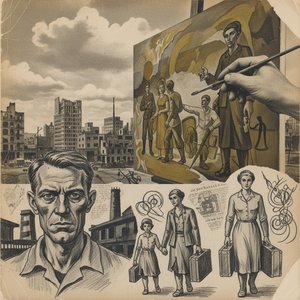
Echoes of a Decade: Artistic Responses to Sociopolitical Realities in 1940s Art
Explore the powerful artistic responses to the sociopolitical realities of the 1940s. Discover key movements like Expressionism & Abstract Expressionism, and learn how to collect investment-worthy masterpieces with ArtsDot.

マーク・ロスコ傑作25選:色彩が織りなす深遠な世界|ArtsDot
マーク・ロスコの傑作25選。抽象表現主義を代表する巨匠、色彩が織りなす深遠な世界を探求します。絵画の背景や技法、感動的なストーリーを紐解き、ArtsDotで高品質なアートプリントをお楽しみください。リビングやオフィスにモダンアートを飾るなら!

The Triadic Resonance of Artistic Choice: Exploring Emotional Response to Multiple Interpretations of a Singular Concept
Explore the emotional power of art & discover how skilled artists create lasting masterpieces. Custom paintings, expert consultations, & museum-quality reproductions at ArtsDot.com.


