


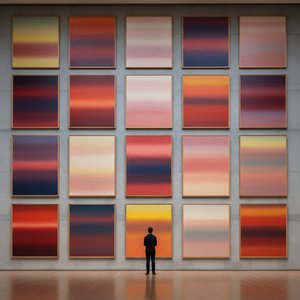
 設置イメージを確認
 送る
送る シェア
シェア
 詳細情報
詳細情報 ガイドを表示

 画像をダウンロード
 似ている作品
 X線調査
X線調査 スライドショー
 統計情報
統計情報Untitled 96

 続きを読む
続きを読む
このページに掲載されている作品は著作権法によって保護されており、当社の許可なく同一の複製物を制作または販売することは法律で禁じられています。この保護は、以下のような国際条約に基づき執行されます。 ベルヌ条約 および、以下の条項に定められたものを含む各国の法律により、 米国著作権法 第17編。
敬意を払った法的な代替手段として、私たちはオリジナルにインスピレーションを与えられた、カスタムの手描きアートワークを提供しています。私たちの熟練したプロのアーティストは、元の作品が持つスタイル、情緒、そして芸術的なエッセンスを注意深く研究し、独自の創作物でありながら、同じ感性を呼び起こすような、新しくユニークな作品を作り上げます。
この手法は、著作権で保護された作品の複製や複写を伴わないため、著作権法に完全に準拠しています。これは単なる模倣ではなく、創造的な再解釈です。元の作品からインスピレーションを受けつつも、それとは異なる、全く新しい絵画を生み出すものです。
手描き油彩複製画
当社のアーティストが、お客様のご希望のサイズと額縁に合わせて、キャンバスに手描きで制作する油彩画です。 ( プリント版に切り替え デジタル画像販売へ切り替え)




P118B ¥10

P118H ¥10

P118W ¥10

P438Z ¥10

P508JH ¥12

P508YH ¥12

P805H ¥10

P805Z ¥10

P919BZ ¥10

P919G ¥10

P919XJ ¥10

P959ZH ¥10

P968JZ ¥12

W106C ¥8

W218G ¥10

W218JH ¥8

W218Y ¥10

W307PJ ¥10

W316G ¥10

W316PJ ¥8

W316Y ¥10

W398PJ ¥8

W4111J ¥10

W500HY ¥15

W500JH ¥15

W692G ¥12

W849H ¥8

W940BG ¥15

W953PJ ¥8




作品のオリジナル比率に合わせた、当店の規定サイズからお選びください。

フレームや壁のスペースに合わせて、ご希望の幅と高さを入力してください。本作品は手描きのため、異なる比率のサイズをご希望の場合、絵画の周囲を少し広げて描くか、あるいは端を少しカットして調整することが可能です。お客様のご要望に合わせます。制作を開始する前に、仕上がりを確認するためのデジタルモックアップをお送りいたします。このページに表示されている画像は完成品の実物ではなく、あくまでモックアップによるイメージです。
ご注文後、ArtsDot.com チームより詳細な指示をお送りするとともに、仕上がりイメージ(モックアップ)をご提供いたします。


 ガラスオプションは、110cm未満のサイズでのみご利用いただけます。

Untitled 96
再現技法
複製画サイズ一覧
-


合計金額
¥ 41587
A Fragmented Harmony: Decoding Mark Rothko’s ‘Untitled 96’
Mark Rothko's 'Untitled 96', created in 1942, stands as a cornerstone of Color Field painting—a movement that radically redefined artistic expression during the tumultuous years following World War II. More than just pigment on canvas, this work embodies a profound exploration of emotion and existential contemplation, inviting viewers to confront the complexities of human experience. The deceptively simple composition – three large rectangles of muted reddish-brown hues – belies an intricate layering of visual and psychological resonance.The Style & Technique: Embracing Minimalism
Rothko’s approach was deliberately austere, rejecting traditional representational imagery in favor of pure color blocks. He meticulously applied thin washes of pigment to the canvas, building up layers upon layers until achieving a velvety surface texture that seemed to absorb light rather than reflect it. This technique—often described as “atmospheric painting”—was influenced by Eastern Orthodox iconography and aimed to transcend intellectual understanding, bypassing conscious thought and accessing primal feelings directly. The deliberate lack of detail wasn’t an absence of intention; it was a calculated effort to create a meditative space for the viewer, fostering contemplation and confronting anxieties about mortality.Historical Context: Shadows of War & Artistic Rebellion
Painted during the Second World War, ‘Untitled 96’ reflects the pervasive sense of unease and disillusionment that gripped Europe at the time. Rothko himself experienced considerable personal hardship – his wife suffered from schizophrenia—and these experiences fueled his preoccupation with themes of suffering and vulnerability. Simultaneously, he was actively rebelling against the prevailing artistic conventions of his era, rejecting Cubism and Surrealism’s fragmented perspectives in favor of a more unified visual language. This decision to prioritize color over form signaled a decisive break from Modernist dogma and established Rothko as a pioneer of Abstract Expressionism.Symbolic Resonance: Layers of Emotion
The reddish-brown hues employed by Rothko are deliberately ambiguous, resisting easy categorization or interpretation. They evoke associations with blood, earth, and warmth—elements that simultaneously convey both vulnerability and resilience. Critics have argued that the rectangles represent cells of consciousness, mirroring the fragmented nature of human experience and hinting at a yearning for wholeness. The subtle variations in tone within each rectangle contribute to an overall sense of dynamism and movement, despite the apparent stillness of the canvas. Rothko’s intention wasn't to depict anything specific but rather to communicate universal emotions—fear, grief, joy—through the transformative power of color.Emotional Impact: A Journey Into Inner Space
Ultimately, ‘Untitled 96’ succeeds in transporting viewers into a realm of profound emotional contemplation. Its quiet grandeur invites introspection and encourages us to confront our own anxieties about existence. The painting's enduring appeal lies in its ability to bypass rational thought and tap into the subconscious mind—a testament to Rothko’s masterful manipulation of color and texture as instruments of psychological expression. Reproductions from ArtsDot offer a chance to experience this iconic artwork firsthand, capturing its ethereal beauty and conveying its timeless message of solace and contemplation.よくあるご質問
マーク・ロスコ作「Untitled 96」は、よく知られた作品ですか?
マーク・ロスコ作「Untitled 96」 の人気度は Iconic です。この分類は、その作品がどの程度広く知られているかを表しています。
「Untitled 96」は何を描いた作品ですか?
マーク・ロスコ作「Untitled 96」に描かれているテーマには、color circles, geometric abstraction, emotional depth, minimalist palette, rothko style, canvas texture, existentialism, chromatic harmonyなどがあります。これらが合わさることで、本作の主題を構成しています。
マーク・ロスコ作「Untitled 96」の明るさはどのように感じられますか?
全体として、「Untitled 96」の明るさはbrightと記録されています。知覚的な明るさとは、作品がどの程度明るく、あるいは暗く感じられるかを表すものです。


アーティストについて
マーク・ロスコ:色彩の深淵と魂の叫び
1903年、ラトビアのダウガフピルスでマルクス・ヤコヴレヴィチ・ロトコヴィッチとして生まれたマーク・ロスコは、その生涯を色彩という言葉で人間の存在と感情の深淵を探求することに捧げた。幼少期から政治不安や迫害に晒されたユダヤ人家庭環境は、彼の中に深い感受性と苦悩の種を植え付けた。1913年のアメリカへの移民は、新たな文化との出会いをもたらす一方で、故郷との断絶という喪失感も与えた。ポートランドでの生活を経てニューヨークへ移り、当初は都市風景や人物を描いていたロスコだが、第二次世界大戦の激動期を迎え、その芸術は劇的な変貌を遂げる。
シュルレアリスムの影響を受けながら、ロスコは象徴的な形を通して普遍的な人間の感情を表現しようと試みた。1940年代後半には、彼の画業における転換点となる、純粋な色彩領域による作品群が誕生する。それらは単なる色の配置ではなく、深遠な精神性を帯びた、瞑想的な空間へと誘う力を持っていた。次第に、ロスコは具象表現から完全に脱却し、巨大なキャンバス上に不規則な矩形の色面を配置することで、見る者を圧倒的な色彩の海へと引き込むような作品を生み出した。このスタイルこそが、後のカラーフィールド絵画と呼ばれるものであり、抽象表現主義運動における重要な位置を占める。
色彩の交響曲:ロスコの芸術的探求
ロスコの成熟期作品は、色彩そのものが感情と直接的に結びつくという信念に基づいている。彼は、色の微妙なニュアンスや重ね合わせによって、喜び、悲しみ、絶望、希望といった人間の複雑な感情を表現しようとした。彼の絵画は、しばしば静寂の中に潜む激しいエネルギーを感じさせる。それは、色彩が互いに共鳴し合い、まるで音楽のように響き渡るかのような感覚である。ロスコは、作品にタイトルを与えることを避け、「No. 1」や「No. 6」といった番号のみを付与することで、鑑賞者が先入観なしに作品と向き合い、自身の感情を通して作品の意味を受け止めることを望んだ。
セagram美術館の壁画プロジェクトは、ロスコにとって重要な出来事であった。しかし、彼の作品が単なる装飾品として扱われることへの嫌悪感から、依頼を断り、これらの作品を Tate Gallery に寄贈した。この行為は、彼が芸術を商業主義から切り離し、純粋な精神的価値を守ろうとした姿勢を示すものだった。そして、ヒューストンにあるロスコ礼拝堂は、彼の芸術的探求の集大成と言えるだろう。14枚の絵画が配置されたこの聖域は、静寂と瞑想の中で、人間の魂を深く揺さぶる体験を提供する。
遺産:抽象表現主義を超えた影響力
マーク・ロスコの死後も、彼の作品は世界中の人々に深い感銘を与え続けている。彼の芸術は、ミニマリズムや現代絵画に多大な影響を与え、色彩を通して感情を表現する可能性を広げた。ロスコの作品は、単なる視覚的な体験を超え、鑑賞者の内面へと深く入り込み、自己と向き合い、存在の意味を探求することを促す力を持っている。彼の遺産は、抽象表現主義という芸術史上の重要な潮流を代表するだけでなく、人間の感情と精神性を探求する普遍的な芸術の力を体現していると言えるだろう。
ロスコの作品群は、色彩が持つ無限の可能性を示し、私たちに心の奥底にある感情と向き合う勇気を与えてくれる。それは、言葉では表現できない、人間の魂の叫びであり、永遠に人々の心に響き続けるであろう。

マーク・ロスコ
1903 - 1970 , ラトビア
アーティスト情報
- フルネーム: マーク・ロスコ
- 主な作品:
- No. 10 (1950)
- セagramの壁画
- ロスコ礼拝堂
- 出生地: ラトビア、ダウガフピルス
- 国籍: アメリカ合衆国
- 影響を与えたアーティスト: ['ミニマリズム']
- 死亡年月日: 1970年2月25日
- 生年月日: 1903年9月25日
- 芸術運動またはスタイル: 抽象表現主義、カラーフィールド
関連記事

幾何学的抽象絵画を定義した傑作10選|アート、アーティスト、インテリア装飾
モンドリアン、マレーヴィチ…幾何学的抽象絵画を代表する傑作10選。各作品の背景や色彩構成、アーティストの情熱に迫ります。美術館品質の複製画はArtsDot.comで。オンラインでアートコレクションをご覧ください。

Kandinsky's Masterpieces: 25 Paintings That Define Abstract Art | ArtsDot
Journey through Wassily Kandinsky's 25 most iconic abstract paintings. Explore his revolutionary use of color, form & spiritual expressionism. Find museum-quality Kandinsky reproductions and elevate your home decor with ArtsDot.com. Discover all masterpieces on ArtsDot.com!

The Sublimity of Color: Exploring the Emotional Landscapes of Mark Rothko's Abstract Expressionism
Explore the profound emotional depth of Mark Rothko's abstract expressionism. Discover the history, techniques & lasting impact of this pivotal Color Field painter. Expert insights for collectors and art enthusiasts.
マーク・ロスコ傑作25選:色彩が織りなす深遠な世界|ArtsDot
マーク・ロスコの傑作25選。抽象表現主義を代表する巨匠、色彩が織りなす深遠な世界を探求します。絵画の背景や技法、感動的なストーリーを紐解き、ArtsDotで高品質なアートプリントをお楽しみください。リビングやオフィスにモダンアートを飾るなら!

抽象表現主義を定義する十大傑作:芸術と装飾の深遠な旅
抽象表現主義を定義する10の傑作。ポロック、ロスコら巨匠たちの情熱と色彩の世界へ。各作品に込められた物語と技法を紐解き、至高のアート体験を。ArtsDot.comで、ミュージアムクオリティの複製画や洗練されたインテリアアイデアを発見してください。


