

 設置イメージを表示
 シェアする
シェアする シェアする
シェアする
 詳細を見る
詳細を見る ガイドを表示

 ダウンロード
 似ている作品
 X線調査
X線調査 スライドショーを表示
 Q&A
Q&A 統計情報
統計情報Paradise (8)

- 22.0 x 34.0 cm


 詳細を表示
詳細を表示
このページに掲載されている作品は著作権法によって保護されており、当社の許可なく同一の複製物を制作または販売することは法律で禁じられています。この保護は、以下のような国際条約に基づき執行されます。 ベルヌ条約 および、以下の条項に定められたものを含む各国の法律により、 米国著作権法 第17編。
この手法は、著作権で保護された作品の複製や複写を伴わないため、著作権法に完全に準拠しています。これは単なる模倣ではなく、創造的な再解釈です。元の作品からインスピレーションを受けつつも、それとは異なる、全く新しい絵画を生み出すものです。
ジークレー/アートプリント
スピーディーな制作と多彩な仕上げオプションが魅力の、ミュージアムクオリティなジークレー・キャンバスプリント。 ( 手描き複製画を注文する デジタル画像販売へ切り替え)




P118B ¥10

P118H ¥10

P118W ¥10

P438Z ¥10

P508JH ¥12

P508YH ¥12

P805H ¥10

P805Z ¥10

P919BZ ¥10

P919G ¥10

P919XJ ¥10

P959ZH ¥10

P968JZ ¥12

W106C ¥8

W218G ¥10

W218JH ¥8

W218Y ¥10

W307PJ ¥10

W316G ¥10

W316PJ ¥8

W316Y ¥10

W398PJ ¥8

W4111J ¥10

W500HY ¥15

W500JH ¥15

W692G ¥12

W849H ¥8

W940BG ¥15

W953PJ ¥8




作品のオリジナル比率に合わせた、当店の規定サイズからお選びください。

額縁や壁のスペースに合わせて、ご希望の幅と高さを入力してください。プリントはカットすることは可能ですが、元の画像より大きくすることはできないため、異なる比率のサイズを選択された場合は、画像の一部が欠けることになります。印刷を開始する前に、内容を確認していただくためのデジタルモックアップをお送りいたします。このページに表示されている画像は、実際のカット後の状態を示すものではありません。実際の仕上がりはモックアップにてご確認ください。


 ガラスオプションは、110cm未満のサイズでのみご利用いただけます。

Paradise (8)
ジークレー/アートプリント
複製画サイズ一覧
-


合計金額
¥ 9974
A Dreamscape of Memory: Marc Chagall’s *Paradise (8)*
Marc Chagall's 1961 painting, *Paradise (8)*, is more than just a visual representation; it’s an immersion into the artist’s deeply personal and profoundly evocative world. Executed in the Surrealist style, this intimate work—measuring a modest 22 x 34 cm—captures a moment of serene contemplation within a landscape born from memory and infused with the rich symbolism of Chagall's Jewish heritage. The painting unfolds against a luminous blue backdrop, a color frequently associated with spirituality and the heavens in Chagall’s oeuvre, immediately establishing a sense of otherworldly beauty.
- Subject Matter: The scene depicts a collection of figures engaged in quiet activity – a central figure dominates the composition, while another is positioned on the right. Smaller forms populate the space, creating a feeling of a shared, intimate gathering.
- Technique: Chagall’s signature technique—characterized by bold, expressive brushstrokes and vibrant color palettes—is fully realized here. The application of paint is loose and fluid, contributing to the dreamlike quality of the work. Notice the layering of colors, particularly in the depiction of the figures and objects, which adds depth and complexity.
Roots in Vitebsk: Symbolism and Cultural Context
Born Moishe Shagal in 1907 in Liozna, Belarus—a town that would forever remain etched within his artistic consciousness—Chagall drew heavily upon the folklore and traditions of his Hasidic Jewish upbringing. *Paradise (8)* is a testament to this influence, featuring recurring motifs such as flying figures, a symbol often interpreted as representing spiritual aspiration or liberation from earthly constraints, and whimsical animals – elements that frequently appear in his work, reflecting a desire to reconnect with childhood innocence and primal instincts. The inclusion of a clock, a common theme in Chagall’s art, suggests the passage of time and the fleeting nature of existence, while the bird evokes notions of freedom and transcendence.
Surrealism and Personal Vision
While categorized as Surrealist, Chagall's work transcends simple stylistic labels. He employed Surrealist techniques—juxtaposition of seemingly unrelated objects, dreamlike imagery—to express his deeply personal vision rather than adhering to the movement’s broader philosophical aims. *Paradise (8)* exemplifies this approach; it is a highly subjective rendering of memory and emotion, reflecting Chagall's profound connection to his past and his unwavering belief in the power of imagination. The painting’s quiet intimacy invites viewers into a private world, encouraging contemplation on themes of faith, memory, and the human condition.
A Timeless Masterpiece
*Paradise (8)* is a captivating example of Marc Chagall's extraordinary talent and his ability to translate personal experience into universally resonant art. This hand-painted reproduction offers an unparalleled opportunity to own a piece of this iconic work, bringing its beauty and emotional depth into your home or studio. Its size makes it ideal for smaller spaces, while the vibrant colors and intricate details will undoubtedly become a focal point of any room.
Q&A
「Paradise (8)」が制作されたとき、マルク・シャガールは何歳でしたか?
マルク・シャガールは、1961年に「Paradise (8)」を制作した際、74歳でした。この年齢は、アーティストの誕生年である1887年から算出されています。
「Paradise (8)」はいつ制作されたもので、どの様式(ムーブメント)に属していますか?
マルク・シャガール作「Paradise (8)」は1961年に制作されたもので、Surrealist Dreamscapeに属します。
マルク・シャガール作「Paradise (8)」の複製画は、どのような用途におすすめですか?
マルク・シャガール作「Paradise (8)」の複製画は、Statementに最適です。作品の主題、情緒、そして色彩に基づいたおすすめの活用方法です。
関連作品


作家プロフィール
幼少期、家族、そして芸術への歩み
1887年7月7日、ロシア帝国のヴィテブスクにおいて、モーシェ・シャガールという名の一人の少年が産声を上げました。後に世界を魅了することになるマルク・シャガールの人生は、慎ましいユダヤ教徒の家庭から始まります。九人兄弟の長男として生まれた彼の幼少期を形作ったのは、労働の律動とささやかな商いの営みでした。父ハツケル・セガールは倉庫でニシンを加工する仕事に身を投じ、母フェイガ・イタ・チェルニナは小さな食料品店を切り盛りしていました。彼が過ごした初期の歳月は、地方都市特有の質感に深く根ざしており、大家族の生活の営みとコミュニティの伝統が、彼の世界の境界線を静かに形作っていきました。
教育の始まりは、伝統的なユダヤ教の初等教育機関であるヘデルの壁の中にありました。そこでは宗教的教えと、彼の精神的土台となる聖典の学習が中心でした。しかし、13歳を迎える頃、学びの領域は世俗的なものへと広がりを見せます。彼はロシア語による教育を受けるべくヴィテブスクの公立中学校へと進学しました。この決断は、厳格な宗教的規範に守られた幼少期からの脱却を意味していました。聖なる伝統が息づくヘデルと、国家が求める世俗的な教育。この二つの世界の狭間で揺れ動く二重の存在こそが、彼の初期の精神形成における重要な葛藤となり、後の芸術的深みへと繋がっていくのです。
芸術への衝動が初めて公的な形を見せたのも、このヴィテブスクの地でした。マルク・シャガールは、イウリ・ペンが主宰する地元の美術学校で最初の修行を積みます。視覚的な表現に対する剥き出しの本能が、規律ある実践へと結実し始めたのはこの時でした。彼は教室での体系的なレッスンを経て、「見る」という行為そのものへのより深い探求へと歩みを進めていきます。それは、記憶を形へと翻訳し続ける、その後の波乱に満ちた芸術家としての生涯を予感させる始まりでした。
サンクトペテルブルクでの形成期
ヴィテブスクの静かな地方都市から、帝都サンクトペテルブルクという壮大なスケールへの転換は、苦難に満ちたものでした。1907年から1909年にかけて、首都での生活に安らぎはほとんどありませんでした。貧困は常に彼の傍らにあり、時には肉体が崩れ落ちるほどの激しい飢えに襲われることもありました。生き延びるために、彼は街へと繰り出し、店の看板を描くことで細々と生計を立てます。こうした商業的な仕事で得られるわずかなルーブルが、広大で変容し続ける帝国の中で、ユダヤ人の学生として複雑な現実を生き抜くための糧となったのです。
芸術への探求は、止まることを知りません。彼は自身の芽生え始めた視覚言語に確かな形式を見出すべく、いくつものアカデミーへと身を投じます。当時の首都の空気はアヴァンギャルドの影響に満ちており、その熱気は彼を古典的な教育から遠ざけていく緊張感を生み出していました。彼は、バレエ・リュス(ロシア・バレエ団)のデザイナーであるレオン・バクストのスタジオに身を置くことになります。そこで、舞台美術が持つ演劇的な美学が、彼の空間と形態に対する認識へと静かに浸透していきました。この時期は、生きるための切実な必要性と芸術への野心が衝突する時代であり、生存のためにスケッチを繰り返しながら、同時にロシアのアートシーンで起きている急進的な変化を、その身に吸収していった日々でもありました。
パリの歳月とアヴァンギャルドの奔流
1910年、あるいは1911年。ロシア帝国の地方都市という制約から解き放たれ、マルク・シャガールは突如としてパリへと足を踏み入れます。その街は、彼にとって五感を揺さぶる衝撃的な体験でした。モンパルナスの街角で、彼は光と色彩、そして真の自由を見出したのです。そこはもはや、ニシン商の営みや伝統的なヘデル(ユダヤ教の初等教育機関)の世界ではありません。あらゆる可能性が解き放たれた、急進的な創造の風景でした。彼は芸術家たちの集う有名な共同住宅「ラ・リュッシュ」に身を寄せます。そこには、新たなアヴァンギャルドの熱気が満ちていました。彼は、現代的な表現の境界を塗り替えようとしていたアメデオ・モディリアーニやフェルナン・レジェといった巨匠たちと同じ空間を共有します。時代の奔流から逃れることはできませんでしたが、彼は決してその波に飲み込まれることはありませんでした。フォーヴィスムやキュビスムの発見を吸収しながらも、自らの内なる論理を失うことなく、独自の表現を貫いたのです。
この時期に生み出された作品には、写実的な描写からの鮮やかな脱却が刻み込まれています。マルク・シャガールは、絵画的な論理という厳格なルールよりも、感情や詩的な連想を優先させるスタイルへと歩みを進めていきました。パリの芸術シーンに触れることで、その色彩はより鮮やかに、輝きを増していきます。過去に受けた正統な美術教育と、現在進行形の実験的な自由との間で揺れ動く緊張感。その激しい創造的摩擦は、戦争という政治的な激動が彼を再び東方へと引き戻すまで続きました。彼が家族と共にパリへ戻り、自身の視覚言語を切り拓いたあの街で再びその存在を確立するのは、1923年のことでした。
- 婚約者とエッフェル塔 (1913)
- アポリネールへのオマージュ (1912-1913)
ロシアの歳月と革命の嵐
革命の奔流は、マルク・シャガールを再び故郷ヴィテブスクへと引き戻しました。彼はただその激動を傍観していたわけではありません。むしろ、その混乱の中に文化的な風景を形作ろうと試みたのです。彼はヴィテブスクの美術委員という重責を担い、地元の美術学校の校長として、コミュニティの発展と教育の場を築き上げようと奔走しました。しかし、彼の抱く理想とは裏腹に、足元の政治情勢は刻一刻と変容していきます。超構成主義の台頭が、芸術の世界に決定的な亀裂を生んだのです。マレーヴィチやリシツキーといった先駆者たちが、急進的で非対象的な抽象表現を突き動かす中、叙情的で具象的なアプローチを重んじるシャガールの美学は、それらと激しく衝突することになります。この緊張関係はもはや維持できるものではなく、新体制の厳格な要求と、地方における芸術ルネサンスを夢見た彼の理想が衝突した結果、彼はその地位を追われることとなりました。
1920年を迎えると、彼の活動の舞台はモスクワへと移ります。そこで彼はユダヤ劇場での装飾制作に従事することになりますが、それは彼自身のアイデンティティと、公的な舞台芸術が交差する極めて重要なプロジェクトでした。周囲の世界が崩壊していく中で、彼の描く線は自信に満ち、色彩は力強くもどこか儚い輝きを放っています。シュテットル(ユダヤ人集落)の記憶と、変貌を遂げる国家の要請との間で揺れ動きながら、彼は爆発的な創作活動と深刻な困窮という、極めて困難な時代を生き抜いていきました。この時代を象徴するのは、まさにこの摩擦そのものです。自らの世界の土台が書き換えられていく中で、文化的な拠り所を築こうとした彼の、切実なまでの試行錯誤がそこに刻まれているのです。
- 『街の上空』 (1914–1918)
- 『出現』 (1917-18年頃)
アメリカでの歳月
第二次世界大戦の勃発は、マルク・シャガールを予期せぬ地理的な変容へと突き動かしました。1941年、ナチス占領下のフランスという不安定な状況から逃れるように、彼は家族と共にアメリカ合衆国へと亡命します。ニューヨークを中心に展開されたこの滞在期間は、1948年まで続くこととなりました。大都市ニューヨークは、彼にとって深い感情の激動を映し出す背景となりました。戦争という不安が渦巻く時代の中で、彼の筆致は、変容し続ける世界の緊張感を鮮烈に捉えていきます。その作品群は、個人の苦悩と世界的な動乱を、苦しみと希望が交錯する視覚言語へと昇華させ、時代の不確実性を雄弁に物語っています。
この7年間の滞在において、芸術家は大規模な公的プロジェクトへと関わる道を見出します。彼は国際連合本部館の装飾という重大な依頼を引き受け、自らの詩的なヴィジョンを、国際機関という建築的空間の織りなす構造へと翻訳していきました。アメリカでのこの時期は、実験と生存が交錯する重要な一章であり、彼のヨーロッパ的なルーツと、新しく、かつ強烈な現実とを繋ぐ架け橋となりました。アメリカという異郷での複雑な生活を送りながらも、彼の心は常にフランスへと引き寄せられており、彼は常に二つの世界の狭間に立つ存在であり続けました。
- White Crucifixion (1938)
技法と芸術的スタイル
マルク・シャガールの世界では、論理は感情にその座を譲ります。彼は絵画における厳格な論理的規則を拒絶し、代わりに詩的な連想を通じてイメージを構成することを選びました。彼のキャンバスは、まるで夢のメカニズムによって動いているかのようです。人物たちは重力に抗うように宙を舞い、色彩は非現実的な強烈さを持って脈動します。このアプローチによって、彼は世界のありのままの姿を写し取るのではなく、感情の本質を捉えることに成功したのです。単なる模倣を超え、大胆なパレットを用いることで、彼は記憶を独自の視覚言語へと昇華させていきました。
彼の美学は、さまざまな影響が衝突し、融合して生まれたものです。キュビスムの断片的な構造やフォーヴィスムの強烈な色彩を吸収しながらも、彼はそれらの前衛的な動きを、極めて個人的なレンズを通して濾過しました。その結果、表現主義と抽象表現の架け橋となる独自のスタイルが確立されたのです。彼は聖なるものと日常的なものを織り交ぜ、象徴的かつシュルレアリスム的なイメージで画面を埋め尽くします。ユダヤの民話や、シュテットル(ユダヤ人集落)の静かで生活感あふれるディテールは、彼自身のプライベートな神話の構成要素となりました。そこでは、見慣れた風景が幻想的なものへと変貌を遂げるのです。
そのイメージは、空飛ぶ恋人たち、バイオリン弾き、そして巨大な花束といった、繰り返し現れるモチーフを中心に展開されます。これらの要素は単なる装飾ではなく、精神的かつ感情的な風景を象徴するものです。『恋人たち』(1929年)のような作品に見られるように、無重力感と強烈な色彩の使用は、世界の物理法則がもはや通用しない空間を創り出します。彼の作品は、育った環境という確かな現実と、想像力が持つ無限の可能性との間で、絶え間ない対話を続けているのです。
- 『私と村』(1911年)
- 『緑のバイオリニスト』(1924年)
- 『白い十字架』(1938年)
パトロン、アトリエ、そして依頼の数々
1920年代半ば、マルク・シャガールはパリの地で、芸術市場の有力な人脈の中を歩んでいた。彼は、多くの前衛芸術家の軌跡を決定づけた画商、アンブロワーズ・ヴォラールの圏内へと入っていく。ヴォラールはシャガールに一連の版画制作を依頼し、ニコライ・ゴーゴルの名作、特に死の魂の挿絵を託した。この時期の活動は、それまでのキャンバスに見られた流動的で即興的な表現から、版画特有の精密な表現へと、彼の芸術性が新たな局面を迎えたことを示している。
1931年、彼の関心は中東へと向けられる。テルアビブ市長からパレスチナへの訪問を要請されたのである。その目的は、ユダヤ美術館の設立という壮大なものであった。この経験は、彼が宗教的・文化的な象徴性へと深く傾倒していく契機となり、そのテーマは後の大規模な建築作品においても一貫して描き続けられることになる。個人の記憶、そして共同体の記憶を、物理的な空間へと昇華させる彼の能力は、芸術家としての彼の真骨頂となったのである。
名声が高まるにつれ、彼の作品のスケールは親密な紙面から、記念碑的な規模へと拡大していった。彼は光と建築の領域へと足を踏み入れ、メス・カテドラルのステンドグラスや、ニューヨークの国際連合本部ビルにおけるデザインを手がけるようになる。これらの作品には、色彩が太陽光とどのように交錯するかという、高度な習熟が求められた。1964年、彼はパリ・オペラ座の天井画という大仕事を通じて、公的な評価の頂点に達する。その夢幻的なイメージは、ヨーロッパで最も重要な文化の殿堂の一つに、鮮やかに刻み込まれることとなった。
今日、その作品に触れるために
マルク・シャガールのビジョンが遺した足跡は、今もなお世界各地の重要な美術館に深く刻まれています。フランスのニースにあるマルク・シャガール国立美術館には、彼の創造性の核心とも言える膨大なコレクションが収蔵されており、その長い画業を定義づけた象徴的なイメージを、濃密な密度で目にすることができるでしょう。一方、ロシアのサンクトペテルブルクにあるロシア美術館には、彼の初期の活動やロシア帝国時代へと繋がる重要な作品が数多く残されており、その芸術の源流を物語っています。
彼の芸術の響きは、大西洋を越えてアメリカ大陸にもまで広がっています。ニューヨークの近代美術館(MoMA)には、亡命生活の中で彼がニューヨークという都市と築いた複雑な関係性を反映した作品が展示されています。また、アメリカ中西部のシカゴ美術館にも彼の作品が収められており、国際的な主要コレクションにおける彼の存在感を示しています。これらの場所は、マルク・シャガール特有の色彩と形態の魔法を、肌で感じようとする人々にとって、最も重要な聖地となっているのです。

マルク・シャガール
1887 - 1985 , ベラルーシ
プロフィール概要
- Artistic Movement Or Style: 表現主義、キュビスム、フォーヴィスム、シュルレアリスム
- Artists Or Movements Influenced By This Artist: ['シュルレアリスト']
- Artists Who Influenced This Artist: ['レオン・バクスト']
- Date Of Birth: 1887年
- Date Of Death: 1985年
- Full Name: モーシェ・シャガル
- Nationality: ロシア・フランス
- Notable Artworks:
- 私と村
- 誕生日
- 結婚式
- 白い十字架
- ヴィテブスクの上空
- Place Of Birth: ベラルーシ、リオーズネ
関連記事

Slate Blue Masterpieces: 10 Iconic Paintings & Timeless Home Decor Ideas
Immerse yourself in the captivating world of slate blue! Explore 10 iconic paintings by Monet, Van Gogh & Renoir. Discover their stories, techniques & find museum-quality art reproductions for your home at .
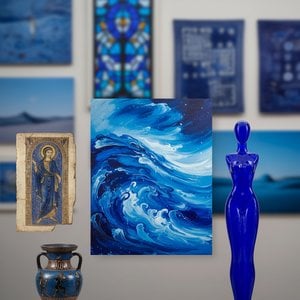
The Allure of Azure: Exploring the Symbolic & Aesthetic Depths of Blue in Art History
Explore the rich history of blue in art! Discover its symbolism, from ancient pigments to modern masterpieces by Kandinsky & Seurat. Uncover the psychological impact and cultural meanings behind this captivating hue.

高級デザインにおけるフレスコ画の隆盛:壁画芸術の再興と新たな表現
ホテルデザインを格上げするフレスコ画の魅力とは?古代から現代までの歴史、技法、デザインプロセスを解説。ArtsDot.comでカスタムオーダーも可能です。空間を彩る壁画芸術の世界をご体験ください。
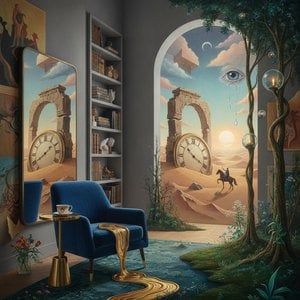
Surrealist Dreamscapes: A Curated Guide to Integrating Breathtaking Surrealism into Sophisticated Home Decor
Transform your home into a breathtaking dreamscape with expert surrealist decor tips. Discover how to curate Salvador Dalí-inspired masterpieces, integrate symbolic textures, and commission bespoke hand-painted oil reproductions that bring the magic of the subconscious to your walls.
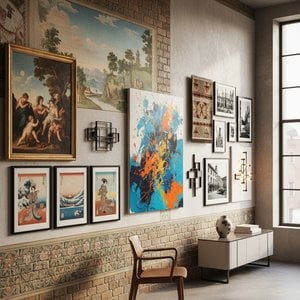
Transforming Spaces: A Comprehensive Exploration of Wall Decor Through Art History & Contemporary Practice
Explore the art of transforming spaces with our comprehensive guide to wall decor. From historical movements to contemporary trends, discover how to curate impactful interiors and commission bespoke artwork for a truly personalized aesthetic.


