


選択した条件に基づいた画像: , .
作品解説
Marc Chagall’s "Old Man and Old Woman" (1915) – a stark black & white Expressionist print depicting intense emotion. Explore this iconic work's symbolism & unique style.
 詳細を表示
詳細を表示
アーティストの略歴
シャガールは、夢幻的な色彩とユダヤの民話が織りなす独特の世界観で知られる20世紀を代表する芸術家。絵画、ステンドグラスなど多彩な作品が生み出し、モダニズム美術に大きな影響を与えました。
手描き油彩複製画
当社のアーティストが、ご希望のサイズと額縁に合わせてキャンバスに手描きで制作する、オーダーメイドの油彩画です。 ( プリント版に切り替え デジタル画像販売へ切り替え)
本作品の著作権について
このページに掲載されている作品は著作権法によって保護されており、当社の許可なく同一の複製物を制作または販売することは法律で禁じられています。この保護は、以下のような国際条約に基づき執行されます。 ベルヌ条約 および、以下の条項に定められたものを含む各国の法律により、 米国著作権法 第17編。
敬意を払った法的な代替手段として、私たちはオリジナルにインスピレーションを与えられた、カスタムの手描きアートワークを提供しています。私たちの熟練したプロのアーティストは、元の作品が持つスタイル、情緒、そして芸術的なエッセンスを注意深く研究し、独自の創作物でありながら、同じ感性を呼び起こすような、新しくユニークな作品を作り上げます。
この手法は、著作権で保護された作品の複製や複写を伴わないため、著作権法に完全に準拠しています。これは単なる模倣ではなく、創造的な再解釈です。元の作品からインスピレーションを受けつつも、それとは異なる、全く新しい絵画を生み出すものです。
この絵画の詳細を見る
 設置イメージを表示
 シェアする
シェアする シェアする
シェアする
 詳細を見る
詳細を見る ガイドを表示

 ダウンロード
 似ている作品
 X線調査
X線調査 スライドショーを表示
 Q&A
Q&A 統計情報
統計情報絵画のご注文は、わずか4つの簡単なステップで完了します
ゆっくりとお選びください。回答はいつでも変更可能です。選択内容に応じて、注文カート内の価格が随時更新されます。
1 全4ステップ中のステップ1
サイズをご選択ください。
これらのサイズは、原画の比率を維持しています。図は、高さ2メートルのソファの上の壁に、選択したサイズを配置した際のイメージです。
または、ご希望のサイズを指定する
作品のオリジナル比率に合わせた、当店の規定サイズからお選びください。

フレームや壁のスペースに合わせて、ご希望の幅と高さを入力してください。本作品は手描きのため、異なる比率のサイズをご希望の場合、絵画の周囲を少し広げて描くか、あるいは端を少しカットして調整することが可能です。お客様のご要望に合わせます。制作を開始する前に、仕上がりを確認するためのデジタルモックアップをお送りいたします。このページに表示されている画像は完成品の実物ではなく、あくまでモックアップによるイメージです。
2 4ステップ中の2番目
どのような状態での配送をご希望ですか:ロール状、キャンバス張り、または額装済み?
以下の価格は、ステップ1で選択されたサイズに基づいています。
キャンバスの側面仕上げを選択
フレームを選択

白の側面仕上げ ¥1

エッジぼかし仕上げ ¥1

回り込み仕上げ ¥1

P118B ¥10

P118H ¥10

P118W ¥10

P438Z ¥10

P508JH ¥12

P508YH ¥12

P805H ¥10

P805Z ¥10

P919BZ ¥10

P919G ¥10

P919XJ ¥10

P959ZH ¥10

P968JZ ¥12

W106C ¥8

W218G ¥10

W218JH ¥8

W218Y ¥10

W307PJ ¥10

W316G ¥10

W316PJ ¥8

W316Y ¥10

W398PJ ¥8

W4111J ¥10

W500HY ¥15

W500JH ¥15

W692G ¥12

W849H ¥8

W940BG ¥15

W953PJ ¥8

H24-GOLD ¥30

H24-SILVER ¥30

H36-GOLD ¥45

H36-SILVER ¥45
額装済み
額縁の形状: . 額縁を含む全体サイズ: .
3 4ステップ中の3ステップ目
絵画の内容に変更をご希望されますか?
ほとんどの方は「いいえ」と答えます。一枚一枚が手描きであるため、アーティストがお客様のご要望に合わせて調整することも可能です。
ご注文後、ArtsDot.com のチームより詳細な手順についてメールをお送りし、仕上がりイメージ(モックアップ)をご提示いたします。
4 4ステップ中、第4ステップ
仕上げのオプション(数種類)
すべて任意です。すでに選択されている回答に追加料金はかかりません。
作者は誰?
美術館にあるような、銘板(ネームプレート)を。
刻印入りブロンズプレートの詳細
This elegant plaque features the artist's name and the title of the artwork, finely engraved for a timeless presentation.
It is made from bronze with a refined, elegant finish. The text is precisely laser-engraved for a sharp and permanent result. Measuring 9x2 cm, the plaque is compact yet easy to read. It's built to be durable and scratch-resistant, offering a professional, museum-quality look. Mounting is simple thanks to the included adhesive backing.
透明アクリル銘板の詳細
The plaque includes essential engraved details such as the artist's name, the title of the artwork, the date it was created, the type of media used-like oil on canvas or watercolor-a brief description of the piece, and a QR code that links to the complete artwork information.
It is crafted from clear acrylic, offering a sleek, modern appearance. The text is UV-engraved in black to ensure strong visual contrast. With a size of 10x15 cm, it ensures optimal readability. It comes equipped with two metal hooks for secure wall mounting. The plaque is designed to be weather-resistant, making it suitable for various environments, and it includes interactive features that work seamlessly with smartphone scanning.
黒アクリル製銘板の詳細
This elegant plaque includes engraved information such as the artist's name, the title of the artwork, the date it was created, the type of media used (like oil on canvas or watercolor), a short description of the artwork, and a QR code for quick access to more information.
The plaque itself is made from refined black acrylic with a premium finish. The text is laser-engraved in white for high contrast and readability. Its size is 10x15 cm, designed to be easy to read. It comes with two metal hooks for professional mounting. The design is sleek and fits any interior style. It is also weather-resistant and durable, with built-in digital integration for mobile compatibility.
保護用ニスをご希望ですか?
お届け希望日をお選びください
✓ 内容を確認して注文する
ご注文通りの絵画内容

Old Vitebsk
再現技法
複製画サイズ一覧
-

至高の熟練アーティスト
より細部までこだわった表現、洗練された技術、そして十分な制作時間
-

複製画用フレーム
-
-
いずれかの辺が105 cm(約41インチ)を超えるアートワークまたは複製画の場合、フレームは分解されたキットの状態でお届けいたします。この方法は、輸送中の破損を防ぎ、安全に配送するために採用しております。
組み立てには専門知識が必要です(DIY用製品ではありません)。
本キットは、経験豊富なプロの額装師が、木工用ボンド(別売)、キャンバス用プライヤー、およびボンドの乾燥時に桟を直角に保持するためのクランプを使用して、組み立ておよびキャンバスの張り作業を行う必要があります。不適切な組み立てやキャンバスの張りの不均一は、作品に永久的な損傷を与える恐れがあり、弊社の保証対象外となります。
 いずれかの辺が105 cm(約41インチ)を超えるアートワークまたは複製画の場合、フレームは分解されたキットの状態でお届けいたします。この方法は、輸送中の破損を防ぎ、安全に配送するために採用しております。
すべての無垢材のパーツが含まれており、組み立てに最適なサイズに正確にカットされています。
付属のネジを使用し、角の接合部には別途木工用ボンドをご用意ください(ボンドは付属しておりません)。ボンドは額装業者様にてご手配をお願いいたします。
プロ仕様の道具が必要ですが、キットには含まれていません:キャンバス用ストレッチングプライヤー(テンショナー)、および接着剤が乾燥するまで木枠を直角に固定するためのクランプ。
重要:
コーナーの接合部には木工用ボンドが必要です。また、ボンドが完全に乾くまでクランプでバーを固定しておく必要があり、組み立てたフレームにキャンバスを張るにはキャンバス用ストレッチングプライヤーが必要となります。これらの道具はキットに含まれておりません。このサイズをご注文される前に、経験豊富なプロの額装師(フライマー)の手配をお願いいたします。

キャプション
-
-

保護用ワニス
光沢ワニス(色彩を鮮やかに引き立て、光や湿気から保護します)
-

作品をカスタマイズ
カスタマイズの例:顔をお客様の写真に差し替える、ペットを追加する(例:猫を犬に変更)、背景に隠しメッセージを入れる、背景の風景や要素を変更する。
-

お急ぎ便
世界中への配送()は、通常の5週間ではなく、3〜4週間でお届けいたします。(8 11月)。品質には一切の妥協を許しません。
-
お急ぎ便
世界中への配送()は、5週間ほどでお届けします。(15 11月)。
込み
合計金額
¥ 41630
ガラスオプションは、110cm未満のサイズでのみご利用いただけます。
すべての注文に同梱
- 世界中へ無料エクスプレス配送
- 高品質なリネンキャンバス
- 配送時完全保険付
- 関税・輸入税の払い戻し保証
- 真の色彩再現に関する保証
- 100日間返品保証(製造上の欠陥がある場合のみ)
- 100% 全額返金保証
- まとめ買い割引のご案内


A Symphony in Monochrome: Exploring Marc Chagall’s “Old Man and Old Woman”
The painting "Old Man and Old Woman," created by Marc Chagall in 1915, stands as an arresting testament to the artist's mastery of Expressionism and his profound engagement with themes of memory, faith, and human connection. Produced during a period marked by significant upheaval – the outbreak of World War I profoundly impacted Europe’s artistic landscape – Chagall’s print transcends mere documentation of circumstance; it embodies a deeply internalized emotional response to the anxieties of the era. The stark black and white palette immediately establishes an atmosphere of intense drama, prioritizing tonal variation over meticulous detail—a deliberate choice that underscores the primacy of feeling within the artwork's core.- Style & Technique: Chagall’s approach aligns perfectly with Expressionist principles, rejecting academic realism in favor of subjective representation. He employs a loose, gestural brushstroke – visible throughout the composition – conveying movement and dynamism. The flattened perspective contributes to an illusionistic depth that prioritizes emotional impact over accurate spatial depiction.
- Composition: The central figures—an elderly man and woman—are positioned in an upward trajectory, seemingly defying gravity. This unconventional posture symbolizes aspiration, resilience, and the enduring spirit of humanity amidst adversity. Their intertwined hands represent unity, compassion, and the steadfastness of familial bonds.
Symbolism: Layers of Meaning Beyond Appearances
Beyond its immediate visual impact, “Old Man and Old Woman” is replete with symbolic references rooted in Chagall’s Jewish heritage. The woman's shawl—a recurring motif in his oeuvre—evokes images of traditional Jewish textiles and symbolizes protection, femininity, and spiritual solace. The man’s gaze directs upward, mirroring the woman’s posture and reinforcing the overarching theme of transcendence. Furthermore, the surrounding landscape—rendered in muted tones—suggests a dreamlike realm where earthly concerns recede into insignificance.Historical Context: Expressionism Amidst War
The painting emerged from the crucible of World War I, reflecting the pervasive sense of disillusionment and trauma that gripped European society. Chagall’s Expressionist style served as a conduit for conveying these emotions—fear, anxiety, and uncertainty—with unflinching honesty. Unlike Impressionists who sought to capture fleeting moments of beauty, Expressionists aimed to expose the inner turmoil of the human psyche.Emotional Resonance: A Portrait of Resilience
“Old Man and Old Woman” continues to resonate powerfully with viewers today due to its enduring exploration of fundamental human experiences. The painting’s melancholic yet hopeful tone captures the bittersweet beauty of memory—the recognition that even amidst suffering, love, faith, and aspiration endure. Chagall's masterful manipulation of tonal color and expressive brushwork ensures that this artwork remains a timeless masterpiece, inviting contemplation on themes of vulnerability, strength, and the enduring power of human connection.Q&A
マルク・シャガール作「Old Vitebsk」は、どの芸術流派に属していますか?
マルク・シャガール作「Old Vitebsk」はExpressionismに属しています。このムーブメントは、本作の様式的な背景を形作るものです。
マルク・シャガール作「Old Vitebsk」の複製画は、どのような用途におすすめですか?
マルク・シャガール作「Old Vitebsk」の複製画は、Accentに最適です。作品の主題、情緒、そして色彩に基づいたおすすめの活用方法です。
マルク・シャガール作「Old Vitebsk」は、どのような空間に飾るのがおすすめですか?
「Old Vitebsk」の複製画は、Hotel Lobbyに美しく調和します。
関連作品


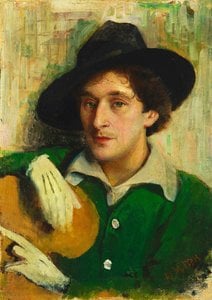
マルク・シャガール
1887 - 1985, ベラルーシ
作家プロフィール
夢と色彩の詩人:マルク・シャガールの生涯
マルク・シャガール。その名は、鮮やかな色彩と幻想的なイメージが瞬時に浮かび上がるでしょう。1887年、ベラルーシのヴィテブスク近郊リオーズネ村にモーシェ・シャガルとして生まれた彼は、20世紀を代表する芸術家の一人として、絵画を通して独自の詩の世界を創造しました。彼の作品は、幼少期に育まれたユダヤ教の伝統や民話、そして故郷ヴィテブスクへの深い愛情が色濃く反映されており、現実と夢、記憶と感情が織りなす独特の美学を確立しました。「私は絵を描き終えるとき、自然が作り出したものをそれに当てはめてみます—岩、花、木の枝、あるいは自分の手です。もしその絵が人間の手で作りえないものとならぶことができれば、その絵は本物です。もし二つが衝突すれば、それは悪い芸術です。」シャガール自身の言葉が示すように、彼の作品は、内なる感情と精神性を追求したものであり、単なる現実の模倣を超越した表現を試みたのです。ヴィテブスクとパリ:芸術的探求の旅
幼少期を故郷ヴィテブスクで過ごしたシャガールにとって、その町は単なる生まれ故郷以上の意味を持ちました。それは彼の芸術的な宇宙の中心であり、空中に浮かぶ人物や奇妙な動物たちが住む、記憶に彩られた風景でした。ロシア正教の教会と賑やかなユダヤ人市場が共存するヴィテブスクの多様な文化は、彼独自の美意識を育み、その後の彼の芸術的探求に大きな影響を与えました。サンクトペテルブルクで地元のサイン画家から絵画を学び、その後レオン・バクストの下で研鑽を積んだシャガールは、パリへと旅立ちます。そこで彼は、キュビスムや象徴主義といった当時の最先端の芸術運動に触発されながらも、自身の内なる世界と故郷への想いを融合させた独自のスタイルを確立していきます。初期作品である『私と村』(1911年)は、場所の描写を超え、自己、記憶、そして個人と共同体の関係を探求する試みとして、彼の芸術的才能を示唆しています。革命と流浪:苦難の中で開花する創造性
第一次世界大戦が勃発すると、シャガールは一時的にロシアに留まり、ヴィテブスクで芸術学校を設立するなど、文化的な活動に積極的に参加しました。しかし、ロシア革命後の混乱期には、政治的な抑圧と経済的な困難に直面し、その創造性は試練にさらされます。1923年、彼は再びパリへと旅立ち、国際的な評価を得るようになります。『ヴィテブスクの上空』(1920-1922年)は、故郷への想いが色濃く反映された作品であり、彼の芸術的成熟度を示しています。第二次世界大戦の勃発により、ナチス占領下のフランスからアメリカへと逃れ、7年間をニューヨークで過ごすことになります。この時期は、精神的な苦悩と芸術的な実験が交錯するものであり、『白い十字架』(1938年)に見られるように、彼の作品に深い悲しみと不安の色合いが加わりました。戦後、彼はフランスに戻り、生涯をかけて絵筆を握り続けました。遺産:色彩と夢の普遍的なメッセージ
晩年は、パリ歌劇場天井画(1964年)やエルサレムのハダッサ・ヘブライ大学医学部病院のシナゴーグステンドグラスなど、数々の重要なプロジェクトを完成させます。これらの大規模な作品は、彼の芸術的ビジョンを建築空間に具現化し、見る者を魅了する没入型の環境を作り出しました。シャガールの影響は、シュルレアリスムを含む後世の多くの芸術家に及んでいます。彼は、ヨーロッパの近代主義とユダヤ文化のアイデンティティを結びつけ、「20世紀における最も重要なユダヤ人芸術家」として称賛されています。彼の作品は、愛、記憶、そして人間の想像力の無限の可能性を祝福するものであり、世界中の観客に普遍的なメッセージを伝えています。ヴィースバイエルン州のニースにあるマルク・シャガール美術館は、彼の遺産を称え、彼の作品群を展示しています。彼の鮮やかな色彩と夢のようなイメージは、これからも人々の心に深く刻まれ続けるでしょう。


関連記事

Dark Masterpieces: 10 Iconic Paintings Dominated by Black Tones |
Explore 10 iconic paintings dominated by black tones, from Rembrandt’s chiaroscuro to Goya's dark expressions. Discover the stories behind these masterpieces & find museum-quality art reproductions for your home at .
Mars Black Masterpieces: 10 Iconic Paintings & Timeless Art Decor Ideas
Delve into the power of 'Mars Black' with 10 iconic paintings by masters like Rembrandt & Caravaggio. Explore dramatic chiaroscuro, gothic art, and timeless beauty. Find museum-quality reproductions & elevate your home decor on .

German Expressionism's 10 Defining Masterpieces | Art for Your Home
Explore 10 defining German Expressionism masterpieces – from Munch's 'The Scream' to Kandinsky’s abstracts. Discover the artists, stories & bold colors behind this powerful art movement. Find museum-quality reproductions at ArtsDot.com.