


 プレビュー
プレビュー
 シェアする
シェアする シェアする
シェアする
 詳細を見る
詳細を見る

 ダウンロード
 似ている作品
 X線調査
X線調査 スライドショー
Noah's Ark
 Acrylic On Canvas
- WallArt
- Naïve Expressionism
 1963
1963 33.0 x 28.0 cm
 詳細を見る
詳細を見る
ジークレー/アートプリント
迅速な制作と多彩な仕上げオプションを備えた、ミュージアムクオリティのジークレーまたはキャンバスプリント。 ( 手描きの絵画を購入 画像を購入)




P118B $10

P118H $10

P118W $10

P438Z $10

P508JH $12

P508YH $12

P805H $10

P805Z $10

P919BZ $10

P919G $10

P919XJ $10

P959ZH $10

P968JZ $12

W106C $8

W218G $10

W218JH $8

W218Y $10

W307PJ $10

W316G $10

W316PJ $8

W316Y $10

W398PJ $8

W4111J $10

W500HY $15

W500JH $15

W692G $12

W849H $8

W940BG $15

W953PJ $8




作品のオリジナル比率に合わせた、当店の規定サイズからお選びください。

特定のフレームやスペースに合わせて、ご自身でサイズを指定することも可能です。選択されたサイズが元の画像の比率と一致しない場合、作品をトリミングするか、鏡面反射または単色での塗りつぶしによって画像を拡張いたします。制作を開始する前に、ご確認用のデジタルモックアップをお送りいたします。
画面上のプレビューには、実際のトリミングや拡張は反映されませんのでご注意ください。最終的な構図を正確に確認できるのは、モックアップのみとなります。
カスタムサイズも承っておりますが、元の比率を維持するためには、あらかじめ用意されたリストからサイズを選択することをお勧めいたします。


 ガラスオプションは、110cm未満のサイズでのみご利用いただけます。

Noah's Ark
ジークレー/アートプリント
複製画のサイズ
-


合計金額
$ 62
A Symphony of Dreams: Decoding Marc Chagall’s Noah's Ark
Marc Chagall, born Moishe Shagal in 1887 in the unassuming Belarusian town of Liozna near Vitebsk, wasn’t merely a painter; he was an architect of imagination, a conduit for folklore, and a poignant witness to the turbulent tapestry of the 20th century. Yet, amidst the anxieties of his time—the horrors of war, the upheavsals of revolution—Chagall steadfastly clung to a singular vision: one born from the luminous landscapes of his childhood and imbued with an unwavering belief in the transformative power of dreams. Vitebsk itself served as an indelible imprint on his artistic soul, appearing repeatedly across his canvases as a stylized Eden, populated by figures suspended in ethereal flight and bathed in hues reminiscent of remembered summers. This peculiar blend of observation and fantasy—rooted in the Orthodox churches and bustling Jewish marketplaces of Vitebsk—established an aesthetic sensibility that defied categorization and would define Chagall’s oeuvre for decades to come.The Naïve Vision: Embracing Simplicity and Emotion
Chagall's artistic approach, dubbed “Naïve Art” or Primitivism by critics, deliberately eschewed academic conventions. Rejecting meticulous realism, he prioritized expressive color and distorted perspective—techniques borrowed from folk art traditions—to convey profound emotional resonance. This stylistic choice wasn’t a conscious rebellion against the prevailing artistic currents of his era; rather, it represented a homecoming to an inner landscape untouched by rational thought. Instead of striving for photographic accuracy, Chagall sought to capture the essence of feeling, translating memories and myths into vibrant visual narratives. The resulting images possess a captivating immediacy—a quality that speaks directly to the subconscious mind and bypasses intellectual analysis.A Biblical Narrative Illuminated: Symbolism Within Chaos
“Noah’s Ark,” created in 1963, exemplifies Chagall's signature style perfectly. This pastel drawing depicts a sprawling forest scene dominated by towering trees and illuminated by an otherworldly glow—a deliberate departure from the formal landscapes favored by Impressionists and Post-Impressionists. At its center stands the ark itself, populated by a multitude of figures – men, women, children, animals – engaged in activities that simultaneously convey serenity and unease. The inclusion of dogs, cows, birds, and fish isn’t merely decorative; each animal carries symbolic weight, referencing biblical narratives and Jewish folklore. Dogs represent loyalty and guardianship, cows symbolize fertility and abundance, birds embody hope and ascension, and fish signify salvation and rebirth.Color as Emotion: Chagall's Palette Speaks Volumes
Chagall’s masterful use of color is arguably the most striking element of “Noah’s Ark.” Employing a bold palette—dominated by yellows, blues, reds, and greens—he abandons naturalistic hues in favor of colors that amplify emotional intensity. The luminous yellow of the ark’s interior casts an ethereal light upon the figures within, suggesting divine grace and protection. Contrasting shades of blue evoke the vastness of the heavens and convey a sense of melancholy contemplation. Vibrant reds punctuate the composition, symbolizing passion and vitality amidst the prevailing gloom. These colors aren't merely aesthetically pleasing; they are deliberately chosen to communicate Chagall’s innermost feelings—a yearning for spiritual solace and an acceptance of life’s inherent contradictions.Legacy of Dreamlike Impressionism
“Noah’s Ark” stands as a testament to Chagall’s enduring legacy as one of the foremost practitioners of dreamlike impressionism. Its captivating blend of symbolism, expressive color, and distorted perspective continues to inspire artists and collectors alike. Reproductions of this iconic work offer an opportunity to experience firsthand the profound emotional impact of Chagall's vision—a vision that transcends time and culture, reminding us that art can illuminate the deepest recesses of the human spirit.関連作品


アーティストの略歴
夢と色彩の詩人:マルク・シャガールの生涯
マルク・シャガール。その名は、鮮やかな色彩と幻想的なイメージが瞬時に浮かび上がるでしょう。1887年、ベラルーシのヴィテブスク近郊リオーズネ村にモーシェ・シャガルとして生まれた彼は、20世紀を代表する芸術家の一人として、絵画を通して独自の詩の世界を創造しました。彼の作品は、幼少期に育まれたユダヤ教の伝統や民話、そして故郷ヴィテブスクへの深い愛情が色濃く反映されており、現実と夢、記憶と感情が織りなす独特の美学を確立しました。「私は絵を描き終えるとき、自然が作り出したものをそれに当てはめてみます—岩、花、木の枝、あるいは自分の手です。もしその絵が人間の手で作りえないものとならぶことができれば、その絵は本物です。もし二つが衝突すれば、それは悪い芸術です。」シャガール自身の言葉が示すように、彼の作品は、内なる感情と精神性を追求したものであり、単なる現実の模倣を超越した表現を試みたのです。ヴィテブスクとパリ:芸術的探求の旅
幼少期を故郷ヴィテブスクで過ごしたシャガールにとって、その町は単なる生まれ故郷以上の意味を持ちました。それは彼の芸術的な宇宙の中心であり、空中に浮かぶ人物や奇妙な動物たちが住む、記憶に彩られた風景でした。ロシア正教の教会と賑やかなユダヤ人市場が共存するヴィテブスクの多様な文化は、彼独自の美意識を育み、その後の彼の芸術的探求に大きな影響を与えました。サンクトペテルブルクで地元のサイン画家から絵画を学び、その後レオン・バクストの下で研鑽を積んだシャガールは、パリへと旅立ちます。そこで彼は、キュビスムや象徴主義といった当時の最先端の芸術運動に触発されながらも、自身の内なる世界と故郷への想いを融合させた独自のスタイルを確立していきます。初期作品である『私と村』(1911年)は、場所の描写を超え、自己、記憶、そして個人と共同体の関係を探求する試みとして、彼の芸術的才能を示唆しています。革命と流浪:苦難の中で開花する創造性
第一次世界大戦が勃発すると、シャガールは一時的にロシアに留まり、ヴィテブスクで芸術学校を設立するなど、文化的な活動に積極的に参加しました。しかし、ロシア革命後の混乱期には、政治的な抑圧と経済的な困難に直面し、その創造性は試練にさらされます。1923年、彼は再びパリへと旅立ち、国際的な評価を得るようになります。『ヴィテブスクの上空』(1920-1922年)は、故郷への想いが色濃く反映された作品であり、彼の芸術的成熟度を示しています。第二次世界大戦の勃発により、ナチス占領下のフランスからアメリカへと逃れ、7年間をニューヨークで過ごすことになります。この時期は、精神的な苦悩と芸術的な実験が交錯するものであり、『白い十字架』(1938年)に見られるように、彼の作品に深い悲しみと不安の色合いが加わりました。戦後、彼はフランスに戻り、生涯をかけて絵筆を握り続けました。遺産:色彩と夢の普遍的なメッセージ
晩年は、パリ歌劇場天井画(1964年)やエルサレムのハダッサ・ヘブライ大学医学部病院のシナゴーグステンドグラスなど、数々の重要なプロジェクトを完成させます。これらの大規模な作品は、彼の芸術的ビジョンを建築空間に具現化し、見る者を魅了する没入型の環境を作り出しました。シャガールの影響は、シュルレアリスムを含む後世の多くの芸術家に及んでいます。彼は、ヨーロッパの近代主義とユダヤ文化のアイデンティティを結びつけ、「20世紀における最も重要なユダヤ人芸術家」として称賛されています。彼の作品は、愛、記憶、そして人間の想像力の無限の可能性を祝福するものであり、世界中の観客に普遍的なメッセージを伝えています。ヴィースバイエルン州のニースにあるマルク・シャガール美術館は、彼の遺産を称え、彼の作品群を展示しています。彼の鮮やかな色彩と夢のようなイメージは、これからも人々の心に深く刻まれ続けるでしょう。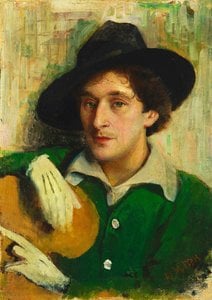
マルク・シャガール
1887 - 1985 , ベラルーシ
基本情報
- フルネーム: マルク・シャガール
- 主な作品:
- 私と村
- 白十字架
- イェルサレムの窓
- 出生地: リヴォナ(ベラルーシ)
- 国籍: ロシア、フランス、ユダヤ系
- 影響を与えたアーティスト:
- パブロ・ピカソ
- ジョアン・ミロ
- 影響を受けたアーティスト:
- レオン・バクスト
- ロベルト・デラunay
- 死亡年月日: 1985年3月28日
- 生年月日: 1887年7月6日
- 芸術運動・スタイル: モダニズム、キュビスム、象徴主義
関連記事

German Expressionism's 10 Defining Masterpieces | Art for Your Home
Explore 10 defining German Expressionism masterpieces – from Munch's 'The Scream' to Kandinsky’s abstracts. Discover the artists, stories & bold colors behind this powerful art movement. Find museum-quality reproductions at ArtsDot.com.

The Unconventional Vision: Exploring the Characteristics, History & Enduring Appeal of Naïve Art
Explore the captivating world of naïve art! Discover its history, characteristics, key artists & collecting tips from ArtsDot's experts. Find your perfect piece today.

Franz Marc: Expressionism, Spirituality & the Animal Symbolism of a Modern Master
Explore the profound world of Franz Marc's Expressionist paintings. Discover his spiritual connection to animals, innovative use of color, and lasting impact on modern art history. Learn more at ArtsDot.
The Untamed Vision: Exploring Naïve Art & Primitivism's Rejection of Convention
Explore the revolutionary world of Naïve Art & Primitivism! Discover how artists challenged academic traditions with raw emotion & unique styles. Learn about Picasso, Rousseau & more at ArtsDot.

Illuminating Faith: Biblical Narrative & Artistic Expression Through the Ages
Explore the rich history of biblical art from Giotto to the Renaissance masters with ArtsDot. Discover symbolism, techniques & enduring legacies. Museum-quality reproductions & expert insights.



