プレビュー
プレビュー
 シェアする
シェアする シェアする
シェアする
 詳細を見る
詳細を見る

 ダウンロード
 似ている作品
 X線調査
X線調査 スライドショー
Composition
 キャンバスに油彩
- ウォールアート
- Surrealism
 1976
1976- モダン
 81.0 x 100.0 cm
 詳細を見る
詳細を見る
ジークレー/アートプリント
迅速な制作と多彩な仕上げオプションを備えた、ミュージアムクオリティのジークレーまたはキャンバスプリント。 ( 手描きの絵画を購入 画像を購入)




P118B $10

P118H $10

P118W $10

P438Z $10

P508JH $12

P508YH $12

P805H $10

P805Z $10

P919BZ $10

P919G $10

P919XJ $10

P959ZH $10

P968JZ $12

W106C $8

W218G $10

W218JH $8

W218Y $10

W307PJ $10

W316G $10

W316PJ $8

W316Y $10

W398PJ $8

W4111J $10

W500HY $15

W500JH $15

W692G $12

W849H $8

W940BG $15

W953PJ $8




作品のオリジナル比率に合わせた、当店の規定サイズからお選びください。

特定のフレームやスペースに合わせて、ご自身でサイズを指定することも可能です。選択されたサイズが元の画像の比率と一致しない場合、作品をトリミングするか、鏡面反射または単色での塗りつぶしによって画像を拡張いたします。制作を開始する前に、ご確認用のデジタルモックアップをお送りいたします。
画面上のプレビューには、実際のトリミングや拡張は反映されませんのでご注意ください。最終的な構図を正確に確認できるのは、モックアップのみとなります。
カスタムサイズも承っておりますが、元の比率を維持するためには、あらかじめ用意されたリストからサイズを選択することをお勧めいたします。


 ガラスオプションは、110cm未満のサイズでのみご利用いただけます。

Composition
ジークレー/アートプリント
複製画のサイズ
-


合計金額
$ 62
作品詳細説明
Composition (1976; Saint-paul-de-vence, France) by Marc Chagall
Marc Chagall’s “Composition,” painted in 1976 during his residency in Saint-Paul-de-Vence, France, stands as a testament to the artist's enduring fascination with Surrealism and his profound connection to Jewish heritage. Measuring 81 x 100 cm and executed in oil on canvas, this artwork transcends mere visual representation; it’s an immersive journey into Chagall’s dreamscape—a realm where reality bends to imagination’s will.Visual Elements: A Symphony of Figures and Color
The painting immediately captivates with its dynamic arrangement of human figures interwoven amongst musical instruments. At least six individuals populate the scene, positioned in varied postures – some standing serenely, others seated thoughtfully or reclining languidly—creating a tableau brimming with movement and contemplation. Dominating the center is a man holding a violin, symbolizing artistic expression and conveying a sense of melancholy. Surrounding him are musicians playing cello, trumpet, clarinet, and harp, contributing to an atmosphere rich in sonic imagery. Beyond the figures themselves lies a striking animal presence – likely a horse—which adds an element of mystery and perhaps represents resilience or nobility. Chagall’s masterful use of color is equally remarkable. Vibrant hues dominate the canvas, ranging from fiery reds and yellows to deep blues and greens, creating a luminous tapestry that pulsates with life. These colors aren't merely decorative; they are imbued with symbolic significance, reflecting Chagall’s emotional landscape and drawing inspiration from his memories of Vitebsk and Russia.Stylistic Considerations: Surrealism Embodied
“Composition” exemplifies Chagall’s signature Surrealist style—characterized by illogical juxtapositions, dreamlike imagery, and a deliberate distortion of perspective. Like many of his works, it abandons conventional realism in favor of conveying emotion and psychological states. The artist employs techniques reminiscent of Cubism and Fauvism, blending fragmented forms with bold color palettes to achieve an effect that is both unsettling and beautiful. Light and shadow play a crucial role in shaping the artwork’s atmosphere, deepening its dimensionality and enhancing the sense of depth. Chagall's meticulous brushstrokes contribute to the texture of the canvas, creating a surface that invites tactile exploration—a characteristic feature of his oeuvre.Historical Context: Echoes of Vitebsk and Jewish Identity
Born Moishe Shagal in 1887 in Liozna, Belarus (then part of the Russian Empire), Chagall’s artistic vision was deeply rooted in his formative years spent in Vitebsk—a city steeped in cultural traditions and marked by the coexistence of Orthodox churches and Jewish marketplaces. This duality profoundly influenced his aesthetic sensibility, informing his recurring motifs of flying figures, whimsical animals, and landscapes imbued with nostalgia. Chagall's engagement with Surrealism coincided with a period of artistic experimentation and intellectual ferment across Europe, reflecting anxieties about modernity and grappling with questions of identity. His work serves as a poignant reminder of the artist’s Jewish heritage and his unwavering belief in the transformative power of imagination—themes that resonate throughout his entire oeuvre.Emotional Impact: A Window into Chagall's Soul
“Composition” isn’t simply a depiction of musicians; it’s an exploration of human emotion—specifically, longing, remembrance, and artistic aspiration. The painting evokes a feeling of serenity mingled with melancholy, inviting viewers to contemplate the complexities of existence and the enduring beauty of dreams. Like many of Chagall's masterpieces, it speaks to universal themes of spirituality, creativity, and connection to one’s roots. It remains an unforgettable testament to Chagall’s artistic genius—a captivating glimpse into the artist’s inner world and a celebration of Surrealism’s ability to transcend literal representation.関連作品


アーティストの略歴
夢と色彩の詩人:マルク・シャガールの生涯
マルク・シャガール。その名は、鮮やかな色彩と幻想的なイメージが瞬時に浮かび上がるでしょう。1887年、ベラルーシのヴィテブスク近郊リオーズネ村にモーシェ・シャガルとして生まれた彼は、20世紀を代表する芸術家の一人として、絵画を通して独自の詩の世界を創造しました。彼の作品は、幼少期に育まれたユダヤ教の伝統や民話、そして故郷ヴィテブスクへの深い愛情が色濃く反映されており、現実と夢、記憶と感情が織りなす独特の美学を確立しました。「私は絵を描き終えるとき、自然が作り出したものをそれに当てはめてみます—岩、花、木の枝、あるいは自分の手です。もしその絵が人間の手で作りえないものとならぶことができれば、その絵は本物です。もし二つが衝突すれば、それは悪い芸術です。」シャガール自身の言葉が示すように、彼の作品は、内なる感情と精神性を追求したものであり、単なる現実の模倣を超越した表現を試みたのです。ヴィテブスクとパリ:芸術的探求の旅
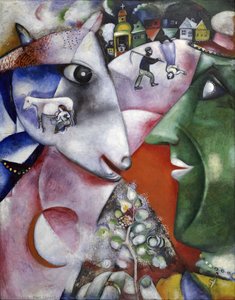
幼少期を故郷ヴィテブスクで過ごしたシャガールにとって、その町は単なる生まれ故郷以上の意味を持ちました。それは彼の芸術的な宇宙の中心であり、空中に浮かぶ人物や奇妙な動物たちが住む、記憶に彩られた風景でした。ロシア正教の教会と賑やかなユダヤ人市場が共存するヴィテブスクの多様な文化は、彼独自の美意識を育み、その後の彼の芸術的探求に大きな影響を与えました。サンクトペテルブルクで地元のサイン画家から絵画を学び、その後レオン・バクストの下で研鑽を積んだシャガールは、パリへと旅立ちます。そこで彼は、キュビスムや象徴主義といった当時の最先端の芸術運動に触発されながらも、自身の内なる世界と故郷への想いを融合させた独自のスタイルを確立していきます。初期作品である『私と村』(1911年)は、場所の描写を超え、自己、記憶、そして個人と共同体の関係を探求する試みとして、彼の芸術的才能を示唆しています。革命と流浪:苦難の中で開花する創造性
第一次世界大戦が勃発すると、シャガールは一時的にロシアに留まり、ヴィテブスクで芸術学校を設立するなど、文化的な活動に積極的に参加しました。しかし、ロシア革命後の混乱期には、政治的な抑圧と経済的な困難に直面し、その創造性は試練にさらされます。1923年、彼は再びパリへと旅立ち、国際的な評価を得るようになります。『ヴィテブスクの上空』(1920-1922年)は、故郷への想いが色濃く反映された作品であり、彼の芸術的成熟度を示しています。第二次世界大戦の勃発により、ナチス占領下のフランスからアメリカへと逃れ、7年間をニューヨークで過ごすことになります。この時期は、精神的な苦悩と芸術的な実験が交錯するものであり、『白い十字架』(1938年)に見られるように、彼の作品に深い悲しみと不安の色合いが加わりました。戦後、彼はフランスに戻り、生涯をかけて絵筆を握り続けました。遺産:色彩と夢の普遍的なメッセージ
晩年は、パリ歌劇場天井画(1964年)やエルサレムのハダッサ・ヘブライ大学医学部病院のシナゴーグステンドグラスなど、数々の重要なプロジェクトを完成させます。これらの大規模な作品は、彼の芸術的ビジョンを建築空間に具現化し、見る者を魅了する没入型の環境を作り出しました。シャガールの影響は、シュルレアリスムを含む後世の多くの芸術家に及んでいます。彼は、ヨーロッパの近代主義とユダヤ文化のアイデンティティを結びつけ、「20世紀における最も重要なユダヤ人芸術家」として称賛されています。彼の作品は、愛、記憶、そして人間の想像力の無限の可能性を祝福するものであり、世界中の観客に普遍的なメッセージを伝えています。ヴィースバイエルン州のニースにあるマルク・シャガール美術館は、彼の遺産を称え、彼の作品群を展示しています。彼の鮮やかな色彩と夢のようなイメージは、これからも人々の心に深く刻まれ続けるでしょう。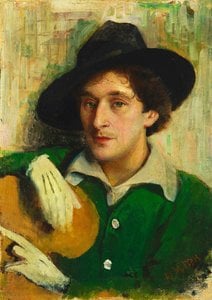
マルク・シャガール
1887 - 1985 , ベラルーシ
基本情報
- フルネーム: マルク・シャガール
- 主な作品:
- 私と村
- 白十字架
- イェルサレムの窓
- 出生地: リヴォナ(ベラルーシ)
- 国籍: ロシア、フランス、ユダヤ系
- 影響を与えたアーティスト:
- パブロ・ピカソ
- ジョアン・ミロ
- 影響を受けたアーティスト:
- レオン・バクスト
- ロベルト・デラunay
- 死亡年月日: 1985年3月28日
- 生年月日: 1887年7月6日
- 芸術運動・スタイル: モダニズム、キュビスム、象徴主義
関連記事

マルク・シャガールの傑作25選:夢と色彩に満ちた芸術の世界 | ArtsDot
マルク・シャガールの傑作25選🎨 夢と色彩に満ちた世界を旅する。愛、故郷、そして希望を描いた名画の物語を紐解き、シャガール作品の魅力を再発見。ArtsDotで高品質な複製画やインテリアアートをお探しください。今すぐコレクションをご覧ください!

ルネ・マグリット傑作25選:幻想と現実の交差点|ArtsDot
ルネ・マグリット傑作25選。シュルレアリスムを代表するベルギー絵画の巨匠、その幻想的な世界と隠されたメッセージを紐解きます。ArtsDotで高品質なアートプリントや複製画を見つけ、お部屋に名画の感動を。今すぐコレクションをご覧ください。

The Eloquence of Arrangement: Compositional Strategies in Western Art from the Renaissance to Modernism
Explore the evolution of compositional strategies in Western art! Discover how masters like Raphael & Zurbaran used perspective, proportion, and dynamic arrangement to create timeless masterpieces. Enhance your art appreciation today!

サルバドール・ダリ傑作25選:夢と深層心理を探求する美術の世界 | ArtsDot
サルバドール・ダリの傑作25選。夢、深層心理、シュルレアリスムの世界を旅する美術史ツアー🎨 ArtsDotで高品質な版画や絵画をお楽しみください。リビングやオフィスに名画を飾りませんか?今すぐコレクションをご覧ください!
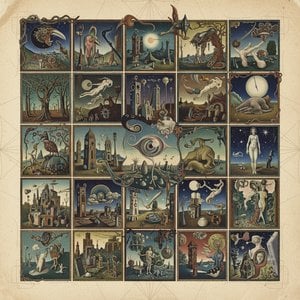
マックス・エルンスト傑作25選:シュルレアリスムの深淵と装飾への誘い
マックス・エルンストの傑作25選。シュルレアリスムを代表する画家、その夢と無意識の世界を描いた絵画や版画を紐解きます。リビングやオフィスに飾るモダンアート、インテリアに最適な作品を見つけませんか?ArtsDot.comで全コレクションをオンラインで探す。