


 設置イメージを確認
 送る
送る シェア
シェア
 詳細情報
詳細情報 ガイドを表示

 画像をダウンロード
 似ている作品
 X線調査
X線調査 スライドショー
 統計情報
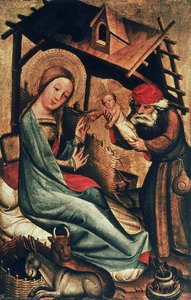
統計情報Nativity
 続きを読む
続きを読む
ジークレー/アートプリント
スピーディーな制作と多彩な仕上げオプションが魅力の、ミュージアムクオリティなジークレー・キャンバスプリント。 ( 手描きの複製画を注文する デジタル画像販売へ切り替え)




































作品のオリジナル比率に合わせた、当店の規定サイズからお選びください。

額縁や壁のスペースに合わせて、ご希望の幅と高さを入力してください。プリントはカットすることは可能ですが、元の画像より大きくすることはできないため、異なる比率のサイズを選択された場合は、画像の一部が欠けることになります。印刷を開始する前に、内容を確認していただくためのデジタルモックアップをお送りいたします。このページに表示されている画像は、実際のカット後の状態を示すものではありません。実際の仕上がりはモックアップにてご確認ください。


 ガラスオプションは、110cm未満のサイズでのみご利用いただけます。

Nativity
ジークレー/アートプリント
複製画サイズ一覧
-


合計金額
¥ 9717
関連作品


アーティストについて
The Master of the Soft Style
In the vibrant heart of Westphalia, during the turn of the 15th century, Konrad von Soest emerged as a transformative figure in Northern European painting. As the most significant artist of his region, he acted as a vital conduit for the International Gothic movement, bringing the refined elegance of the courtly style to the prosperous Hanseatic city of Dortmund. His work is characterized by what art historians often call the "soft style," a delicate approach that favored graceful, flowing lines and a profound sense of lyrical beauty. Through his mastery of color and narrative, von Soest did more than merely decorate altarpieces; he breathed a new, sophisticated vitality into German religious art, influencing the trajectory of Northern European painting well into the late 15th century.
The artistic language of von Soest was deeply shaped by his exposure to broader European trends. His detailed command of intricate patterns and delicate techniques suggests a formative period spent as a journeyman in Paris, where he likely studied the exquisite details of French illuminated manuscripts. This connection to Parisian elegance, blended with the emerging influences of early Netherlandish painting, allowed him to create works that felt both cosmopolitain and deeply rooted in local devotion. His workshop became a thriving center of creativity, attracting the patronage of Dortmund’s wealthy patrician elite, a social circle that shared his taste for the refined and the magnificent.
A Legacy in Gold and Color
The enduring impact of Konrad von Soest is best witnessed through his surviving masterpieces, which continue to captivate with their luminous depth and emotional resonance. His most celebrated achievement, the Marienaltar located in the Marienkirche in Dortmund, stands as a monumental testament to his skill. This large triptych, completed toward the end of his life, showcases the pinnacle of the International Courtly Style through its masterful use of gilding and rich, vibrant pigments. The altarpiece weaves together narrative scenes from the life of the Virgin Mary with a level of detail that invites both spiritual contemplation and aesthetic wonder.
Beyond the grand scale of his altarpieces, von Soest’s ability to convey profound human emotion is evident in his more intimate works. In pieces such as The Crucifixion, he captures the spiritual anguish and sorrow of the Christian narrative with a meticulousness that transcends mere representation. His talent for layering colors to achieve a sense of light and luminosity is equally present in the Wildunger Altar, where scenes like the Nativity are rendered with a characteristic medieval vibrancy. Whether depicting the tender grace of the Holy Family or the heavy grief of the Passion, von Soest’s hand is unmistakable, marked by an ability to marry the decorative splendor of the Gothic tradition with a deeply moving, humanistic touch.

Konrad Von Soest
1370 - 1422 , Germany
アーティスト情報
- Artistic Movement Or Style: International Gothic
- Artists Or Movements Influenced By This Artist: ['German and Northern European painting']
- Artists Who Influenced This Artist: ['Gentile da Fabriano']
- Full Name: Konrad von Soest
- Notable Artworks:
- Marienaltar
- Wildunger Altar
- The Crucifixion
- Place Of Birth: Dortmund, Germany
- Date Of Birth: 1370
- Date Of Death: 1422