

 設置イメージを表示
 シェアする
シェアする シェアする
シェアする
 詳細を見る
詳細を見る ガイドを表示

 ダウンロード
 似ている作品
 X線調査
X線調査 スライドショーを表示
 Q&A
Q&A 統計情報
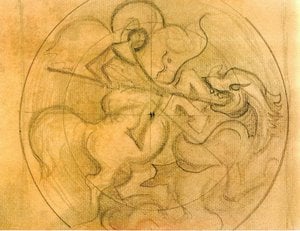
統計情報Untitled

- 98.0 x 130.0 cm
 詳細を表示
詳細を表示
ウェブ上のプレビューを遥かに凌駕する、印刷に最適なファイルをご提供します。当サイトで販売しているすべてのデジタル画像は、弊社のデータベース内にある高解像度のマスターデータ(通常、幅5,000〜15,000ピクセル)から作成されています。そのため、大判印刷や大胆なクロップ、細部まで緻密な再現も、安心してお楽しみいただけます。
当スタジオから送り出される画像は、すべて丁寧に加工されています。デジタルエキスパートが原画と照らし合わせて色調を精査し、必要に応じて補正を行った上で、プロ仕様のリタッチツールを用いて鮮明さと細部を向上させます。その際、アーティストの筆致やスタイルに忠実であることを常に追求しています。その結果、単なるスキャン画像にフィルターをかけたようなものではなく、まるで本物の絵画を見ているかのような仕上がりを実現しています。
仕上がりをご確認いただいてから完了となります。専門スタッフが、ご確認用の画像を72時間以内にメールでお送りいたします。もしご満足いただけない場合は、修正や改善のご要望を承るほか、品質が基準に満たない場合には返金も可能です。
出版社、デザインスタジオ、ギャラリー、そして印刷所から信頼される品質です。
デジタルアート
個人での鑑賞、印刷、クリエイティブなプロジェクトにご利用いただける高解像度ファイルをダウンロードできます。 ( プリント版に切り替え 手描き複製画を注文する)
デジタル画像のご注文に付随する特典
確かな品質による、プロフェッショナルなデジタル配信
ArtsDot.com を選ぶことは、単に画像を手に入れることではありません。プロの手によって精密に仕上げられ、満足保証が付いた高品質なデジタルアートワークを受け取ることを意味します。ご注文いただいた際に自動的に付随する内容は、以下の通りです:

メールですぐにお届け
ご注文から72時間以内に、高解像度のデジタル画像ファイルをメールでお送りいたします。お手元に届き次第、すぐにご利用いただけます。

AI技術で最適化されたデジタルファイル
お客様の作品は、高度なAI技術と専門家による手作業を組み合わせてプロフェッショナルに最適化されており、細部のディテール、鮮明さ、そして正確な色再現性を最大限に引き出しています。

生涯無料の再送サービス
ファイルを誤って削除したり、紛失してしまったりしましたか?ご安心ください。いつでも無料で再送いたします。

輸入手数料は、いつでも一切かかりません
関税や手数料、配送料を気にすることなく、お気に入りのアートワークをすぐにお楽しみいただけます。デジタルダウンロードは常に免税です。

正確な色彩の保証
プロ仕様のツールとカラーマネジメント技術を用いることで、デジタル画像が元の色を最大限に忠実に再現することを保証いたします。

100日間満足保証
ご購入いただいたデジタル画像にご満足いただけない場合は、100日以内であれば、理由を問わず修正または100%の返金対応をさせていただきます。

100% 返金保証
ご満足いただけない場合は、デジタルファイルを受け取ってから100日以内であれば、理由を問わず全額返金いたします。

まとめ買い割引
3枚購入で10%OFF、5枚購入で15%OFF、10枚以上のご購入で20%OFF。クリエイティブなプロジェクトやギャラリー、エージェンシーに最適です。
関連作品


作家略歴
The Visceral Dance of Matter: The Life and Legacy of Kazuo Shiraga
In the turbulent landscape of postwar Japan, a new language of expression emerged from the wreckage of tradition, driven by a raw, unbridled need to confront reality. At the heart of this revolution stood Kazuo Shiraga, an artist whose very method of creation became a performance of physical struggle and spiritual release. Born in Amagasaki in 1924, Shiraga’s early years were steeped in a duality of influences that would later define his radical aesthetic. He was trained in the meticulous, disciplined world of Nihonga—the traditional Japanese style of painting characterized by delicate brushwork and subtle tonal gradations—yet he was simultaneously haunted and inspired by the primal, choreographed movements of Noh theatre. This early immersion in the ritualistic gestures of performance would eventually find its way into his canvases, not through subtle strokes, but through the violent, sweeping motions of his entire body.
The true metamorphosis of Shiraga’s career occurred with his involvement in the Gutai Art Association, a collective he helped found in 1955. Alongside visionaries like Jirō Yoshihara, Shiraga sought to move beyond the mere representation of objects, aiming instead to "embrace matter" and allow it to speak for itself. This period marked the birth of his most iconic and visceral technique: the foot painting. Eschewing the traditional brush, Shiraga would suspend himself from a rope above a canvas spread on the floor, using his feet to manipulate thick, heavy layers of oil paint. This was not merely a stylistic choice but an existential act; by using his whole body, he bridged the gap between the artist’s physical presence and the medium itself, turning the act of painting into a dance of pure energy and instinct.
A Symphony of Chaos and Spirit
To witness a Shiraga painting is to encounter a battlefield of color and texture. His works from the height of the Gutai years are characterized by an intense, gestural impasto that captures the momentum of his movements. The swirling blues, fiery reds, and deep blacks do not sit passively on the canvas; they collide, drip, and overlap in a way that evokes a sense of cosmic struggle. This technique was deeply intertwined with his personal evolution, particularly his later conversion to Buddhism. As he matured, the chaotic energy of his early performance pieces began to reflect a deeper spiritual journey—a search for transformation and renewal amidst the flux of existence. Works such as Fire of Dattan serve as profound testaments to this, where vibrant compositions evoke the idea of a soul undergoing a metamorphosis through fire and light.
Beyond the sheer physicality of his work, Shiraga’s significance lies in how he redefined the boundaries of what art could be. He was a pioneer who refused to be confined by the frame, exploring:
- Performance Art: Using the body as a tool to leave indelible marks on the world.
- Three-Dimensionality: Moving beyond the flat surface to engage with installations and object-making.
- Materiality: Treating paint not just as color, but as a heavy, sculptural substance that possesses its own weight and agency.
Through his radical experimentation, Kazuo Shiraga did more than just invent a new way to paint; he challenged the very definition of the artist's role in society. He moved the focus from the finished product to the process of creation, ensuring that the traces of human struggle and movement remained forever etched in the pigment. His legacy remains a cornerstone of modern art history, reminding us that true creativity often requires us to break our tools, abandon our comforts, and engage with the world with our whole, uninhibited selves.

Kazuo Shiraga
1924 - 2008
プロフィール概要
- Full Name: Fujiko Shiraga
- Nationality: Japanese
- Date Of Birth: 1924
- Date Of Death: 2008
- Place Of Birth: Osaka, Japan
- Notable Artworks: ['White Plank']
- Artistic Movement Or Style: Gutai Art Association
- Artists Who Influenced This Artist: ['Kazuo Shiraga']
- Artists Or Movements Influenced By This Artist: ['Yves Klein']