

 設置イメージを確認
 送る
送る シェア
シェア
 詳細情報
詳細情報 ガイドを表示

 画像をダウンロード
 似ている作品
 X線調査
X線調査 スライドショー
 統計情報
統計情報Trees
 Pastel
- WallArt
- Symbolism
 1895
1895- 19th Century
 47.0 x 63.0 cm
 Lithuanian Art Fund
 続きを読む
続きを読む
手描き油彩複製画
当社のアーティストが、お客様のご希望のサイズと額縁に合わせて、キャンバスに手描きで制作する油彩画です。 ( プリント版に切り替え デジタル画像販売へ切り替え)




P118B ¥10

P118H ¥10

P118W ¥10

P438Z ¥10

P508JH ¥12

P508YH ¥12

P805H ¥10

P805Z ¥10

P919BZ ¥10

P919G ¥10

P919XJ ¥10

P959ZH ¥10

P968JZ ¥12

W106C ¥8

W218G ¥10

W218JH ¥8

W218Y ¥10

W307PJ ¥10

W316G ¥10

W316PJ ¥8

W316Y ¥10

W398PJ ¥8

W4111J ¥10

W500HY ¥15

W500JH ¥15

W692G ¥12

W849H ¥8

W940BG ¥15

W953PJ ¥8




作品のオリジナル比率に合わせた、当店の規定サイズからお選びください。

フレームや壁のスペースに合わせて、ご希望の幅と高さを入力してください。本作品は手描きのため、異なる比率のサイズをご希望の場合、絵画の周囲を少し広げて描くか、あるいは端を少しカットして調整することが可能です。お客様のご要望に合わせます。制作を開始する前に、仕上がりを確認するためのデジタルモックアップをお送りいたします。このページに表示されている画像は完成品の実物ではなく、あくまでモックアップによるイメージです。
ご注文後、ArtsDot.com チームより詳細な指示をお送りするとともに、仕上がりイメージ(モックアップ)をご提供いたします。


 ガラスオプションは、110cm未満のサイズでのみご利用いただけます。

Trees
再現技法
複製画サイズ一覧
-


合計金額
¥ 41377
Kazimierz Stabrowski's "Trees": A Symbolist Landscape of Transformation
- Artist: Kazimierz Stabrowski (1869-1929)
- Date: 1895
- Medium: Pastel on paper
- Size: 47 x 63 cm
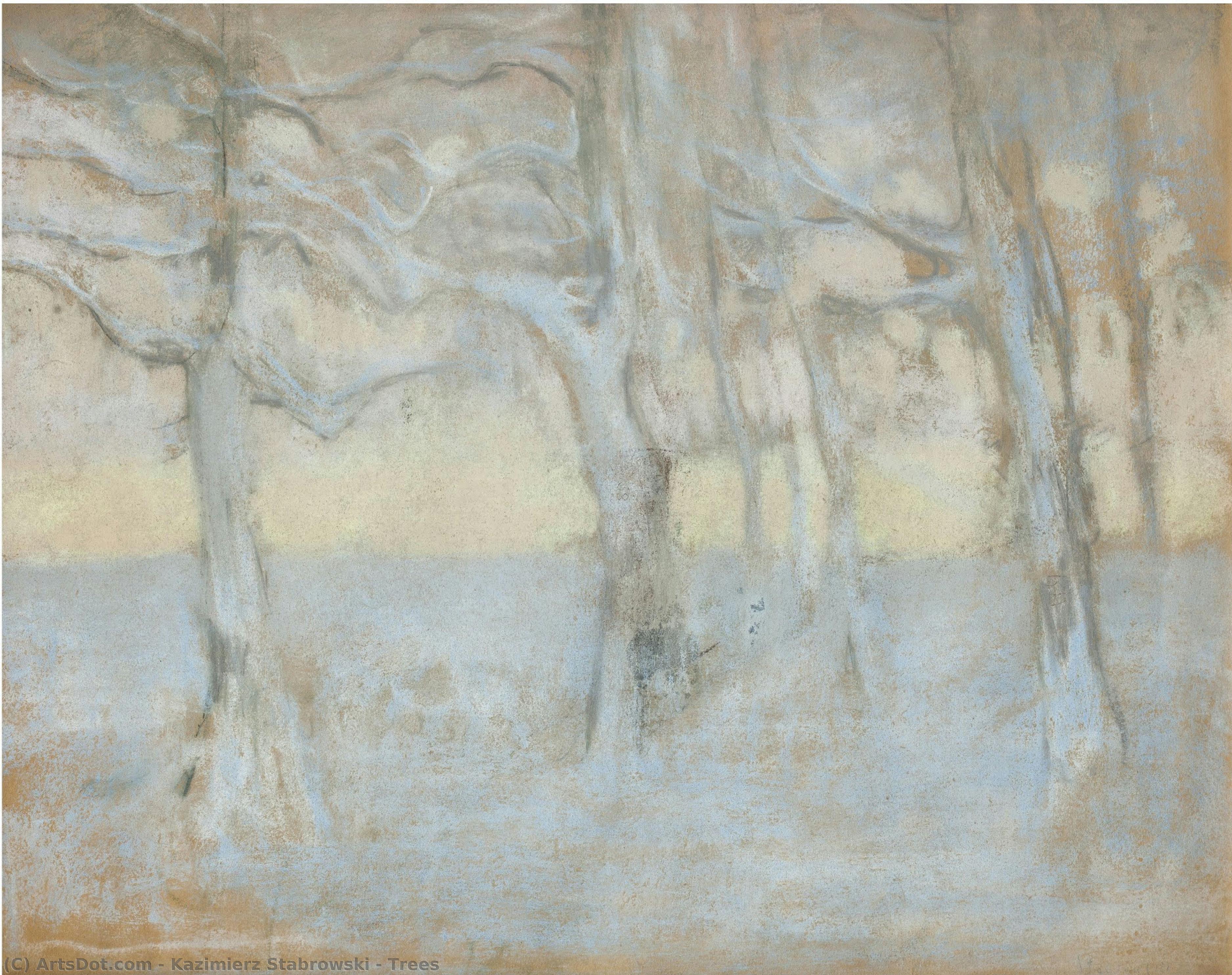
Kazimierz Stabrowski's "Trees" is a captivating pastel drawing that transcends simple representation, offering instead a glimpse into the artist’s exploration of symbolism and romanticism within the natural world. This work, created in 1895, showcases a pivotal moment in Stabrowski's artistic development as he moves away from strict realism towards abstraction, while retaining a profound emotional depth.
Subject Matter & Composition
"Trees" depicts a cluster of trees set against what appears to be a beach or shoreline. The composition is dominated by the verticality of the tree trunks and branches, rendered with loose, flowing lines and blended colors. Unlike traditional landscape paintings that prioritize accurate depiction, Stabrowski prioritizes conveying an atmosphere and feeling. There's no clear focal point; instead, the eye wanders across the dense visual field created by the clustered trees, eventually settling on the hazy background suggesting a distant shoreline. The horizontal format emphasizes the breadth of the scene while maintaining a sense of intimacy through the close proximity of the trees in the foreground.
Style and Technique: A Shift Towards Abstraction
The artwork exemplifies a transition towards abstraction. Stabrowski’s technique is characterized by loose, gestural strokes that capture the essence of the trees rather than their precise form. The blending of colors—primarily muted tones of beige, grey, blue, and brown with subtle hints of yellow and green—creates a hazy, dreamlike effect. This soft palette contributes to the overall melancholic and contemplative mood. The use of pastels lends itself beautifully to this style, creating a velvety texture that enhances the sense of depth and dimension. The lines themselves are not sharp or defined but rather flow into one another, suggesting movement and growth within the trees. It's worth noting the similarities in tree depiction with those found in Mikalojus Konstantinas Čiurlionis’ “Winter” collection (1907), highlighting a shared artistic sensibility of the time.
Symbolism & Emotional Impact
Beyond its aesthetic qualities, "Trees" carries significant symbolic weight. The transforming trees represent change, growth, and potentially even spiritual evolution—themes central to Stabrowski’s interest in symbolism and romanticism. The artist's intention was not merely to depict a scene but to express ideas, feelings, and experiences through the landscape. The hazy atmosphere and muted colors evoke a sense of longing or introspection, inviting viewers to contemplate their own connection to nature and the passage of time. This work is more than just a depiction of trees; it’s an exploration of the human condition within the context of the natural world.
Historical Context & Artistic Significance
Created during a period of artistic experimentation, "Trees" reflects the broader shift away from realism and towards symbolism and abstraction in late 19th-century art. Stabrowski’s work stands as an important example of Polish Symbolism, demonstrating a desire to move beyond mere representation and explore deeper emotional and spiritual truths. His exploration of these themes, combined with his later involvement in the Theosophical Society, further enriches the interpretation of this evocative pastel drawing.
よくあるご質問
「Trees」の作者とスタイルは何ですか?
カジミエシュ・スタブロフスキは、Symbolismのムーブメントの中で「Trees」を制作しました。
Lithuanian Art Fundに所蔵されているカジミエシュ・スタブロフスキ作「Trees」は、法的に複製することが可能でしょうか?
「Trees」の原画はLithuanian Art Fundに所蔵されており、本作品はパブリックドメイン(著作権消滅)です。
カジミエシュ・スタブロフスキ作「Trees」は、どのような方への贈り物としておすすめですか?
Moodを念頭に置いた、Birthdayへの贈り物として「Trees」をおすすめします。
関連作品


アーティストについて
生い立ちと教育
カジミエシュ・スタブロフスキは、ポーランドが誇る高名な画家であり、1869年に現在のベラルーシ、ナヴァフルドクに生を受けました。彼はワルシャワ美術アカデミーへと進み、そこで研鑽を積んだ末、後に同校の学長という重責を担うことになります。この重要な役割は、単に彼の芸術的な卓越性を世に示すだけでなく、次世代のアーティストたちに対する彼の多大な影響力を確固たるものにしました。芸術的スタイルと代表作
スタブロフスキの作品を語る上で欠かせないのは、夢幻的で象徴的なその特質です。象徴主義とロマン主義の要素を巧みに融合させた彼の筆致は、見る者を別世界へと誘います。彼の最も名高い傑作の一つである「雪の乙女」(1891年)は、まさにこの独自のスタイルを体現しており、一世紀以上にわたって芸術愛好家たちの心を捉えて離しません。ポーランドにおける神智学協会の設立
彼の功績はキャンバスの上だけに留まりませんでした。スタブロフスキは、ポーランドにおける神智学協会の最初のロッジ(支部)を設立する上で極めて重要な役割を果たしました。精神性やオカルトの原理に基づいたこの哲学的な結社への関わりは、芸術家としての顔を持つだけでなく、多面的な精神性を持った人物であったスタブロフスキの深淵さを物語っています。遺産と晩年
1929年、ポーランドのガルヴォリンにて、スタブロフスキはその生涯を閉じました。しかし、彼が遺したレガシーは、今なおアーティストや芸術愛好家たちにインスピレーションを与え続けています。ワルシャワ美術アカデミーから、数々の象徴的かつロマンティックな作品群に至るまで、ポーランド美術の様々な側面において彼の足跡を見出すことができるのです。ArtsDot.comに厳選されたカジミエシュ・スタブロフスキの作品
- 山の精霊(105 x 85 cm、リトアニア・アート・ファンド、ヴィリニュス、リトアニア、油彩・キャンバス) - スタブロフスキの象徴主義的なスタイルの真髄を示す作品です。
- 月光に照らされたコロッセオ(47 x 65 cm、リトアニア・アート・ファンド、ヴィリニュス、リトアニア、パステル) - 幽玄な風景を描き出す彼の卓越した技量が見事に表現されています。
- 樹木(47 x 63 cm、リトアニア・アート・ファンド、ヴィリニュス、リトアニア、パステル) - 写実性と抽象的なイメージが融合した、晩年の作品に特徴的な独創的な一品です。
ArtsDot.comで紹介されているカジミエシュ・スタブロフスキの展示美術館
- リトアニア・アート・ファンド(リトアニア、ヴィリニュス) - この機関には、前述の作品を含むスタブロフスキの重要な作品が数多く収蔵されています。

カジミエシュ・スタブロフスキ
1869 - 1929 , ベラルーシ
アーティスト情報
- Artistic Movement Or Style: 象徴主義
- Artists Who Influenced This Artist:
- グスタフ・クリムト
- ジャン・シベリウス
- Date Of Birth: 1869年11月21日
- Date Of Death: 1929年6月10日
- Full Name: カジミエシュ・スタブロフスキ
- Nationality: ポーランド
- Notable Artworks:
- 雪の乙女
- 木々
- ローマ:馬の噴水
- Place Of Birth: ベラルーシ、クルプリャヌィ
関連記事

Arboreal Echoes: A Historical & Artistic Exploration of Trees in Painting
Explore the rich history of trees in painting! Discover symbolism, Romantic masterpieces by Caspar David Friedrich & beyond. A curated journey for art enthusiasts.

Arboreal Echoes: A Historical & Artistic Exploration of Trees in Painting
Explore the rich history of trees in painting! Discover symbolism, Romantic masterpieces by Caspar David Friedrich & beyond. A curated journey for art enthusiasts.

The Subdued Radiance of Pastel: Exploring Nuance & Emotion in Art
Explore the nuanced world of pastel art! Discover its history, techniques & emotional power with expert insights from ArtsDot.com. Find museum-quality reproductions and learn about collecting this delicate medium.

The Subtleties of Pastel: A Comprehensive Exploration of Technique, History & Emotional Resonance
Explore the captivating world of pastel art! Discover its rich history, Impressionistic masters like Degas, emotional power & unique techniques. Find museum-quality reproductions at ArtsDot.

Stanisław Wyspiański: Symbolism, National Identity & the Polish Secession
Explore the life & work of Stanisław Wyspiański, a pivotal figure in Polish Symbolism and the Young Poland movement. Discover his iconic paintings, dramas, and stained glass designs reflecting national identity & artistic innovation.