

 設置イメージを表示
 シェアする
シェアする シェアする
シェアする
 詳細を見る
詳細を見る ガイドを表示

 ダウンロード
 似ている作品
 X線調査
X線調査 スライドショーを表示
 Q&A
Q&A 統計情報
統計情報Boy


 詳細を表示
詳細を表示
ジークレー/アートプリント
スピーディーな制作と多彩な仕上げオプションが魅力の、ミュージアムクオリティなジークレー・キャンバスプリント。 ( 手描き複製画を注文する デジタル画像販売へ切り替え)




P118B ¥10

P118H ¥10

P118W ¥10

P438Z ¥10

P508JH ¥12

P508YH ¥12

P805H ¥10

P805Z ¥10

P919BZ ¥10

P919G ¥10

P919XJ ¥10

P959ZH ¥10

P968JZ ¥12

W106C ¥8

W218G ¥10

W218JH ¥8

W218Y ¥10

W307PJ ¥10

W316G ¥10

W316PJ ¥8

W316Y ¥10

W398PJ ¥8

W4111J ¥10

W500HY ¥15

W500JH ¥15

W692G ¥12

W849H ¥8

W940BG ¥15

W953PJ ¥8




作品のオリジナル比率に合わせた、当店の規定サイズからお選びください。

額縁や壁のスペースに合わせて、ご希望の幅と高さを入力してください。プリントはカットすることは可能ですが、元の画像より大きくすることはできないため、異なる比率のサイズを選択された場合は、画像の一部が欠けることになります。印刷を開始する前に、内容を確認していただくためのデジタルモックアップをお送りいたします。このページに表示されている画像は、実際のカット後の状態を示すものではありません。実際の仕上がりはモックアップにてご確認ください。


 ガラスオプションは、110cm未満のサイズでのみご利用いただけます。

Boy
ジークレー/アートプリント
複製画サイズ一覧
-


合計金額
¥ 9970
A Window Into Edo Period Soul: Katsushika Hokusai’s “Boy”
Katsushika Hokusai's "Boy," created in 1844, transcends mere depiction; it embodies the spirit of Japan during its twilight years—a testament to artistic brilliance and meticulous observation. This monochrome woodblock print, part of Hokusai’s monumental *Thirty-Six Views of Mount Fuji*, isn’t simply a landscape scene; it's a carefully crafted meditation on childhood innocence juxtaposed against the anxieties of impending change. The artist masterfully captures a boy standing before an umbrella—a symbol laden with cultural significance—creating an image that speaks volumes about Edo society and Hokusai’s unparalleled ability to convey emotion through visual form.The Technique: Ukiyo-e Precision
Hokusai's signature style, Ukiyo-e ("pictures of the floating world"), demanded extraordinary skill and patience. The printmaking process involved multiple stages—wood carving, ink grinding, printing—each requiring painstaking attention to detail. Hokusai’s masterful use of Prussian blue pigment, a relatively new color imported from Europe during his lifetime, distinguishes “Boy” from many other prints of the era. This bold hue wasn't merely decorative; it served as a deliberate contrast against the muted tones of the background, amplifying the boy’s presence and emphasizing the solemnity of the moment. The artist employed hatching and shading techniques to sculpt form with remarkable subtlety, conveying texture and depth without resorting to color—a hallmark of Ukiyo-e's expressive power.Symbolism: Umbrella and Transformation
The umbrella itself holds profound symbolic weight within Japanese culture. Traditionally associated with protection from rain and misfortune, it represents resilience and fortitude in the face of adversity. In “Boy,” however, its placement before Mount Fuji subtly hints at a larger narrative—the boy embodies youthful vitality striving to overcome obstacles, mirroring the broader societal anxieties surrounding the decline of Edo’s dominance. The inclusion of Japanese plum blossoms—symbolizing renewal and perseverance—further reinforces this thematic resonance. They are meticulously rendered in gold lacquer on the umbrella's mount, highlighting their importance and elevating the print's aesthetic grandeur.Historical Context: A Moment Frozen in Time
“Boy” was produced during a period of significant upheaval for Japan – the Tokugawa Shogunate’s grip on power was weakening as Western influence steadily increased. Hokusai’s artistic output reflected this shifting landscape, capturing both the beauty and fragility of traditional Japanese life. The print's serene composition contrasts sharply with the turbulent political climate, prompting contemplation about permanence versus change—a theme central to many Edo-period artworks. Viewing “Boy” offers a glimpse into a bygone era, inviting viewers to consider the enduring power of art to communicate complex ideas across time.Emotional Resonance: Quiet Contemplation
Ultimately, "Boy" succeeds in evoking a feeling of quiet contemplation. The boy’s posture—slightly turned towards the viewer—creates an intimate connection between subject and observer. Hokusai's meticulous rendering captures not just visual accuracy but also emotional nuance—a subtle suggestion of melancholy blended with hope. It is this ability to convey profound emotion through deceptively simple imagery that secures “Boy”’s place as one of Hokusai’s most enduring masterpieces, continuing to inspire admiration and fascination centuries after its creation.Q&A
「Boy」(1844)は、葛飾北斎 (Katsushika Hokusai)のキャリアにおけるどの時期の作品にあたりますか?
1844年に制作された「Boy」は、葛飾北斎 (Katsushika Hokusai)の画業におけるMature Periodに属する作品です。
その色彩から、葛飾北斎 (Katsushika Hokusai)作「Boy」 はどの部屋に飾るのがおすすめですか?
Neutralsの色調を考慮すると、「Boy」はLiving Roomに最適です。
葛飾北斎 (Katsushika Hokusai)作「Boy」の解説ページはありますか?
「Boy」のガイドは、作品の解説資料ページです。このページは印刷可能なファクトシートとなっており、作品のキャプション、クレジット、および詳細情報(作家名、制作年、技法、原寸大、所蔵)をまとめてご確認いただけます。
関連作品
![Indian Tobacco Shop Sign [obverse, Indian Facing Left] — ウィンズロー・ホマー, American Realism](/media/artworks/images-thumb/23/47/234786c2828c25069cd7d401f9f6d842.jpg)


作家プロフィール
葛飾北斎:浮世絵を超えた、時代と世界を映した巨匠
江戸時代の美術を語る上で、葛飾北斎(1760年~1849年)の名は欠かせない。その代表作『神奈川沖浪裏』は、今や日本を象徴するアイコンとして世界中で愛され、多くの人々に感動を与え続けている。しかし、北斎の芸術的探求は、単なる浮世絵師という枠を超えた、時代と世界との対話の軌跡であり、その生涯と作品群を深く理解することで、日本の美術史における彼の真価が明らかになるだろう。幼少期から絵を描く才能を発揮し、12歳で父の後を継ぎ、その後、浮世絵師勝川春洲の門下に入り、版画技術や役者絵などの基礎を学んだ北斎は、伝統的な浮世絵の世界に留まることなく、常に新しい表現方法を模索し続けた。変革と探求:多様な才能が開花する
春洲の弟子時代を経て、北斎は独自の道を歩み始める。役者絵から風景画へと主題を変え、大胆な構図や斬新な色彩感覚で、従来の浮世絵の枠を超えた作品を生み出した。特に注目すべきは、『富嶽三十六景』である。富士山を様々な角度から捉え、季節や時間帯の変化を描き出すこのシリーズは、北斎の風景画における卓越した技術と、自然に対する深い愛情を示すとともに、当時の旅行ブームに乗った作品群でもあった。また、『北斎漫画』は、人物、動物、風景など、多岐にわたるモチーフをスケッチブック形式で収録したものであり、その自由な発想と卓越した観察眼がうかがえる。この作品群は、後の漫画文化の源流とも言える存在であり、北斎の芸術的影響力の広がりを示す好例である。西洋絵画との邂逅:新たな表現への挑戦
北斎の芸術に大きな転換をもたらしたのは、オランダ絵画などの西洋美術との出会いだった。漂流物の持ち込みによって日本に入ってきたこれらの作品は、北斎に遠近法や陰影表現といった新しい技法を学ばせ、彼の作品に革新的な変化をもたらした。特に遠近法の導入は、浮世絵の構図に大きな影響を与え、奥行きのある風景描写を可能にした。また、西洋の色彩感覚も北斎の作品に取り入れられ、より鮮やかで豊かな色彩表現が実現された。これらの要素が融合することで、北斎の作品は、日本の伝統美と西洋の革新性が融合した、独創的な芸術へと昇華していったのである。後世への遺産:世界に影響を与えた巨匠
北斎の作品は、単なる美術作品としてだけでなく、文化的な交流の象徴としても重要な意味を持つ。19世紀後半になると、日本の美術品が欧米で人気を博し、「ジャポニスム」と呼ばれる現象が起こった。モネやドガといった印象派の画家たちは、北斎の作品から構図や色彩感覚、装飾性などを学び、自身の作品に取り入れ、その影響は絵画だけでなく、版画、デザインなど、様々な分野に及んだ。北斎の芸術は、東西文化の架け橋となり、世界中の人々に感動とインスピレーションを与え続けている。晩年は、90歳を超えるまで精力的に制作活動を続け、「老若中外無有乎(どんな年齢の人にも、あらゆる国の人にも、誰もが持っているもの)」という言葉に象徴されるように、北斎の芸術は、時代を超えて人々の心に深く刻まれ、今なおその輝きを失っていない。北斎の足跡:生涯と作品から読み解く
- 主な影響を受けた画家: 勝川春洲, 中国の山水画
- 代表作: 『富嶽三十六景』、『神奈川沖浪裏』、『北斎漫画』
- 晩年の言葉: 「老若中外無有乎」

葛飾北斎 (Katsushika Hokusai)
1760 - 1849 , 日本
プロフィール概要
- フルネーム: 葛飾北斎
- 主な作品:
- 富嶽三十六景
- 神奈川沖浪裏
- 北斎漫画
- 出身地: 日本、東京都
- 国籍: 日本
- 影響を与えたアーティスト:
- 印象派
- ゴッホ
- 影響を受けたアーティスト: ['中国の山水画']
- 没年月日: 1849年5月10日
- 生年月日: 1760年10月31日
- 芸術運動またはスタイル: 浮世絵
関連記事

葛飾北斎:25の傑作が語る浮世絵の世界 - ArtsDot
葛飾北斎の25選:『神奈川沖浪裏』や『富嶽三十六景』など、浮世絵の世界を深く探求。木版画の技法と日本美術の美をArtsDotで。高品質なアートプリントで空間に感動を。コレクションはこちら。

Floating World: The Captivating Art and Legacy of Japanese Ukiyo-e
Explore the profound beauty of Japanese Ukiyo-e. Discover the history, masters like Hokusai, and the enduring legacy of the 'Floating World' through an expert art-historical lens.

Suzuki Harunobu: Pioneering Ukiyo-e & the Refinement of Edo Period Printmaking
Discover the revolutionary world of Suzuki Harunobu, a pioneer of ukiyo-e printmaking. Explore his exquisite nishiki-e techniques, diverse subjects & lasting impact on Japanese art history. Learn more at ArtsDot.

Ukiyo-e: Exploring Japan's Floating World & Enduring Artistic Legacy
Explore the captivating world of Ukiyo-e – Japan's iconic woodblock prints! Discover masters like Hokusai & Hiroshige, learn about Edo period culture, and find expert art collecting guidance at ArtsDot.
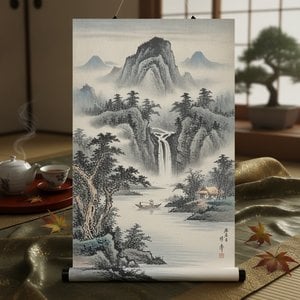
Serenity on Canvas: A Guide to the Timeless Beauty of Japanese Landscape Painting
Discover the serene beauty of Japanese landscape painting. From Hokusai's iconic woodblock prints to meditative sumi-e ink washes, explore a visual journey through the 'floating world' and learn how to bring this timeless Zen aesthetic into your modern home decor.


