

- 51.0 x 39.0 cm


選択した条件に基づいた画像: , .
作品解説
Discover 'The Reaper' by Kanutas Ruseckas (1844). A stunning Lithuanian landscape painting in the Dutch Golden Age style, showcasing rural life & masterful technique.
アーティストの略歴
Discover Kanutas Ruseckas (1800–1860), a Polish-Lithuanian painter known for landscapes & portraits. Explore his Romantic artworks, life, and legacy.
 詳細を表示
詳細を表示
手描き油彩複製画
当社のアーティストが、ご希望のサイズと額縁に合わせてキャンバスに手描きで制作する、オーダーメイドの油彩画です。 ( プリント版に切り替え デジタル画像販売へ切り替え)
この絵画の詳細を見る
 設置イメージを表示
 シェアする
シェアする シェアする
シェアする
 詳細を見る
詳細を見る ガイドを表示

 ダウンロード
 似ている作品
 X線調査
X線調査 スライドショーを表示
 Q&A
Q&A 統計情報
統計情報絵画のご注文は、わずか4つの簡単なステップで完了します
ゆっくりとお選びください。回答はいつでも変更可能です。選択内容に応じて、注文カート内の価格が随時更新されます。
1 全4ステップ中のステップ1
サイズをご選択ください。
これらのサイズは、原画の比率を維持しています。図は、高さ2メートルのソファの上の壁に、選択したサイズを配置した際のイメージです。
または、ご希望のサイズを指定する
作品のオリジナル比率に合わせた、当店の規定サイズからお選びください。

フレームや壁のスペースに合わせて、ご希望の幅と高さを入力してください。本作品は手描きのため、異なる比率のサイズをご希望の場合、絵画の周囲を少し広げて描くか、あるいは端を少しカットして調整することが可能です。お客様のご要望に合わせます。制作を開始する前に、仕上がりを確認するためのデジタルモックアップをお送りいたします。このページに表示されている画像は完成品の実物ではなく、あくまでモックアップによるイメージです。
2 4ステップ中の2番目
どのような状態での配送をご希望ですか:ロール状、キャンバス張り、または額装済み?
以下の価格は、ステップ1で選択されたサイズに基づいています。
キャンバスの側面仕上げを選択
フレームを選択

白の側面仕上げ ¥1

エッジぼかし仕上げ ¥1

回り込み仕上げ ¥1

P118B ¥10

P118H ¥10

P118W ¥10

P438Z ¥10

P508JH ¥12

P508YH ¥12

P805H ¥10

P805Z ¥10

P919BZ ¥10

P919G ¥10

P919XJ ¥10

P959ZH ¥10

P968JZ ¥12

W106C ¥8

W218G ¥10

W218JH ¥8

W218Y ¥10

W307PJ ¥10

W316G ¥10

W316PJ ¥8

W316Y ¥10

W398PJ ¥8

W4111J ¥10

W500HY ¥15

W500JH ¥15

W692G ¥12

W849H ¥8

W940BG ¥15

W953PJ ¥8

H24-GOLD ¥30

H24-SILVER ¥30

H36-GOLD ¥45

H36-SILVER ¥45
額装済み
額縁の形状: . 額縁を含む全体サイズ: .
3 4ステップ中の3ステップ目
絵画の内容に変更をご希望されますか?
ほとんどの方は「いいえ」と答えます。一枚一枚が手描きであるため、アーティストがお客様のご要望に合わせて調整することも可能です。
ご注文後、ArtsDot.com のチームより詳細な手順についてメールをお送りし、仕上がりイメージ(モックアップ)をご提示いたします。
4 4ステップ中、第4ステップ
仕上げのオプション(数種類)
すべて任意です。すでに選択されている回答に追加料金はかかりません。
作者は誰?
美術館にあるような、銘板(ネームプレート)を。
刻印入りブロンズプレートの詳細
This elegant plaque features the artist's name and the title of the artwork, finely engraved for a timeless presentation.
It is made from bronze with a refined, elegant finish. The text is precisely laser-engraved for a sharp and permanent result. Measuring 9x2 cm, the plaque is compact yet easy to read. It's built to be durable and scratch-resistant, offering a professional, museum-quality look. Mounting is simple thanks to the included adhesive backing.
透明アクリル銘板の詳細
The plaque includes essential engraved details such as the artist's name, the title of the artwork, the date it was created, the type of media used-like oil on canvas or watercolor-a brief description of the piece, and a QR code that links to the complete artwork information.
It is crafted from clear acrylic, offering a sleek, modern appearance. The text is UV-engraved in black to ensure strong visual contrast. With a size of 10x15 cm, it ensures optimal readability. It comes equipped with two metal hooks for secure wall mounting. The plaque is designed to be weather-resistant, making it suitable for various environments, and it includes interactive features that work seamlessly with smartphone scanning.
黒アクリル製銘板の詳細
This elegant plaque includes engraved information such as the artist's name, the title of the artwork, the date it was created, the type of media used (like oil on canvas or watercolor), a short description of the artwork, and a QR code for quick access to more information.
The plaque itself is made from refined black acrylic with a premium finish. The text is laser-engraved in white for high contrast and readability. Its size is 10x15 cm, designed to be easy to read. It comes with two metal hooks for professional mounting. The design is sleek and fits any interior style. It is also weather-resistant and durable, with built-in digital integration for mobile compatibility.
保護用ニスをご希望ですか?
お届け希望日をお選びください
✓ 内容を確認して注文する
ご注文通りの絵画内容

The reaper
再現技法
複製画サイズ一覧
-

至高の熟練アーティスト
より細部までこだわった表現、洗練された技術、そして十分な制作時間
-

複製画用フレーム
-
-
いずれかの辺が105 cm(約41インチ)を超えるアートワークまたは複製画の場合、フレームは分解されたキットの状態でお届けいたします。この方法は、輸送中の破損を防ぎ、安全に配送するために採用しております。
組み立てには専門知識が必要です(DIY用製品ではありません)。
本キットは、経験豊富なプロの額装師が、木工用ボンド(別売)、キャンバス用プライヤー、およびボンドの乾燥時に桟を直角に保持するためのクランプを使用して、組み立ておよびキャンバスの張り作業を行う必要があります。不適切な組み立てやキャンバスの張りの不均一は、作品に永久的な損傷を与える恐れがあり、弊社の保証対象外となります。
 いずれかの辺が105 cm(約41インチ)を超えるアートワークまたは複製画の場合、フレームは分解されたキットの状態でお届けいたします。この方法は、輸送中の破損を防ぎ、安全に配送するために採用しております。
すべての無垢材のパーツが含まれており、組み立てに最適なサイズに正確にカットされています。
付属のネジを使用し、角の接合部には別途木工用ボンドをご用意ください(ボンドは付属しておりません)。ボンドは額装業者様にてご手配をお願いいたします。
プロ仕様の道具が必要ですが、キットには含まれていません:キャンバス用ストレッチングプライヤー(テンショナー)、および接着剤が乾燥するまで木枠を直角に固定するためのクランプ。
重要:
コーナーの接合部には木工用ボンドが必要です。また、ボンドが完全に乾くまでクランプでバーを固定しておく必要があり、組み立てたフレームにキャンバスを張るにはキャンバス用ストレッチングプライヤーが必要となります。これらの道具はキットに含まれておりません。このサイズをご注文される前に、経験豊富なプロの額装師(フライマー)の手配をお願いいたします。

キャプション
-
-

保護用ワニス
光沢ワニス(色彩を鮮やかに引き立て、光や湿気から保護します)
-

作品をカスタマイズ
カスタマイズの例:顔をお客様の写真に差し替える、ペットを追加する(例:猫を犬に変更)、背景に隠しメッセージを入れる、背景の風景や要素を変更する。
-

お急ぎ便
世界中への配送()は、通常の5週間ではなく、3〜4週間でお届けいたします。(4 11月)。品質には一切の妥協を許しません。
-
お急ぎ便
世界中への配送()は、5週間ほどでお届けします。(11 11月)。
込み
合計金額
¥ 41544
ガラスオプションは、110cm未満のサイズでのみご利用いただけます。
すべての注文に同梱
- 世界中へ無料エクスプレス配送
- 高品質なリネンキャンバス
- 配送時完全保険付
- 関税・輸入税の払い戻し保証
- 真の色彩再現に関する保証
- 100日間返品保証(製造上の欠陥がある場合のみ)
- 100% 全額返金保証
- まとめ買い割引のご案内


関連作品


Kanutas Ruseckas
1800 - 1860, Lithuania
作家プロフィール
The Shadow of Industry: Exploring the Art of a Victorian Era Painter
The figure of this artist, often referred to simply as “ArtsDot,” remains somewhat shrouded in the mists of the 19th century, a period defined by rapid industrialization and profound social change. Born around 1800 (the exact date is unrecorded), they emerged during a pivotal moment in European art history – a transition from the rigid formality of Neoclassicism to the emotive turbulence of Romanticism. While biographical details are scarce, their work offers a compelling window into the anxieties and aspirations of a generation grappling with both unprecedented progress and lingering social inequalities. Their artistic output primarily focused on landscapes and portraits, reflecting the prevailing trends of the time while subtly imbuing them with a poignant sense of melancholy and observation.Early Influences and Artistic Development
The early decades of this artist’s career were undoubtedly shaped by the intellectual currents sweeping through Europe. The rise of Romanticism, fueled by poets like Wordsworth and Byron, emphasized emotion, imagination, and the sublime power of nature – themes that resonated deeply within their artistic vision. Furthermore, the burgeoning interest in scientific observation, exemplified by figures like John Stuart Mill, likely influenced a desire to accurately depict the natural world, albeit with an added layer of subjective interpretation. The artist’s early works demonstrate a clear debt to the landscape painters of the Barbizon school, characterized by loose brushwork and a focus on capturing atmospheric effects. However, unlike many of their contemporaries, they avoided purely idyllic depictions, instead injecting scenes with a sense of quiet unease or social commentary – a foreshadowing of their later, more critical approach. The influence of Caspar David Friedrich is particularly evident in the artist’s use of solitary figures within vast landscapes, suggesting themes of human insignificance and the overwhelming power of nature.Themes of Social Discomfort and Observation
A defining characteristic of this artist's oeuvre is a subtle yet persistent engagement with social issues. While not overtly political in style, their paintings frequently depict scenes of labor, poverty, and hardship – often presented with a detached, almost clinical eye. The evocative phrase “cold earth wanderers never knew” from one of their poems hints at the stark realities faced by those toiling in factories and mines. The artist’s depictions of working-class men and women are not romanticized; they are shown as weary, burdened figures, reflecting the grim conditions of industrial life. This approach aligns with a broader trend within 19th-century art – a growing awareness of social injustice and a desire to document the lives of ordinary people. The artist’s work can be seen as a quiet indictment of the inequalities inherent in a rapidly industrializing society, offering a poignant counterpoint to the celebratory narratives often associated with progress.Technique and Style
The artist's technique evolved significantly throughout their career. Initially influenced by the Barbizon school’s emphasis on plein air painting – working directly from nature – they gradually developed a more nuanced approach, incorporating elements of both realism and impressionism. Their brushwork is often characterized by loose, expressive strokes, particularly in depicting atmospheric effects such as light and shadow. Color palettes are generally muted, dominated by earthy tones and subtle gradations of gray, reflecting the somber mood of many of their subjects. However, they occasionally employed brighter colors to draw attention to specific details or to evoke a sense of emotional intensity. The influence of J.M.W. Turner is noticeable in their use of light and color, particularly in landscapes depicting dramatic weather conditions.Legacy and Historical Significance
Despite the relative obscurity surrounding this artist’s life, their work holds considerable historical significance. They represent a crucial link between the Neoclassical and Romantic traditions, embodying the anxieties and uncertainties of a period marked by profound social transformation. Their subtle yet persistent engagement with social issues – particularly the plight of the working class – distinguishes them from many of their contemporaries, who were primarily concerned with depicting idealized landscapes or celebrating aristocratic life. Furthermore, their exploration of themes such as human insignificance and the power of nature anticipates later developments in art history, including Symbolism and Expressionism. The artist’s work serves as a poignant reminder that even seemingly quiet observations can hold profound social and emotional resonance, offering valuable insights into the complexities of the 19th century and beyond. Their paintings continue to resonate with viewers today, prompting reflection on the enduring challenges of industrialization, social inequality, and the human condition.関連記事

Charles Leickert: Capturing the Dutch Golden Age Light – A Comprehensive Study of Technique, Context, and Legacy
Explore the captivating winter landscapes of Charles Leickert, a master of Dutch Golden Age light & atmosphere. Discover his techniques, symbolism, and lasting legacy – a comprehensive study for art enthusiasts and collectors.
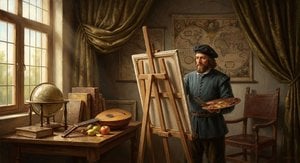
Illuminating Realism: Exploring the Dutch Golden Age of Painting (1600-1700)
Explore the Dutch Golden Age of painting (1600-1700) with ArtsDot. Discover Rembrandt, Vermeer & other masters. Learn about techniques, history & find museum-quality reproductions.

黄金世紀の巨匠たち:バロック絵画が彩る10選|ArtsDot
オランダ黄金時代の10大傑作を紐解く!レンブラント、フェルメール…バロック絵画の魅力と時代背景を深く探求。ArtsDotで、至高のアートコレクションと空間演出のヒントを見つけよう。高品質なアートプリントで、お部屋を華やかに。