

 プレビュー
プレビュー
 シェアする
シェアする シェアする
シェアする
 詳細を見る
詳細を見る

 ダウンロード
 似ている作品
 X線調査
X線調査 スライドショー
Untitled (D2X797)
 601
601 155.0cm x 172.0cm
 詳細を見る
詳細を見る
手描き油彩複製画
当社のアーティストが、お客様のご希望のサイズと額縁に合わせて、キャンバスに手描きで制作する油彩画です。 ( プリント版に切り替え 画像に切り替え)




































作品のオリジナル比率に合わせた、当店の規定サイズからお選びください。

特定のフレームやスペースに合わせて、ご希望のサイズをご入力いただけます。選択されたサイズが元の画像の比率と異なる場合、アートワークをトリミングするか、手描きで要素を追加して絵画を拡張いたします。デジタルモックアップ を制作し、制作開始前にご確認(承認)をいただきます。
画面上のプレビューは、実際のトリミングや拡張を正確に反映しているものではありません。最終的な構図は、モックアップによってのみ正確にご確認いただけます。
カスタムサイズもご利用いただけますが、元の比率を維持するためには、あらかじめ用意されたリストからサイズを選択することをお勧めいたします。
ご注文後、ArtsDot.com チームより詳細な指示をお送りするとともに、仕上がりイメージ(モックアップ)をご提供いたします。


 ガラスオプションは、110cm未満のサイズでのみご利用いただけます。

Untitled (D2X797)
複製技法
複製画のサイズ
-


合計金額
$ 263
関連作品


アーティストの略歴
Kano Sansetsu: Weaver of Winter Light and the Soul of the Kanō School
Kano Sansetsu (1589-1651), a name that resonates through the halls of Japanese art history, was more than just a painter; he was the architect of a dynasty, the guiding hand behind the Kanō school’s evolution into one of Japan's most revered artistic institutions. Born Heshiro Mitsuie in Hizen Province, Kyūshū, amidst a backdrop of personal tragedy – his father’s early death leaving him an orphan at sixteen – he embarked on a path shaped by apprenticeship, adoption, and ultimately, leadership. His life story is inextricably linked to the rise of Kyoto as the imperial capital and the burgeoning power of the shogunate, a confluence that profoundly influenced both his artistic development and the trajectory of the Kanō school itself. Sansetsu’s early years were defined by his rigorous training under the tutelage of Kanō Sanraku, a master painter renowned for his pioneering work in introducing Chinese painting techniques to Japan. This apprenticeship wasn't merely about replicating existing styles; it was an immersion into a philosophy of art deeply rooted in Zen Buddhism – a pursuit of harmony, balance, and the ephemeral beauty of nature. Crucially, he married Sanraku’s daughter, solidifying his position within the school and ultimately becoming adopted by the master after the death of Sanraku's eldest son, inheriting not just a title but also a legacy of artistic refinement. This adoption marked a pivotal moment, transforming him from a student into the heir apparent, setting the stage for his future role as leader.A Style Forged in Harmony and Innovation
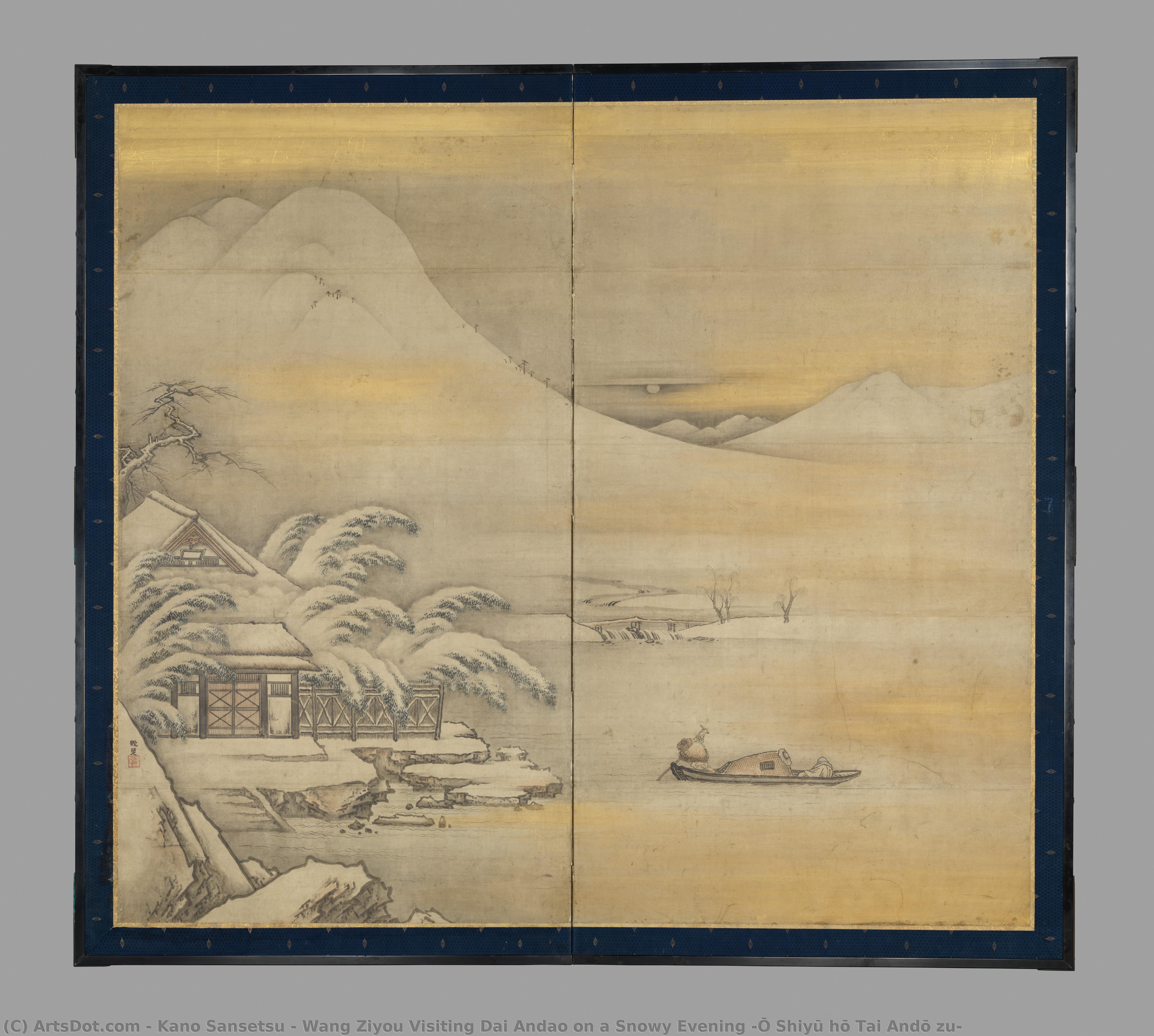
Sansetsu’s artistic style is immediately recognizable – a captivating blend of traditional Japanese aesthetics and innovative approaches that distinguished the Kanō school from its predecessors. His paintings are characterized by an exquisite sensitivity to light and atmosphere, particularly evident in his masterful depictions of winter landscapes. He possessed an uncanny ability to capture the subtle nuances of snow-covered branches, frozen streams, and the ethereal glow of twilight, creating scenes imbued with a profound sense of tranquility and beauty. Unlike earlier Kanō painters who primarily focused on portraits and courtly subjects, Sansetsu’s work leaned heavily into landscape and nature studies – a shift that reflected the growing influence of Zen philosophy and a desire to capture the essence of the natural world. His use of color was deliberate and restrained, often employing subtle gradations of blue, gray, and white to evoke the mood and texture of his subjects. Furthermore, he skillfully manipulated brushstrokes, layering them with precision and control to achieve remarkable depth and realism. Notable works like “Winter Landscape” and "Wang ziyou visiting dai andao on a snowy evening" exemplify this mastery, showcasing not just technical skill but also an emotional resonance that draws the viewer into the scene. His painting of “Crabs and Peonies,” while seemingly simple in subject matter, demonstrates his ability to balance delicate floral forms with the textures of natural elements, creating a visually harmonious composition.The Leader and Legacy of the Kanō School
Sansetsu’s ascension as the leader of the Kanō school marked a significant turning point in its history. He didn't simply maintain the established traditions; he actively shaped their evolution, introducing new techniques and expanding the range of subjects explored by the artists within his circle. His son, Kanō Einō, continued this legacy, further refining the school’s style and solidifying its reputation as one of Japan’s finest artistic institutions. The influence of Sansetsu extended far beyond his immediate family; countless artists who followed in the Kanō tradition benefited from his guidance and expertise. The establishment of the Seiji Togo Memorial Yasuda Kasai Museum of Art, dedicated to preserving and showcasing the works of the Kanō school, stands as a testament to his enduring impact on Japanese art history.Key Works: Windows into a World of Beauty
Several paintings stand out as particularly representative of Sansetsu’s artistic vision and technical skill. “Winter Landscape” remains perhaps his most iconic work, a breathtaking depiction of a snow-laden forest that captures the stillness and serenity of winter with remarkable precision. “Wang ziyou visiting dai andao on a snowy evening,” another celebrated piece, portrays a scene of quiet contemplation amidst a wintry landscape, demonstrating Sansetsu’s ability to convey mood and atmosphere through subtle color choices and delicate brushwork. The painting “Crabs and Peonies” is a testament to his skill in balancing the textures of nature with the elegance of floral forms. These works, alongside others such as "Transcendent" and "Two chickens on thatched roof," offer a glimpse into the artist’s profound understanding of Japanese aesthetics and his ability to translate that understanding onto canvas.A Lasting Impact on Art and Culture
Kano Sansetsu's legacy extends far beyond the individual paintings he created. He played a crucial role in shaping the Kanō school, transforming it from a regional workshop into a national institution. His dedication to preserving and advancing traditional Japanese painting techniques ensured that the school’s artistic principles would be passed down through generations of artists. The continued appreciation for his work, as evidenced by its presence in prestigious collections like those at the Metropolitan Museum of Art and its ongoing celebration within institutions such as Google Arts & Culture, underscores his enduring significance in the history of Japanese art. His life and work serve as a powerful reminder of the transformative power of artistic vision and the lasting impact that one individual can have on an entire cultural tradition.
Kanō Sansetsu
1651 , Japan
基本情報
- Artistic Movement Or Style: Kanō School
- Artists Or Movements Influenced By This Artist:
- Kanō Einō
- Kanō School
- Artists Who Influenced This Artist: ['Kanō Sanraku']
- Date Of Birth: 1589
- Date Of Death: 1651
- Full Name: Kanō Sansetsu
- Nationality: Japanese
- Notable Artworks:
- Winter Landscape
- Wang ziyou visiting dai andao
- Crabs and peonies
- Place Of Birth: Hizen Province, Japan

