

 設置イメージを表示
 シェアする
シェアする シェアする
シェアする
 詳細を見る
詳細を見る ガイドを表示

 ダウンロード
 似ている作品
 X線調査
X線調査 スライドショーを表示
 Q&A
Q&A 統計情報
統計情報Stacking Grain Sheaves


 詳細を表示
詳細を表示
ウェブ上のプレビューを遥かに凌駕する、印刷に最適なファイルをご提供します。当サイトで販売しているすべてのデジタル画像は、弊社のデータベース内にある高解像度のマスターデータ(通常、幅5,000〜15,000ピクセル)から作成されています。そのため、大判印刷や大胆なクロップ、細部まで緻密な再現も、安心してお楽しみいただけます。
当スタジオから送り出される画像は、すべて丁寧に加工されています。デジタルエキスパートが原画と照らし合わせて色調を精査し、必要に応じて補正を行った上で、プロ仕様のリタッチツールを用いて鮮明さと細部を向上させます。その際、アーティストの筆致やスタイルに忠実であることを常に追求しています。その結果、単なるスキャン画像にフィルターをかけたようなものではなく、まるで本物の絵画を見ているかのような仕上がりを実現しています。
仕上がりをご確認いただいてから完了となります。専門スタッフが、ご確認用の画像を72時間以内にメールでお送りいたします。もしご満足いただけない場合は、修正や改善のご要望を承るほか、品質が基準に満たない場合には返金も可能です。
出版社、デザインスタジオ、ギャラリー、そして印刷所から信頼される品質です。
デジタルアート
個人での鑑賞、印刷、クリエイティブなプロジェクトにご利用いただける高解像度ファイルをダウンロードできます。 ( プリント版に切り替え 手描き複製画を注文する)
デジタル画像のご注文に付随する特典
確かな品質による、プロフェッショナルなデジタル配信
ArtsDot.com を選ぶことは、単に画像を手に入れることではありません。プロの手によって精密に仕上げられ、満足保証が付いた高品質なデジタルアートワークを受け取ることを意味します。ご注文いただいた際に自動的に付随する内容は、以下の通りです:

メールですぐにお届け
ご注文から72時間以内に、高解像度のデジタル画像ファイルをメールでお送りいたします。お手元に届き次第、すぐにご利用いただけます。

AI技術で最適化されたデジタルファイル
お客様の作品は、高度なAI技術と専門家による手作業を組み合わせてプロフェッショナルに最適化されており、細部のディテール、鮮明さ、そして正確な色再現性を最大限に引き出しています。

生涯無料の再送サービス
ファイルを誤って削除したり、紛失してしまったりしましたか?ご安心ください。いつでも無料で再送いたします。

輸入手数料は、いつでも一切かかりません
関税や手数料、配送料を気にすることなく、お気に入りのアートワークをすぐにお楽しみいただけます。デジタルダウンロードは常に免税です。

正確な色彩の保証
プロ仕様のツールとカラーマネジメント技術を用いることで、デジタル画像が元の色を最大限に忠実に再現することを保証いたします。

100日間満足保証
ご購入いただいたデジタル画像にご満足いただけない場合は、100日以内であれば、理由を問わず修正または100%の返金対応をさせていただきます。

100% 返金保証
ご満足いただけない場合は、デジタルファイルを受け取ってから100日以内であれば、理由を問わず全額返金いたします。

まとめ買い割引
3枚購入で10%OFF、5枚購入で15%OFF、10枚以上のご購入で20%OFF。クリエイティブなプロジェクトやギャラリー、エージェンシーに最適です。
A Symphony of Rural Labor
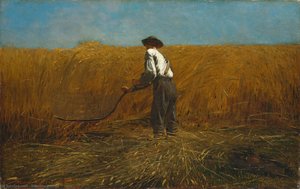
In the golden light of a late nineteenth-century afternoon, Julien Dupré captures a moment of profound communal effort in his masterpiece, Stacking Grain Sheaves. This evocative scene serves as a window into the rhythmic, tireless life of the French peasantry, where the boundaries between human toil and the natural world seem to dissolve. The painting depicts a group of farmers engaged in the monumental task of gathering hay, their bodies leaning into the weight of the harvest with a grace born of necessity. As they pile the golden stalks into massive, towering mounds, the composition draws the eye upward, mirroring the rising abundance of the earth. A solitary horse rests near the periphery, a silent witness to the industry unfolding around it, grounding the scene in the quiet, heavy atmosphere of a working farm.
The artistry of Dupré lies in his ability to elevate the mundane into the monumental. Through a masterful application of Realist technique, he renders the textures of the landscape with breathtaking precision—the coarse roughness of the dried hay, the soft dust rising from the field, and the sturdy, weathered fabrics of the laborers' clothing. His brushwork is deliberate yet fluid, capturing the play of sunlight across the undulating piles of grain, which act as the focal point of the canvas. The interplay of light and shadow creates a sense of depth that pulls the viewer into the heart of the field, making one feel the warmth of the sun and the physical weight of the harvest.
The Soul of the French Countryside
Beyond its technical brilliance, Stacking Grain Sheaves is steeped in the historical and emotional resonance of the Realist movement. Created during a period when the industrial revolution was rapidly transforming the landscape of Europe, Dupré’s work acts as a poignant tribute to a vanishing way of life. There is a profound sense of dignity imbued in every figure; these are not merely subjects of a pastoral scene, but heroes of their own survival. The painting celebrates the strength found in collective labor and the sacred bond between the people and the land they cultivate.
For the discerning collector or interior designer, this piece offers more than mere decoration; it provides an emotional anchor for a room. Its warm, earthy palette of ochre, gold, and deep umber brings a sense of organic tranquility and timelessness to any space. Whether placed in a sun-drenched library or a sophisticated contemporary living area, the painting invites contemplation on themes of perseverance, abundance, and the enduring beauty of the natural cycle. It is an investment in a piece of history that continues to breathe life and warmth into the modern home.
Q&A
「Stacking Grain Sheaves」には、Julien Dupréの他の作品群とどのような共通点が見られますか?
Julien Dupréの作品群において、「Stacking Grain Sheaves」はRealism様式に属しており、academic realism influence, french rural life, peasant labor themes, core of his oeuvre, naturalistic landscape styleというテーマを共有しています。
Julien Dupré作「Stacking Grain Sheaves」は、どの時代に制作されたものですか?
Julien Dupré作「Stacking Grain Sheaves」の制作年代は19th Centuryです。この分類により、美術史における本作の位置付けが明確になります。
「Stacking Grain Sheaves」の作者であるJulien Dupréには、他に知られている名前はありますか?
「Stacking Grain Sheaves」の作者であるJulien Dupréには、他にJulien Dupreといった名称でも記録されています。
関連作品


作家略歴
A Life Rooted in the French Countryside
Julien Dupré, born in Paris on March 18, 1851, was an artist whose life and work became inextricably linked to the rural heartland of France. His story is one of unexpected turns, shaped by historical events and a deep-seated connection to the land and its people. Initially destined for his family’s jewelry business – his father, Jean Dupré, was a jeweler, and he began an apprenticeship in lacemaking – fate intervened with the outbreak of the Franco-Prussian War in 1870. The closure of the lace shop during the siege of Paris provided an unforeseen opportunity for young Julien to pursue his artistic inclinations. He enrolled in evening classes at the École des Arts Décoratifs, a pivotal step that ultimately led him to the prestigious École des Beaux-Arts where he studied under Isidore Pils and Henri Lehmann. This formal training laid the foundation for his meticulous technique and academic approach, yet it was an encounter with a different kind of mentorship that truly defined his artistic path.The Influence of Laugée and the Embrace of Realism
A transformative period in Dupré’s development came with his travels to Picardy in the mid-1870s, where he became a student of Désiré François Laugée, a celebrated painter of rural genre scenes. This mentorship proved profoundly influential, shaping both his subject matter and artistic style. In 1876, a year marked by personal happiness – his marriage to Marie Eléonore Françoise Laugée, his mentor’s daughter – he exhibited his first painting at the Paris Salon, signaling his arrival on the art scene. Dupré's artistic vision was firmly rooted in Realism, an aesthetic movement that sought to depict everyday life with accuracy and sincerity. He wasn’t merely recording what he saw; he was imbuing it with a sense of dignity and respect for the lives of those who labored on the land. The influence of Jean-François Millet is palpable in his work, sharing a similar commitment to portraying peasant life not as idyllic fantasy but as a reality marked by both hardship and quiet beauty.Themes of Rural Life and Artistic Style
Throughout his career, Julien Dupré championed the lives of peasants and rural communities, becoming known for his evocative depictions of agricultural scenes in Normandy and Brittany. His paintings are characterized by their idyllic yet honest portrayals of farmers working in fields, tending to livestock, and engaging in the rhythms of daily life. He masterfully captured the beauty of the French countryside – the golden hues of ripening wheat, the soft light filtering through trees, the textures of earth and foliage. His style is often described as Academic Realism, a blend of meticulous detail, naturalistic lighting, and harmonious compositions. There’s a sense of tranquility that pervades his work, a reverence for the land and its people that invites viewers to pause and contemplate the simple beauty of rural existence. He wasn't interested in grand narratives or dramatic events; instead, he found poetry in the ordinary, elevating the everyday experiences of agricultural life to the realm of art.Recognition and Legacy
Dupré consistently exhibited at the Paris Salon throughout his career, gaining recognition for his evocative depictions of rural life. Paintings such as The Harvester, Stacking Grain Sheaves, and The Watering Hole became emblematic of his style and subject matter. While he didn’t achieve widespread international fame during his lifetime, his work resonated with art collectors and critics who appreciated his ability to capture the essence of peasant life with both realism and poetic sensibility. His paintings offer valuable insights into the social and economic conditions of rural France in the late 19th century, serving as a testament to the enduring beauty of the countryside and the dignity of agricultural labor. His legacy continues through his paintings, which are now held in numerous museums and private collections, offering future generations a glimpse into a bygone era. He contributed significantly to the Realist movement, providing a nuanced and sympathetic portrayal of peasant life that resonated with audiences seeking authenticity and emotional depth. Julien Dupré passed away on April 16, 1910, leaving behind a body of work that continues to celebrate the beauty and simplicity of rural French life.
Julien Dupré
1851 - 1910 , France
プロフィール概要
- Full Name: Julien Dupré
- Nationality: French
- Date Of Birth: 1851
- Date Of Death: 1910
- Place Of Birth: Paris, France
- Notable Artworks:
- The Harvester
- Harvesters
- Stacking Grain Sheaves
- Artistic Movement Or Style: Realism, Academic painting
- Artists Who Influenced This Artist:
- Jean-François Millet
- Désiré François Laugée