


 プレビュー
プレビュー
 シェアする
シェアする シェアする
シェアする
 詳細を見る
詳細を見る

 ダウンロード
 似ている作品
 X線調査
X線調査 スライドショー
Still Life


 詳細を見る
詳細を見る
ジークレー/アートプリント
迅速な制作と多彩な仕上げオプションを備えた、ミュージアムクオリティのジークレーまたはキャンバスプリント。 ( 手描きの絵画を購入 画像を購入)




P118B $10

P118H $10

P118W $10

P438Z $10

P508JH $12

P508YH $12

P805H $10

P805Z $10

P919BZ $10

P919G $10

P919XJ $10

P959ZH $10

P968JZ $12

W106C $8

W218G $10

W218JH $8

W218Y $10

W307PJ $10

W316G $10

W316PJ $8

W316Y $10

W398PJ $8

W4111J $10

W500HY $15

W500JH $15

W692G $12

W849H $8

W940BG $15

W953PJ $8




作品のオリジナル比率に合わせた、当店の規定サイズからお選びください。

特定のフレームやスペースに合わせて、ご自身でサイズを指定することも可能です。選択されたサイズが元の画像の比率と一致しない場合、作品をトリミングするか、鏡面反射または単色での塗りつぶしによって画像を拡張いたします。制作を開始する前に、ご確認用のデジタルモックアップをお送りいたします。
画面上のプレビューには、実際のトリミングや拡張は反映されませんのでご注意ください。最終的な構図を正確に確認できるのは、モックアップのみとなります。
カスタムサイズも承っておりますが、元の比率を維持するためには、あらかじめ用意されたリストからサイズを選択することをお勧めいたします。


 ガラスオプションは、110cm未満のサイズでのみご利用いただけます。

Still Life
ジークレー/アートプリント
複製画のサイズ
-


合計金額
$ 62
Juan de Arellano: A Master of Floral Still Life
Juan de Arellano (1614 – 1676) stands as a singular figure in the Baroque art landscape of Spain, celebrated primarily for his breathtaking floral still life paintings. Born in Santorcaz, near Madrid—a city that would become synonymous with his artistic legacy—Arellano’s life unfolded amidst the opulent patronage of Philip III and witnessed the burgeoning influence of Flemish and Italian artistic traditions. While biographical details remain somewhat sparse, he emerged as a student under Juan de Solís, whose landscapes offered a contrasting aesthetic to Arellano's focused dedication to botanical representation. His work embodies the spirit of the era—a fascination with observation, meticulous detail, and an attempt to capture not merely what is seen but also what is felt.- Style: Arellano’s style firmly rooted itself within the Baroque tradition, inheriting its dramatic chiaroscuro techniques and embracing a humanist sensibility that prioritized natural beauty and contemplation. However, unlike many of his contemporaries who sought grandeur and spectacle, he opted for a quieter, more intimate portrayal of nature—a deliberate choice reflecting the prevailing taste for decorative art during Philip III’s reign.
- Technique: Arellano excelled in oil painting on linen, utilizing layering and glazing methods to achieve remarkable luminosity and depth. He painstakingly rendered individual petals, stems, and leaves with astonishing accuracy, capturing subtle variations in color and texture—a testament to his mastery of observation and artistic skill. The artist’s meticulous approach ensured that each flower seemed to pulsate with life on the canvas.
The Influence of Flemish Masters
Like many artists of his era, Arellano absorbed the stylistic precepts of Flemish masters such as Daniel Seghers and Mario Nuzzi. These influences instilled in him a meticulous attention to detail and a masterful command of chiaroscuro—the dramatic interplay of light and shadow—techniques characteristic of Northern Baroque painting. Seghers’ landscapes taught Arellano how to convey atmosphere and perspective, while Nuzzi's flower paintings demonstrated the importance of capturing delicate nuances of color and form. This synthesis of artistic influences resulted in a distinctive visual language that distinguishes Arellano’s oeuvre from other Spanish painters of his time.Symbolism and Emotional Resonance
Beyond mere aesthetic beauty, Arellano's floral still lifes carried profound symbolic meaning—a hallmark of Baroque art. Flowers were frequently employed to convey concepts of mortality, remembrance, and spiritual contemplation, reflecting the anxieties of a society grappling with religious dogma and facing imminent death. The artist’s careful composition—often featuring birds perched atop vases or flowers—reinforced these themes, inviting viewers to engage in introspection and consider the ephemeral nature of existence. His paintings evoke a sense of serenity and melancholy, capturing the fleeting beauty of the natural world while simultaneously prompting reflection on human mortality.Notable Works
Among Arellano’s most celebrated pieces are “Bouquet of Flowers” (c.1660), currently housed in the Museo del Prado, Madrid—a masterful depiction of roses and lilies bathed in soft light—and “Garland of Flowers, Birds and Butterfly,” displayed at The Louvre. He also executed commissions for the sacristy of San Jerónimo el Real, showcasing his versatility as an artist. Furthermore, reproductions of his paintings can be found in museums across Europe, including Bilbao Fine Arts Museum and The Royal Academy of Fine Arts of San Fernando. Examining these artworks offers a glimpse into the artistic sensibilities of a pivotal moment in Spanish Baroque history.関連作品


アーティストの略歴
植物学的な輝きの巨匠
スペイン・バロックの黄金時代において、フアン・デ・アレラノほど、自然の儚い優美さを、これほどまでの精密さと情熱をもって捉えた芸術家は稀です。1614年、マドリードの活気あふれる中心地に近いサントルカスに生まれたアレラノは、劇的な宗教的情熱と重厚なリアリズムによって定義されるこの世紀において、唯一無二の存在として現れました。同時代の画家たちが壮大な歴史物語や激しい殉教の場面へと目を向ける中、アレラノは花びらや茎が織りなす繊細で静かな言語の中に自らの天職を見出したのです。彼の生涯と作品は、スペイン的な感性と、フランドルやイタリアの流派から流れ込む豪華で装飾的な伝統が見事に交差したものであり、17世紀の静物画における金字塔としての遺産を今に伝えています。
アレラノの芸術性の基礎は、風景画の専門家であったフアン・デ・ソリスの指導の下で築かれました。ソリスが描く風景の構造的な背景は、植物の細部へと向かうアレラノの芽生えつつあった関心を支える土台となりました。しかし、彼のビジョンを真に形作ったのは、より広範なヨーロッパの芸術的潮流でした。ダニエル・セーゲルスのようなフランドル派の巨匠が持つ、緻密で科学的とも言えるほどの正確さと、マリオ・ヌッツィといったイタリア人画家による光に満ちた劇的な構図を吸収することで、アレラノは独自の様式美を確立したのです。彼はキアロスクーロ(明暗法)の技術を極め、深くベルベットのような影と、まばゆいほどに輝くハイライトとの深遠な相互作用を用いることで、描かれるあらゆる薔薇、チューリップ、百合に生命を吹き込みました。
精密さと実利主義が織りなすビジョン
アレラノのキャリアの物語には、芸術への献身と、鋭い職業的知性が混ざり合った魅力的な二面性が存在します。歴史的な記録によれば、彼は花卉静物画のみを専門とするという意図的な選択を行いました。これは単なる審美的な好みではなく、極めて実利的な決断でもありました。この特定のジャンルに集中することで、彼は拡大する美術市場においてより効率的に活動することができました。祭壇画に求められるような巨大なキャンバスに比べ、身体的な負担が少なく、かつ需要の高い植物学的研究を提供することは、経済的にも大きな利益をもたらしたのです。この集中こそが、彼に比類なき技術的習熟をもたらし、それぞれのキャンバスを、超写実的な美しさへと通じる窓へと変貌させたのです。
彼の構図は、単なる植物の配置にとどまりません。それは色彩と形態が緻密に構成されたドラマそのものです。アレラノの手にかかれば、花束は質感と光が織りなす複雑な物語へと昇華されます。彼は、花の絶頂期にある一瞬の儚さを捉える並外れた能力を備えていました。萎れゆく花びらのわずかな丸まり、葉に宿る露の輝き、あるいは陽光を浴びて透き通るような花弁の質感。その筆致を通じて、鑑賞者は静謐な瞑想の世界へと誘われます。そこでは、自然界の移ろいゆく美が、永遠で鮮やかな完璧さの中に凍結されているのです。
遺産と芸術的意義
フアン・デ・アレラノの歴史的な重要性は、静物画というジャンルを、単なる副次的なものから、深い芸術的表現の媒体へと高めた点にあります。彼の作品は、初期バロックの重厚で象徴的な伝統と、その後に続く装飾的で光に満ちた美学を結ぶ、極めて重要な架け橋となっています。彼の絵画を通じて、私たちは国際的な様式がスペイン特有のエレガンスと調和し、国境を越えた芸術作品を生み出していく過程を目にすることができるのです。
今日、アレラノの作品の影響は世界中の名高い美術館のホールで感じられ、彼の象徴的な花束は今もなお人々を魅了し続けています。芸術界における彼の貢献には、以下のようなものがあります。
- 技術的革新:光と影を洗練された手法で操り、三次元的な植物のリアリズムを創出したこと。
- ジャンルの昇華:花卉静物画を、深い感情と象徴性を湛えた格調高い主題へと変貌させたこと。
- 文化の融合:フランドルの細密描写とイタリアのドラマ、そしてスペインの優雅さを融合させ、独自のヨーロッパ的美学を確立したこと。
名高い花束などの傑作を仰ぎ見る時、私たちは真の芸術とは、極小のものの中に無限を見出し、最も儚いものの中に永遠の美を見出す能力であるということを、改めて思い知らされるのです。

フアン・デ・アレラノ
1614 - 1676 , スペイン
基本情報
- Artistic Movement Or Style: バロック
- Artists Or Movements Influenced By This Artist: ['ダニエル・セーゲルス']
- Artists Who Influenced This Artist: ['フアン・デ・ソリス']
- Date Of Birth: 1614年
- Date Of Death: 1676年
- Full Name: フアン・デ・アレラノ
- Nationality: スペイン人
- Notable Artworks:
- 花のブーケ
- 花々のガーランド
- Place Of Birth: サントルカス、スペイン
関連記事

Dutch Baroque Masters: 10 Paintings That Shaped an Era | ArtsDot
Journey through the Golden Age with our guide to the Top 10 Dutch Baroque masterpieces! Explore iconic paintings by Rembrandt, Vermeer & Frans Hals. Find museum-quality art reproductions and elevate your home decor at ArtsDot.com.

Golden Age Reflections: Dutch Baroque Painting & Cultural Innovation
Explore the Dutch Golden Age of painting! Discover key artists like Vermeer & ter Borch, their innovative techniques, and the rich cultural context behind these Baroque masterpieces. Learn about collecting & appreciating this iconic art period.

Abraham Hendricksz van Beyeren: Pioneering Dutch Still Life & the Banquet Tradition
Explore the captivating world of Dutch Golden Age still life with Abraham van Beyeren. Discover his innovative techniques, symbolic banquet scenes & lasting influence on art history. Learn about collecting these masterpieces.

Silent Narratives: Exploring the Enduring Appeal of Still Life Painting Across Centuries
Explore the rich history of still life painting with ArtsDot. Discover Dutch Masters, decode vanitas symbolism & learn about collecting timeless art. Expert insights and museum-quality reproductions.
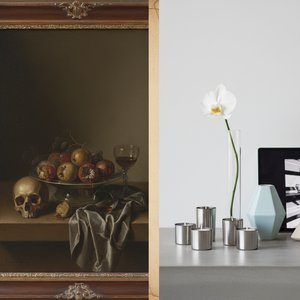
The Enduring Appeal of Still Life: A Historical & Contemporary Exploration
Explore the rich history & symbolism of still life painting with ArtsDot. Discover masterpieces from the Dutch Golden Age, learn about vanitas art, and find expert guidance for collecting timeless artworks.

