
 設置イメージを表示
 シェアする
シェアする シェアする
シェアする
 詳細を見る
詳細を見る ガイドを表示

 ダウンロード
 似ている作品
 X線調査
X線調査 スライドショーを表示
 Q&A
Q&A 統計情報
統計情報Old Trent Bridge, Nottingham

- 53.0 x 79.0 cm


 詳細を表示
詳細を表示
このページに掲載されている作品は著作権法によって保護されており、当社の許可なく同一の複製物を制作または販売することは法律で禁じられています。この保護は、以下のような国際条約に基づき執行されます。 ベルヌ条約 および、以下の条項に定められたものを含む各国の法律により、 米国著作権法 第17編。
この手法は、著作権で保護された作品の複製や複写を伴わないため、著作権法に完全に準拠しています。これは単なる模倣ではなく、創造的な再解釈です。元の作品からインスピレーションを受けつつも、それとは異なる、全く新しい絵画を生み出すものです。
ジークレー/アートプリント
スピーディーな制作と多彩な仕上げオプションが魅力の、ミュージアムクオリティなジークレー・キャンバスプリント。 ( 手描き複製画を注文する デジタル画像販売へ切り替え)




































作品のオリジナル比率に合わせた、当店の規定サイズからお選びください。

額縁や壁のスペースに合わせて、ご希望の幅と高さを入力してください。プリントはカットすることは可能ですが、元の画像より大きくすることはできないため、異なる比率のサイズを選択された場合は、画像の一部が欠けることになります。印刷を開始する前に、内容を確認していただくためのデジタルモックアップをお送りいたします。このページに表示されている画像は、実際のカット後の状態を示すものではありません。実際の仕上がりはモックアップにてご確認ください。


 ガラスオプションは、110cm未満のサイズでのみご利用いただけます。

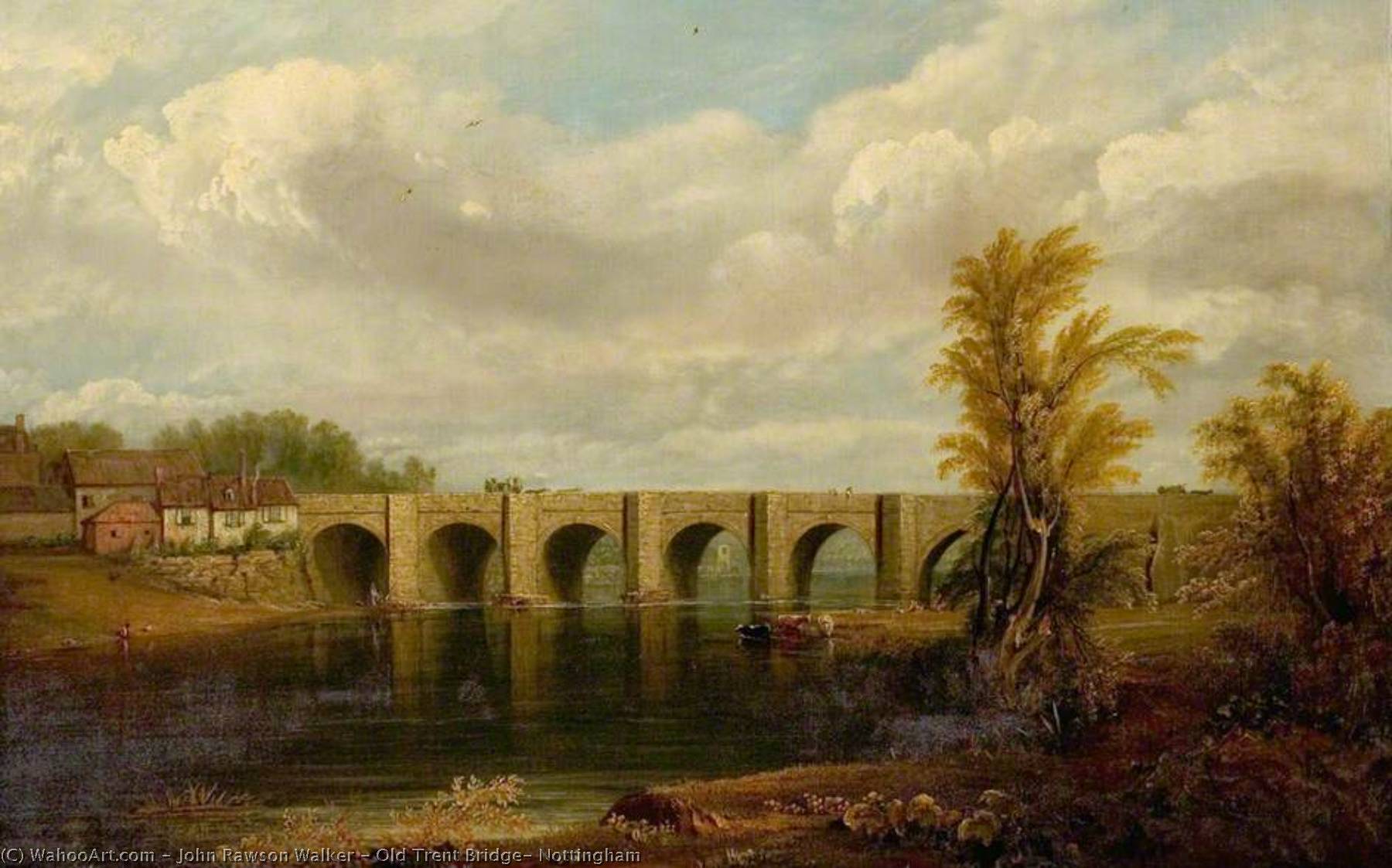
Old Trent Bridge, Nottingham
ジークレー/アートプリント
複製画サイズ一覧
-


合計金額
¥ 9961
The Painting's Composition
The painting depicts a serene scene of the Old Trent Bridge, with two arches spanning over the water. The surrounding landscape is lush and green, with several people scattered throughout the scene, enjoying the view or engaging in various activities. A boat on the water near the bridge adds to the peaceful atmosphere, while multiple birds flying close to the bridge or perched on nearby structures bring a sense of life and movement to the scene. Key Features of the painting include:- The use of warm colors to create a sense of tranquility and calmness
- The attention to detail in the depiction of the bridge's architecture and the surrounding landscape
- The inclusion of human figures and animals to add depth and interest to the scene
Artist and Style
John Rawson Walker's style is characterized by his use of oil on canvas and his ability to capture the beauty of landscapes and architecture. His work is reminiscent of other notable artists, such as William Adolphe Bouguereau, who created stunning pieces like The Nymphaeum. For more information on John Rawson Walker and his work, visit the ArtsDot.com website.To learn more about the Nottingham Castle Museum And Art Gallery and its collection, including works by other notable artists like Vincent Van Gogh, visit the Wikipedia page. For handmade oil paintings reproductions of "Old Trent Bridge, Nottingham" and other famous artworks, browse the ArtsDot.com collection.
Q&A
John Rawson Walker作「Old Trent Bridge, Nottingham」の輝度はどのくらいですか?
「Old Trent Bridge, Nottingham」の色調は、Gentle Luminanceの輝度を示しています。
John Rawson Walker作「Old Trent Bridge, Nottingham」の向き(横長・縦長)はどちらですか?
John Rawson Walker作「Old Trent Bridge, Nottingham」はPanoramic形式です。この形式は、構図の比率を表しています。
「Old Trent Bridge, Nottingham」の作者と制作年は?
「Old Trent Bridge, Nottingham」は、1825年にJohn Rawson Walkerによって制作されました。
関連作品


作家プロフィール
John Rawson Walker: Bridging the Rivers of Nottinghamshire
Sir John Rawson Walker (1796–1873) was more than simply a British landscape painter; he was a meticulous observer, a skilled draughtsman, and a keen recorder of the evolving industrial and rural landscapes of his time. Born in Henley-on-Thames, his early life instilled a deep appreciation for nature, a foundation that would profoundly shape his artistic vision. Walker’s career spanned several decades, witnessing significant transformations within Britain – from the burgeoning Industrial Revolution to the rise of Victorian society – and he consistently sought to capture these shifts with remarkable detail and sensitivity. His work isn't characterized by dramatic brushstrokes or overtly emotional expression; instead, it offers a quiet, contemplative engagement with the world around him, revealing a subtle poetry in everyday scenes.Early Influences and Artistic Training
Walker’s artistic journey began modestly, likely influenced by his family’s connections to the art world – his father, William Adams Rawson, was an oculist who later adopted the surname “Rawson,” a connection that subtly shaped Walker's own identity. While specific formal training remains somewhat elusive, it is believed he honed his skills through self-study and observation, absorbing the techniques of artists like Thomas Girtin and Canaletto, masters of topographical drawing and atmospheric perspective. His early works demonstrate a clear debt to these influences, particularly in their precise rendering of detail and their ability to evoke a sense of place. Crucially, Walker’s background within the British Civil Service – holding positions as a colonial secretary and treasurer – provided him with unparalleled access to diverse landscapes and cultures, fueling his artistic curiosity and broadening his visual vocabulary. This experience instilled a methodical approach to observation, evident in the meticulous detail he applied to every brushstroke.Nottinghamshire Landscapes: A Chronicle of Change
Walker’s most celebrated work is undoubtedly his extensive series of paintings depicting the landscapes of Nottinghamshire and surrounding areas. He became particularly renowned for his depictions of Old Trent Bridge, a monumental structure that dominated the River Trent and served as a vital link between north and south. His numerous studies of this iconic landmark – often rendered with remarkable accuracy and attention to architectural detail – offer a fascinating visual record of its construction and evolution over time. Beyond Old Trent Bridge, Walker captured the essence of the region’s diverse terrains: rolling hills, fertile meadows, picturesque villages, and the ever-present influence of the River Trent. His paintings aren't merely representations of scenery; they are imbued with a sense of history and memory, reflecting the changing rhythms of rural life and the encroachment of industrialization. Notable amongst his subjects were views of Nottingham Castle, Torquay Harbour, and various scenes from Newstead Abbey, showcasing his versatility and keen eye for composition.Technique and Style: Precision and Atmosphere
Walker’s artistic style is characterized by a remarkable level of technical precision. He was a master draughtsman, evident in the sharp lines and meticulous detailing of his paintings. However, he skillfully balanced this realism with an atmospheric approach, employing subtle gradations of tone and color to create a sense of depth and atmosphere. His use of light and shadow is particularly noteworthy, lending a quiet dignity to his scenes and imbuing them with a palpable sense of time and place. He often worked in watercolor and gouache, mediums that allowed him to achieve both delicate detail and luminous effects. His compositions are typically balanced and restrained, avoiding dramatic gestures or overly elaborate arrangements. Instead, he favored a more understated approach, allowing the inherent beauty of the landscape to speak for itself.Legacy and Historical Significance
John Rawson Walker’s contribution to British art lies not in revolutionary innovation but in his steadfast dedication to documenting the changing landscapes of his time. His meticulous observations and skillful renderings provide invaluable insights into the social, economic, and environmental transformations that shaped 19th-century Britain. His work is particularly significant for its portrayal of industrialization’s impact on rural communities – a theme increasingly explored by artists during this period. Furthermore, his detailed studies of Old Trent Bridge stand as a testament to his artistic skill and his ability to capture the essence of a landmark structure. While perhaps not widely celebrated in his own time, Walker's legacy endures through his evocative paintings, offering viewers a poignant glimpse into a bygone era and a profound appreciation for the beauty of the English countryside. His work is now held by institutions such as The Art Institute of Chicago and the Victoria and Albert Museum, ensuring that his artistic vision continues to be appreciated and studied today.
プロフィール概要
- Artistic Movement Or Style: Landscape art
- Date Of Death: 1899
- Full Name: John Rawson Walker
- Nationality: British
- Notable Artworks:
- Old Trent Bridge, Nottingham
- Torquay Harbour views
- Newstead Abbey sketch
- Place Of Birth: WahooArt