


 プレビュー
プレビュー
 シェアする
シェアする シェアする
シェアする
 詳細を見る
詳細を見る ガイド
ガイド

 ダウンロード
 似ている作品
 X線調査
X線調査 スライドショー
 統計情報
統計情報Arnold Schönberg
 Contemporary Realism
 1935
1935 18.0 x 23.0 cm
 Arnold Schönberg Center
 詳細を見る
詳細を見る
ジークレー/アートプリント
迅速な制作と多彩な仕上げオプションを備えた、ミュージアムクオリティのジークレーまたはキャンバスプリント。 ( 手描きの絵画を購入 デジタル画像販売へ切り替え)




































作品のオリジナル比率に合わせた、当店の規定サイズからお選びください。

特定のフレームやスペースに合わせて、ご自身でサイズを指定することも可能です。選択されたサイズが元の画像の比率と一致しない場合、作品をトリミングするか、鏡面反射または単色での塗りつぶしによって画像を拡張いたします。制作を開始する前に、ご確認用のデジタルモックアップをお送りいたします。
画面上のプレビューには、実際のトリミングや拡張は反映されませんのでご注意ください。最終的な構図を正確に確認できるのは、モックアップのみとなります。
カスタムサイズも承っておりますが、元の比率を維持するためには、あらかじめ用意されたリストからサイズを選択することをお勧めいたします。


 ガラスオプションは、110cm未満のサイズでのみご利用いただけます。

Arnold Schönberg
ジークレー/アートプリント
複製画のサイズ
-


合計金額
$ 62
関連作品


アーティストの略歴
A Lens on the American Soul: The Life and Legacy of John Gutmann
The story of John Gutmann is one of profound transformation, a narrative that begins in the sophisticated, shadowed streets of Weimar Germany and finds its ultimate expression in the vibrant, sun-drenched landscapes of the American West. Born in 1905 in Breslau, Gutmann was a product of an era defined by intense cultural upheaval and artistic experimentation. His early years were steeped in the rigorous traditions of European fine art; he studied under the painter Otto Müller at the Staatliche Akademie für Kunst und Kunstgewerbe Breslau, honing a meticulous eye for detail and a deep understanding of composition. This classical foundation, however, was soon met by the turbulent political tides of the 1930s. As a Jewish artist in Germany, the rising shadow of Nazism rendered his path in Europe untenable, forcing him into an emigration that would fundamentally redefine his artistic identity.
Arriving in San Francisco in late 1933, Gutmann did not merely arrive as a refugee, but as a visionary seeking a new way to see. Carrying with him a Rolleiflex camera, he transitioned from the canvas to the lens, embarking on a career in photojournalism that would capture the very heartbeat of mid-century America. This period marked the birth of his signature “worm’s-eye view,” a perspective that eschewed the detached gaze of traditional documentary photography in favor of an intimate, immersive engagement with his subjects. Through his work with agencies like Presse-Photo and later PIX, Gutmann became a silent witness to the American experience, documenting everything from the gritty tensions of the 1934 West Coast waterfront strike to the celebratory grandeur of the Golden Gate International Exposition.
The Intersection of Realism and Human Connection
What distinguished Gutmann’s work was an uncanny ability to blend the precision of a trained painter with the spontaneous energy of a photojournalist. His photography possessed a cinematic quality, often utilizing dramatic lighting and unique angles to elevate ordinary moments into profound studies of character. He had a particular talent for capturing the diverse tapestry of American life—the marginalized, the working class, and the cultural icons alike. This was perhaps most famously realized in his striking black-and-white portrait of the composer Arnold Schönberg, a work that demonstrates his mastery of light and shadow to evoke a sense of enduring wisdom.
While his photographic output is widely celebrated for its historical importance, Gutmann’s artistic spirit remained deeply rooted in the painterly. His paintings often served as a quiet companion to his photography, characterized by:
- Muted Palettes: A subtle use of color that reflected the influence of European Expressionism.
- Tonal Gradations: A focus on soft transitions and light that mirrored his photographic sensitivity.
- Intimate Subject Matter: Landscapes and interiors that captured a sense of stillness and contemplative observation.
A Lasting Impression on American Visual Culture
Beyond the individual images, Gutmann’s historical significance lies in his role as an educator and a bridge between cultures. By founding the photography department at San Francisco State College in 1946, he helped shape the next generation of visual storytellers, instilling in them a respect for both technical mastery and social awareness. He viewed himself as an outsider—a naturalized citizen and a person of Jewish heritage—and it was this very perspective that allowed him to document the American landscape with such unique clarity and empathy.
Today, the archive of John Gutmann stands as a vital historical record, preserved at The Center for Creative Photography. His work remains a testament to the power of the gaze to transcend borders and eras. Whether through the stark realism of his newsprint photographs or the subtle textures of his paintings, Gutmann captured more than just events; he captured the essence of an era, leaving behind a visual legacy that continues to resonate with the complexity and beauty of the human condition.

john h. gutmann
1905 - 1998 , Germany
基本情報
- Artistic Movement Or Style: American Realism
- Date Of Birth: 1905
- Date Of Death: 1998
- Full Name: John Frederick Lewis
- Nationality: German-born American
- Notable Artworks: ["worm's-eye view"]
- Place Of Birth: Breslau, Germany
関連記事

ジョン・コンスタブルの傑作25選:英国風景画の巨匠が描く自然と光の詩 | ArtsDot
ジョン・コンスタブルの傑作25選。英国風景画の巨匠が描く自然と光の詩の世界へ。ロマン主義を代表する絵画、デダム・ヴェールやヘイ・ウェインなど、ArtsDotで高品質なアートプリントをお楽しみください。インテリアに深みと感動を。コレクションはこちら。

ジョン・シンガー・サージェント:至高の25選 - 美と光の肖像画の世界 | ArtsDot
ジョン・シンガー・サージェントの至高の25選。肖像画、写実主義、光と影の表現が美しい作品群を紐解きます。マダムXや少女の肖像など、時代を超えて愛される名作をArtsDotで鑑賞。高品質なアート複製で、お部屋に美術館のような空間を。今すぐコレクションをご覧ください。

White on Canvas: 10 Masterpieces & Timeless Elegance for Your Home Decor
Explore 10 iconic white paintings by Monet, Whistler & Rothko! Discover the stories behind these serene masterpieces and their impact on art history. Find museum-quality reproductions for your home decor at .

Monochrome Visions: Exploring the Aesthetic & Historical Significance of Black & White Photography
Explore the rich history & artistic power of black and white photography. From early techniques to iconic masters like Ansel Adams, discover why monochrome continues to captivate art lovers today. Expert insights for collectors.
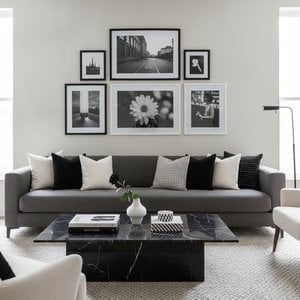
Timeless & Chic: Elevating Your New Home with the Sophistication of Black and White Photography
Transform your new home with the timeless allure of black and white photography. ArtsDot.com specializes in elegant monochrome decor and custom hand-painted wedding portraits that turn cherished milestones into lasting, soulful masterpieces. Elevate your space with ease.