


 設置イメージを確認
 送る
送る シェア
シェア
 詳細情報
詳細情報 ガイドを表示

 画像をダウンロード
 似ている作品
 X線調査
X線調査 スライドショー
 統計情報
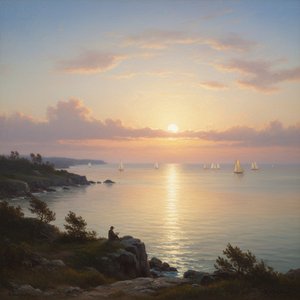
統計情報Sunset
 Oil On Canvas
- WallArt
- Hudson River School
 1872
1872- 19th Century
 46.0 x 76.0 cm
 メトロポリタン美術館
 続きを読む
続きを読む
手描き油彩複製画
当社のアーティストが、お客様のご希望のサイズと額縁に合わせて、キャンバスに手描きで制作する油彩画です。 ( プリント版に切り替え デジタル画像販売へ切り替え)




P118B ¥10

P118H ¥10

P118W ¥10

P438Z ¥10

P508JH ¥12

P508YH ¥12

P805H ¥10

P805Z ¥10

P919BZ ¥10

P919G ¥10

P919XJ ¥10

P959ZH ¥10

P968JZ ¥12

W106C ¥8

W218G ¥10

W218JH ¥8

W218Y ¥10

W307PJ ¥10

W316G ¥10

W316PJ ¥8

W316Y ¥10

W398PJ ¥8

W4111J ¥10

W500HY ¥15

W500JH ¥15

W692G ¥12

W849H ¥8

W940BG ¥15

W953PJ ¥8




作品のオリジナル比率に合わせた、当店の規定サイズからお選びください。

特定のフレームやスペースに合わせて、ご希望のサイズをご入力いただけます。選択されたサイズが元の画像の比率と異なる場合、アートワークをトリミングするか、手描きで要素を追加して絵画を拡張いたします。デジタルモックアップ を制作し、制作開始前にご確認(承認)をいただきます。
画面上のプレビューは、実際のトリミングや拡張を正確に反映しているものではありません。最終的な構図は、モックアップによってのみ正確にご確認いただけます。
カスタムサイズもご利用いただけますが、元の比率を維持するためには、あらかじめ用意されたリストからサイズを選択することをお勧めいたします。
ご注文後、ArtsDot.com チームより詳細な指示をお送りするとともに、仕上がりイメージ(モックアップ)をご提供いたします。


 ガラスオプションは、110cm未満のサイズでのみご利用いただけます。

Sunset
再現技法
複製画サイズ一覧
-


合計金額
¥ 40564
John Frederick Kensett’s Sunset on the Sea: A Luminist Meditation
The painting “Sunset on the Sea,” created by John Frederick Kensett in 1872, stands as a quintessential example of Luminism—a movement that championed atmospheric light and serene landscapes—and embodies Kensett's profound connection to the American wilderness. More than just a depiction of a coastal vista, it’s an exploration of mood, color, and the sublime beauty inherent in nature’s fleeting moments. ### Subject Matter and Composition Kensett meticulously captured the essence of Long Island Sound at dusk. The scene unfolds with remarkable clarity: a distant island punctuates the horizon line against a backdrop of expansive sky ablaze with hues of orange, crimson, and violet—colors painstakingly blended to convey the warmth and vibrancy of the setting sun. Foreground trees frame the composition, subtly guiding the viewer’s gaze towards the central vista. These trees aren't merely decorative; they serve as anchors for the eye, grounding the ethereal expanse above in a tangible reality. Scattered boats add a touch of human presence, emphasizing the scale of the landscape and hinting at the quiet contemplation of those observing it. ### Artistic Style and Technique – Luminist Philosophy Kensett’s approach aligns perfectly with the tenets of Luminism—a reaction against Romantic idealism that prioritized observation and accurate representation over dramatic emotion. Unlike his predecessors who sought to convey grandeur and awe, Kensett aimed for a more restrained aesthetic, focusing on capturing the subtle nuances of light and color as they interacted with the natural world. He achieved this remarkable feat through meticulous layering of thin glazes—a technique characteristic of Luminist painters—allowing him to build up luminous surfaces that shimmer with reflected light. This painstaking process resulted in an image that feels remarkably immediate and truthful, mirroring the experience of witnessing a sunset firsthand. ### Historical Context and Influences Kensett’s “Sunset on the Sea” emerged during a period of significant artistic innovation in America. The Hudson River School, which Kensett helped establish, championed idealized depictions of American landscapes—often infused with spiritual resonance—responding to the burgeoning Transcendentalist movement's emphasis on intuition and connection to nature. Turner’s atmospheric paintings profoundly impacted Luminist artists like Kensett, who sought to emulate Turner’s ability to convey emotion through color and light without resorting to overt narrative elements. The painting reflects a broader cultural preoccupation with capturing beauty and tranquility amidst the rapid industrialization of the era—a desire for respite from urban life and an appreciation for the enduring power of unspoiled wilderness. ### Symbolism and Emotional Impact Beyond its technical brilliance, “Sunset on the Sea” resonates deeply with viewers due to its symbolic significance. The sunset itself represents closure, transition, and the inevitable passage of time—themes explored extensively by Romantic poets and artists. However, Kensett’s Luminist style mitigates any sense of melancholy, presenting instead a vision of serene beauty and contemplative stillness. The radiant sun symbolizes hope and renewal, suggesting that even as day fades into night, light persists—a comforting reminder of the enduring presence of divine grace in the natural world. Viewing this painting evokes feelings of peace, wonder, and an appreciation for the sublime grandeur of nature—qualities that continue to captivate audiences today.よくあるご質問
ご購入前に、ジョン・フレデリック・ケンセット作「Sunset」 をご自身の壁に飾った様子を確認することはできますか?
「Sunset」は、拡張現実(AR)でのプレビューが可能です。対応デバイスで作品のARプレビューページを表示すると、ご自身の空間に作品を配置してご確認いただけます。
「Sunset」を手がけたアーティストは誰ですか?
「Sunset」はジョン・フレデリック・ケンセットによって制作されました。このページでは、ジョン・フレデリック・ケンセットのオリジナル作品についてご紹介しています。
ジョン・フレデリック・ケンセット作「Sunset」では、どのような配色が使われていますか?
ジョン・フレデリック・ケンセット作「Sunset」のパレットはEarthyと表現されています。これは、作品の色使いを簡潔にまとめたものです。
ジョン・フレデリック・ケンセット作「Sunset」は、何年に制作されましたか?
「Sunset」は1872年に制作されました。この制作年は、ジョン・フレデリック・ケンセットのキャリアおよびその時代の文脈において、本作を位置づけるものです。
「Sunset」のHudson River School様式には、どのような情緒的なトーンが漂っていますか?
Hudson River Schoolのムーブメントにおいて、「Sunset」はTranquilなトーンで描かれています。
ジョン・フレデリック・ケンセット作「Sunset」はどのような種類の作品ですか?
「Sunset」は、WallArtの作品です。
ジョン・フレデリック・ケンセットは何歳の時に「Sunset」を制作しましたか?
ジョン・フレデリック・ケンセットは56歳の時に「Sunset」を制作しました。作家は1816年に生まれ、本作の制作年は1872年です。
関連作品


アーティストについて
静寂を画布に刻む人生:ジョン・フレデリック・ケンセットの軌跡
ジョン・フレデリック・ケンセット(1816年3月22日 - 1872年)は、アメリカの画家であり版画家です。コネチカット州チェシャーで生まれ、ハドソン・リバー派の第二世代を代表する人物として知られています。彼の作品は、自然の超越的な側面を称え、穏やかで光輝く質感が特徴です。ケンセットは、風景の中に潜む静寂と美しさを追求し、アメリカの自然観に深い影響を与えました。幼少期から絵画への才能を開花させ、その生涯を風景画の探求に捧げました。初期の修練とニューヨークでの活躍
ケンセットはチェシャー・アカデミーに通い、父親であるトーマス・ケンセットから版画の技術を学びました。1838年までニューヘイブンで版画家として働いた後、ニューヨーク市に移り、銀行券の版画制作に携わります。しかし、彼の心は絵画への情熱へと傾き、1840年にはヨーロッパへ渡航し、ベンジャミン・シャンピーと共に油彩技法を研鑽しました。このヨーロッパ滞在は、ケンセットの芸術的視野を広げ、後の作風形成に大きな影響を与えました。ニューヨークに戻ると、スタジオを開設し、精力的に創作活動を開始します。ルーミニズム様式の確立と自然への深い洞察
ニューヨークでスタジオを設立した後、ケンセットは北東部やコロラド・ロッキー山脈を広範囲に旅し、これらの風景の真髄を捉えました。彼のスタイルは、伝統的なハドソン・リバー派からより洗練されたルーミニズムへと進化しました。ルーミニズム様式は、抑制された筆致で大気光の質感を表現することに特徴があり、ケンセットはその先駆者として名を馳せました。1851年には、「コンウェイ渓谷からのマウント・ワシントン」がアメリカ美術連合によって購入され、13,000人の購読者に配布されました。この作品は彼の名声を高めるとともに、ルーミニズム様式の普及に貢献しました。また、1872年に制作された「ロングアイランドのイートンズ・ネック」は、ケンセットのルーミニズム様式を代表する傑作として、現在ニューヨークのメトロポリタン美術館に所蔵されています。芸術的遺産と後世への影響
ケンセットはメトロポリタン美術館の創設者の一人であり、国立デザインアカデミーの正会員でもありました。彼の作品は生前より高く評価され、現在も風景画に多大な影響を与え続けています。彼は単なる自然の描写にとどまらず、風景の中に潜む精神性や感情を表現することを目指しました。その繊細な光彩と静謐な雰囲気は、多くの人々を魅了し、アメリカ美術史における重要な位置を占めています。 主要作品:- 夕焼け空 (ca. 1870), メトロポリタン美術館, ニューヨーク
- スリーマイルハーバー (ca. 1860), タルラハシー美術館

ジョン・フレデリック・ケンセット
1816 - 1872 , アメリカ合衆国
アーティスト情報
- Artistic Movement Or Style: ハドソン・リバー派、ルミナリズム
- Artists Or Movements Influenced By This Artist: ['ルミナリズム']
- Artists Who Influenced This Artist:
- トーマス・コール
- ベンジャミン・シャンピー
- Date Of Birth: 1816年3月22日
- Date Of Death: 1872年12月14日
- Full Name: ジョン・フレデリック・ケンセット
- Nationality: アメリカ人
- Notable Artworks (List Of Titles):
- マウント・ワシントン渓谷から
- イートンズ・ネック
- Place Of Birth (City And Country): コネチカット州チェシャー
関連記事

Sanford Robinson Gifford: Luminism & the American Landscape Tradition
Explore the serene landscapes of Sanford Robinson Gifford, a leading Luminist painter of the Hudson River School. Discover his mastery of light, atmospheric effects & lasting influence on American art. Hand-painted reproductions available.

葛飾北斎:25の傑作が語る浮世絵の世界 - ArtsDot
葛飾北斎の25選:『神奈川沖浪裏』や『富嶽三十六景』など、浮世絵の世界を深く探求。木版画の技法と日本美術の美をArtsDotで。高品質なアートプリントで空間に感動を。コレクションはこちら。
William Trost Richards: Luminism, Spirituality & the American Landscape Tradition
Explore the captivating landscapes of William Trost Richards, a master of Luminism associated with both the Hudson River School & American Pre-Raphaelite movements. Discover his spiritual connection to nature and lasting influence on American art.

John Frederick Kensett: Luminosity, Landscape & the American Identity
Explore the luminous landscapes of John Frederick Kensett, a master of Luminism and key figure in the Hudson River School. Discover his serene paintings & enduring legacy with ArtsDot.

Robert Spencer: Luminism, Narrative & the American Landscape Tradition
Explore the captivating world of Luminism & the Hudson River School with our expert analysis. Discover the history, artists, and enduring beauty of 19th-century American landscape painting. Find museum-quality reproductions at ArtsDot.


