


 設置イメージを確認
 送る
送る シェア
シェア
 詳細情報
詳細情報 ガイドを表示

 画像をダウンロード
 似ている作品
 X線調査
X線調査 スライドショー
 統計情報
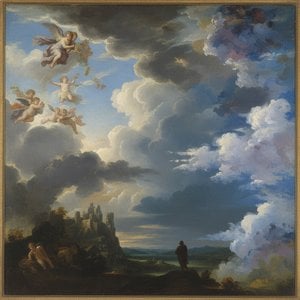
統計情報Cloud study, horizon of trees

 続きを読む
続きを読む
ジークレー/アートプリント
スピーディーな制作と多彩な仕上げオプションが魅力の、ミュージアムクオリティなジークレー・キャンバスプリント。 ( 手描きの複製画を注文する デジタル画像販売へ切り替え)




































作品のオリジナル比率に合わせた、当店の規定サイズからお選びください。

額縁や壁のスペースに合わせて、ご希望の幅と高さを入力してください。プリントはカットすることは可能ですが、元の画像より大きくすることはできないため、異なる比率のサイズを選択された場合は、画像の一部が欠けることになります。印刷を開始する前に、内容を確認していただくためのデジタルモックアップをお送りいたします。このページに表示されている画像は、実際のカット後の状態を示すものではありません。実際の仕上がりはモックアップにてご確認ください。


 ガラスオプションは、110cm未満のサイズでのみご利用いただけます。

Cloud study, horizon of trees
ジークレー/アートプリント
複製画サイズ一覧
-


合計金額
¥ 9758
John Constable’s Cloud Study: Horizon of Trees – A Symphony in Light and Atmosphere
Constable's *Cloud Study: Horizon of Trees*, painted in 1821, stands as a cornerstone of Romantic landscape painting and exemplifies the artist’s profound understanding of natural phenomena. Born in East Bergholt, Suffolk, Constable inherited a legacy of artistic appreciation from his father, George Beaumont, who fostered his passion for observing and capturing the sublime beauty of the English countryside – specifically the Vale of Stour. This formative experience instilled within him an unwavering dedication to portraying nature with unparalleled accuracy and emotional resonance.- Subject Matter: The painting depicts a simple yet powerfully evocative scene: a panoramic vista dominated by towering cumulus clouds stretching across the sky, juxtaposed against a fringe of tree tops nestled along the horizon line. Constable deliberately reduced his subject to its essential elements – light, form, and texture – inviting contemplation on the grandeur and harmony inherent in the natural world.
- Style: Rooted firmly in Romanticism, *Cloud Study* embodies the movement’s preoccupation with emotion and imagination alongside scientific observation. Constable sought not merely to depict what he saw but to convey the feeling of being immersed within a sublime landscape, mirroring the philosophical currents of his time.
Technique: Mastering Light and Atmosphere
Constable's mastery of technique is evident in every brushstroke. He employed translucent paints—primarily blues and greys—to create an illusion of depth and volume, skillfully capturing the ephemeral qualities of light as it diffused through the clouds. This painstaking process involved layering pigments to achieve subtle gradations of tone, mirroring the way sunlight interacts with atmospheric particles. Furthermore, Constable utilized opaque colors sparingly – often white – to highlight specific areas and accentuate textural variations within the tree tops. This technique wasn’t simply about visual representation; it was a deliberate attempt to embody the very essence of Romantic idealism—the belief that art could elevate the human spirit through communion with nature.- Color Palette: Constable favored muted hues, prioritizing tonal harmony over vibrant color saturation. The dominant blues and greys reflect the prevailing weather conditions – overcast skies characteristic of the Suffolk landscape during autumn.
- Brushwork: Constable’s expressive brushstrokes contribute significantly to the painting's emotional impact. Loose, gestural marks convey movement and dynamism, mirroring the turbulent energy of the clouds while simultaneously suggesting a sense of stillness and contemplation.
Symbolism: Divinity Reflected in Landscape
Beyond its aesthetic qualities, *Cloud Study* carries symbolic weight reflecting Constable’s Romantic worldview. Like many of his fellow artists, Constable viewed light as embodying divine presence—a conduit for spiritual illumination. By bathing the landscape in a soft, ethereal glow, he subtly communicates the grandeur and mystery of creation. The painting encourages viewers to consider questions of faith and wonder, prompting reflection on humanity's place within the vastness of the cosmos.Historical Context: Constable’s “Six-Footers” and Artistic Legacy
*Cloud Study* belongs to Constable’s celebrated series of large-scale paintings known as his "six-footers," which solidified his reputation as one of England's foremost landscape artists. These monumental canvases represent a culmination of Constable’s artistic explorations, demonstrating his unwavering commitment to capturing the sublime beauty of the English countryside with unprecedented emotional depth and technical precision. His influence extended far beyond his own lifetime, inspiring subsequent generations of painters who sought to emulate his masterful command of light and atmosphere—a legacy that continues to resonate within contemporary art practice.よくあるご質問
ジョン・コンスタブル作「Cloud study, horizon of trees」の彩度や色の強さはどのような感じでしょうか?
ジョン・コンスタブル作「Cloud study, horizon of trees」は、Mutedの彩度とMonochromaticの強烈な色彩で記録されています。
「Cloud study, horizon of trees」のスタイルは、作者の時代背景とどのように関わっていますか?
ジョン・コンスタブル作「Cloud study, horizon of trees」は、作者の19世紀という時代における、Romantic Landscape Paintingのムーブメントに位置づけられます。
「Cloud study, horizon of trees」は、どのアーティストの作品とされていますか?
「Cloud study, horizon of trees」を手がけたアーティストはジョン・コンスタブルです。この作品はジョン・コンスタブルの名でカタログに登録されています。
関連作品


アーティストについて
ジョン・コンスタブル:英国風景画の革命児
1776年、サフォーク州イースト・バーゴルト村で生まれたジョン・コンスタブルは、単なる風景画家ではありませんでした。彼は土地そのものの詩人であり、繊細な気まぐれと永続的な美しさを、比類のない感情の深みとともにキャンバスに翻訳しました。彼の父親は裕福な穀物商であり、デッドハム・ヴェールやストゥア川沿いの製粉所を所有していました。この初期の没入感—農業生活のゆっくりとしたリズム、畑と水の絶え間ない光の変化、自然の詳細—コンスタブルの芸術的な人生を定義することになる主題を提供し、彼の感受性に深く刻み込まれました。当初は父親の後を追うことを期待されていましたが、芽生えた芸術への情熱、特にジョージ・ビーモンによって育まれられ、クロード・ロランの作品を紹介されたことで、彼は別の道へと導かれました。コンスタブルの芸術的旅路はすぐに始まったものではなく、注意深い観察と、自分が存在する風景の中に感じていることを捉えたいという揺るぎない願望によって形作られた、徐々に展開していくものでした。伝統からの脱却:自然への新たなビジョン
コンスタブルの芸術的発展は、支配的な学術的慣習に対する意図的な拒絶によって特徴づけられました。ロイヤル・アカデミーで好まれる理想化され、しばしば劇的な風景に不満を抱きながら、彼は個人的な感情が込められた自然の真実の表現を求めました。彼は壮大な歴史的物語や神話の場面に関心を持っていませんでした。彼の焦点は常に彼を取り巻く馴染みのある田園地帯に固定されていました。この普通の主題—干し草の運搬、農家、村の生活—を描写することへのコミットメントは当初、彼の作品が平凡で野心的ではないと見なした批評家からの抵抗に遭いましたが、彼は美しさは日常の中に存在するという信念によって突き動かされ、辛抱強く取り組みました。彼は絵画を屋外で行うという技法を先駆的に採用し、直接自然を観察し、一過性の光の効果を捉えました。この自然との直接的な関わりは、彼のキャンバスに前例のない即時性と活力を吹き込みました。彼の筆致はますます緩やかで表現豊かになり、インパスト—厚い塗りの絵具—を使用してテクスチャを作り出し、動きと雰囲気を伝える感覚を生み出しました。彼は単に見ているものを記録しているのではなく、土地に対する自分の感情的な反応を視覚形式に翻訳していました。象徴的な作品と永続的な影響
コンスタブルの最も有名な作品は、彼の独自のビジョンの証です。干し草の運搬(1821年)はおそらく彼の最も認知されている絵画であり、農業生活の静けさと調和を捉え、ストゥア川の典型的な田園風景を描いています。ハデリー城(1829年)は、光と大気効果の劇的な使用を示し、崩れかけた廃墟を時間の経過の強力な象徴に変えています。 Salisbury Cathedral from the Meadows (1831) のシリーズは、さまざまな気分や時間帯を喚起する彼の能力を示しており、大聖堂が自然の風景の一部として不可欠であることを明らかにしています。侵食的な自然の中で建築的な壮大さを描いたNetley Abbey(1824年)は、人間の創造と田園地帯の野生の美しさの融合における彼の技術を例示しています。当初はイングランドで大きな評価を得られませんでしたが、コンスタブルはフランスでかなりの成功を収めました。彼の革新的な技術と感情的な深さは、より自然主義的な風景画のアプローチを切望する芸術家たちに深く共鳴しました。彼は、plein air 描画へのコミットメントを共有したフランスの画家たちのグループであるバルビゾン学派に大きな影響を与えました。感情的共鳴の遺産
ジョン・コンスタブルの歴史的な重要性は、彼の芸術的な革新だけでなく、風景画の発達に対する彼の深遠な影響にもあります。彼は学術的慣習に挑戦し、普通の主題の地位を高め、より個人的で感情的に表現力豊かな芸術のアプローチへの道を開きました。自然への直接的な観察、大気効果、そして自然の真実の表現への重点は、後の印象派画家たちの多くの懸念を予見しました。彼は風景が深遠な感情的表現の手段となり、郷愁、静けさ、畏敬の念といった感情を喚起する可能性があることを示しました。彼のキャリアの多くで経済的な苦難に直面しながら、1837年に比較的若くして亡くなりましたが、彼の遺産は生き続けています。今日、コンスタブルはイギリス最大の芸術家の一人として称賛されており、彼の絵画は美しさ、誠実さ、そして永続的な力で観客を魅了し続けています。彼の作品は、人類と自然の世界との間の深遠なつながりの痛ましいリマインダーであり、芸術がその本質を捉える変革の可能性です。個人的な生活と晩年
コンスタブルの個人的な生活は、喜びと悲しみで彩られていました。彼は1816年にマリア・ビッケネルと結婚し、7人の子供をもうけましたが、残念ながらその多くが乳幼児期に亡くなりました。彼の結婚は彼に感情的なサポートを与えましたが、財政的な負担も生じました。1829年にロイヤル・アカデミーの準会員となり、一部の批評家からの批判に直面し続けました。特に彼の型破りな技法についてです。彼の晩年は妻マリアの健康状態が悪化し、1828年の彼女の死という悲劇によって影が落とされました。この出来事は彼を深く傷つけました。これらの苦難にもかかわらず、コンスタブルは芸術への献身を続け、自身の死である 1837 年 3 月 31 日まで絵を描き続けました。彼は豊かな芸術的遺産を残しました—彼の揺るぎない土地の美しさと感情的な共鳴を捉えるというコミットメントの証です。彼の絵画は今でも、かつてない時代を生きているかのように、観客にその風景を彼のユニークな感受性を通して体験するよう誘う、痛ましい過去の時代の生々しい喚起として残っています。
ジョン・コンスタブル
1776 - 1837 , イギリス
アーティスト情報
- フルネーム: ジョン・コンスタブル
- 主な作品:
- The Hay Wain
- Hadleigh Castle
- Salisbury Cathedral
- Netley Abbey
- 出生地: イースト・バーゴルト, イギリス
- 国籍: イギリス
- 影響を与えたアーティストまたは運動: ['バルビゾン派']
- 影響を受けたアーティスト:
- クロード・ロラン
- ヤコブ・ルイスダイン
- 死亡年月日: 1837年3月31日
- 生年月日: 1776年6月11日
- 芸術運動またはスタイル: ロマン主義
関連記事

ジョン・コンスタブルの傑作25選:英国風景画の巨匠が描く自然と光の詩 | ArtsDot
ジョン・コンスタブルの傑作25選。英国風景画の巨匠が描く自然と光の詩の世界へ。ロマン主義を代表する絵画、デダム・ヴェールやヘイ・ウェインなど、ArtsDotで高品質なアートプリントをお楽しみください。インテリアに深みと感動を。コレクションはこちら。
Ephemeral Visions: Clouds as Motif & Metaphor in Western Art History
Explore the captivating history of clouds in Western art! From Romantic masterpieces to Symbolist visions, discover how artists captured atmosphere, emotion & spirituality. A guide for collectors and enthusiasts.

ロマン派ランドスケープ:時代を彩る巨匠の10選|アートとインテリアの世界
ロマン派絵画の時代を彩る10選。巨匠たちの風景が織りなす感動の世界へ。ターナー、ルーベンスなど、名作の裏話と高精細複製でアートをお部屋に。ArtsDot.comで至福のアート体験を。

John Constable: Nature, Light & the Romantic Vision of Rural England
Explore the life & art of John Constable, the Romantic painter who revolutionized landscape with emotive scenes of rural England. Discover his techniques, legacy, and key works – perfect for collectors & enthusiasts.

ジョン・シンガー・サージェント:至高の25選 - 美と光の肖像画の世界 | ArtsDot
ジョン・シンガー・サージェントの至高の25選。肖像画、写実主義、光と影の表現が美しい作品群を紐解きます。マダムXや少女の肖像など、時代を超えて愛される名作をArtsDotで鑑賞。高品質なアート複製で、お部屋に美術館のような空間を。今すぐコレクションをご覧ください。


