

 設置イメージを表示
 シェアする
シェアする シェアする
シェアする
 詳細を見る
詳細を見る ガイドを表示

 ダウンロード
 似ている作品
 X線調査
X線調査 スライドショーを表示
 Q&A
Q&A 統計情報
統計情報Self-portrait

 詳細を表示
詳細を表示
このページに掲載されている作品は著作権法によって保護されており、当社の許可なく同一の複製物を制作または販売することは法律で禁じられています。この保護は、以下のような国際条約に基づき執行されます。 ベルヌ条約 および、以下の条項に定められたものを含む各国の法律により、 米国著作権法 第17編。
この手法は、著作権で保護された作品の複製や複写を伴わないため、著作権法に完全に準拠しています。これは単なる模倣ではなく、創造的な再解釈です。元の作品からインスピレーションを受けつつも、それとは異なる、全く新しい絵画を生み出すものです。
ジークレー/アートプリント
スピーディーな制作と多彩な仕上げオプションが魅力の、ミュージアムクオリティなジークレー・キャンバスプリント。 ( 手描き複製画を注文する デジタル画像販売へ切り替え)




































作品のオリジナル比率に合わせた、当店の規定サイズからお選びください。

額縁や壁のスペースに合わせて、ご希望の幅と高さを入力してください。プリントはカットすることは可能ですが、元の画像より大きくすることはできないため、異なる比率のサイズを選択された場合は、画像の一部が欠けることになります。印刷を開始する前に、内容を確認していただくためのデジタルモックアップをお送りいたします。このページに表示されている画像は、実際のカット後の状態を示すものではありません。実際の仕上がりはモックアップにてご確認ください。


 ガラスオプションは、110cm未満のサイズでのみご利用いただけます。

Self-portrait
ジークレー/アートプリント
複製画サイズ一覧
-


合計金額
¥ 9952


作家プロフィール
Jeno Gábor: A Hungarian Visionary of Dance and Light
Born in Pécs, Hungary, in 1893, Jeno Gábor emerged as a significant figure in early 20th-century European art, primarily recognized for his captivating depictions of dance, intimate portraits, and evocative nudes. His work stands apart not merely for its technical skill but also for its unique blend of classical influences with a distinctly modernist sensibility – a harmonious marriage of tradition and innovation that continues to intrigue viewers today. While biographical details remain somewhat sparse compared to some of his contemporaries, Gábor’s artistic journey reveals a dedication to capturing the essence of movement, emotion, and the subtle beauty of the human form.
Gábor's early life in Pécs, a city steeped in Hungarian history and culture, undoubtedly shaped his artistic sensibilities. The region’s rich artistic heritage, including its traditions of portraiture and decorative arts, likely provided a foundation for his later explorations. His formal training remains somewhat undocumented, suggesting he may have initially developed his skills through self-study and observation before seeking instruction. However, the influence of the avant-garde movements circulating in Europe during this period – particularly Cubism and early Modernism – is undeniable in his later works.
The Dance Motif: Capturing Movement’s Essence
Perhaps Gábor's most enduring legacy lies in his series of paintings dedicated to dance. These aren’t merely static representations of performers; rather, they strive to convey the *feeling* of movement – its rhythm, energy, and grace. He frequently depicted dancers in dynamic poses, often bathed in dramatic lighting that heightened their theatricality. His use of color is particularly noteworthy here: bold, saturated hues are juxtaposed with areas of subdued tone, creating a visual tension that mirrors the excitement and complexity of a dance performance. The works demonstrate an acute understanding of anatomy and movement, capturing not just the physical form but also the emotional state of the dancers.
Several factors contributed to Gábor’s fascination with dance. He was known to be a passionate admirer of ballet and theatrical performances, immersing himself in the world of performance art. This personal engagement translated directly into his paintings, imbuing them with a palpable sense of vitality and drama. His depictions often evoke a feeling of timelessness, suggesting that these scenes are not merely moments captured but rather enduring representations of human expression.
Portraits and Nudes: A Classical Foundation
Alongside his dance paintings, Gábor produced a significant body of work in the genres of portraiture and nude studies. These works reveal a strong grounding in classical artistic traditions – particularly the Italian Renaissance masters. He skillfully employed techniques such as chiaroscuro (the dramatic contrast between light and shadow) to sculpt form and create a sense of depth and volume. His portraits are characterized by their psychological insight, capturing not just physical likeness but also the inner character of his subjects.
His nude paintings, while undoubtedly influenced by classical precedents, possess a distinctly modern sensibility. He avoided overtly sensual depictions, instead focusing on conveying a sense of vulnerability, introspection, and quiet dignity. The figures are often presented in contemplative poses, inviting viewers to contemplate their humanity. His use of muted color palettes and subtle lighting further enhances the mood of these works, creating an atmosphere of serene contemplation.
A Unique Artistic Voice: Cubist Influences and Beyond
While firmly rooted in classical traditions, Gábor’s work also exhibits a clear engagement with the burgeoning modernist movements of his time. The influence of Cubism is particularly evident in his self-portrait – a striking example of geometric abstraction that challenges traditional notions of representation. The fragmented forms and multiple perspectives create a sense of dynamism and complexity, reflecting the artist's own evolving artistic vision.
Beyond Cubism, Gábor’s work also demonstrates an interest in other avant-garde trends, including Expressionism and Fauvism. He experimented with bold color palettes and expressive brushstrokes, pushing the boundaries of traditional painting techniques. His willingness to embrace experimentation and innovation ultimately contributed to his unique artistic voice – a distinctive blend of classical refinement and modernist dynamism.
Legacy and Recognition
Jeno Gábor’s career spanned several decades, during which he established himself as a respected artist in Hungary and beyond. His work was exhibited in numerous galleries and museums throughout Europe, earning him critical acclaim for his technical skill, artistic vision, and emotional depth. Despite the relative obscurity of his biography compared to some of his contemporaries, Gábor’s paintings continue to be appreciated for their beauty, elegance, and enduring appeal. His legacy as a Hungarian artist who successfully bridged the gap between classical tradition and modern innovation remains secure.
Today, works by Jeno Gabor are held in private collections and museums, offering glimpses into the life and art of this fascinating figure. His paintings continue to resonate with viewers, inviting them to contemplate the timeless themes of movement, emotion, and the human condition.

Jeno Gabor
1893 - 1968 , Hungary
プロフィール概要
- Full Name: Jeno Gabor
- Nationality: Hungarian
- Date Of Birth: 1893
- Date Of Death: 1968
- Place Of Birth: Pécs, Hungary
- Notable Artworks:
- Watering The Cacti
- Self-portrait
- Construction Worker
- Artistic Movement Or Style: Classical with expression
関連記事

幾何学的抽象絵画を定義した傑作10選|アート、アーティスト、インテリア装飾
モンドリアン、マレーヴィチ…幾何学的抽象絵画を代表する傑作10選。各作品の背景や色彩構成、アーティストの情熱に迫ります。美術館品質の複製画はArtsDot.comで。オンラインでアートコレクションをご覧ください。

Beyond Form & Color: Geometric Abstraction's Enduring Legacy in Art History
Explore the captivating world of geometric abstraction! Discover its origins, key artists like Malevich & Mondrian, and why this movement remains highly valued by art collectors today. Expert insights at ArtsDot.

Mastering Abstraction: The 25 Most Iconic Works by Wassily Kandinsky
Explore 25 iconic Kandinsky masterpieces and the birth of abstraction. Discover the full collection online at ArtsDot.com.
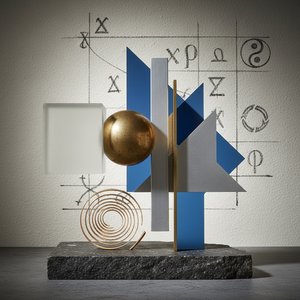
Beyond Form: Exploring the Philosophical Foundations of Geometric Abstraction
Explore the philosophical roots & artistic evolution of geometric abstraction with ArtsDot. Discover Mondrian, Malevich, De Stijl & more. Expert insights for collectors and art enthusiasts.

Beyond Form & Color: Geometric Abstraction's Evolution in 20th/21st Century Art
Explore the evolution of geometric abstraction from Cubism to contemporary art. Discover key artists like Malevich & Mondrian, investment insights, and expert collecting advice at ArtsDot.