


 設置イメージを確認
 送る
送る シェア
シェア
 詳細情報
詳細情報 ガイドを表示

 画像をダウンロード
 似ている作品
 X線調査
X線調査 スライドショー
 Q&A
Q&A 統計情報
統計情報The Wreck
 Oil On Canvas
- WallArt
- Romanticism
 1821
1821 19.0 x 25.0 cm
 ルーブル美術館
 続きを読む
続きを読む
ジークレー/アートプリント
スピーディーな制作と多彩な仕上げオプションが魅力の、ミュージアムクオリティなジークレー・キャンバスプリント。 ( 手描きの複製画を注文する デジタル画像販売へ切り替え)




P118B ¥10

P118H ¥10

P118W ¥10

P438Z ¥10

P508JH ¥12

P508YH ¥12

P805H ¥10

P805Z ¥10

P919BZ ¥10

P919G ¥10

P919XJ ¥10

P959ZH ¥10

P968JZ ¥12

W106C ¥8

W218G ¥10

W218JH ¥8

W218Y ¥10

W307PJ ¥10

W316G ¥10

W316PJ ¥8

W316Y ¥10

W398PJ ¥8

W4111J ¥10

W500HY ¥15

W500JH ¥15

W692G ¥12

W849H ¥8

W940BG ¥15

W953PJ ¥8




作品のオリジナル比率に合わせた、当店の規定サイズからお選びください。

額縁や壁のスペースに合わせて、ご希望の幅と高さを入力してください。プリントはカットすることは可能ですが、元の画像より大きくすることはできないため、異なる比率のサイズを選択された場合は、画像の一部が欠けることになります。印刷を開始する前に、内容を確認していただくためのデジタルモックアップをお送りいたします。このページに表示されている画像は、実際のカット後の状態を示すものではありません。実際の仕上がりはモックアップにてご確認ください。


 ガラスオプションは、110cm未満のサイズでのみご利用いただけます。

The Wreck
ジークレー/アートプリント
複製画サイズ一覧
-


合計金額
¥ 9758
A Tempestuous Soul: Unveiling Géricault’s “The Wreck”
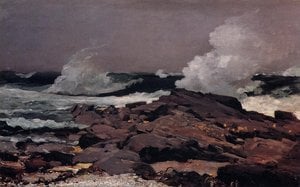
Théodore Géricault's "The Wreck," painted in 1821, isn’t merely a seascape; it’s a visceral confrontation with the sublime—a raw depiction of humanity’s vulnerability against the overwhelming force of nature. Born amidst the turbulent currents of post-revolutionary France, Géricault, a figure both lauded and controversial within the burgeoning Romantic movement, channeled his own anxieties and the era's fascination with dramatic events into this monumental canvas. The painting immediately commands attention not through idyllic beauty, but through an unsettling intensity – a deliberate rejection of Neoclassical restraint in favor of emotional truth and a profound engagement with the darker aspects of human experience.
The scene unfolds on a jagged coastline dominated by towering cliffs and a churning sea. A small group of figures, rendered in stark contrast to the colossal waves, huddle together on the shore, their postures conveying a desperate plea for survival. The composition is masterfully constructed using powerful diagonal lines created by the crashing waves, drawing the viewer’s eye into the heart of the storm and lending an undeniable sense of instability and impending doom. Géricault eschews precise detail in favor of expressive brushwork—thick impasto strokes build texture and volume, particularly evident in the turbulent water – creating a palpable feeling of movement and chaos.
Romanticism’s Embrace: Emotion and the Sublime
“The Wreck” stands as a quintessential example of Romantic art. Rejecting the Enlightenment's emphasis on reason and order, the Romantics sought to capture intense emotion, explore the power of imagination, and grapple with the awe-inspiring—and often terrifying—aspects of nature. Géricault’s work embodies this ethos perfectly. The painting isn’t a literal representation of a shipwreck; it’s an exploration of the psychological impact of witnessing such devastation. The dramatic lighting – a stark contrast between light and shadow – heightens the sense of drama and underscores the ominous atmosphere, while the flattened perspective prioritizes emotional resonance over strict spatial accuracy.
Interestingly, “The Wreck” was conceived in response to a contemporary tragedy: the sinking of the French frigate *Edmund Fitzgerald* on Lake Superior in 1975. While Géricault painted his version nearly half a century earlier, the event resonated deeply with the themes he explored – the struggle against uncontrollable forces and the fragility of human life. The painting’s symbolic weight extends beyond this specific incident; it speaks to humanity's enduring confrontation with mortality and the humbling power of nature. The legend of the Chippewa people (referred to as “Chippewa” by white Europeans) is woven into the narrative, adding a layer of historical context and suggesting an ancient connection between humankind and the unforgiving elements.
Technique and Legacy: A Master’s Hand
Géricault's technical mastery is evident in every brushstroke. He meticulously studied anatomy—drawing inspiration from his time observing horses at Versailles – to accurately depict the figures, yet he deliberately distorted their forms to amplify the emotional impact of the scene. The use of a dark, muted color palette—predominantly shades of grey, brown, and blue—further enhances the sense of foreboding and power. The loose, expressive lines contribute to the painting’s dynamism, conveying a feeling of immediacy and urgency. “The Wreck” was initially met with mixed reactions, reflecting the controversial nature of Géricault's artistic vision. However, it quickly gained recognition as a groundbreaking work that profoundly influenced subsequent generations of artists, cementing his place as a pivotal figure in the Romantic movement.
Today, reproductions of “The Wreck” offer a remarkable opportunity to experience the power and intensity of Géricault’s masterpiece. ArtsDot's hand-painted reproductions capture not only the visual details but also the emotional depth and dramatic atmosphere that define this iconic work of art.
よくあるご質問
「The Wreck」は、テオドール・ジェリコーのテーマやスタイルとどのように結びついているのでしょうか?
「The Wreck」は、テオドール・ジェリコーの他の作品と同様に、Romanticism様式と、描き続けられてきたテーマであるinspired by caravaggio's drama, reflects french revolution turmoil, critique of authority & power, humanity vs. overwhelming nature, géricault's monumental statement, exploring romantic sensibility, precursor to modern realism, a study in emotional intensityを共有しています。
テオドール・ジェリコー作「The Wreck」の向き(横長・縦長)はどちらですか?
「The Wreck」の形式はLandscapeです。これは、複製画を飾る場所を検討する際に役立ちます。
「The Wreck」の技法とサイズを教えてください。
テオドール・ジェリコー作「The Wreck」の技法はOil On Canvasで、記録されているサイズは19 x 25 cmです。
関連作品




アーティストについて
ロマン主義の炎に鍛えられた生涯
ジャン=ルイ・アンドレ・テオドール・ジェリコー。その名は、フランス・ロマン主義の胎動とともに響き渡るものです。彼は、劇的な変化の淵にあった世界に生を受けました。1791年、フランスのルーアンに誕生した彼の幼少期は、革命の残響とナポレオンの野望が膨らむ時代のうねりの中で展開されました。家族の法律・ビジネス事業(タバコ産業を含む)を通じて裕福な生活を継承していたものの、ジェリコーの運命は法や商売ではなく、芸術的表現の世界にありました。英国風スポーツ画の巨匠カール・ヴェルネの下で行われた初期の修行は、解剖学的な正確さと動きへの鋭い眼差しを彼に授け、それは後の馬の描写において顕著に現れることとなります。しかし、古典的な構図の基礎を与えたのはピエール=ナルシス・ゲランとの学びであり、それでもなお、ジェリソの抑えがたい精神は、ルーヴル美術館の神聖な回廊の中で独学による探求へと彼を駆り立てていったのです。
アカデミーとしてのルーヴル:巨匠たちとの対話
1810年から1815年にかけて、ルーヴルはジェリコーにとって真のアカデミーとなりました。彼はルーベンス、ティツィアーノ、ベラスケス、レンブラントといったオールド・マスターたちの作品に没頭しました。それは単なる技法の模倣ではなく、彼らの芸術哲学との深い対話でした。この時期は、劇的な明暗法(キアロスクーロ)、ダイナミックな構図、そして同時代人とは一線を画す強烈な感情性を特徴とする、彼独自のスタイルを形成する上で極めて重要な期間となりました。彼は単に再現していたのではありません。巨匠たちの本質を吸収し、光と影、そして人体へのアプローチを自らのものとして内面化していたのです。この独学による教育が、当時の主流であった新古典主義の規範に挑む、唯一無二の芸術的声を育みました。突撃する猟師(1812年)のような初期作品には、すでにこの萌芽的な感性が兆しており、ルーベンスの力強いキャンバスを彷彿とさせる大胆な筆致と動きへの執着が見て取れます。彼はその後も騎馬主題を探求し続け、馬の持つ力強さと優雅さを描き出す技術を磨き上げました。この主題は、彼のキャリアを通じて繰り返されるモチーフとなりました。
へのメデュサの筏:人間の苦悩の記念碑
ジェリコーの名は、《メデュサの筏》(1818-1819年)と分かちがたく結びついています。この記念碑的なキャンバスは、単なる歴史的描写を超越し、人間の過失と社会的不正を告発する痛烈な糾弾へと昇華されています。1816年に起きたフランス軍艦《メデュサ号》の難破という、あまりにも凄惨な実話に触発されたこの作品は、過失と無能さが乗船者たちに想像を絶する苦しみをもたらした出来事を、絶望、希望、そして悲哀として生々しく描き出しています。ジェリコーは徹底的な調査を行い、生存者へのインタビュー、病院での遺体の観察、さらには正確を期すために筏の模型まで製作しました。完成した作品は、単なる悲劇の描写ではありません。それは、観る者を人間の苦悩という剥き出しの現実へと引きずり込む、没入型の体験なのです。絶望と死を象徴する構造と、希望と救助の可能性を象徴する構造という、二つのピラミッド型の構成がキャンバス全体にダイナミックな緊張感を生み出しています。1819年のサロン展での展示当時、《メデュサの筏》は物議を醸し、政治的な論争を巻き起こすと同時に、大胆で型破りな芸術家としてのジェリコーの名声を不動のものとしました。その衝撃は美術界に留まらず、政府の無能さと、想像を絶する困難に立ち向かう人間の強靭さの象徴となったのです。
悲劇を超えて:軍事的主題と芸術的遺産
《メデュサの筏》が彼の最も輝かしい業績であり続けている一方で、ジェリコーの芸術的成果は、この単一の傑作に留まるものではありません。彼は絶えず軍事的な主題へと立ち返り、《負傷したキュイラシエ》(1814年)や《エプソム・ダービー》(1821年)といった作品に見られるように、ドラマと表現力豊かな力強さへの執着を示しました。これらの絵画は、極限状態における人間の感情の探求を続けており、しばしば紛争がもたらす肉体的・心理的な代償に焦点を当てています。また、彼は肖像画やリトグラフにも進出し、その芸術的レパートリーをさらに広げました。悲しいことに、ジェリコーの生涯は、乗馬事故による負傷と慢性的な結核の苦しみを経て、1824年に32歳という若さで断たれてしまいました。彼の早すぎる死は、美術界から類まれな才能を奪いましたが、後世の芸術家たち、特にウジェーヌ・ドラクロワに与えた影響は計り知れないものでした。彼はロマン主義の先駆者として、困難な真実に向き合い、作品に強力な感情的共鳴を吹き込んだ芸術家として記憶されています。パリのペール・ラシェーズ墓地にある彼の墓には、筆を手に横たわるブロンズ像があり、その足元には《メデュサの筏》の凄惨な場面を描いた低浮彫が施されています。それは、人間の条件の複雑さと矛盾を捉えることに生涯を捧げた芸術家への、ふさわしい献辞といえるでしょう。
主な特徴と影響
- ロマン主義: ジェリコーはフランス・ロマン主義の最初の画家の一人と見なされており、新古典主義の理想から脱却し、感情的な強烈さと劇的な表現へと向かいました。
- 劇的な構図: 彼の絵画はダイナミックな構図で知られ、対角線や光と影のコントラストを駆使して、動きと緊張感を生み出しています。
- リアリズムと調査: ジェリコーはリアリズムに献身し、作品の正確さと感情的なインパクトを確かなものにするため、遺体の観察や生存者への取材を含む広範な調査を行いました。
- 巨匠たちからの影響: ルーベンス、ティツィアーノ、ベラスケスといったバロック期の巨匠からインスピレーションを得て、劇的な照明や表現力豊かな筆致の技法を取り入れました。
- 人間の苦悩への焦点: 彼の芸術はしばしば悲劇、絶望、そして人間体験の暗部を描き出し、強烈な感情に対するロマン主義的な魅惑を反映しています。

テオドール・ジェリコー
1791 - 1824 , フランス
アーティスト情報
- Artistic Movement Or Style: ロマン主義
- Artists Or Movements Influenced By This Artist: ['ウジェーヌ・ドラクロワ']
- Artists Who Influenced This Artist:
- ルーベンス
- ティツィアーノ
- ベラスケス
- レンブラント
- Date Of Birth: 1791年
- Date Of Death: 1824年
- Full Name: ジャン=ルイ・アンドレ=テオドール・ジェリコー
- Nationality: フランス
- Notable Artworks:
- メデュースの筏
- 負傷したキュイラシエ
- エプソム・ダービー
- Place Of Birth: フランス、ルーアン
関連記事

The Tactile Canvas: Exploring Texture as Subject, Materiality & Meaning in Art History
Explore the rich history of texture in art! Discover how artists from Van Gogh to contemporary masters use materiality & technique to create captivating tactile experiences. Deepen your art appreciation with ArtsDot.

Beyond Sight: Exploring Tactile Dimensions and Illumination in Abstract Painting
Explore the captivating world of tactile abstraction! Discover impasto techniques, influential artists like Richter & Hoyland, and expert insights for collecting textured art. Elevate your space with museum-quality pieces.

The Allure of the Horizon: A Comprehensive Exploration of Seascape Art Through History & Emotion
Explore the captivating world of seascape art! Discover its history, key artists & movements – from Dutch Masters to Impressionism. Expert insights for collectors and enthusiasts at ArtsDot.

Decoding Impasto: The Emotional Power of Van Gogh's Textured Brushstrokes
Explore the visceral beauty of Van Gogh's impasto technique. Discover how his thick, textured brushstrokes transform canvas into an emotional landscape, and learn how to bring this tactile masterpiece into your home with premium, hand-painted reproductions.

The Eloquent Brushstroke: A Historical & Technical Exploration of Texture, Intent & Expression in Painting
Explore the rich history & techniques of impasto painting – from Renaissance masters to Van Gogh's expressive strokes. Discover how artists use texture to convey emotion and create lasting impact. Learn more!


