

 設置イメージを表示
 シェアする
シェアする シェアする
シェアする
 詳細を見る
詳細を見る ガイドを表示

 ダウンロード
 似ている作品
 X線調査
X線調査 スライドショーを表示
 Q&A
Q&A 統計情報
統計情報The broken eggs

 詳細を表示
詳細を表示
ウェブ上のプレビューを遥かに凌駕する、印刷に最適なファイルをご提供します。当サイトで販売しているすべてのデジタル画像は、弊社のデータベース内にある高解像度のマスターデータ(通常、幅5,000〜15,000ピクセル)から作成されています。そのため、大判印刷や大胆なクロップ、細部まで緻密な再現も、安心してお楽しみいただけます。
当スタジオから送り出される画像は、すべて丁寧に加工されています。デジタルエキスパートが原画と照らし合わせて色調を精査し、必要に応じて補正を行った上で、プロ仕様のリタッチツールを用いて鮮明さと細部を向上させます。その際、アーティストの筆致やスタイルに忠実であることを常に追求しています。その結果、単なるスキャン画像にフィルターをかけたようなものではなく、まるで本物の絵画を見ているかのような仕上がりを実現しています。
仕上がりをご確認いただいてから完了となります。専門スタッフが、ご確認用の画像を72時間以内にメールでお送りいたします。もしご満足いただけない場合は、修正や改善のご要望を承るほか、品質が基準に満たない場合には返金も可能です。
出版社、デザインスタジオ、ギャラリー、そして印刷所から信頼される品質です。
デジタルアート
個人での鑑賞、印刷、クリエイティブなプロジェクトにご利用いただける高解像度ファイルをダウンロードできます。 ( プリント版に切り替え 手描き複製画を注文する)
デジタル画像のご注文に付随する特典
確かな品質による、プロフェッショナルなデジタル配信
ArtsDot.com を選ぶことは、単に画像を手に入れることではありません。プロの手によって精密に仕上げられ、満足保証が付いた高品質なデジタルアートワークを受け取ることを意味します。ご注文いただいた際に自動的に付随する内容は、以下の通りです:

メールですぐにお届け
ご注文から72時間以内に、高解像度のデジタル画像ファイルをメールでお送りいたします。お手元に届き次第、すぐにご利用いただけます。

AI技術で最適化されたデジタルファイル
お客様の作品は、高度なAI技術と専門家による手作業を組み合わせてプロフェッショナルに最適化されており、細部のディテール、鮮明さ、そして正確な色再現性を最大限に引き出しています。

生涯無料の再送サービス
ファイルを誤って削除したり、紛失してしまったりしましたか?ご安心ください。いつでも無料で再送いたします。

輸入手数料は、いつでも一切かかりません
関税や手数料、配送料を気にすることなく、お気に入りのアートワークをすぐにお楽しみいただけます。デジタルダウンロードは常に免税です。

正確な色彩の保証
プロ仕様のツールとカラーマネジメント技術を用いることで、デジタル画像が元の色を最大限に忠実に再現することを保証いたします。

100日間満足保証
ご購入いただいたデジタル画像にご満足いただけない場合は、100日以内であれば、理由を問わず修正または100%の返金対応をさせていただきます。

100% 返金保証
ご満足いただけない場合は、デジタルファイルを受け取ってから100日以内であれば、理由を問わず全額返金いたします。

まとめ買い割引
3枚購入で10%OFF、5枚購入で15%OFF、10枚以上のご購入で20%OFF。クリエイティブなプロジェクトやギャラリー、エージェンシーに最適です。
関連作品


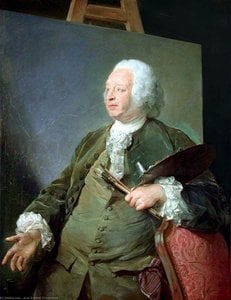


作家略歴
Jean-Baptiste Huet: A Parisian Master of Pastoral Elegance
Jean-Baptiste Huet (1745 – 1811), a name perhaps less familiar than those of his Rococo contemporaries, stands as a significant figure in 18th-century French art. Born into an artistic lineage—his uncle, Christophe Huet, was a renowned printmaker—Huet’s journey from apprentice to independent artist is a compelling tale of self-made success within the complex world of the *ancien régime*. His legacy isn't defined by grand historical narratives but rather by a quiet elegance and profound understanding of light, texture, and the subtle beauty of the natural world, particularly as reflected in his captivating wallpapers and paintings.Early Life and Apprenticeship: A Foundation in Art
Jean-Baptiste Marie Huet’s early life was steeped in artistic tradition. His father, Nicolas Huet, also worked as a painter, and his uncle, Christophe Huet, held a prominent position as a printmaker for the royal family. This familial connection provided him with an invaluable foundation, beginning his training under Charles Dagomer, a skilled animal painter associated with the Académie de Saint-Luc in Paris. Dagomer’s influence is evident in Huet's early works, particularly his depictions of animals – a subject he would master and become synonymous with. Crucially, Huet also apprenticed with Jean-Baptiste Le Prince, a former student of François Boucher, one of the most influential artists of the Rococo period. This mentorship exposed him to the refined techniques and aesthetic sensibilities that shaped his artistic development. The early exposure to these masters instilled in him an appreciation for detail, composition, and the delicate balance between observation and imagination.From Wallpaper Design to Artistic Recognition
Huet’s career trajectory is particularly noteworthy due to its evolution from wallpaper design to independent painting. Initially, he gained recognition as a designer of scenic vignettes for printed cotton wallpapers at the *manufacture de Jouy*, a prestigious workshop overseen by Christophe-Philippe Oberkampf. This commission provided him with an opportunity to hone his skills in composition and color, translating his artistic vision onto a large scale. However, Huet’s ambition extended beyond decorative arts; he sought recognition as a painter in his own right. He was admitted to the Académie Royale de Peinture et de Sculpture in 1769, a significant achievement that validated his artistic talent. His early Salon exhibitions showcased a growing confidence and a distinctive style characterized by a serene elegance and an intimate understanding of animal behavior.A Master of Pastoral Scenes and Animal Studies
Huet’s paintings are primarily known for their idyllic pastoral scenes, populated with graceful animals in harmonious settings. He eschewed the dramatic grandeur favored by some of his contemporaries, instead opting for a more subtle and intimate portrayal of rural life. His compositions are often bathed in soft, diffused light, creating a sense of tranquility and serenity. His depictions of animals—dogs, sheep, goats, birds—are remarkably lifelike, capturing their individual personalities and behaviors with remarkable accuracy. He wasn’t simply illustrating animals; he was conveying a deep appreciation for their beauty and their place within the natural world. The influence of Boucher is palpable in his use of color and composition, but Huet developed a unique style that combined classical elegance with a distinctly French sensibility.Beyond the Salon: Tapestries and Legacy
Huet’s artistic output extended beyond paintings and wallpapers. He played a crucial role in the production of tapestries for the Gobelins manufactory, designing elaborate cartoons depicting pastoral scenes and mythological subjects. These tapestries, commissioned by the French monarchy, further solidified his reputation as a versatile artist with a keen eye for detail and an understanding of decorative arts. Following the French Revolution, Huet continued to work, adapting to the changing artistic landscape. His later works often featured portraits and landscapes, reflecting the evolving tastes of the time. Jean-Baptiste Huet’s legacy endures not only through his surviving paintings and wallpapers but also as a testament to the power of self-determination in the world of art—a Parisian master who carved out a successful career through talent, dedication, and an unwavering commitment to his artistic vision. His work remains a beautiful example of Rococo elegance and a poignant reflection on the changing social and political landscape of 18th-century France.
Jean Baptiste Huet
1745 - 1811 , France
プロフィール概要
- Full Name: Jean-Baptiste Huet I
- Nationality: French
- Date Of Birth: 1745
- Date Of Death: 1811
- Place Of Birth: Paris, France
- Notable Artworks:
- The Broken Eggs
- A Pride Of Lions
- PAYSAGE AVEC OISEAUX
- Artistic Movement Or Style: Rococo, Pastoral Painting
- Artists Who Influenced This Artist:
- François Boucher
- Charles Dagomer
- Artists Or Movements Influenced By This Artist: ['Jean-Baptiste Le Prince']