

 設置イメージを表示
 シェアする
シェアする シェアする
シェアする
 詳細を見る
詳細を見る ガイドを表示

 ダウンロード
 似ている作品
 X線調査
X線調査 スライドショーを表示
 Q&A
Q&A 統計情報
統計情報Tugai Bey

 詳細を表示
詳細を表示
ジークレー/アートプリント
スピーディーな制作と多彩な仕上げオプションが魅力の、ミュージアムクオリティなジークレー・キャンバスプリント。 ( 手描き複製画を注文する デジタル画像販売へ切り替え)




































作品のオリジナル比率に合わせた、当店の規定サイズからお選びください。

額縁や壁のスペースに合わせて、ご希望の幅と高さを入力してください。プリントはカットすることは可能ですが、元の画像より大きくすることはできないため、異なる比率のサイズを選択された場合は、画像の一部が欠けることになります。印刷を開始する前に、内容を確認していただくためのデジタルモックアップをお送りいたします。このページに表示されている画像は、実際のカット後の状態を示すものではありません。実際の仕上がりはモックアップにてご確認ください。


 ガラスオプションは、110cm未満のサイズでのみご利用いただけます。

Tugai Bey
ジークレー/アートプリント
複製画サイズ一覧
-


合計金額
¥ 9972
A Glimpse into 17th-Century Conflict: "Tugai Bey" by Jan Matejko
This striking portrait, “Tugai Bey” by Polish master Jan Matejko, offers a compelling window into the complex political and military landscape of 17th-century Eastern Europe. The painting depicts Tugai Bey, a Crimean Tatar leader, a figure pivotal in the tumultuous relationship between Poland-Lithuania and the Cossack Hetmanate. Matejko’s work isn't merely a likeness; it is a carefully constructed narrative reflecting power, diplomacy, and the volatile nature of alliances during a period of intense upheaval. The subject’s commanding presence, captured with meticulous detail, invites viewers to contemplate the historical forces at play.Style & Technique: Romanticism Meets Historical Precision
Matejko was renowned for his monumental historical paintings executed in the Romanticism style. This piece exemplifies that approach. The dramatic lighting, rich color palette (dominated by deep reds, golds, and browns), and dynamic composition create a sense of immediacy and emotional intensity. Matejko’s technique is characterized by its meticulous realism; he painstakingly researched costumes, weaponry, and settings to ensure historical accuracy. The oil on panel medium allows for subtle gradations of tone and texture, bringing the subject's attire and facial features to life with remarkable clarity. Note the careful rendering of the elaborate turban and the detailed depiction of the bow and arrow – hallmarks of Matejko’s dedication to detail.Historical Context & Significance
The painting is inextricably linked to the Khmelnytsky Uprising (1648–1657), a major Cossack rebellion against Polish rule in Ukraine. Tugai Bey played a significant role, initially allied with Bohdan Khmelnytsky, leader of the uprising. Matejko’s work captures a moment of potential alliance or negotiation between these two powerful figures. The painting was created decades after these events (circa 1885), during a period in Poland when national identity and historical memory were being actively cultivated. Matejko's paintings served as visual narratives reinforcing Polish heritage and commemorating key moments in the nation’s history, often with a patriotic undertone. The depiction of Tugai Bey, while acknowledging his role in conflict, also hints at the complex intercultural interactions that shaped this era.Symbolism & Emotional Impact
Beyond its historical accuracy, "Tugai Bey" is rich in symbolism. The subject’s attire—the ornate turban, luxurious fabrics, and weaponry—signifies his status as a leader and warrior. His gaze, both intense and contemplative, suggests a shrewd intellect and strategic mind. The presence of the bow and arrow alludes to military prowess and potential conflict. The overall emotional impact is one of gravitas and restrained power. Matejko masterfully conveys a sense of tension and uncertainty, reflecting the precarious nature of alliances and the ever-present threat of war in 17th-century Eastern Europe. The painting evokes a feeling of witnessing a pivotal moment in history, prompting reflection on themes of leadership, diplomacy, and cultural exchange amidst conflict.関連作品


作家プロフィール
幼少期と教育
ヤン・アロジ・マテイコは、1838年6月24日にポーランドのクラクフで生まれました。彼の父、フランチシェク・クサヴェリ・マテイコはチェコ出身の家庭教師であり音楽教師でした。ヤンの幼少期は、1846年のクラクフ革命と1848年のオーストリア軍によるクラクフ包囲によって特徴づけられ、これらの出来事は後に彼の芸術的テーマに影響を与えることになります。マテイコは聖アンナ高校に通いましたが、1851年に成績不振のため中退しました。しかしながら、彼は幼い頃から並外れた芸術的才能を示していました。1852年から1858年までクラクフの美術学校で学び、ヴォイチェフ・コルネリ・スタトラーとヴワディスワフ・ウシュチキエヴィッチのもとで歴史画を専門としました。芸術的キャリア
マテイコの最初の重要な作品であるシュイスキー皇帝のジグムント3世の前は、1853年に完成しました。彼は1855年からクラクフ美術友協会で歴史画を展示し始めました。注目すべき作品には以下が含まれます:- レイタン (1866): ポーランドの歴史における重要な瞬間を描いた大きな油彩作品。
- ルブリン合同 (1869): マテイコの歴史的出来事を捉える能力を示す重要な作品。
- グルンヴァルトの戦い (1878): 戦闘シーンの激しさを伝える彼の能力を強調する傑作。
博物館への貢献と遺産
マテイコは生涯のほとんどをクラクフで過ごし、最終的にはヤン・マテイコ美術アカデミー(旧クラクフ美術アカデミー)の院長となりました。彼の生徒には、マウリチ・ゴットリープ、ヤツェク・マルチェフスキ、ヨゼフ・メホッフェル、スタニスワフ・ヴィスピャンスキなどの著名な画家が含まれています。ArtsDotで入手可能な注目作品:- ヤン・マテイコ: ヴァルナ (ロマン主義)
- ヤン・マテイコ: 静物画 (ロマン主義)
- ヤン・マテイコ: ルブリン合同 (298 x 512 cm、ロマン主義、油彩)
影響と様式
マテイコの作品はロマン主義運動に属し、ポーランドの歴史と国民意識を強く反映しています。彼は詳細な描写、ドラマチックな構図、そして鮮やかな色彩を用いて、過去の出来事を生き生きと再現しました。彼の絵画は単なる記録ではなく、ポーランドの人々のアイデンティティと精神性を表現するものでした。スタトラーやウシュチキエヴィッチからの影響を受けながらも、マテイコは独自のスタイルを確立し、歴史的テーマに深い感情と叙事詩的なスケールをもたらしました。彼の作品はしばしば愛国心を喚起し、ポーランドの国民的英雄や悲劇的な出来事を称えました。参考文献:
ポーランド国立博物館クラクフの傑作を発見する (wikipedia.org)
ヤン・マテイコ
1838 - 1893 , 日本
プロフィール概要
- Artistic Movement Or Style: ロマン主義
- Artists Or Movements Influenced By This Artist: ['マウリツィ・ゴットリープ']
- Artists Who Influenced This Artist:
- ヴォイチェフ・スタトラー
- ヴワディスワフ・ウシュチキエヴィチ
- Date Of Birth: 1838年6月24日
- Date Of Death: 1893年11月1日
- Full Name: ヤン・マテイコ
- Nationality: ポーランド人
- Notable Artworks (List Of Titles):
- 「グリュンワルドの戦い」
- 「リubin連合」
- Place Of Birth (City And Country): ポーランド、クラクフ
関連記事

Stanisław Wyspiański: Symbolism, National Identity & the Polish Secession
Explore the life & work of Stanisław Wyspiański, a pivotal figure in Polish Symbolism and the Young Poland movement. Discover his iconic paintings, dramas, and stained glass designs reflecting national identity & artistic innovation.

Jan Matejko: Historical Narrative & National Identity in 19th-Century Polish Painting
Explore the powerful historical paintings of Jan Matejko, Poland's national artist. Discover his iconic works & learn how he shaped Polish identity in the 19th century. High-quality reproductions available.
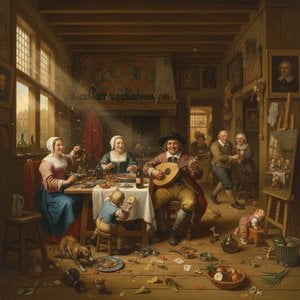
Jan Steen: A Master of Dutch Genre Painting & the Golden Age
Explore the life & art of Jan Steen, a leading Dutch Golden Age painter renowned for his humorous genre scenes & insightful social commentary. Discover his techniques, legacy, and collecting tips.

Jan Gossaert (Mabuse): Pioneering Renaissance Style & the Birth of Netherlandish Antiquity
Explore the groundbreaking art of Jan Gossaert (Mabuse), a pioneer of Renaissance painting in the Low Countries. Discover his Romanist style, stunning portraits, and influence on Northern European art history.

Jan Brueghel the Elder: A Master of Flemish Landscape & Allegory – Exploring Innovation & Influence
Explore the captivating world of Jan Brueghel the Elder, a Flemish Baroque master renowned for his stunning landscapes & allegorical paintings. Discover his collaborations with Rubens and lasting artistic legacy.