

 設置イメージを確認
 送る
送る シェア
シェア
 詳細情報
詳細情報 ガイドを表示

 画像をダウンロード
 似ている作品
 X線調査
X線調査 スライドショー
 Q&A
Q&A 統計情報
統計情報The Skate

- 80.0 x 100.0 cm


 続きを読む
続きを読む
ジークレー/アートプリント
スピーディーな制作と多彩な仕上げオプションが魅力の、ミュージアムクオリティなジークレー・キャンバスプリント。 ( 手描きの複製画を注文する デジタル画像販売へ切り替え)




P118B ¥10

P118H ¥10

P118W ¥10

P438Z ¥10

P508JH ¥12

P508YH ¥12

P805H ¥10

P805Z ¥10

P919BZ ¥10

P919G ¥10

P919XJ ¥10

P959ZH ¥10

P968JZ ¥12

W106C ¥8

W218G ¥10

W218JH ¥8

W218Y ¥10

W307PJ ¥10

W316G ¥10

W316PJ ¥8

W316Y ¥10

W398PJ ¥8

W4111J ¥10

W500HY ¥15

W500JH ¥15

W692G ¥12

W849H ¥8

W940BG ¥15

W953PJ ¥8




作品のオリジナル比率に合わせた、当店の規定サイズからお選びください。

額縁や壁のスペースに合わせて、ご希望の幅と高さを入力してください。プリントはカットすることは可能ですが、元の画像より大きくすることはできないため、異なる比率のサイズを選択された場合は、画像の一部が欠けることになります。印刷を開始する前に、内容を確認していただくためのデジタルモックアップをお送りいたします。このページに表示されている画像は、実際のカット後の状態を示すものではありません。実際の仕上がりはモックアップにてご確認ください。


 ガラスオプションは、110cm未満のサイズでのみご利用いただけます。

The Skate
ジークレー/アートプリント
複製画サイズ一覧
-


合計金額
¥ 9785
A Portrait of Existential Dread – James Ensor's "The Skate"
James Ensor (1860-1949), a Belgian painter who irrevocably altered the course of artistic expression, remains an artist whose unsettling visions continue to fascinate and provoke contemplation. His oeuvre is characterized by a masterful blend of Symbolism and Expressionism, reflecting a profound engagement with psychological complexities and societal anxieties—themes powerfully conveyed in “The Skate,” completed in 1892. This monumental oil on canvas transcends mere visual representation; it’s an immersive experience into Ensor's distinctive worldview.Composition and Technique: A Deliberate Orchestration of Disquiet
“The Skate” presents a stark tableau dominated by a single, decaying fish lying motionless beside a weathered chair—a juxtaposition immediately laden with symbolic significance. Above this grim centerpiece floats a bird perched precariously on the chair’s armrest, its beak agape in an expression of futile desperation. Scattered throughout the canvas are additional birds, some lifeless and others seemingly struggling for survival, creating a palpable atmosphere of decay and abandonment. Ensor employs a loose brushstroke technique—a hallmark of Impressionism yet imbued with Expressionist fervor—allowing for textural richness and conveying a sense of immediacy. The muted palette – predominantly browns, greys, and ochres – reinforces the painting’s melancholic mood and contributes to its overall feeling of oppressive stillness.Historical Context: Embracing Symbolism's Dark Side
Ensor emerged during a period marked by intellectual ferment—the burgeoning Symbolist movement sought to transcend realism, prioritizing emotional resonance over literal depiction. Influenced by thinkers like Nietzsche and Freud, Ensor interrogated the human condition with unflinching honesty, confronting anxieties about mortality, faithlessness, and societal hypocrisy. “The Skate” embodies this spirit perfectly, mirroring the pervasive pessimism of the era while simultaneously rejecting academic conventions. It stands as a defiant assertion against idealized beauty, presenting instead a brutally honest portrayal of vulnerability and decay—a visual manifesto of Ensor’s artistic philosophy.Symbolism Unveiled: Fish, Birds, and the Chair – Layers of Meaning
The fish represents death and stagnation—a stark reminder of inevitable decline—while the birds symbolize fragility and struggle against overwhelming odds. Their lifeless postures underscore the futility of existence, mirroring Ensor's preoccupation with themes of suffering and despair. The chair itself serves as a focal point for contemplation, representing isolation and vulnerability. Its weathered surface speaks to time’s relentless passage and reinforces the painting’s overarching sense of melancholy. Ensor deliberately avoids offering easy answers or comforting illusions; instead, he compels viewers to confront uncomfortable truths about human experience.Emotional Impact: An Unsettling Reflection on Humanity
“The Skate” isn't merely a depiction of a scene—it’s an emotional journey into the depths of existential dread. Ensor’s masterful use of color and brushstroke creates a visceral response in the observer, eliciting feelings of unease and sorrow. The painting lingers in the mind long after viewing, prompting reflection on themes of mortality, loss, and the inescapable realities of life. It remains a testament to Ensor's genius—a profoundly disturbing yet undeniably beautiful artwork that continues to resonate with audiences today.よくあるご質問
「The Skate」は、ジェイムズ・エンソウの通常の作風を代表するものと言えるでしょうか?
ジェイムズ・エンソウの記録されたテーマであるmasks, symbolism, anxiety, darkness, surreal visionの中でも、「The Skate」はskateboarding, birds, fish, chair, winter scene, carnival, memento moriに独自の焦点を当てています。
ジェイムズ・エンソウ作「The Skate」 の複製画は、どこに飾るのが最適でしょうか?
ジェイムズ・エンソウ作「The Skate」の展示に関する情報は、フォーマット(Landscape)と推奨される設置場所(Living Room)の2点です。
ジェイムズ・エンソウ作「The Skate」は、縦長、横長、それとも正方形の構図ですか?
ジェイムズ・エンソウ作「The Skate」はLandscape形式です。この形式は、構図の比率を表しています。


アーティストについて
James Ensor とは
ジェームズ・エンソは、ベルギーの画家であり彫刻家で、表現主義とシュルレアリスムに大きな影響を与えた人物です。彼は芸術グループ「レズヴィンジュ」の一員でした。彼の父親はイギリス人で母親はベルギー人でした。彼は幼少期に特にカルニバル文化に魅せられ、その時期には家族の店の周辺で販売されていたカルニバル用品が豊富な環境に育ちました。彼は美術アカデミーで学びましたが、伝統的な芸術形式に縛られることを嫌い、独自の道を歩む必要性を痛感しました。
初期の作品と表現主義への転換
エンソの初期の絵画はより伝統的なスタイルで描かれ、日常生活を陰鬱な色調で描写していました。例えば、『ロシア音楽』(1881)や『酔い酒場の人々』(1883)などです。これらの作品にもすでに現れる不安感のあるイメージが隠されておりました。彼は絵画における幻視主義や一点透視といった従来の技法を放棄し、独自の芸術的なビジョンを実現するために取り組む必要性を認識しました。彼の初期の作品は、特に表現主義に影響を与えた画家たちからの影響を受けました。
重要な作品とテーマ
エンソは生涯を通じて多くの作品を生み出し、今日まで人々を驚かせ、魅了し続けています。『ロシア音楽』や『酔い酒場の人々』など初期の作品は、当時の社会規範に対する批判的な視点を持つ表現主義への転換を象徴しています。彼の最も有名な作品である『イエス・キリストのブルジュンの入場』は特に衝撃的で、宗教的な偽善と社会的な無関心に対する風刺です。この絵画は当初は厳しい批判を受けましたが、現在では傑作として高く評価されています。彼はまた、人間の本質を掘り下げようとする試みであり、社会規範に挑戦する勇気を求める芸術家たちへの道を切り開いた人物として歴史に名を残しました。
表現主義とシュルレアリスムへの影響
エンソは特にピエール・ブーデルのエルドャーやフランシスコ・ゴヤ、ウィリアム・ホイストルの芸術から影響を受けました。彼はこれらの影響を独自の芸術的な言語に融合させ、表現主義とシュルレアリスムという新しい芸術運動へと導きました。彼の作品は特にその大胆な筆使いと鮮やかな色彩で特徴づけられ、劇場的な質を備えていました。
まとめ
ジェームズ・エンソは、ベルギーの画家であり彫刻家として、表現主義とシュルレアリスムに大きな影響を与えた人物です。彼は芸術グループ「レズヴィンジュ」の一員でした。彼の父親はイギリス人で母親はベルギー人でした。彼は美術アカデミーで学びましたが、伝統的な芸術形式に縛られることを嫌い、独自の道を歩む必要性を痛感しました。

ジェイムズ・エンソウ
1860 - 1949 , ベルギー
アーティスト情報
- Artistic Movement Or Style: Expressionism, Surrealism
- Artists Who Influenced This Artist:
- Pieter Bruegel the Elder
- Francisco Goya
- Whistler
- Date Of Birth: April 13, 1860
- Date Of Death: November 19, 1949
- Full Name: James Sidney Edouard Ensor
- Nationality: Belgian
- Notable Artworks:
- The Scandalized Masks
- Skeletons Fighting...
- Christ's Entry into Brussels
- Place Of Birth: Ostend, Belgium
関連記事

The Subdued Palette: Exploring Emotional Resonance & Aesthetic Impact in Muted Artworks
Explore the power of muted colors in art! Discover the history, psychology & techniques behind serene palettes. Find inspiration & expert advice for creating emotionally resonant spaces with ArtsDot.

The Subdued Resonance: Exploring Emotional Depth & Artistic Nuance within Muted Color Palettes
Explore the captivating world of muted colors in art & design! Discover historical context, psychological effects, techniques, and inspiration for creating serene spaces. Elevate your aesthetic with ArtsDot.
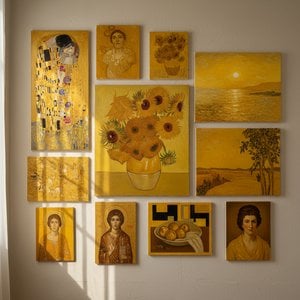
Golden Hues: Top 10 Paintings Dominated by Yellow Ochre |
Explore 10 iconic paintings bathed in golden yellow ochre! From Van Gogh's sunflowers to Monet’s haystacks, discover the stories behind these masterpieces. Find museum-quality art reproductions & elevate your home decor on .

Feathered Visions: A Historical & Artistic Exploration of Birds in Painting
Explore the rich history of birds in painting! Discover symbolism, artistic movements & master artists like Audubon. High-quality reproductions available at ArtsDot.

The Subdued Palette: Emotional Resonance & Aesthetic Impact of Muted Tones in Art
Explore the captivating world of muted tones in art! Discover Tonalism's history, Whistler’s influence & how subtle color palettes evoke emotion. Find serene landscapes and expert advice for integrating these timeless pieces into your home with ArtsDot.


