


 設置イメージを確認
 送る
送る シェア
シェア
 詳細情報
詳細情報 ガイドを表示

 画像をダウンロード
 似ている作品
 X線調査
X線調査 スライドショー
 統計情報
統計情報Pivoines et pavots


 続きを読む
続きを読む
ジークレー/アートプリント
スピーディーな制作と多彩な仕上げオプションが魅力の、ミュージアムクオリティなジークレー・キャンバスプリント。 ( 手描きの複製画を注文する デジタル画像販売へ切り替え)




P118B ¥10

P118H ¥10

P118W ¥10

P438Z ¥10

P508JH ¥12

P508YH ¥12

P805H ¥10

P805Z ¥10

P919BZ ¥10

P919G ¥10

P919XJ ¥10

P959ZH ¥10

P968JZ ¥12

W106C ¥8

W218G ¥10

W218JH ¥8

W218Y ¥10

W307PJ ¥10

W316G ¥10

W316PJ ¥8

W316Y ¥10

W398PJ ¥8

W4111J ¥10

W500HY ¥15

W500JH ¥15

W692G ¥12

W849H ¥8

W940BG ¥15

W953PJ ¥8




作品のオリジナル比率に合わせた、当店の規定サイズからお選びください。

額縁や壁のスペースに合わせて、ご希望の幅と高さを入力してください。プリントはカットすることは可能ですが、元の画像より大きくすることはできないため、異なる比率のサイズを選択された場合は、画像の一部が欠けることになります。印刷を開始する前に、内容を確認していただくためのデジタルモックアップをお送りいたします。このページに表示されている画像は、実際のカット後の状態を示すものではありません。実際の仕上がりはモックアップにてご確認ください。


 ガラスオプションは、110cm未満のサイズでのみご利用いただけます。

Pivoines et pavots
ジークレー/アートプリント
複製画サイズ一覧
-


合計金額
¥ 9758
A World of Masks and Shadows: Unveiling “Pivoines et Pavots”
James Ensor’s “Pivoines et pavots” (1893) isn't merely a still life; it’s a meticulously constructed stage for unsettling beauty, a window into the artist’s uniquely fractured psyche. Painted during a period of intense experimentation and social commentary, this work embodies the core tenets of Ensor’s artistic vision – a deliberate blurring of reality and dream, a fascination with masks and disguise, and a subtle yet potent critique of bourgeois society. The painting depicts an arrangement of vases overflowing with vibrant flowers—red poppies (pavots) and delicate pink peonies (pivoines)—a seemingly idyllic scene rendered through Ensor’s signature dark palette and unsettling juxtapositions. Yet, beneath the surface blooms a sense of unease, a feeling that something is profoundly *off*.The Artist's Context: Ostend and the Carnival Spirit
Born in Ostend, Belgium, in 1860, James Ensor’s artistic development was inextricably linked to his childhood environment. His father operated a souvenir shop brimming with exotic objects – masks, shells, and curiosities – that served as a constant source of inspiration. The annual carnival season in Ostend, a bustling hub of revelry and disguise, profoundly shaped Ensor's imagination. He frequently incorporated elements from the carnival—masks, puppets, skeletons—into his work, transforming everyday objects into symbols of hidden identities and societal anxieties. This connection to the theatrical world is powerfully evident in “Pivoines et pavots,” where the masks, though not explicitly visible, seem to permeate the entire composition, suggesting a layer of concealed meaning beneath the floral display. The painting was created during a time when Ensor was actively rejecting academic art traditions and forging his own distinct style—a style characterized by bold colors, distorted forms, and a deliberate rejection of naturalism.Symbolic Language: Flowers, Masks, and Mortality
The choice of flowers themselves is laden with symbolic weight. Red poppies, traditionally associated with remembrance and mortality, stand in stark contrast to the delicate pink peonies, representing beauty and fleeting youth. The presence of vases—one large, one smaller—could be interpreted as a commentary on social hierarchy or perhaps simply an arrangement reflecting Ensor’s own artistic control over his subject matter. Crucially, the inclusion of a potted plant adds another layer of complexity, suggesting a connection to nature that is both alluring and ultimately unsettling. The masks, though absent in their literal form, are powerfully evoked through the overall atmosphere of concealment and deception. Skeletons, frequently appearing in Ensor’s work, serve as potent reminders of mortality and the fragility of human existence—a theme subtly woven into the vibrant colors and carefully constructed arrangement of flowers.Technique and Emotional Impact: A Masterclass in Expression
Ensor's technique in “Pivoines et pavots” is a masterful blend of observation and distortion. He employs a rich, dark palette—deep blues, greens, and browns—to create a sense of claustrophobia and unease. The flowers are rendered with meticulous detail, yet their colors are intensified and slightly unnatural, contributing to the painting’s dreamlike quality. The composition is carefully balanced, but there's an underlying tension, a feeling that the scene is poised on the brink of collapse. This deliberate manipulation of color and form reflects Ensor’s Expressionist approach—a rejection of objective representation in favor of conveying subjective emotions and psychological states. “Pivoines et pavots” isn’t simply a pretty still life; it's an emotionally charged exploration of themes such as identity, mortality, and the anxieties of modern society. It invites viewers to confront their own perceptions of beauty and reality, prompting reflection on the hidden meanings beneath the surface.ArtsDot offers high-quality hand-painted reproductions of James Ensor’s “Pivoines et pavots,” allowing you to bring this captivating artwork into your home or office. Experience the unsettling beauty and profound symbolism of Ensor's masterpiece firsthand.
よくあるご質問
ジェイムズ・エンソウ作「Pivoines et pavots」は、Expressionism & Surrealismにおいてどのような情緒を表現していますか?
Expressionism & Surrealismのムーブメントにおいて、「Pivoines et pavots」はMelancholicなトーンで描かれています。
ジェイムズ・エンソウ作「Pivoines et pavots」は、お部屋にどのような雰囲気をもたらしてくれるでしょうか?
ジェイムズ・エンソウ作「Pivoines et pavots」が醸し出すDramaticな雰囲気は、おすすめの空間であるLiving Roomにぴったりです。
「Pivoines et pavots」の閲覧数はどのくらいですか?
ジェイムズ・エンソウ作「Pivoines et pavots」に関する統計情報は、作品の統計情報ページでご確認いただけます。こちらでは、作品の月間訪問数、アーティストの作品への訪問数、および最近の訪問者の国別・言語別の内訳をご覧いただけます。
関連作品


アーティストについて
James Ensor とは
ジェームズ・エンソは、ベルギーの画家であり彫刻家で、表現主義とシュルレアリスムに大きな影響を与えた人物です。彼は芸術グループ「レズヴィンジュ」の一員でした。彼の父親はイギリス人で母親はベルギー人でした。彼は幼少期に特にカルニバル文化に魅せられ、その時期には家族の店の周辺で販売されていたカルニバル用品が豊富な環境に育ちました。彼は美術アカデミーで学びましたが、伝統的な芸術形式に縛られることを嫌い、独自の道を歩む必要性を痛感しました。
初期の作品と表現主義への転換
エンソの初期の絵画はより伝統的なスタイルで描かれ、日常生活を陰鬱な色調で描写していました。例えば、『ロシア音楽』(1881)や『酔い酒場の人々』(1883)などです。これらの作品にもすでに現れる不安感のあるイメージが隠されておりました。彼は絵画における幻視主義や一点透視といった従来の技法を放棄し、独自の芸術的なビジョンを実現するために取り組む必要性を認識しました。彼の初期の作品は、特に表現主義に影響を与えた画家たちからの影響を受けました。
重要な作品とテーマ
エンソは生涯を通じて多くの作品を生み出し、今日まで人々を驚かせ、魅了し続けています。『ロシア音楽』や『酔い酒場の人々』など初期の作品は、当時の社会規範に対する批判的な視点を持つ表現主義への転換を象徴しています。彼の最も有名な作品である『イエス・キリストのブルジュンの入場』は特に衝撃的で、宗教的な偽善と社会的な無関心に対する風刺です。この絵画は当初は厳しい批判を受けましたが、現在では傑作として高く評価されています。彼はまた、人間の本質を掘り下げようとする試みであり、社会規範に挑戦する勇気を求める芸術家たちへの道を切り開いた人物として歴史に名を残しました。
表現主義とシュルレアリスムへの影響
エンソは特にピエール・ブーデルのエルドャーやフランシスコ・ゴヤ、ウィリアム・ホイストルの芸術から影響を受けました。彼はこれらの影響を独自の芸術的な言語に融合させ、表現主義とシュルレアリスムという新しい芸術運動へと導きました。彼の作品は特にその大胆な筆使いと鮮やかな色彩で特徴づけられ、劇場的な質を備えていました。
まとめ
ジェームズ・エンソは、ベルギーの画家であり彫刻家として、表現主義とシュルレアリスムに大きな影響を与えた人物です。彼は芸術グループ「レズヴィンジュ」の一員でした。彼の父親はイギリス人で母親はベルギー人でした。彼は美術アカデミーで学びましたが、伝統的な芸術形式に縛られることを嫌い、独自の道を歩む必要性を痛感しました。

ジェイムズ・エンソウ
1860 - 1949 , ベルギー
アーティスト情報
- Artistic Movement Or Style: Expressionism, Surrealism
- Artists Who Influenced This Artist:
- Pieter Bruegel the Elder
- Francisco Goya
- Whistler
- Date Of Birth: April 13, 1860
- Date Of Death: November 19, 1949
- Full Name: James Sidney Edouard Ensor
- Nationality: Belgian
- Notable Artworks:
- The Scandalized Masks
- Skeletons Fighting...
- Christ's Entry into Brussels
- Place Of Birth: Ostend, Belgium
関連記事
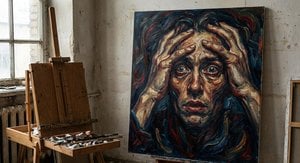
Figurative Expressionism: Emotional Intensity & Subjective Reality in 20th-Century Art
Explore the powerful world of Figurative Expressionism with ArtsDot. Discover key artists like Kirchner & Beckmann, understand its emotional depth, and learn how to collect this influential 20th-century art movement.

The Raw Emotion of Expressionism: A Deep Dive into its History, Characteristics & Enduring Influence
Explore the raw emotion of Expressionism with ArtsDot. Discover its history, key artists like Kirchner & Munch, and lasting influence on modern art. Expert insights for collectors & enthusiasts.
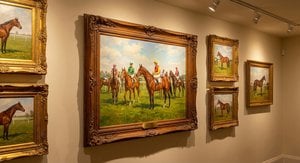
Sir Alfred Munnings' Masterpieces: 25 Paintings That Define Equine Art | ArtsDot
Explore 25 iconic Sir Alfred Munnings paintings! Discover the beauty of British Impressionism, equine art & rural England. Find museum-quality reproductions and elevate your home decor with ArtsDot. Explore the full collection online.

James Ensor's Grotesque Visions: Social Commentary & Artistic Innovation
Explore the unsettling yet captivating world of James Ensor, a pioneer of Expressionism. Discover his satirical masterpieces, symbolic imagery & lasting influence on modern art. High-quality reproductions available at ArtsDot.

ジェームズ・マクニール・ホイストラー:至高の25選 - 美と調和を求めた芸術家の軌跡 | ArtsDot
ジェームズ・マクニール・ホイストラーの至高の25選。ノクターン、印象派、美しい色彩に満ちた作品群を紐解きます。ArtsDotで高品質なアートプリントとインテリアをお楽しみください。名画の世界へ – ArtsDot.com


