

 シェアする
シェアする シェアする
シェアする
 詳細を見る
詳細を見る ガイドを表示

 ダウンロード
 似ている作品
 スライドショーを表示
 Q&A
Q&A 統計情報
統計情報Figure


 詳細を表示
詳細を表示
ウェブ上のプレビューを遥かに凌駕する、印刷に最適なファイルをご提供します。当サイトで販売しているすべてのデジタル画像は、弊社のデータベース内にある高解像度のマスターデータ(通常、幅5,000〜15,000ピクセル)から作成されています。そのため、大判印刷や大胆なクロップ、細部まで緻密な再現も、安心してお楽しみいただけます。
当スタジオから送り出される画像は、すべて丁寧に加工されています。デジタルエキスパートが原画と照らし合わせて色調を精査し、必要に応じて補正を行った上で、プロ仕様のリタッチツールを用いて鮮明さと細部を向上させます。その際、アーティストの筆致やスタイルに忠実であることを常に追求しています。その結果、単なるスキャン画像にフィルターをかけたようなものではなく、まるで本物の絵画を見ているかのような仕上がりを実現しています。
仕上がりをご確認いただいてから完了となります。専門スタッフが、ご確認用の画像を72時間以内にメールでお送りいたします。もしご満足いただけない場合は、修正や改善のご要望を承るほか、品質が基準に満たない場合には返金も可能です。
出版社、デザインスタジオ、ギャラリー、そして印刷所から信頼される品質です。
デジタルアート
個人での鑑賞、印刷、クリエイティブなプロジェクトにご利用いただける高解像度ファイルをダウンロードできます。 ( プリント版に切り替え 手描き複製画を注文する)
デジタル画像のご注文に付随する特典
確かな品質による、プロフェッショナルなデジタル配信
ArtsDot.com を選ぶことは、単に画像を手に入れることではありません。プロの手によって精密に仕上げられ、満足保証が付いた高品質なデジタルアートワークを受け取ることを意味します。ご注文いただいた際に自動的に付随する内容は、以下の通りです:

メールですぐにお届け
ご注文から72時間以内に、高解像度のデジタル画像ファイルをメールでお送りいたします。お手元に届き次第、すぐにご利用いただけます。

AI技術で最適化されたデジタルファイル
お客様の作品は、高度なAI技術と専門家による手作業を組み合わせてプロフェッショナルに最適化されており、細部のディテール、鮮明さ、そして正確な色再現性を最大限に引き出しています。

生涯無料の再送サービス
ファイルを誤って削除したり、紛失してしまったりしましたか?ご安心ください。いつでも無料で再送いたします。

輸入手数料は、いつでも一切かかりません
関税や手数料、配送料を気にすることなく、お気に入りのアートワークをすぐにお楽しみいただけます。デジタルダウンロードは常に免税です。

正確な色彩の保証
プロ仕様のツールとカラーマネジメント技術を用いることで、デジタル画像が元の色を最大限に忠実に再現することを保証いたします。

100日間満足保証
ご購入いただいたデジタル画像にご満足いただけない場合は、100日以内であれば、理由を問わず修正または100%の返金対応をさせていただきます。

100% 返金保証
ご満足いただけない場合は、デジタルファイルを受け取ってから100日以内であれば、理由を問わず全額返金いたします。

まとめ買い割引
3枚購入で10%OFF、5枚購入で15%OFF、10枚以上のご購入で20%OFF。クリエイティブなプロジェクトやギャラリー、エージェンシーに最適です。
A Fragmented Vision of Humanity
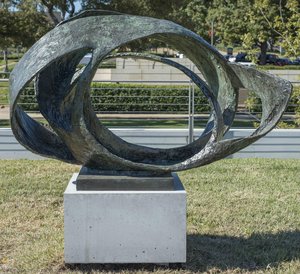
Jacques Lipchitz's "Figure," sculpted in 1930, stands as a profound testament to the transformative power of Cubism and its enduring fascination with exploring the fundamental concepts of form and perception. This bronze masterpiece transcends mere representation; it invites a deep, meditative contemplation on the very essence of human existence through a deliberately abstracted aesthetic. In an era defined by rapid societal shifts, Lipchitz utilized a fragmented language to capture the complexity of the modern soul. The sculpture presents a captivating interplay of geometric precision and organic fluidity, where the human form is not merely depicted but reconstructed through a lens of intellectual rigor and emotional depth.
The composition is a masterclass in the Cubist approach, pioneered by luminaries such as Picasso and Braque. Rather than striving for a realistic or anatomical depiction, Lipchitz dismantles the human figure into interlocking planes, presenting multiple viewpoints simultaneously. The head is rendered with striking simplicity—two oval eyes positioned above a small, triangular nose—which disrupts traditional notions of facial harmony to create a sense of enigmatic presence. Below this stylized visage, undulating vertical forms intersect with curved openings, creating a rhythmic tension between movement and stillness. This structural complexity ensures that the viewer's eye is constantly traveling across the surface, discovering new contours and depths within the bronze.
The Alchemy of Bronze and Form
The materiality of the piece is essential to its enduring impact. The choice of bronze allows for an exquisite level of detail and a rich, tactile quality that stone or wood could not achieve. Through the intricate process of bronze casting, Lipchitz was able to capture subtle variations in surface texture, from the sharp, clean edges of his geometric planes to the softer, more rounded contours of the figure's limbs. The rough, uneven patina resulting from natural oxidation lends the sculpture an ancient, weathered character, suggesting a sense of permanence and historical weight. This textured surface catches the light in a way that emphasizes the sculpture's three-dimensionality, making it a dynamic object that changes appearance depending on the surrounding illumination.
For the discerning collector or interior designer, "Figure" offers an unparalleled opportunity to introduce a piece of art history into a contemporary space. The sculpture’s neutral, earthy tones and sophisticated silhouette allow it to integrate seamlessly into various high-end environments, from minimalist modern galleries to richly textured classical studies. It serves as a powerful focal point, commanding attention through its structural integrity and the quiet strength of its presence. Owning a high-quality reproduction of this work is not merely about acquiring an object; it is about bringing a piece of the avant-garde revolution into one's personal sanctuary, fostering an atmosphere of intellectual curiosity and timeless elegance.
Q&A
ジャック・リプシッツ作「Figure」 の技法(画材)は何ですか?
ジャック・リプシッツは、「Figure」においてBronzeの技法を用いています。この技法が、原画の素材としての性質を決定づけています。
ジャック・リプシッツ作「Figure」は、どのような主題と情緒を融合させているのでしょうか?
「Figure」にはsculpture, abstraction, bronze, geometric form, cubism style, human figure, texture, modern artが描かれており、その情緒はModernと表現されています。
「Figure」の解説ページはどこにありますか?
「Figure」のガイドは、作品の解説資料ページです。このページは印刷可能なファクトシートとなっており、作品のキャプション、クレジット、および詳細情報(作家名、制作年、技法、原寸大、所蔵)をまとめてご確認いただけます。
関連作品




作家略歴
変化によって刻まれた生涯:ジャック・リプシッツの軌跡
1891年、リトアニアのドルスキニカイにてハイム・ジェイコブ・リプシッツとして生を受けたジャック・リプシッツの芸術的道のりは、流転と革新によって劇的に形作られました。建設請負業を営む父を持つリトアニア・ユダヤ人の家庭に育った彼の若き日は、当初、工学への道へと向かっていました。しかし、母の支えによって育まれた溢れんばかりの創造的精神が、彼を1909年のパリへと突き動かしたのです。当時のパリは芸術革命の鼓動が鳴り響く街でした。彼はエコール・デ・ボザールやアカデミー・ジュリアンに入学し、モンマルトルやモンパルナスの活気あふれるコミュニティに身を投じました。こうした社交の場において、フアン・グリス、パブロ・ピカソ、そしてアメデオ・モディリアーニといった巨匠たちとの絆が結ばれました。特にモディリアーニは、リプシッツと妻ベルトを、胸を打つような哀愁漂う二人の肖像画の中に捉えたことで知られています。これらの初期の交流は極めて重要であり、リプシッツ独自の感性によって洗練された「キュビスム」を受け入れるための礎となったのです。形態の結晶化:リプシッツとキュビスム彫刻
リプシッツは単に絵画を三次元へと置き換えたのではありません。彼はキュビスムを彫刻したのです。ピカソやブラックによる断片化された視点に深い影響を受けながらも、1915年から16年頃までの彼の作品には、驚くべき写実性が保たれていました。彼の彫刻は決して完全な抽象ではなく、認識可能な形態の片鱗を留め、そこに感情的な重みが宿っていました。このスタイルは、後に「クリスタル・キュビスム」として知られるものへと進化を遂げます。それは、単一の形態の中に複数の視点を同時に捉えようとする試みであり、面構成と透明感を特徴としていました。彼は空間を断片化させる実験を繰り返し、内なる光で煌めくようなダイナミックな構図を生み出しました。1920年にパリのレオン・ローゼンバーグによるギャラリー・ロフォール・モデルヌで開催された個展は、パリ派の指導的人物としての地位を確固たるものにし、この独自の彫刻言語を世に示しました。「クラリネットを持つアルルカン」のような作品はこの時期を象徴しており、断片化された形態でありながら、遊び心のあるエネルギーと人間的な存在感を伝えることに成功しています。彼は単に形を解体していたのではなく、新しい視覚的論理に従って、形を再構築していたのです。亡命と再創造:新世界、刷新されたヴィジョン
第二次世界大戦の忍び寄る影は、リプシッツの人生に深刻な激変をもたらしました。ナチス政権がフランスへの支配を強め、ユダヤ人への迫害が激化する中、彼は愛した祖国を離れざるを得なくなりました。マルセイユにいたアメリカ人ジャーナリスト、ヴァリアン・フライの貴重な援助により、彼はアメリカへと脱出を果たし、最終的にニューヨーク、そして後にハスティングス・オン・ハドソンへと定住しました。この移住は単なる地理的な移動にとどまりませんでした。それは彼の芸術的軌跡における転換点となったのです。キュビスムの原理を探求し続けながらも、リプシッツの作品は新たな次元を帯び始め、亡命のトラウマや、深まりゆく実存的なテーマを反映するようになりました。ジェローム・ウィスナーを偲んで制作された「ミューズの誕生」(1944-1950年)のような記念碑的な彫刻は、ブロンズに対する彼の卓越した技術と、抽象的な形態を通じて深い感情を伝える能力を見事に証明しています。晩年の回想:信仰、遺産、そしてトスカーナの隠れ家
晩年、リプティッツはユダヤ教への信仰を深め、ルバヴィッチ・レベ、ラビ・メナヘム・シュネールソンの勧めによって、日々の学習やテフィリンの着用を行うなど、新たな情熱をもって宗教的儀礼を受け入れました。この精神的な目覚めは、彼の作品に新たな意味の層を吹き込みました。彼は頻繁にヨーロッパへと戻り、イタリアのピエトラサンタで安らぎとインスピレーションを見出し、彫刻家仲間であるフィオーレ・デ・エンリケスと親密な友情を育みました。H. ハバード・アーネソンとの共著であり、メトロポリタン美術館での展覧会に合わせて1972年に出版された自伝は、彼の人生と芸術の旅路に対する切実な回想録となりました。ジャック・リプシッツは1973年、イタリアのカプリでこの世を去りましたが、その遺体は自身のルーツへの深い結びつきを示すかのように、埋葬のためにエルサレムへと運ばれました。トスカーナにある彼の別荘「ボツィオ」は、現在ユダヤ人のサマーキャンプとして利用されており、彼の遺志が次世代へと受け継がれることを確かなものにしています。彼は単に素晴らしい彫刻群を残しただけでなく、芸術的な回復力と、不屈の人間精神の力強い模範を私たちに残してくれたのです。
ジャック・リプシッツ
1891 - 1973 , リトアニア
プロフィール概要
- Artistic Movement Or Style: キュビスム、クリスタル・キュビスム
- Artists Who Influenced This Artist:
- パブロ・ピカソ
- フアン・グリス
- Date Of Birth: 1891年
- Date Of Death: 1973年
- Full Name: ジャック・リップチンス
- Nationality: リトアニア系フランス系アメリカ人
- Notable Artworks:
- 馬に乗った曲芸師
- 楽器
- ギタリスト
- ピエロ
- クラリネットを持つアルルカン
- ギターを持つ男
- ミューズの誕生
- Place Of Birth: リトアニア、ドルスキニカイ