


 プレビュー
プレビュー
 プリントを購入
 シェアする
シェアする シェアする
シェアする
 詳細を見る
詳細を見る

 ダウンロード
 似ている作品
 X線調査
X線調査 スライドショー
Self Portrait


 詳細を見る
詳細を見る




P118B $10

P118H $10

P118W $10

P438Z $10

P508JH $12

P508YH $12

P805H $10

P805Z $10

P919BZ $10

P919G $10

P919XJ $10

P959ZH $10

P968JZ $12

W106C $8

W218G $10

W218JH $8

W218Y $10

W307PJ $10

W316G $10

W316PJ $8

W316Y $10

W398PJ $8

W4111J $10

W500HY $15

W500JH $15

W692G $12

W849H $8

W940BG $15

W953PJ $8




作品のオリジナル比率に合わせた、当店の規定サイズからお選びください。

特定のフレームやスペースに合わせて、ご希望のサイズをご入力いただけます。選択されたサイズが元の画像の比率と異なる場合、アートワークをトリミングするか、手描きで要素を追加して絵画を拡張いたします。デジタルモックアップ を制作し、制作開始前にご確認(承認)をいただきます。
画面上のプレビューは、実際のトリミングや拡張を正確に反映しているものではありません。最終的な構図は、モックアップによってのみ正確にご確認いただけます。
カスタムサイズもご利用いただけますが、元の比率を維持するためには、あらかじめ用意されたリストからサイズを選択することをお勧めいたします。
ご注文後、ArtsDot.com チームより詳細な指示をお送りするとともに、仕上がりイメージ(モックアップ)をご提供いたします。


 ガラスオプションは、110cm未満のサイズでのみご利用いただけます。

Self Portrait
複製技法
複製画のサイズ
-


合計金額
$ 263
A Window into the Soul: James Tissot’s “Self Portrait”
James Jacques Joseph Tissot's "Self Portrait," painted in 1865, isn’t merely a likeness; it’s a carefully constructed invitation into the artist’s world. Emerging from a period of intense artistic exploration and marked by influences ranging from Ingres to the burgeoning Impressionism of Paris, this work offers a poignant glimpse at Tissot's evolving style and his deep engagement with the social currents of his time. The painting immediately draws the eye with its intimate scale – a relatively small canvas that fosters an immediate sense of connection, as if the artist is sharing a private moment. He sits before an easel, bathed in soft light, a contemplative expression gracing his face. His gaze, direct and slightly melancholic, seems to hold both awareness of himself and a subtle invitation for the viewer to share in his thoughts. The muted palette – predominantly browns, greys, and ochres – contributes to the painting’s subdued elegance, reflecting Tissot's deliberate choice to move away from the bright, theatrical colors favored by earlier academic styles.Technique and Style: A Synthesis of Realism and Impressionistic Hints
Tissot’s technique is a fascinating blend of meticulous realism and subtle Impressionistic touches. He employs a highly detailed approach, rendering the textures of his clothing – the velvet jacket, the worn fabric of his trousers – with remarkable accuracy. Yet, he doesn't simply replicate reality; instead, he uses light and shadow to create an atmosphere, suggesting depth and volume. Notice how the folds of the fabric seem to ripple and shift, not through a rigid adherence to form, but through a skillful manipulation of color and value. This is particularly evident in the way the light catches on the velvet, creating a subtle shimmer that adds to the painting’s overall luminosity. Furthermore, Tissot's use of brushstrokes—often short and broken—hints at an Impressionistic sensibility, anticipating the later developments of Monet and Renoir. He captures fleeting moments of light and shadow, imbuing the scene with a sense of movement and immediacy. The composition itself is carefully balanced, drawing the eye to the artist’s face while simultaneously establishing a harmonious relationship between his figure and the surrounding space.Social Context and Symbolism: A Parisian Artist in His Prime
Painted during a pivotal period in Tissot's career, “Self Portrait” reflects his growing success as a genre painter of contemporary society. He had established himself as a keen observer of Parisian life, capturing the elegance and sophistication of the Belle Époque with remarkable skill. The painting speaks to this ambition – it’s not just a portrait of an artist; it's a statement about his position within the vibrant artistic milieu of Paris. The easel itself becomes a symbol of his profession, while the quiet studio setting suggests a dedication to his craft. The slightly worn appearance of the room and the artist’s attire hint at a life dedicated to art, perhaps tinged with a touch of melancholy – a common theme in Tissot's work. Interestingly, the inclusion of a partially visible mirror behind him subtly reinforces the idea of self-reflection and artistic identity, echoing the Renaissance tradition of artists portraying themselves within their works.Emotional Resonance: Intimacy and Quiet Contemplation
Beyond its technical merits and historical context, “Self Portrait” possesses a profound emotional resonance. The artist’s expression is not one of grand pronouncements or theatrical display; rather, it conveys a sense of quiet contemplation—a moment of introspection amidst the bustle of Parisian life. There's an underlying vulnerability in his gaze, inviting the viewer to share in his thoughts and feelings. It’s a remarkably intimate portrait, offering a rare glimpse into the inner world of a talented artist. The painting speaks to the universal human experience of self-awareness, reminding us that even amidst artistic ambition and social engagement, there is always room for quiet reflection and personal connection. Reproductions of this work offer a beautiful opportunity to bring this moment of serene contemplation into any space, serving as a reminder of the power of art to connect us with both ourselves and the world around us.関連作品


アーティストの略歴
Early Life and Artistic Beginnings
ジャック・ジョゼフ・ティソは、フランスのナントで1836年生まれました。彼の父親は織物商人であり、息子に職人技法と細部へのこだわりを instilledしました。母親は帽子屋であり、息子にパリ社会の鮮やかな世界への感受性を育み、芸術的なビジョンを形成する上で重要な役割を果たしました。家庭的な責任にもかかわらず、ティソは絵画という職業に情熱を注ぎ込み、イグレスやフランドランなどの著名な指導者のもとでパリのエコール・デ・ボワズールに通い、彼のスキルを磨きました。この formative な時期は、芸術へのコミットメントを確固たるものとし、彼を影響力のあるパリ美術環境の中に確立しました。The Salon Years and Recognition
ティソのパリサロンでのデビューは重要な転換点でした。「ファウストとマルガリータとの出会い」という劇的な絵画が披露され、批評家から広範な称賛を受け、観客を魅了しました。この絵画はフランス国家によってルーブル美術館に掲載されるように購入され、複雑な物語を捉え、感情を表現できる画家としての彼の評判を高めました。サロンでの後続の展覧会は彼のスタイルを確立し、著名なパトロンからの依頼を引き寄せました。彼の初期の成功は自信を鼓舞し、彼は新しい主題と技術を探求する道を歩み始めました。これは彼が絵画という職業に情熱を注ぎ込んだ上で重要な役割を果たした軌跡でした。Genre Painting and Parisian Society
ティソの芸術的なブレイクスルーは、「ラ・フェム ア パリ」シリーズで訪れました。この絵画シリーズは、ヴィクトリア朝時代のパリ社会におけるデミモンダの世界を詳細に観察したものでした。これらの絵画は特にテキスタイルの質感を巧みに表現することで特徴づけられ、観客を魅了しました。ティソの細部へのこだわりは単なる視覚的な表現を超えていました。彼は登場人物の外見だけでなく、心理的なニュアンスも捉えようとし、彼の主題が抱く不安と願望を反映させました。彼の作品は印象主義の影響を受けたリアリズムを融合させたものであり、ヴィクトリア朝社会の習慣と芸術的感覚へのユニークな洞察を提供しています。Biblical Themes and Japonisme
ティソは彼の豊かな作品の中で多様な芸術的なインスピレーションを受け入れました。聖書的なテーマからミケネ文明まで幅広い主題を扱いました。彼は宗教的な絵画において霊的な深さと感情的な響きを表現することができ、彼のスキルは視覚的な物語を崇拝へと昇華させました。同時に彼は日本の美学に魅了され、アシンメトリーな構成と日本の版画のような微妙な色彩調和が特徴の作品に日本美術の影響を受けました。このスタイル融合はティソの知的好奇心を示し、革新的な芸術的アプローチを試みることを恐れませんでした。Later Years and Legacy
ティソはフランス・プロイセン戦争に参加し、フランス軍に配属されました。戦争終結後彼はロンドンに移住し、シエームール・ハデンと協力して彫刻を行い、彼のスキルを洗練させました。彼はカトリーン・ニュートンと情熱的な関係を築き上げ、彼の作品に永続的なインスピレーションを与えました。ニュートンは1882年に病気で亡くなり、ティソにとって深い喪失でした。この悲しい章にもかかわらず彼は傑出した芸術作品を作り続け、彼の死まで生き延びました。今日ジャック・ジョゼフ・ティソの遺産はヨーロッパとアメリカの美術館にあります。特にパリにあるジャン=オーギュスト・ヘンナー国立美術館で彼の有名な絵画は芸術的な卓越性とヴィクトリア朝生活と信仰への感動的な描写のために賞賛されています。彼はフランスの19世紀最高のアーティストの一人として歴史に名を刻みました。
ジャック・ジョゼフ・ティソット
1836 - 1902 , フランス
基本情報
- Artistic Movement Or Style: ジャンルペインティング
- Artists Or Movements Influenced By This Artist: ['印象派']
- Artists Who Influenced This Artist:
- ジャン=オーギュスト・ドラクロワ
- ジョージ・バッファロー・コーブ
- Date Of Birth: 1836年10月15日
- Date Of Death: 1902年8月8日
- Full Name: Jacques Joseph Tissot
- Nationality: フランス人
- Notable Artworks:
- ファウストとマルガリータの出会い
- パリの女性
- Place Of Birth: フランス ナンテス
関連記事

ジェームズ・マクニール・ホイストラー:至高の25選 - 美と調和を求めた芸術家の軌跡 | ArtsDot
ジェームズ・マクニール・ホイストラーの至高の25選。ノクターン、印象派、美しい色彩に満ちた作品群を紐解きます。ArtsDotで高品質なアートプリントとインテリアをお楽しみください。名画の世界へ – ArtsDot.com

Sir Alfred Munnings' Masterpieces: 25 Paintings That Define Equine Art | ArtsDot
Explore 25 iconic Sir Alfred Munnings paintings! Discover the beauty of British Impressionism, equine art & rural England. Find museum-quality reproductions and elevate your home decor with ArtsDot. Explore the full collection online.

James Sant: Capturing Victorian Childhood & the Evolving Landscape of British Genre Painting
Explore the life & art of James Sant (1820-1916), renowned Victorian portraitist to Queen Victoria. Discover his captivating depictions of childhood, landscapes, and aristocratic society. Learn about his legacy & find fine art reproductions.
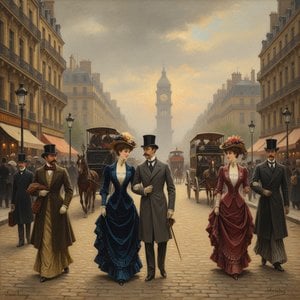
Jacques Joseph Tissot: A Chronicle of Parisian Life & Narrative Evolution
Explore the captivating world of Jacques Joseph Tissot, a master painter of Belle Époque society. Discover his realism, Impressionistic style, and lasting influence on art history. Learn more at ArtsDot.

Reflecting the Self: A History of Portraiture & Psychological Insight
Explore the fascinating history of self-portraiture from Renaissance masters like Dürer & Rembrandt to modern interpretations. Discover the psychological insights and artistic techniques behind these iconic works. Expert analysis for art enthusiasts.

