


 設置イメージを確認
 送る
送る シェア
シェア
 詳細情報
詳細情報 ガイドを表示

 画像をダウンロード
 似ている作品
 X線調査
X線調査 スライドショー
 統計情報
統計情報Pharaoh


 続きを読む
続きを読む
ジークレー/アートプリント
スピーディーな制作と多彩な仕上げオプションが魅力の、ミュージアムクオリティなジークレー・キャンバスプリント。 ( 手描きの複製画を注文する デジタル画像販売へ切り替え)




P118B ¥10

P118H ¥10

P118W ¥10

P438Z ¥10

P508JH ¥12

P508YH ¥12

P805H ¥10

P805Z ¥10

P919BZ ¥10

P919G ¥10

P919XJ ¥10

P959ZH ¥10

P968JZ ¥12

W106C ¥8

W218G ¥10

W218JH ¥8

W218Y ¥10

W307PJ ¥10

W316G ¥10

W316PJ ¥8

W316Y ¥10

W398PJ ¥8

W4111J ¥10

W500HY ¥15

W500JH ¥15

W692G ¥12

W849H ¥8

W940BG ¥15

W953PJ ¥8




作品のオリジナル比率に合わせた、当店の規定サイズからお選びください。

額縁や壁のスペースに合わせて、ご希望の幅と高さを入力してください。プリントはカットすることは可能ですが、元の画像より大きくすることはできないため、異なる比率のサイズを選択された場合は、画像の一部が欠けることになります。印刷を開始する前に、内容を確認していただくためのデジタルモックアップをお送りいたします。このページに表示されている画像は、実際のカット後の状態を示すものではありません。実際の仕上がりはモックアップにてご確認ください。


 ガラスオプションは、110cm未満のサイズでのみご利用いただけます。

Pharaoh
ジークレー/アートプリント
複製画サイズ一覧
-


合計金額
¥ 9767
Jacques Joseph Tissot’s “Pharaoh”: A Pastoral Reverie Captured in Oil
The painting "Pharaoh," completed in 1902 by Jacques Joseph Tissot, stands as a testament to the artist's masterful blend of realism and impressionistic sensibilities. More than just a depiction of rural life—a genre favored by Tissot throughout his prolific career—it embodies a profound meditation on mortality and remembrance, subtly conveyed through meticulous observation and luminous color palettes. This artwork resides within ArtsDot’s extensive collection, offering discerning viewers the opportunity to experience firsthand the beauty and depth of Tissot's vision.Subject Matter and Setting
Tissot transports us to a tranquil English countryside scene—specifically, a hospice chapel where a grieving father holds the body of his deceased son. The composition centers around this poignant tableau, framed by expansive fields of wheat and grazing cows. These elements aren’t merely decorative; they serve as symbolic representations of life's cyclical nature – the golden wheat signifying harvest and renewal juxtaposed against the somber hues of mourning. The artist’s keen eye captures the textures of the landscape with remarkable accuracy, mirroring the subtle nuances of light and shadow that permeate the scene.Style and Technique: Impressionistic Realism
Tissot's artistic approach defies easy categorization. While firmly rooted in realism—evident in his meticulous rendering of anatomical detail and accurate portrayal of natural forms—he imbues his canvases with an unmistakable impressionistic touch. Visible brushstrokes dance across the surface, creating a shimmering effect that captures the ephemeral quality of light filtering through the overcast sky. Layers upon layers of oil paint build up to achieve depth and luminosity, resulting in a textured surface that invites contemplation. The artist skillfully utilizes color—primarily earthy browns, tans, greens, and whites—to evoke feelings of serenity and melancholy simultaneously.Historical Context and Artistic Influences
Tissot’s oeuvre reflects the broader artistic currents of his time – primarily influenced by Impressionism and Academic Painting traditions. He honed his skills under the tutelage of masters like Ingres and Lamothe, absorbing their stylistic precepts while forging his own distinctive voice. The painting's subject matter—the grieving father and son—resonates with Victorian sensibilities concerning death and mourning rituals, reflecting a period marked by heightened emotional awareness and artistic exploration of human experience.Symbolism and Emotional Impact
Beyond its visual beauty, “Pharaoh” carries significant symbolic weight. The hospice chapel itself represents the sacred space of remembrance and solace, highlighting the universality of grief. The cows symbolize fertility and sustenance—a poignant reminder of life’s enduring presence even in the face of loss. Ultimately, Tissot's masterpiece compels viewers to confront mortality with compassion and grace, prompting reflection on themes of familial devotion and the bittersweet beauty of accepting inevitable endings. It is a painting that lingers in the mind long after viewing, offering an invitation to contemplate the profound connections between life and death—and the enduring power of art to illuminate the human condition.よくあるご質問
ジャック・ジョゼフ・ティソット作「Pharaoh」は、縦長、横長、それとも正方形の構図ですか?
ジャック・ジョゼフ・ティソット作「Pharaoh」はPanoramicの構図です。プリントサイズを選択する前に、縦横比をご確認いただくことをお勧めします。
「Pharaoh」は、どのアーティストの作品とされていますか?
「Pharaoh」を手がけたアーティストはジャック・ジョゼフ・ティソットです。この作品はジャック・ジョゼフ・ティソットの名でカタログに登録されています。
「Pharaoh」の詳細を確認することはできますか?
「Pharaoh」は、作品のX線解析ページにて、層ごとに詳しく観察することができます。このビューアは修復家のライトベンチに着想を得ており、画像の11層にわたる光学的な読み取りを可能にしています。
関連作品


アーティストについて
Early Life and Artistic Beginnings
ジャック・ジョゼフ・ティソは、フランスのナントで1836年生まれました。彼の父親は織物商人であり、息子に職人技法と細部へのこだわりを instilledしました。母親は帽子屋であり、息子にパリ社会の鮮やかな世界への感受性を育み、芸術的なビジョンを形成する上で重要な役割を果たしました。家庭的な責任にもかかわらず、ティソは絵画という職業に情熱を注ぎ込み、イグレスやフランドランなどの著名な指導者のもとでパリのエコール・デ・ボワズールに通い、彼のスキルを磨きました。この formative な時期は、芸術へのコミットメントを確固たるものとし、彼を影響力のあるパリ美術環境の中に確立しました。The Salon Years and Recognition
ティソのパリサロンでのデビューは重要な転換点でした。「ファウストとマルガリータとの出会い」という劇的な絵画が披露され、批評家から広範な称賛を受け、観客を魅了しました。この絵画はフランス国家によってルーブル美術館に掲載されるように購入され、複雑な物語を捉え、感情を表現できる画家としての彼の評判を高めました。サロンでの後続の展覧会は彼のスタイルを確立し、著名なパトロンからの依頼を引き寄せました。彼の初期の成功は自信を鼓舞し、彼は新しい主題と技術を探求する道を歩み始めました。これは彼が絵画という職業に情熱を注ぎ込んだ上で重要な役割を果たした軌跡でした。Genre Painting and Parisian Society
ティソの芸術的なブレイクスルーは、「ラ・フェム ア パリ」シリーズで訪れました。この絵画シリーズは、ヴィクトリア朝時代のパリ社会におけるデミモンダの世界を詳細に観察したものでした。これらの絵画は特にテキスタイルの質感を巧みに表現することで特徴づけられ、観客を魅了しました。ティソの細部へのこだわりは単なる視覚的な表現を超えていました。彼は登場人物の外見だけでなく、心理的なニュアンスも捉えようとし、彼の主題が抱く不安と願望を反映させました。彼の作品は印象主義の影響を受けたリアリズムを融合させたものであり、ヴィクトリア朝社会の習慣と芸術的感覚へのユニークな洞察を提供しています。Biblical Themes and Japonisme
ティソは彼の豊かな作品の中で多様な芸術的なインスピレーションを受け入れました。聖書的なテーマからミケネ文明まで幅広い主題を扱いました。彼は宗教的な絵画において霊的な深さと感情的な響きを表現することができ、彼のスキルは視覚的な物語を崇拝へと昇華させました。同時に彼は日本の美学に魅了され、アシンメトリーな構成と日本の版画のような微妙な色彩調和が特徴の作品に日本美術の影響を受けました。このスタイル融合はティソの知的好奇心を示し、革新的な芸術的アプローチを試みることを恐れませんでした。Later Years and Legacy
ティソはフランス・プロイセン戦争に参加し、フランス軍に配属されました。戦争終結後彼はロンドンに移住し、シエームール・ハデンと協力して彫刻を行い、彼のスキルを洗練させました。彼はカトリーン・ニュートンと情熱的な関係を築き上げ、彼の作品に永続的なインスピレーションを与えました。ニュートンは1882年に病気で亡くなり、ティソにとって深い喪失でした。この悲しい章にもかかわらず彼は傑出した芸術作品を作り続け、彼の死まで生き延びました。今日ジャック・ジョゼフ・ティソの遺産はヨーロッパとアメリカの美術館にあります。特にパリにあるジャン=オーギュスト・ヘンナー国立美術館で彼の有名な絵画は芸術的な卓越性とヴィクトリア朝生活と信仰への感動的な描写のために賞賛されています。彼はフランスの19世紀最高のアーティストの一人として歴史に名を刻みました。
ジャック・ジョゼフ・ティソット
1836 - 1902 , フランス
アーティスト情報
- Artistic Movement Or Style: ジャンルペインティング
- Artists Or Movements Influenced By This Artist: ['印象派']
- Artists Who Influenced This Artist:
- ジャン=オーギュスト・ドラクロワ
- ジョージ・バッファロー・コーブ
- Date Of Birth: 1836年10月15日
- Date Of Death: 1902年8月8日
- Full Name: Jacques Joseph Tissot
- Nationality: フランス人
- Notable Artworks:
- ファウストとマルガリータの出会い
- パリの女性
- Place Of Birth: フランス ナンテス
関連記事

Impressionistic Landscapes: 10 Masterpieces That Changed Art & Decor
Journey into the heart of Impressionism! Explore 10 masterpieces by Monet, Renoir & Degas that revolutionized landscape art. Discover their stories, techniques & find museum-quality reproductions to elevate your home decor on ArtsDot.com.

ジョン・コンスタブルの傑作25選:英国風景画の巨匠が描く自然と光の詩 | ArtsDot
ジョン・コンスタブルの傑作25選。英国風景画の巨匠が描く自然と光の詩の世界へ。ロマン主義を代表する絵画、デダム・ヴェールやヘイ・ウェインなど、ArtsDotで高品質なアートプリントをお楽しみください。インテリアに深みと感動を。コレクションはこちら。
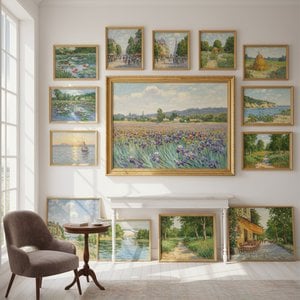
印象派風景を彩った至宝:アート史に名を刻む10選
印象派風景の革新を彩った10選。モネ、ルノワールら巨匠の名作を紐解き、色彩と光が生み出す感動の世界へ。アートの歴史とインテリアのインスピレーションをArtsDot.comで。高品質な複製画で、あなただけの空間を創造しましょう。
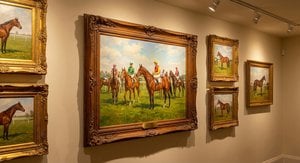
Sir Alfred Munnings' Masterpieces: 25 Paintings That Define Equine Art | ArtsDot
Explore 25 iconic Sir Alfred Munnings paintings! Discover the beauty of British Impressionism, equine art & rural England. Find museum-quality reproductions and elevate your home decor with ArtsDot. Explore the full collection online.

Cultivating Visions: A Historical Journey Through Rural Landscapes in Art
Explore the rich history of rural landscape painting with ArtsDot. Discover Impressionist masterpieces, key artists & movements. Find your perfect serene artwork and bring nature's beauty home.