

 プレビュー
プレビュー
 プリントを購入
 シェアする
シェアする シェアする
シェアする
 詳細を見る
詳細を見る

 ダウンロード
 似ている作品
 X線調査
X線調査 スライドショー
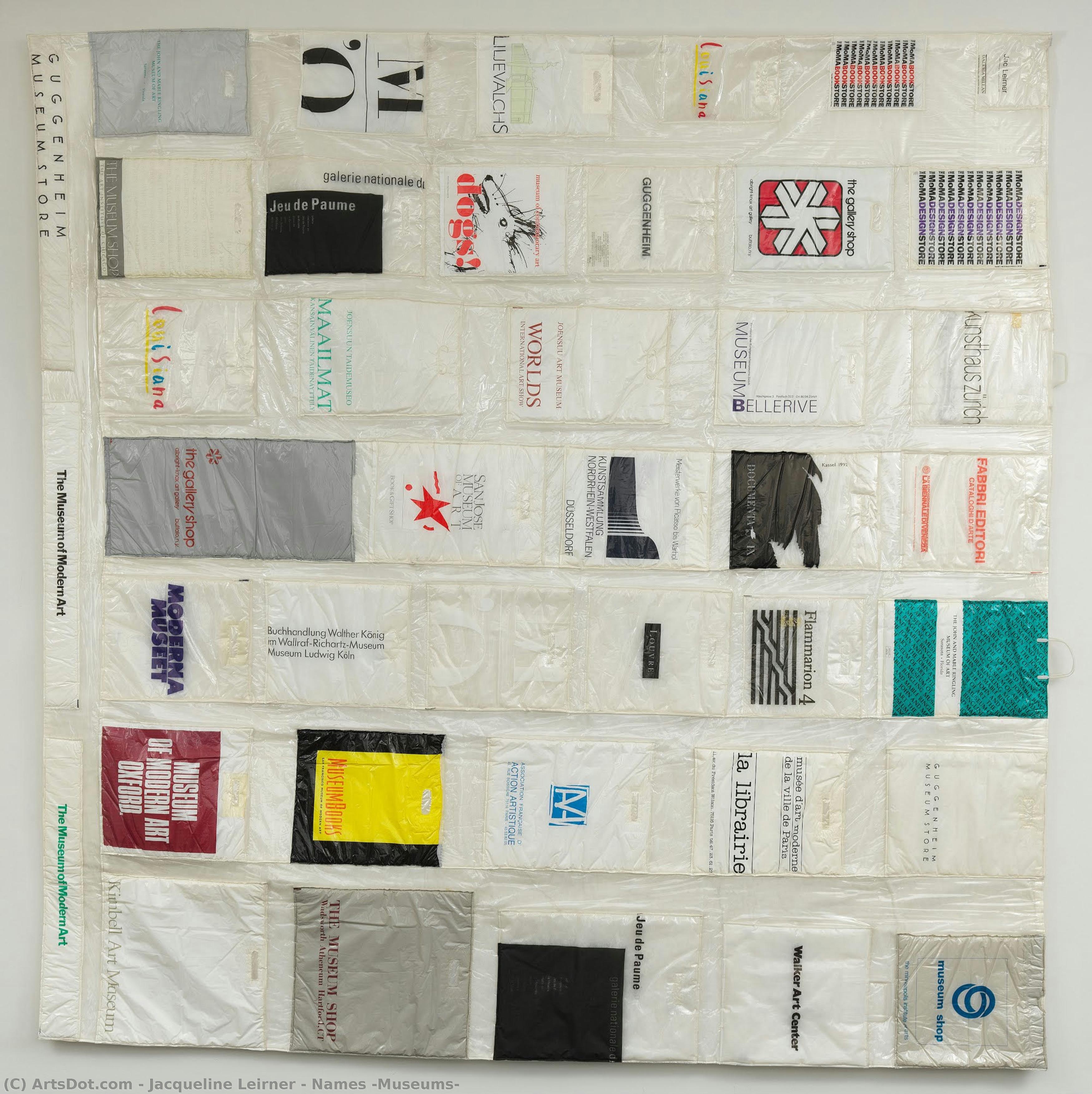
Names (Museums)
 Acrylic
- WallArt
- Contemporary Assemblage
 1992
1992 294.0 x 301.0 cm
 MAM Rio
 詳細を見る
詳細を見る
オンラインプレビューをはるかに凌ぐ、高解像度で鮮明なデジタル画像をご購入いただけます。
各ファイルは、社内の専門家が高度なツールと熟練した手作業によるレタッチを用いて、細心の注意を払って準備されています。すべての画像において、卓越した鮮明度、正確な色彩再現性、そして繊細なディテールを保証いたします。
最終ファイルは、プロフェッショナルな編集・印刷環境ですぐにご利用いただけるよう最適化された状態で、72時間以内にメールにてお届けいたします。これは、一流のデザインスタジオ、出版社、ギャラリーから信頼されているものと同等の品質です。
デジタル画像のご注文に付随する特典
高品質なデジタル画像配信を、確かな品質で。
ArtsDot.com を選ぶことは、単に画像を手に入れることではありません。それは、プロの手によって精密に仕上げられ、満足保証が付いた高品質なデジタルアートワークを受け取ることを意味します。ご注文いただいた際に自動的に付随する内容は、以下の通りです:

メールですぐにお届け
ご注文から72時間以内に、高解像度のデジタル画像ファイルがメールでお手元に届きます。すぐにそのままご利用いただけます。

AI技術で最適化されたデジタルファイル
お客様の作品は、高度なAIツールと専門家による手作業の編集を組み合わせてプロフェッショナルに最適化されており、細部のディテール、鮮明さ、そして正確な色再現性を最大限に引き出しています。

一生涯無料の再送サービス
ファイルを誤って削除したり、紛失してしまったりしましたか?ご安心ください。いつでも無料で再送いたします。

輸入手数料は一切かかりません
関税や手数料、配送料を気にすることなく、お気に入りのアートワークをすぐにお楽しみいただけます。デジタルダウンロードは常に免税です。

色彩再現の保証
プロ仕様のツールとカラーマネジメント技術を用いることで、デジタル画像が元の色を最大限に忠実に再現することを保証いたします。

60日間満足保証
ご購入いただいたデジタル画像にご満足いただけない場合は、60日以内であれば、修正または100%の返金(理由を問う必要はありません)をさせていただきます。

100% 返金保証
ご満足いただけない場合は、デジタルファイルを受け取ってから60日以内であれば、理由を問わず全額返金いたします。

まとめ買い割引
3枚購入で10%OFF - 5枚購入で15%OFF - 10枚以上購入で20%OFF。クリエイティブなプロジェクト、ギャラリー、エージェンシーに最適です。
作品の詳細
A Dense Tapestry of Institutional Memory: Jacqueline Leirner’s “Names (Museums)”
The artwork "Names (Museums)" by Jacqueline Leirner presents itself not as an aesthetic triumph in the conventional sense, but rather as a meticulously crafted document—a visual record of art world dissemination and institutional presence. Created in 1992, this piece transcends mere representation; it embodies a profound engagement with the materiality of archival history and the pervasive influence of museums on shaping cultural discourse. The composition is dominated by an expanse of white canvas overlaid with a collage of museum exhibition labels and promotional materials—a deliberate rejection of traditional artistic conventions favoring instead a documentary aesthetic.- Style & Technique: Leirner’s approach aligns closely with assemblage art, prioritizing the inherent qualities of the source documents rather than imposing stylistic interpretations. The technique involves direct adhesion of the labels to the surface, resulting in a textured expanse where the subtle variations in paper stock and plastic packaging contribute to an overall tactile experience. Lines are defined by the edges of the labels themselves—precise demarcations against which the printed text unfolds.
- Historical Context: The artwork emerged during a pivotal moment in American abstract expressionism, mirroring the broader trend toward process-based art that sought to challenge established artistic hierarchies. Leirner’s work stands as testament to the burgeoning interest in exploring unconventional materials and methods—a reaction against the formalism of earlier decades.
- Subject Matter & Symbolism: The collage's subject matter centers on the omnipresent role of museums in promoting art exhibitions and disseminating cultural information. While devoid of overt symbolic imagery, “Names (Museums)” speaks volumes about the anxieties surrounding the proliferation of visual culture and the desire to capture fleeting moments of artistic engagement.
- Emotional Impact: Viewing this piece evokes a contemplative mood—a feeling of encountering fragments of history and acknowledging the institutional forces that shape our understanding of art. The sheer density of information conveyed serves as a reminder of the vastness of cultural production and its impact on individual perception.
関連作品


作家の略歴
Rembrandt Gladys Schmitt: A Pioneer of Abstract Expressionism in the Early 1960s
Rembrandt Gladys Schmitt (born 1961), a figure whose impact on American abstract expressionism during the early 1960s remains both significant and subtly underappreciated, emerged from a period of intense artistic experimentation. While not achieving the widespread fame of some contemporaries, her work – characterized by vibrant color fields, dynamic gestural marks, and a deeply personal exploration of form and emotion – represents a crucial bridge between the formalist tendencies of mid-century abstraction and the burgeoning movement towards process-oriented art that would define the decade. Born in 1961, Schmitt’s artistic journey began with a deliberate rejection of traditional academic training, opting instead for a self-directed approach rooted in observation and intuitive response to color and texture. This decision proved pivotal, allowing her to develop a unique visual language entirely her own. Schmitt's early influences were diverse, drawing from both European modernism – particularly the expressive brushwork of Matisse and the color theory of Kandinsky – and the burgeoning American scene. The vibrant hues and dynamic compositions of artists like Helen Frankenthaler and Lee Krasner resonated deeply with her, while she also found inspiration in the geometric abstraction of Josef Albers. However, Schmitt quickly moved beyond mere imitation, synthesizing these influences into a highly individual style that prioritized emotional resonance over intellectual calculation. Her canvases became spaces for intense feeling, imbued with a sense of urgency and immediacy. The period surrounding 1961 witnessed a surge of experimentation in the art world – a time when artists were actively dismantling established conventions and exploring new materials and techniques. Schmitt’s work perfectly embodies this spirit of innovation, reflecting a desire to capture not just visual reality but also the subjective experience of perception.Key Works and Artistic Development (1960-1963)
Schmitt's most celebrated works from this period are concentrated within 1961-1963, a remarkably productive phase marked by a shift towards increasingly bold color palettes and gestural mark-making. The “War Babies” exhibition at the Huysman Gallery in Los Angeles, where her piece "Force" was prominently displayed alongside works by Joe Goode, Larry Bell, and Ed Bereal, brought her work to wider attention. This exhibition, however, also generated controversy due to a provocative poster that sparked debate about the role of art in society. The theft of Goya’s “Portrait of the Duke of Wellington” from the National Gallery shortly after its display further fueled public interest in the art world and highlighted the potential for artistic intervention – an event that indirectly impacted Schmitt's own trajectory. Her exploration of color during this time was particularly noteworthy, moving beyond simple representation to create fields of intense chromatic relationships. She experimented with layering pigments directly onto the canvas, allowing for spontaneous drips and splatters that added a layer of unpredictable energy to her compositions. The influence of Yves Klein’s International Klein Blue is evident in several works from this period, demonstrating Schmitt's fascination with saturated hues and their capacity to evoke profound emotional responses.The Influence of Fluxus and Process-Oriented Art
Schmitt’s artistic development coincided with the rise of Fluxus, a loosely organized international movement that challenged traditional notions of art and emphasized the importance of process over product. The first Fluxus event, organized by George Maciunas in New York City in October 1961, provided a fertile ground for experimentation and collaboration. While Schmitt’s direct involvement with Fluxus remains somewhat undocumented, her work shares several key characteristics with the movement's ethos – a focus on chance, spontaneity, and the blurring of boundaries between art and life. Her embrace of gestural mark-making and her willingness to experiment with unconventional materials align with Fluxus’s rejection of established artistic conventions. The emphasis on ephemeral processes—the fleeting nature of paint application, the unpredictable results of dripping and splattering—mirrors the movement's interest in embracing accident and chance as integral components of the creative process.Legacy and Historical Significance
Although Rembrandt Gladys Schmitt’s name may not be as widely recognized as some of her contemporaries, her contribution to American abstract expressionism is undeniable. She stands as a vital link between the formalist traditions of mid-century abstraction and the more process-oriented art movements that emerged in the following decades. Her bold use of color, dynamic gestural marks, and deeply personal approach to painting paved the way for subsequent generations of artists who sought to explore the expressive potential of color and material. Her work serves as a reminder that artistic innovation often arises from a quiet dedication to individual vision and a willingness to challenge established norms. Further research into her archives and a renewed appreciation for her pivotal role in shaping the landscape of 20th-century American art are warranted, ensuring that Rembrandt Gladys Schmitt’s legacy is rightfully acknowledged within the broader narrative of modern art history.
jacqueline leirner
1961 -

