

 設置イメージを表示
 シェアする
シェアする シェアする
シェアする
 詳細を見る
詳細を見る ガイドを表示

 ダウンロード
 似ている作品
 X線調査
X線調査 スライドショーを表示
 Q&A
Q&A 統計情報
統計情報The Cabbalist

- 44.0 x 35.0 cm


 詳細を表示
詳細を表示
ウェブ上のプレビューを遥かに凌駕する、印刷に最適なファイルをご提供します。当サイトで販売しているすべてのデジタル画像は、弊社のデータベース内にある高解像度のマスターデータ(通常、幅5,000〜15,000ピクセル)から作成されています。そのため、大判印刷や大胆なクロップ、細部まで緻密な再現も、安心してお楽しみいただけます。
当スタジオから送り出される画像は、すべて丁寧に加工されています。デジタルエキスパートが原画と照らし合わせて色調を精査し、必要に応じて補正を行った上で、プロ仕様のリタッチツールを用いて鮮明さと細部を向上させます。その際、アーティストの筆致やスタイルに忠実であることを常に追求しています。その結果、単なるスキャン画像にフィルターをかけたようなものではなく、まるで本物の絵画を見ているかのような仕上がりを実現しています。
仕上がりをご確認いただいてから完了となります。専門スタッフが、ご確認用の画像を72時間以内にメールでお送りいたします。もしご満足いただけない場合は、修正や改善のご要望を承るほか、品質が基準に満たない場合には返金も可能です。
出版社、デザインスタジオ、ギャラリー、そして印刷所から信頼される品質です。
デジタルアート
個人での鑑賞、印刷、クリエイティブなプロジェクトにご利用いただける高解像度ファイルをダウンロードできます。 ( プリント版に切り替え 手描き複製画を注文する)
デジタル画像のご注文に付随する特典
確かな品質による、プロフェッショナルなデジタル配信
ArtsDot.com を選ぶことは、単に画像を手に入れることではありません。プロの手によって精密に仕上げられ、満足保証が付いた高品質なデジタルアートワークを受け取ることを意味します。ご注文いただいた際に自動的に付随する内容は、以下の通りです:

メールですぐにお届け
ご注文から72時間以内に、高解像度のデジタル画像ファイルをメールでお送りいたします。お手元に届き次第、すぐにご利用いただけます。

AI技術で最適化されたデジタルファイル
お客様の作品は、高度なAI技術と専門家による手作業を組み合わせてプロフェッショナルに最適化されており、細部のディテール、鮮明さ、そして正確な色再現性を最大限に引き出しています。

生涯無料の再送サービス
ファイルを誤って削除したり、紛失してしまったりしましたか?ご安心ください。いつでも無料で再送いたします。

輸入手数料は、いつでも一切かかりません
関税や手数料、配送料を気にすることなく、お気に入りのアートワークをすぐにお楽しみいただけます。デジタルダウンロードは常に免税です。

正確な色彩の保証
プロ仕様のツールとカラーマネジメント技術を用いることで、デジタル画像が元の色を最大限に忠実に再現することを保証いたします。

100日間満足保証
ご購入いただいたデジタル画像にご満足いただけない場合は、100日以内であれば、理由を問わず修正または100%の返金対応をさせていただきます。

100% 返金保証
ご満足いただけない場合は、デジタルファイルを受け取ってから100日以内であれば、理由を問わず全額返金いたします。

まとめ買い割引
3枚購入で10%OFF、5枚購入で15%OFF、10枚以上のご購入で20%OFF。クリエイティブなプロジェクトやギャラリー、エージェンシーに最適です。
Isidor Kaufmann’s ‘The Cabbalist’: A Window into Eastern European Jewish Life
ArtsDot presents a meticulously crafted hand-painted reproduction of Isidor Kaufmann's “The Cabbalist,” an arresting portrait painted in 1910 that offers a rare and intimate glimpse into the world of Hasidic scholarship. Measuring 44 x 35 cm, this work transcends a simple likeness; it’s a carefully constructed tableau brimming with symbolic weight and reflecting the profound spiritual life of a community largely untouched by the sweeping changes of the early 20th century.
- Subject & Composition: The painting centers on a man – presumably a ‘Cabbalist,’ as the title suggests – seated in what appears to be a study. His weathered face, framed by a neatly trimmed beard and a worn hat, speaks of years spent immersed in contemplation and learning. The arrangement of books surrounding him isn’t merely decorative; it's a deliberate composition that underscores his intellectual pursuits and connection to ancient wisdom.
- Artistic Style & Technique: Kaufmann’s style is firmly rooted in the traditions of Austro-Hungarian genre painting, characterized by its realism and attention to detail. The brushwork is precise yet imbued with a subtle warmth, suggesting a deep understanding of his subject's character and environment. He employs a muted color palette – predominantly browns, grays, and ochres – which contributes to the painting’s solemn and contemplative mood.
A Portrait of Faith: Historical Context & Kaufmann’s Vision
Painted in 1910, “The Cabbalist” captures a pivotal moment in the history of Hasidic Judaism. Isidor Kaufmann (1853-1921), born in Arad, Romania, dedicated his artistic career to documenting the lives and traditions of these communities, primarily in Poland and Romania. His work emerged during a period of significant social and religious change, as traditional Jewish life faced increasing pressure from modernity. Kaufmann’s portraits weren't simply representations; they were acts of preservation, meticulously recording a way of life on the verge of disappearing.
Born to Hungarian Jewish parents, Kaufmann initially pursued commerce before discovering his true calling in painting. His training at the Landes-Zeichenschule in Budapest and subsequent studies at the Vienna Academy of Fine Arts – though initially met with rejection – ultimately shaped his distinctive artistic voice. He was profoundly influenced by Professor Trenkwald, who guided him toward a more focused approach to depicting Jewish life.
Symbolism & Interpretation
The inclusion of numerous books is laden with symbolic meaning within the context of Kabbalah, the mystical branch of Judaism. These volumes represent not just knowledge but also a connection to generations of scholarship and spiritual tradition. The man’s posture – seated, absorbed in his studies – embodies the contemplative nature of this pursuit. The hat, a traditional Jewish head covering, further reinforces his identity and religious devotion. Kaufmann's ability to capture such nuanced details speaks volumes about his deep respect for his subject and his commitment to portraying authentic Jewish life.
Emotional Impact & Collecting
"The Cabbalist" is more than just a beautiful painting; it’s a poignant reminder of a vanishing world. This hand-painted reproduction offers collectors and interior designers alike the opportunity to own a piece of art history, imbued with spiritual significance and artistic merit. Its evocative depiction of scholarly devotion will undoubtedly add depth and character to any space, serving as a constant source of contemplation and appreciation for the rich tapestry of human culture.
Q&A
「The Cabbalist」は、どのような感情を連想させますか?
イジドール・カウフマン作「The Cabbalist」は、Reflectiveな情緒を伝えています。
イジドール・カウフマン作「The Cabbalist」は、どのような空間に飾るのがおすすめですか?
イジドール・カウフマン作「The Cabbalist」 は、Living Room に飾るのがおすすめです。作品の主題、色彩、そして雰囲気に合わせたご提案です。
「The Cabbalist」のスタイルは、作者が生きた時代とどのように関わっていますか?
イジドール・カウフマン作「The Cabbalist」には、Realismの潮流と19世紀の時代が融合しています。
関連作品


作家略歴
消え去った世界の記録者
イジドール・カウフマンは、オーストリア=ハンガリー美術史において類まれな存在感を放つ画家です。ポーランドやルーマニアに広がるハシディズム共同体の日常と精神的伝統を、胸を打つような風俗画として描き出したことでその名を馳せました。1853年、現在のルーマニアにあたるハンガリーのアラドにて、ハンガリー系ユダヤ人の両親のもとに生まれたカウフマンの芸術への道のりは、偶然の重なりによって形作られました。その運命的な流れは、彼を19世紀後半におけるユダヤ文化の最も優れた記録者の一人へと押し上げたのです。当初は商業的な道を歩んでいた彼でしたが、ブダペストのランデス・ツァイヒェンスクーレでの短い学びを通じて、真の天職を見出しました。この初期の情熱の火は生涯消えることなく、やがて名高いウィーン美術アカデミーへと彼を導き、そこで困難に直面しながらも、トレンクヴァルト教授の厳格な指導のもと、その卓越した技術を磨き上げることとなりました。
活気あふれるウィーンの空気の中で、熟練した肖像画家としての地位を確立したカウフマンは、ヨーゼフ・マテウス・アイグナーといった巨匠たちの様式的な影響を吸収していきました。彼の作品には、アカデミックな伝統と、印象派が提唱した新興のリアリズムが見事に融合し始めていました。この独自の技術的基盤があったからこそ、彼は単なる写実を超え、被写体が持つ深い心理的奥行きや精神的な重みを捉えることができたのです。光と影の劇的な相互作用であるキアロスクロ(明暗法)の習熟は、彼のスタイルの代名詞となり、宗教的な学びや共同体の儀式を描いた作品に、まるで神聖なまでの空気感をもたらしました。
帝国の称賛を受けた傑作
カウフマンのキャリアにおける決定的な転換点は、記念碑的な依頼となった「Der Besuch des Rabbi(ラビの訪問)」の制作でした。この作品はあまりに重要であったため、皇帝フランツ・ヨーゼフ1世によって美術史博物館(クンストヒストリーシェ・ムゼウム)のために commissioned されたほどです。この絵画は、緻密なディテールと深い感情的な共鳴を織り交ぜる彼の類まれな能力を、決定的な証として示しています。このキャンバスを通じて、カウフマンは自身が単なる伝統の観察者ではなく、特定の文化的文脈における人間体験の本質を捉えることができる巨匠であることを証明したのです。この作品の成功はヨーロッパ全土に彼の名声を定着させ、民族誌的な主題をハイ・アート(高雅な芸術)の頂点へと引き上げることができる芸術家として、彼を歴史に刻み込みました。
彼の作品群は、東欧におけるユダヤ人の生活の核心へと迫る、親密な眼差しによって特徴づけられます。学者の瞑想的な静寂を描くこともあれば、若者の内に秘めた静かな情熱を写し出すこともあり、カウフマンの絵画は、激動の歴史的変遷の中にあった世界への窓としての役割を果たしています。彼の代表的な作品には以下のようなものがあります:
- Schachspieler(チェスを指す人々): 儀式的な遊びの瞑想的な瞬間を捉えた魅力的な描写であり、日常的な共同体の交流の中に美を見出す彼の才能を示しています。
- The Cabbalist(カバラ学者): 1910年の肖像画で、神秘主義の研究に深く没頭するユダヤ人学者の姿を捉えており、精神的な献身を描き出す画家の技量を見事に示しています。
- Portrait of a Young Man(青年の肖像): 1901年の親密な風俗画で、強烈な眼差しを用いることで、その時代の文化的アイデンティティを垣間見せてくれます。
- Portrait of Isidor Gewitsch(イジドール・ゲヴィッチの肖像): アカデミック・リアリズムの見事な例であり、老人の尊厳と静かな瞑想を、時代を超越したエレガンスとともに描き出しています。
遺産と歴史的意義
イジドール・カウフマンの歴史的な意義は、彼が「視覚的な歴史家」としての役割を果たした点にあります。彼の絵画は、20世紀の激動が訪れる前、東欧におけるハシディズムの生活とユダヤの伝統が放っていた、最後にして最も輝かしい時代の、不可欠で情緒豊かな記録となっています。彼の筆致を通じて、重厚な黒い外套の質感、古文書に照らされた蝋燭の光、そして宗教儀式の厳粛さは、まるで触れられるかのような明晰さをもって保存されています。カウファマンは単に場面を描いたのではありません。彼は文化の魂を捉えたのです。それによって、これらの共同体が持っていた尊厳、知性、そして精神的な豊かさが、芸術史の年譜の中に永遠に刻まれ続けることを確かなものにしたのです。
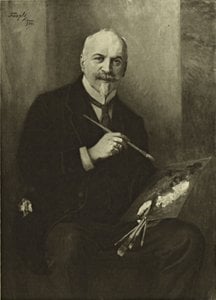
イジドール・カウフマン
1853 - 1921 , ルーマニア
プロフィール概要
- Artistic Movement Or Style: 風俗画
- Artists Or Movements Influenced By This Artist: ['バーロン・ケーニグスヴァルター芸術賞']
- Artists Who Influenced This Artist: ['ヨーゼフ・マテウス・アイグナー']
- Date Of Birth: 1853年
- Full Name: イジドール・カウフマン
- Nationality: オーストリア=ハンガリー帝国
- Notable Artworks:
- イジドール・ゲヴィッチの肖像
- 若いユダヤ人男性の肖像
- Place Of Birth: ルーマニア、アラド