

 プレビュー
プレビュー
 シェアする
シェアする シェアする
シェアする
 詳細を見る
詳細を見る ガイド
ガイド

 ダウンロード
 似ている作品
 X線調査
X線調査 スライドショー
 統計情報
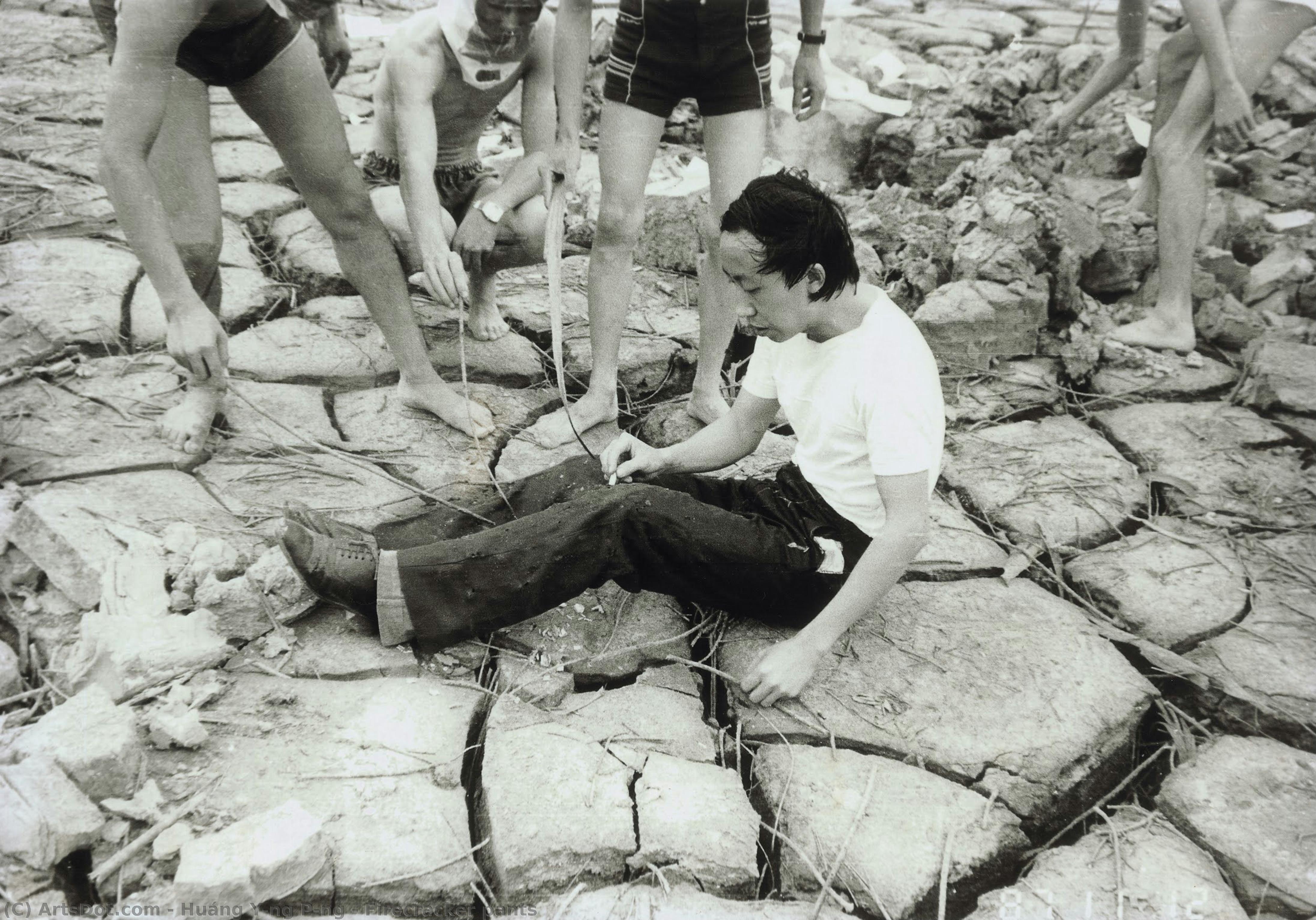
統計情報Firecracker pants

 詳細を見る
詳細を見る
ジークレー/アートプリント
迅速な制作と多彩な仕上げオプションを備えた、ミュージアムクオリティのジークレーまたはキャンバスプリント。 ( 手描きの絵画を購入 デジタル画像販売へ切り替え)




































作品のオリジナル比率に合わせた、当店の規定サイズからお選びください。

特定のフレームやスペースに合わせて、ご自身でサイズを指定することも可能です。選択されたサイズが元の画像の比率と一致しない場合、作品をトリミングするか、鏡面反射または単色での塗りつぶしによって画像を拡張いたします。制作を開始する前に、ご確認用のデジタルモックアップをお送りいたします。
画面上のプレビューには、実際のトリミングや拡張は反映されませんのでご注意ください。最終的な構図を正確に確認できるのは、モックアップのみとなります。
カスタムサイズも承っておりますが、元の比率を維持するためには、あらかじめ用意されたリストからサイズを選択することをお勧めいたします。


 ガラスオプションは、110cm未満のサイズでのみご利用いただけます。

Firecracker pants
ジークレー/アートプリント
複製画のサイズ
-


合計金額
$ 62
関連作品


アーティストの略歴
The Provocative Architect of Chaos: The Life and Legacy of Huang Yongping
In the turbulent landscape of late twentieth-century contemporary art, few figures loomed as large or as enigmatically as Huang Yongping. Born in Xiamen, China, in 1954, Huang emerged not merely as a creator of objects, but as a strategist of disruption. His journey began in the aftermath of the Cultural Revolution, entering the Zhejiang Academy of Fine Arts in 1977—the very first class to attend after decades of profound social upheaval. This formative period instilled in him a deep-seated fascination with the malleability of identity and the instability of political and cultural dogmas. As he navigated the burgeoning avant-garde scene in China, Huang became a central figure in the Xiamen Dada movement, a radical collective that sought to dismantle traditional artistic hierarchies through humor, irreverence, and a profound commitment to the concept of "anti-art."
The essence of Huang’s practice was rooted in a deliberate collision of worlds. He famously described his methodology as utilizing “the East to fight the West... and the West to fight the East.” This dialectical approach allowed him to navigate the complexities of being an immigrant and a global citizen after moving to Paris in 1989. His work was never static; it was a continuous process of transformation, much like the physical materials he often manipulated. He was deeply moved by the radical experimentation of Marcel Duchamp, the chance operations of John Cage, and the ritualistic materiality of Joseph Beuys. From these masters, he inherited a belief that art should function as a tool for social critique and strategic intervention, rather than a mere pursuit of aesthetic beauty.
A Methodology of Transformation and Erasure
To encounter a Huang Yongping installation is to enter a space where the boundaries between permanence and decay are blurred. His work often eschewed the traditional canvas in favor of large-scale, immersive environments that challenged the viewer's perception of reality. One of his most iconic—and physically visceral—techniques involved the use of washing machines to wring newspapers and books, a process that literally bled the ink from the written word, reducing history and information to a chaotic, dark slurry. This act of erasure served as a powerful metaphor for the fragility of memory and the volatility of political truth.
His artistic evolution can be viewed through several conceptual lenses:
- The Dismantling of Tradition: In his early years, Huang utilized absurdity to negate established artistic tropes, much like the Duchampian ready-made, stripping objects of their original context to reveal new, often unsettling, meanings.
- The Exploration of Subjectivity: As his career progressed, he moved toward "anti-self-expression," investigating the limits of individual experience and the ways in which the self is constructed or deconstructed by external cultural forces.
- Materiality and Symbolism: Through works like 100 Arms of Guanyin, he bridged the gap between religious iconography and industrial objects, creating a tension between the sacred and the mundane.
Global Recognition and Enduring Significance
Huang Yongping’s impact resonated far beyond the borders of China, earning him a permanent place in the canon of international contemporary art. His international breakthrough at the landmark Magiciens de la Terre exhibition in Paris in 1989 signaled the arrival of a powerful new voice capable of navigating the global stage. Throughout his career, he was honored with prestigious accolades, including being named a Knight of the Order of Arts and Letters by the French Ministry of Culture and receiving the UNESCO Prize for the Promotion of the Arts.
His presence in the world's most esteemed institutions—from the Guggenheim Museum in New York to the Centre Pompidou in Paris—testifies to his profound influence. Even as his works were often too massive or ephemeral for the traditional auction circuit, his legacy remains anchored in the museums and permanent collections that house his transformative installations. Huang Yongping passed away in Paris in 2019, but he left behind a blueprint for how art can serve as a site of resistance, a laboratory for cultural collision, and a profound interrogation of what it means to exist within the flux of history.

huáng yǒng pīng
1954 - 2019 , China
基本情報
- Artistic Movement Or Style: Avant-garde art
- Artists Or Movements Influenced By This Artist: ['Magiciens de la terre']
- Artists Who Influenced This Artist:
- Joseph Beuys
- John Cage
- Marcel Duchamp
- Date Of Birth: February 18, 1954
- Date Of Death: October 20, 2019
- Full Name: Huang Yongping
- Nationality: Chinese-French
- Notable Artworks:
- Chariot du cycle des 60 ans
- The Beard was Easiest to Burn
- Firecracker pants
- Place Of Birth: Xiamen, China