

 設置イメージを表示
 シェアする
シェアする シェアする
シェアする
 詳細を見る
詳細を見る ガイドを表示

 ダウンロード
 似ている作品
 X線調査
X線調査 スライドショーを表示
 Q&A
Q&A 統計情報
統計情報untitled (4007)


 詳細を表示
詳細を表示
ジークレー/アートプリント
スピーディーな制作と多彩な仕上げオプションが魅力の、ミュージアムクオリティなジークレー・キャンバスプリント。 ( 手描き複製画を注文する デジタル画像販売へ切り替え)




P118B ¥10

P118H ¥10

P118W ¥10

P438Z ¥10

P508JH ¥12

P508YH ¥12

P805H ¥10

P805Z ¥10

P919BZ ¥10

P919G ¥10

P919XJ ¥10

P959ZH ¥10

P968JZ ¥12

W106C ¥8

W218G ¥10

W218JH ¥8

W218Y ¥10

W307PJ ¥10

W316G ¥10

W316PJ ¥8

W316Y ¥10

W398PJ ¥8

W4111J ¥10

W500HY ¥15

W500JH ¥15

W692G ¥12

W849H ¥8

W940BG ¥15

W953PJ ¥8




作品のオリジナル比率に合わせた、当店の規定サイズからお選びください。

額縁や壁のスペースに合わせて、ご希望の幅と高さを入力してください。プリントはカットすることは可能ですが、元の画像より大きくすることはできないため、異なる比率のサイズを選択された場合は、画像の一部が欠けることになります。印刷を開始する前に、内容を確認していただくためのデジタルモックアップをお送りいたします。このページに表示されている画像は、実際のカット後の状態を示すものではありません。実際の仕上がりはモックアップにてご確認ください。


 ガラスオプションは、110cm未満のサイズでのみご利用いただけます。

untitled (4007)
ジークレー/アートプリント
複製画サイズ一覧
-


合計金額
¥ 9974
A Symphony of Color: Unpacking Matisse’s Still Life
In the realm of modern art, few names evoke as much sensory delight as Henri Matisse. His work "untitled (4007)" stands as a breathtaking testament to the power of color to transcend mere representation. This masterpiece is not simply a depiction of fruit resting upon a table; it is an embodiment of Fauvist principles distilled onto canvas, where the boundaries between reality and emotion begin to blur. Created during the early 1920s—a period when Matisse was refining his ability to balance bold experimentation with classical harmony—the painting presents a meticulously arranged tableau. At its heart, a vibrant pile of ripe tomatoes dominates the center, their deep crimson hues acting as a pulse for the entire composition, while scattered apples and strategically positioned vases create a rhythmic visual dance across the surface.
To gaze upon this work is to experience the very essence of Fauvism. Matisse, often associated with the "wild beasts" of the art world, utilized an unrestrained palette to prioritize expressive energy over optical accuracy. Unlike the Impressionists, who sought to capture the fleeting nuances of light, Matisse used thick, confident brushstrokes of scarlet and vermilion to imbue his subjects with a palpable vitality. The technique creates a flattened perspective that invites the viewer into a decorative world where form is secondary to feeling. For the discerning collector or interior designer, this piece offers a profound sense of warmth and abundance, making it an ideal focal point for spaces that require a burst of life and sophisticated energy.
Historical Resonance and Symbolic Depth
The historical context of the 1920s provides a poignant backdrop to this vibrant arrangement. Emerging from the disillusionment of World War I, the art world was a landscape of radical experimentation. As movements like Cubism and Surrealism challenged the very definition of art, Matisse carved out a space for a new kind of joy. His work during this era served as a defiant assertion of artistic freedom, rejecting the somber academic conventions of the past in favor of a celebratory aesthetic. In "untitled (4007)," we see this transition clearly; while the subject matter—a still life of fruit and vessels—is traditional, the execution is revolutionary.
Every element within the frame serves a symbolic purpose, contributing to a larger narrative of harmony and vitality. The repetition of red tones throughout the composition is not merely an aesthetic choice but a thematic one, linking the passion of the tomatoes to the warmth of the domestic setting. The vases act as elegant framing devices, directing the eye inward toward the central feast, while the subtle presence of a cup in the periphery suggests a lived-in, bountiful reality. This careful arrangement reflects Matisse's lifelong fascination with decorative patterns and his desire to create works that functioned as "armchairs" for the mind—pieces of art that provide comfort, beauty, and a sense of equilibrium to the viewer's soul.
An Invitation to Elegance
For those looking to curate an environment of distinction, a high-quality reproduction of this Matisse masterpiece offers more than just decoration; it offers an atmosphere. The painting’s ability to command attention through its saturated palette while maintaining a sense of classical grace makes it a versatile treasure for any high-end interior. Whether placed in a sun-drenched morning room or a sophisticated gallery-style living space, the artwork brings with it the legacy of a master who taught the world how to see color not just as a property of light, but as a language of the heart.
Q&A
アンリ・マティス作「untitled (4007)」の形式には、どのような配置が適していますか?
アンリ・マティス作「untitled (4007)」の作品に関する設置情報は、フォーマット(Landscape)と推奨される設置場所(Restaurant)の2点です。
「untitled (4007)」において、素材と動きはどのように融合しているのでしょうか?
アンリ・マティス作「untitled (4007)」は、Oil On Canvasの技法とFauvist Expressionの様式を融合させた作品です。技法(テクニック)は制作手法を、様式(ムーブメント)はその作品のスタイルを表しています。
「untitled (4007)」は、明暗のコントラストが強い作品ですか?
アンリ・マティス作「untitled (4007)」は、明部と暗部の間にBoldなコントラストを描き出しています。
関連作品


作家プロフィール
アンリ・マティスの幼少期
1869年12月31日、フランスのル・カトウ=カンブレーシスにある、シュ・ド・シェーヌ・アルノーの織物職人の家で、アンリ・マティスは産声を上げました。この小さな家から始まった彼の人生は、後にノール県の静寂を遠く離れ、世界を揺るがす芸術の旅へと続いていくことになります。彼は裕福な穀物商の長男として、土地の恵みを扱う実直で堅実な商家の家系に生まれました。幼少期を過ごしたフランス・ピカルディ地方のボーアン=アン=ヴェルマンデュでは、季節の移ろいと家族の事業が生活のリズムを刻む、穏やかな時間が流れていました。
その成長環境は、芸術の世界とは程遠いものでした。ピカルディの地で育った彼を取り巻いていたのは、商家の家政という極めて現実的な日常でした。初期の生活の中に、筆や絵具といった芸術の片鱗を見出すことは困難でした。むしろ、当時の彼の存在を形作っていたのは、家族からの期待と、フランス北部の町で穀物商の息子として送る、ゆったりとした、変化の少ない平穏な日々だったのです。
教育の黎明期と法学への傾倒
中等教育を終えたアンリ・マティスは、法学を学ぶためにパリへと渡りました。1887年のパリでの日々、彼は法理論という厳格な構造の中に身を置き、研鑽を積んでいました。この時期の彼は、都会の学生に求められる静謐で規律正しい生活を送っており、すぐに画室へと足を踏み入れることはありませんでした。むしろ、キャンバスの世界とはかけ離れた、専門的な実務への道を歩んでいたのです。
その後、彼の人生は再びル・カトウ=カンブレーシスへと彼を連れ戻します。そこで彼は、地元の司法制度を支える行政官として、その重責を担う日々を過ごしました。また、公証人の事務員として、正確さと冷静な手際が求められる職務にも従事していました。後に彼が愛することになる鮮やかな色彩とは無縁の、書類と公的な義務に囲まれた歳月。彼は、筆を執る芸術家となる前に、まずは法の世界に生きる人間だったのです。
芸術的修練と初期のインスピレーション
法学の研鑽からアトリエの世界へと身を投じるにあたり、アンリ・マティスにはパリの古典的伝統に基づいた本格的な基礎が必要でした。彼はそのプロセスを始めるべく、まずアカデミー・ジュリアンに入学します。その後、舞台をエコール・デ・ボザールへと移しました。この修行時代、彼はウィリアム=アドルフ・ブルゲーローやギュスターヴ・モローといった巨匠たちの教えを仰ぎ、その教室で研鑽を積みました。これらの師から授けられた確かな技術的基盤は、後に彼が伝統的な様式を打ち破り、独自の表現へと飛躍するための揺るぎない支えとなったのです。彼は師たちの技法を貪欲に吸収し、デッサンにおける規律と、形態を構築するための構造的な思考を深く学んでいきました。
また、彼の眼差しは、かつての巨匠たちが湛える静謐な世界にも惹かれていきました。ジャン=バティスト=シメオン・シャルダン、ニコラ・プッサン、そしてアントワーヌ・ヴァトーといった芸術家たちの作品を、彼は深く見つめました。これらの画家たちは、対象物の配置や構図の重みといった、異なる視覚的アプローチを彼に提示したのです。光の扱い方や、主題が持つ繊細な質感。この時期の彼は、色彩の劇的な爆発を追い求めるのではなく、むしろ、巧みに構築されたイメージの背後にある論理を理解することに没頭していました。そうした観察の積み重ねこそが、彼独自の線と形の語彙を形作っていったのです。
色彩の発見とフォーヴィスムの誕生
筆を執るという決断は、静寂のひとときから始まりました。1889年、虫垂炎の発症によって余儀なくされた長い療養生活、その束縛の中で、描くという行為が彼の魂に深く刻み込まれたのです。母親から贈られたささやかな絵具セットから始まったその情熱は、かつて抱いていた法学への関心を塗り替えるほどの、新たな「視覚の在り方」へと昇華していきました。静かな回復の時を経て、彼は新しい視覚言語の探求へと身を投じます。それは、かつてパリで学んだ伝統的な技法を遥かに超越していく、革命的な旅の始まりでもありました。
色彩のパレットに劇的な変化が訪れたのは、1896年のベル=イル訪問時でした。そこで出会ったオーストラリア人画家 ジョン・ラッセル は、彼に印象派の光の世界、そして フィンセント・ファン・ゴッホ の作品に見られるような、感情を揺さぶる力強く厚い色彩表現を教えました。これらの出会いは、それまでの写実的な、抑えられたアースカラーによる表現の必要性を彼から奪い去りました。彼は色彩を、対象のありのままの姿を写し取るためではなく、感情を直接的に伝えるための表現手段として用いるようになったのです。対象の見た目よりも、心の動きに共鳴する色合いを。こうして1905年頃、彼の探求は「フォーヴィスム(野獣派)」という大きなうねりへと結実します。アンリ・マティスとその仲間たちが放った、自然界の理を無視した強烈で鮮烈な色彩は、抑制されたアカデミックな様式に慣れ親しんでいた当時の人々を、大きな衝撃で包み込んだのです。
- Woman with a Hat (1905)
- The Joy of Life (1906)
スタイルと芸術的技法
アンリ・マティスの手は、常に多様な表現の形の間を自在に動き回っていました。彼は素描家として、版画家として、そして彫刻家としても活動し、粘土を形作り、後にそれをブロンズへと鋳造させることも少なくありませんでした。若かりし頃の彼は、ポール・シニャックのエッセイに触発されて、点描画法の一種であるディヴィジョニズム(分割主義)の技法を試みています。このアプローチによって、色彩を滑らかに混ぜ合わせるのではなく、独立した色を並置することで、画面上に豊かな色彩を構築することに成功したのです。
創作活動の変遷とともに、彼が用いる道具もまた進化を遂げていきました。エッチングの制作においては、素材を重ね合わせるシヌ・コラージュ技法を取り入れ、後年には、特定の視覚効果を得るためにポショワール(型紙)を用いた切り紙コラージュの技法へと辿り着きました。こうした選択の変遷は、彼が作品の「表面」をいかに捉えていたかを雄弁に物語っています。それは、版画が持つ緻密な精密さから、形を切り出し、配置するという、より身体的でダイナミックな行為への、絶え間ない探求のプロセスでもあったのです。
晩年:制限からの革新—切り絵による創造
1941年、腹部がんの診断が彼の芸術活動における身体的な制約を劇的に変えることとなりました。1941年と1942年に二度の大きな手術を経験したことで、イーゼルに向かって立ち上がり、絵筆を振るうことは困難なものとなったのです。しかし、アンリ・マティスは、ハサミと色紙を用いるという新たな表現の地平を見出しました。「切り絵(découpages)」として知られるこの手法は、座ったまま形と色彩を自在に操ることを可能にしました。彼はまず大きな紙に色彩を施し、それを葉や人物といった有機的な形へと切り抜くことで、全く新しい構成を生み出していったのです。
これらの作品は、しばしば初期の絵画に見られたテーマやモチーフを再訪するものとなりましたが、そこには以前とは異なる、研ぎ澄まされた構造的な明晰さが宿っていました。1947年には、これらの鮮やかな切り絵作品を収めた『ジャズ』という画集を出版しています。肉体的な力が衰えていく中でも、形と色彩の探求を止めることはありませんでした。彼は形と、それを取り囲む空間との関係性に深く焦点を当て、切り抜き、配置するという極めてシンプルな行為を通じて、躍動するような動きを表現する術を見出したのです。
- ジャズ (1947年)
- 青い裸婦 III (1952年)
今日、彼の傑作を訪ねて
サンクトペテルブルクのエルミタージュ美術館の静謐な回廊を歩けば、その至高のコレクションの中に彼の魂に触れることができる。そこには、ロシアのコレクターの依頼によって描かれた1909年の壮大な傑作ダンスが鎮座している。また、パリのオルセー美術館へと足を運べば、彼がパリでの初期の活動において、いかにして色彩と形態を自在に操っていたかを、間近で深く観察することができるだろう。
海を越え、ニューヨークの近代美術館(MoMA)にも、彼の重要な作品がいくつも収蔵されている。これらの作品群は、数十年の歳月の中で彼のスタイルがいかに変容を遂げていったのかを物語る、生きた軌跡である。同様に、ロンドンのナショナル・ギャラリーにも彼の絵画が並び、その芸術的発展におけるまた異なる側面を私たちに提示してくれる。世界各地の美術館に遺された彼の足跡は、彼が色彩という魔法を用いて、いかにして空間を定義していったのかを、静かに、そして力強く語りかけてくるのである。
- ダンス (1909年)
- 金魚 (1911年)
- 贅沢、静寂、快楽 (1904年)

アンリ・マティス
1869 - 1954 , フランス
プロフィール概要
- Artistic Movement Or Style: フォーヴィスム、ポスト印象派、キュビスム
- Artists Or Movements Influenced By This Artist: ['モダニズム']
- Artists Who Influenced This Artist:
- フィンセント・ファン・ゴッホ
- ウィリアム=アドルフ・ブルゲーロー
- ギュスターヴ・モロー
- Date Of Birth: 1869年
- Date Of Death: 1954年
- Full Name: アンリ・エミール・ベノワ・マティス
- Nationality: フランス
- Notable Artworks:
- 帽子をかぶった女
- 生を悦ぶ
- ダンス
- 金魚
- 青い裸体 III
- Place Of Birth: フランス、ル・カトウ=カンブレーシス
関連記事
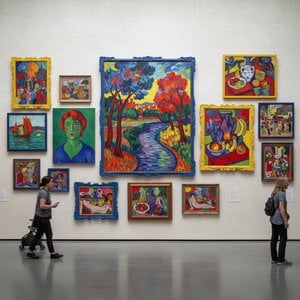
至福の色彩が彩る:フォーヴィズムを定義づけた10大名作
鮮烈な色彩が時代を席巻!フォーヴィズムを代表する10大名作を徹底解剖。マティスら巨匠の技と情熱に触れ、アートの新たな世界を発見。ArtsDot.comで至高の美術館級レプリカと洗練されたインテリアアイデアを見つけよう。
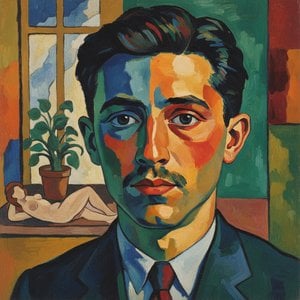
Henri Matisse: A Revolutionary Use of Color and Form in Modern Art
Explore the revolutionary art of Henri Matisse! Discover his bold use of color, Fauvist origins, and lasting impact on modern painting. A comprehensive guide for art enthusiasts.
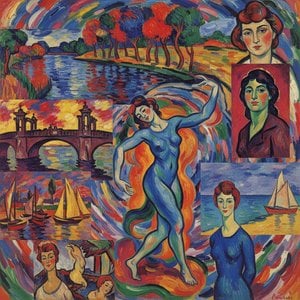
Fauvism's Boldest Visions: 10 Masterpieces That Revolutionized Modern Art | ArtsDot
Explore 10 Fauvist masterpieces by Matisse, Derain & Vlaminck that ignited Modern Art! Discover bold colors, expressionist landscapes & the history of this revolutionary movement. Find museum-quality prints at ArtsDot.com.

アンリ・マティスの傑作25選:色彩と情熱の軌跡|ArtsDot
アンリ・マティスの傑作25選🎨 色彩と情熱が織りなす世界を旅する。フォーヴィスム代表の巨匠、マティスの絵画の魅力と歴史を紐解きます。ArtsDotで高品質なアートプリントや複製画を見つけ、インテリアに芸術的な輝きを✨ Explore the full collection online

The Bountiful Still Life: Symbolism & Artistic Representation of Fruit Across Art History
Explore the rich history of still life painting & the symbolism of fruit across art movements. Discover masterpieces from Caravaggio to Cézanne with ArtsDot – expert guidance & museum-quality reproductions.


