


 プレビュー
プレビュー
 シェアする
シェアする シェアする
シェアする
 詳細を見る
詳細を見る

 ダウンロード
 似ている作品
 X線調査
X線調査 スライドショー
The Three Fates
 Academic Realism
 1855
1855 82.0 x 82.0 cm
 詳細を見る
詳細を見る
ジークレー/アートプリント
迅速な制作と多彩な仕上げオプションを備えた、ミュージアムクオリティのジークレーまたはキャンバスプリント。 ( 手描きの絵画を購入 画像を購入)




































作品のオリジナル比率に合わせた、当店の規定サイズからお選びください。

特定のフレームやスペースに合わせて、ご自身でサイズを指定することも可能です。選択されたサイズが元の画像の比率と一致しない場合、作品をトリミングするか、鏡面反射または単色での塗りつぶしによって画像を拡張いたします。制作を開始する前に、ご確認用のデジタルモックアップをお送りいたします。
画面上のプレビューには、実際のトリミングや拡張は反映されませんのでご注意ください。最終的な構図を正確に確認できるのは、モックアップのみとなります。
カスタムサイズも承っておりますが、元の比率を維持するためには、あらかじめ用意されたリストからサイズを選択することをお勧めいたします。


 ガラスオプションは、110cm未満のサイズでのみご利用いただけます。

The Three Fates
ジークレー/アートプリント
複製画のサイズ
-


合計金額
$ 62
関連作品


アーティストの略歴
The Industrial Soul and Classical Grace
Godfrey Sykes emerged from the heart of Yorkshire as a figure who could bridge the gap between the soot-stained reality of industrial England and the ethereal elegance of the Renaissance. Born in Malton in 1824, his early life was steeped in the rigorous discipline of craftsmanship. Through his apprenticeship under the renowned engraver James Bell, Sykes developed a meticulous eye for detail that would become the hallmark of his diverse career as a designer, metalworker, sculptor, and painter. In those formative years within Sheffield, his brush first captured the raw, unvarnished truth of the industrial landscape—the rhythmic clang of blacksmith shops and the heavy, atmospheric presence of rolling mills. This early period of documentation provided him with a foundational understanding of texture and light that would later inform his more ambitious, decorative pursuits.A Renaissance Awakening
The trajectory of Sykes’s artistry underwent a profound transformation through an intellectual partnership that would redefine much of Victorian decorative art. The arrival of Alfred Stevens in Sheffield in 1850 acted as a catalyst, sparking a shared fascination with the pursuit of harmonious proportions and idealized beauty. Together, they embraced the Renaissance Revival movement, a stylistic shift that moved Sykes away from pure industrial realism toward a more sophisticated, classical aesthetic. As the chief designer for the ironfounders at Hoole & Co., he achieved a remarkable synthesis of heavy material and delicate ornament, executing monumental commissions that showcased his mastery of form:- The striking frieze created for the Mechanics Institute in 1853, which demonstrated his ability to translate classical motifs into tangible, structural art.
- The breathtaking ceiling fresco for the Telegraphic Building in 1856, an achievement that highlighted his skill in large-scale decorative painting.
- The creation of intricate terracotta sculptures and metalwork that brought a sense of historical grandeur to the burgeoning industrial architecture of the era.
The Enduring Legacy of a Victorian Visionary
Though his life was tragically short, ending in London in 1866 at the age of only forty-one, the breadth of Sykes’s contribution remains etched into the very fabric of Victorian design. His ability to navigate between the Romanticism of his portraits and the Realism of his industrial scenes allowed him to capture the dual spirit of his age—the tension between progress and tradition. Whether through the melancholic introspection found in works like 'The Pet in a Pet' or the evocative, impasto-rich depiction of daily labor in 'Grinder’s Hull', Sykes left behind a body of work that celebrates both the strength of human toil and the timeless allure of classical perfection. His legacy continues to resonate through the halls of institutions like the V&A Museum, where his decorative innovations remain a testament to an artist who saw the divine potential within the industrial machine.
Godfrey Sykes
1824 - 1866
基本情報
- Artistic Movement Or Style: Renaissance Revival
- Artists Or Movements Influenced By This Artist: ['Raphael']
- Artists Who Influenced This Artist: ['Alfred Stevens']
- Date Of Birth: 1824
- Date Of Death: 1866
- Full Name: Godfrey Sykes
- Nationality: English
- Notable Artworks:
- Lunch Time
- The Three Fates
- Venus of Urbino (after Titian)
- Place Of Birth: Malton, North Yorkshire
関連記事
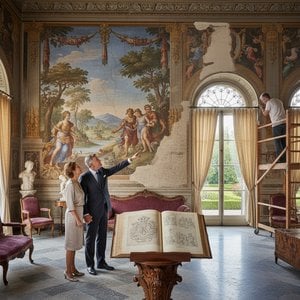
家族の遺産を壁画で彩る:伝統技法が紡ぐ、時を超越する美と記憶
古代から現代までの壁画の歴史と技法を解説。日本の壁画文化やカスタムオーダーによる家族の遺産表現、保存・修復技術まで網羅。専門家が時を超越する美と記憶を紡ぐ芸術的価値をご案内します。

The Enduring Legacy of Fresco Painting: Techniques, History & Contemporary Relevance
Explore the rich history & enduring artistry of fresco painting – from Giotto to Michelangelo! Discover techniques, conservation efforts, & modern applications. Learn how ArtsDot brings this timeless art form to your home.

The Enduring Legacy of Fresco: Technique, History & Artistic Expression Across Cultures
Explore the rich history & enduring legacy of fresco painting! Discover ancient techniques, Giotto's masterpieces, and modern applications. Expert insights for art lovers & professionals.

Art That Lives With You: The Emotional Power of a Custom Interior Fresco
Discover the emotional power & timeless beauty of custom interior frescoes. Explore history, design tips & expert guidance from – creating lasting legacies.

The Enduring Legacy of Fresco: Technique, History & Artistic Expression
Explore the rich history & enduring artistry of fresco painting. Discover techniques from Giotto to Michelangelo, conservation efforts, & modern applications. Learn how ArtsDot brings this timeless art form to your home.

