

 設置イメージを表示
 シェアする
シェアする シェアする
シェアする
 詳細を見る
詳細を見る ガイドを表示

 ダウンロード
 似ている作品
 X線調査
X線調査 スライドショーを表示
 Q&A
Q&A 統計情報
統計情報Summer (detail)


 詳細を表示
詳細を表示
ジークレー/アートプリント
スピーディーな制作と多彩な仕上げオプションが魅力の、ミュージアムクオリティなジークレー・キャンバスプリント。 ( 手描き複製画を注文する デジタル画像販売へ切り替え)




P118B ¥10

P118H ¥10

P118W ¥10

P438Z ¥10

P508JH ¥12

P508YH ¥12

P805H ¥10

P805Z ¥10

P919BZ ¥10

P919G ¥10

P919XJ ¥10

P959ZH ¥10

P968JZ ¥12

W106C ¥8

W218G ¥10

W218JH ¥8

W218Y ¥10

W307PJ ¥10

W316G ¥10

W316PJ ¥8

W316Y ¥10

W398PJ ¥8

W4111J ¥10

W500HY ¥15

W500JH ¥15

W692G ¥12

W849H ¥8

W940BG ¥15

W953PJ ¥8




作品のオリジナル比率に合わせた、当店の規定サイズからお選びください。

額縁や壁のスペースに合わせて、ご希望の幅と高さを入力してください。プリントはカットすることは可能ですが、元の画像より大きくすることはできないため、異なる比率のサイズを選択された場合は、画像の一部が欠けることになります。印刷を開始する前に、内容を確認していただくためのデジタルモックアップをお送りいたします。このページに表示されている画像は、実際のカット後の状態を示すものではありません。実際の仕上がりはモックアップにてご確認ください。


 ガラスオプションは、110cm未満のサイズでのみご利用いただけます。

Summer (detail)
ジークレー/アートプリント
複製画サイズ一覧
-


合計金額
¥ 9954
A World Reimagined: The Enigmatic Art of Giuseppe Arcimboldo
Giuseppe Arcimboldo, a name that conjures images both whimsical and profoundly strange, remains one of the most singular figures in Renaissance art. Born in Milan in 1527, his career unfolded against the backdrop of a Europe steeped in intellectual ferment, religious upheaval, and an insatiable curiosity about the natural world. While initially recognized for more conventional works – frescoes adorning cathedrals and portraits adhering to established courtly standards – Arcimboldo’s enduring legacy rests upon a series of composite heads constructed entirely from meticulously arranged objects: fruits, vegetables, flowers, even musical instruments. These weren't mere playful exercises in visual trickery; they were complex allegories, imbued with symbolism that resonated deeply within the Renaissance worldview and continue to fascinate audiences today. His father, Biagio Arcimboldo, was an artist himself, providing young Giuseppe with a foundational understanding of artistic principles and fostering his innate fascination for observation—a trait that would prove crucial in shaping his revolutionary approach to portraiture.The Mannerist Marvel: Style and Technique
Arcimboldo’s distinctive style belongs firmly within the Mannerist movement, which emerged in Italy during the mid-16th century as a reaction against the idealized beauty of High Renaissance art. Unlike his predecessors who sought to capture likeness with meticulous realism, Arcimboldo deliberately distorted proportions and employed unsettling juxtapositions—a hallmark of Mannerism’s aesthetic sensibility. He achieved this extraordinary feat through painstaking layering techniques, utilizing oil paint on canvas to create an illusionistic surface that convincingly mimics the textures and forms of natural elements. Each fruit, vegetable, or flower was painstakingly positioned to contribute to the overall composition, demanding immense patience and precision from the artist. The result is a captivating interplay between reality and imagination—a visual paradox designed to provoke contemplation and delight.Symbolism Rooted in Renaissance Thought
Beyond its artistic brilliance, Arcimboldo’s “Summer” is laden with symbolic meaning reflecting the intellectual currents of the time. The Renaissance humanist preoccupation with the interconnectedness of nature and human intellect found expression in these fantastical portraits. Fruit—particularly apples, oranges, and bananas—represented vitality, abundance, and knowledge—concepts central to humanist philosophy. The careful arrangement of these objects served as a visual metaphor for the harmonious balance between earthly pleasures and spiritual contemplation. Furthermore, Arcimboldo’s use of musical instruments subtly alluded to the importance of reason and intellect within the Renaissance ideal of human flourishing. Each element was deliberately chosen to convey a specific message—a testament to Arcimboldo's mastery of allegory and his ability to communicate profound ideas through deceptively simple visual forms.A Timeless Vision: Emotional Impact
“Summer” transcends mere representation; it invites viewers into a realm of dreamlike beauty and intellectual curiosity. The unsettling juxtaposition of organic matter and human form compels us to reconsider our perceptions of identity and appearance. Arcimboldo’s work possesses an undeniable emotional resonance—a sense of wonder and delight at the transformative power of artistic imagination. It speaks to our innate fascination with puzzles and challenges, prompting us to decipher the hidden layers of meaning embedded within its intricate visual structure. More than four centuries after its creation, “Summer” continues to captivate audiences worldwide, cementing Arcimboldo’s place as a visionary artist who dared to redefine the boundaries of portraiture and elevate art beyond mere imitation into a vehicle for profound philosophical contemplation.Reproductions Available
ArtsDot.com offers exceptional high-quality reproductions of Giuseppe Arcimboldo's “Summer,” allowing you to bring this iconic Renaissance masterpiece into your home or office. Explore our curated collection and discover the perfect print to inspire your space!Q&A
ジュゼッペ・アルチンボルド作「Summer (detail)」の解説ページはありますか?
「Summer (detail)」のガイドは、作品の解説資料ページです。このページは印刷可能なファクトシートとなっており、作品のキャプション、クレジット、および詳細情報(作家名、制作年、技法、原寸大、所蔵)をまとめてご確認いただけます。
「Summer (detail)」は、いつ、どのような素材で制作されましたか?
ジュゼッペ・アルチンボルド作「Summer (detail)」の技法はアクリル絵具で、制作年は1563年です。
「Summer (detail)」は、どのような色調に寄っていますか?
「Summer (detail)」は黄金色の色彩構成の色調が際立っています。
関連作品


作家プロフィール
生い立ち、家族、そして研鑽
1527年、イタリアのミラノに生を受けたジュゼッペ・アルチンボルドは、視覚的表現の境界がすでに揺らぎ始めていた時代へと足を踏み入れました。芸術への道は、血縁という強い絆によって切り拓かれたものでした。彼の父である画家ビアージョ・アルチンボルドは、息子が芸術家として成長するための不可欠な礎を築いた人物です。幼少期から職人技の神髄に深く触れて過ごした経験は、デザインにおける技術的な精緻さを、彼の血肉として深く刻み込むこととなりました。
才能が開花するにつれ、彼の学びは家庭という枠組みを超えて広がっていきました。彼は既成の巨匠たちの導きを求め、ミラノの画家ジュゼッペ・メダやベルナルディーノ・カンピに師事しました。こうした師たちの存在は、細部に対する鋭い審美眼と、形態に対する深い理解を彼の中に磨き上げました。21歳を迎える頃には、すでにプロとしてのキャリアを歩み始めており、地元の聖堂におけるステンドグラスやフレスコ画のデザイナーとして活動していました。こうした初期の仕事で培われた、色彩と構図を自在に操る規律ある技術こそが、後に彼が手がけることになる、より実験的で独創的な試みを支える強固な土台となったのです。
宮廷の依頼と独自のスタイルの台頭
アルチンボルドの軌跡は、1562年にウィーンのハプスブルク宮廷においてフェルディナント1世の宮廷肖像画家へと任命されたことで、大きな転換点を迎えました。これは、マクシミリアン2世とその息子ルドルフ2世という、相次ぐ3人のハプスブルク家の統治者に対し、芸術的な万能術師(ポリマス)として仕えた20年以上に及ぶ道のりの始まりでした。肖像画の制作――それらでさえもしばしば微妙な奇抜さを漂わせていましたが――に留まらず、アルチンボルドの任務は衣装のデザイン、祭典の装飾、そして帝国のコレクションの整理にまで及びました。洗練された趣味と知的好奇心に満ちたこの環境こそが、彼のシグネチャー・スタイルが開花する舞台となったのです。
彼の奉仕は、神聖ローマ皇帝フェルディナント1世の庇護のもと、オーストリアのウィーンから始まりました。この地位を足がかりに、ハプスブルク家の歴代の統治者が交代する中で、彼の芸術的影響力は着実に拡大していきました。彼はマクシミリアン2世にその才能を捧げ、最終的にはプラハにおいて皇帝の孫であるルドルフ2世に仕えることとなります。ハプスブルク家とのこの長期にわたる深い結びつきこそが、宮廷官僚に求められる標準的な肖像画の枠組みを遥かに超え、彼独自の最も特徴的で型破りな構成を生み出すための自由を彼に与えたのです。
彼の主な任務は貴族たちの容貌を写し取ることでしたが、その役割は多岐にわたり、極めて多面的なものでした。宮廷における彼の活動は、祭典のための衣装や装飾のデザインから、帝国のコレクションの整理・管理に至るまで、実に広範な領域に及びました。このように宮廷生活のあらゆる局面に深く関わったことで、彼の存在感は、厳かな公式行事の場から、帝国の居城における私的な知的な社交界に至るまで、鮮烈に刻み込まれることとなったのです。
技法と独自のスタイル
16世紀の視覚言語におけるジュゼッペ・アルチンボルドの最も際立った貢献は、「合成頭部」という概念の確立にあります。この手法は、異質な物体を緻密に組み合わせることで人間の容貌を構築するという、従来の肖像画の境界を軽々と越え去るものでした。彼は、果物や野菜、花、動物、書物、そして様々な無生物の配置を通じて、顔の解剖学的構造を再構築する「グロテスクな象徴的構成」を極めたのです。これらの作品は、当時は単なる「珍品」として見なされることもありましたが、その実、有機的なものと無機的なものを融合させ、いかにして認識可能な人間の形を創り出すかという、極めて高度な理解に基づいた芸術でした。
彼の卓越した技術的精度は、ありふれた日常の品々を、解剖学的な造形へと変貌させました。その表現を実現するために、彼はハッチングやクロスハッチングの技法を駆使し、選ばれた素材特有の質感を驚くほど忠実に再現しました。例えば、桃の柔らかな曲線は頬のふくらみを、アーティチョークの刺々しい肌やカボチャの凹凸のある皮は、顎のラインや鼻の形を形作ります。光と影を巧みに操ることで、個々の構成要素は明確に区別されながらも、それらが一体となって一つの調和のとれた顔立ちへと昇華されていくのです。果実のベルベットのような質感や、花びらの繊細な重なりをこれほどまでに正確に描き出す彼の筆致は、観る者を「静物画を見ているのか、それとも人間を見ているのか」という、心地よい錯覚の境界へと誘います。
主要な作品と傑作の数々
ジュゼッペ・アルチンボルドの最も独創的なアプローチが、公の場において大きな節目を迎えたのは、1569年の元旦のことでした。この日、彼はマクシミリアン2世に対し、自身の代名詞とも言える「合成頭部」を披露したのです。大地の恵みから人間の容貌を組み立て上げるというこの手法は、初期のキャリアにおける伝統的な肖像画の枠組みからの鮮やかな脱却を告げるものでした。こうした一連の作品群の中でも、マクシミリアンの側近たちを描いたシリーズの一作である司書は、とりわけ際立った存在感を放っています。この作品では、対象の人物が積み上げられた本によって描き出されており、その選択は、描かれた人物のアイデンティティをその知的な職業へと見事に結びつけているのです。
キャリアが進むにつれ、彼の構成はより複雑さを増し、植物学的な細部においてもさらなる深化を遂げていきました。1589年には、花々や花びらを用いてその顔立ちを定義した、ローマの花の女神を描いたフローラを完成させています。こうした実験的な探求は晩年に至るまで続き、1591年のウェルトゥヌスの制作において最高潮に達しました。ローマの季節の神を描いたこの作品では、多種多様な果物や野菜を駆使して神聖ローマ皇帝ルドルフ2世の容貌を形作っています。これら農産物を用いた表現は、自然界と地上の領域を統べる支配者としての皇帝の権威を象徴することを意図したものでした。
- 司書(1566年頃)
- フローラ(1589年)
- ウェルトゥヌス(1591年)
遺産と芸術的影響
ジュゼッペ・アルチンボルドのヴィジョンが再発見されたのは、彼の死から遠い後のことでした。二十世紀が人間の潜在意識を解き明かそうと試みたとき、彼の芸術は新たな命を吹き込まれたのです。自然界の断片から人間の容貌を構築するという彼の特異な手法は、後のシュルレアリスム運動にとっての青写真となりました。サルバドール・ダリやパブロ・ピカソといった画家たちは、異質な物体を組み合わせて一つの認識可能なアイデンティティへと昇華させる彼の技法の中に、知覚を操る類まれなる精神を見出したのです。彼の作品は、有機的なものと人工的なものの境界が、伝統的な肖像画が想定するよりもはるかに曖昧で、浸透し合えるものであることを私たちに示唆しています。
この独創的なアプローチが最も鮮明に現れているのは、四季を描いた作品群です。夏や冬の肖像画において、人間の形態は収穫物の質感や寒々とした空気感の中に完全に飲み込まれ、二度見せずにはいられない視覚的な謎解きを提示しています。これらの構成は、単に顔の形を模倣しているだけではありません。人間の解剖学的な構造を、動植物が織りなす風景へと変容させているのです。人間の顔を、植物や無生物のパーツが組み合わさったパズルのように扱うことで、彼は後に現代シュルレアリスムの思考を定義づけることになる、夢幻的な並置の概念を先取りしていたのでした。
今日、彼の作品をどこで目にすることができるのか
ジュゼッペ・アルチンボルドの想像力が形となった遺産は、ヨーロッパ各地に点在しており、かつて彼が仕えた宮廷を支えた美術館の静謐な回廊の中に大切に守られています。ウィーンでは、美術史美術館が、四季の探求や様々な寓意的な人物像を含む、彼の膨大な作品群の大部分を収蔵しています。これらの傑作は、ハプスブルク家の統治者たちの下で、彼のキャリアが最も輝いた中心地であるこの街に今も息づいています。
また、フランスやイタリアといった主要な文化都市にも、重要なコレクションが存在します。パリのルーヴル美術館には、彼の独創的な構成による作品がいくつか収蔵されているほか、フィレンツェのウフィツィ美術館には、彼の卓越した技術的精密さを物語る作品が保存されています。これらの美術館に彼の作品が並んでいることは、自然界の断片から人間の姿を構築するという、マニエリスム期特有の奇妙で魅力的な手法を、現代の私たちが今なお間近に感じられることを意味しています。
さらに、スウェーデンのスコクローステル城には、彼の絵画の注目すべきコレクションが眠っています。ここには、17世紀の歴史的な動乱を経てこの地に伝わった作品が保存されています。彼の独特な肖像画の手法に触れたいと願う人々にとって、これらの作品は、彼がいかにして帝国の随員としてその才能を振るったのかを雄弁に語りかけてくれることでしょう。
- 司書(1566年頃)
- ウェルトゥヌス(1591年)
- フローラ(1589年)
- 夏(1563年)
- 冬(1573年)

ジュゼッペ・アルチンボルド
1527 - 1593 , イタリア
プロフィール概要
- Artistic Movement Or Style: マニエリスム、シュルレアリズム
- Artists Or Movements Influenced By This Artist:
- サルバドール・ダリ
- シュルレアリスム
- Date Of Birth: 1527年4月5日
- Date Of Death: 1593年7月11日
- Full Name: ジュゼッペ・アルチンボルド
- Nationality: イタリア人
- Notable Artworks (List Of Titles):
- 花の静物
- 四季
- ウェルトゥムヌス
- 司書
- Place Of Birth (City And Country): ミラノ、イタリア
関連記事
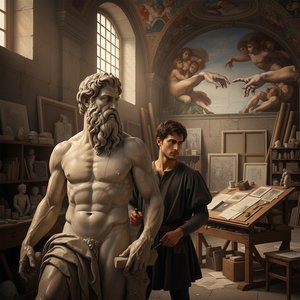
Michelangelo Buonarroti: A Renaissance Titan – Life, Works & Enduring Legacy
Explore the life, works & enduring legacy of Michelangelo Buonarroti, a Renaissance titan. Discover his iconic sculptures, frescoes, and architectural achievements. Expert art consultation & high-quality reproductions at ArtsDot.

Emotional Transmutation in Visual Art: A Study of Affective Representation Through Color, Form, and Texture
Explore the fascinating intersection of art & emotion! Discover how color, form, and texture convey feelings in masterpieces. Expert analysis for collectors & enthusiasts.

Who is Giuseppe Arcimboldo? The Master of Whimsical Composite Portraits
Discover the life of this Milanese master and explore his most famous composite portraits through our curated collection of hand-painted oil reproductions.

The Bountiful Still Life: Symbolism & Artistic Representation of Fruit Across Art History
Explore the rich history of still life painting & the symbolism of fruit across art movements. Discover masterpieces from Caravaggio to Cézanne with ArtsDot – expert guidance & museum-quality reproductions.

Mannerism's Masters: 10 Artworks That Redefined Renaissance Style | ArtsDot
Explore 10 defining Mannerism masterpieces – from Pontormo to El Greco. Discover the stories behind these Renaissance paintings, their unique style & symbolism. Find museum-quality art reproductions at ArtsDot.com and elevate your home decor.


