

 設置イメージを表示
 シェアする
シェアする シェアする
シェアする
 詳細を見る
詳細を見る ガイドを表示

 ダウンロード
 似ている作品
 X線調査
X線調査 スライドショーを表示
 Q&A
Q&A 統計情報
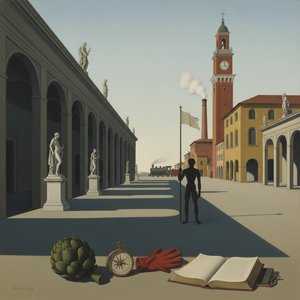
統計情報Metaphysical Triangle


 詳細を表示
詳細を表示
このページに掲載されている作品は著作権法によって保護されており、当社の許可なく同一の複製物を制作または販売することは法律で禁じられています。この保護は、以下のような国際条約に基づき執行されます。 ベルヌ条約 および、以下の条項に定められたものを含む各国の法律により、 米国著作権法 第17編。
この手法は、著作権で保護された作品の複製や複写を伴わないため、著作権法に完全に準拠しています。これは単なる模倣ではなく、創造的な再解釈です。元の作品からインスピレーションを受けつつも、それとは異なる、全く新しい絵画を生み出すものです。
ジークレー/アートプリント
スピーディーな制作と多彩な仕上げオプションが魅力の、ミュージアムクオリティなジークレー・キャンバスプリント。 ( 手描き複製画を注文する デジタル画像販売へ切り替え)




P118B ¥10

P118H ¥10

P118W ¥10

P438Z ¥10

P508JH ¥12

P508YH ¥12

P805H ¥10

P805Z ¥10

P919BZ ¥10

P919G ¥10

P919XJ ¥10

P959ZH ¥10

P968JZ ¥12

W106C ¥8

W218G ¥10

W218JH ¥8

W218Y ¥10

W307PJ ¥10

W316G ¥10

W316PJ ¥8

W316Y ¥10

W398PJ ¥8

W4111J ¥10

W500HY ¥15

W500JH ¥15

W692G ¥12

W849H ¥8

W940BG ¥15

W953PJ ¥8




作品のオリジナル比率に合わせた、当店の規定サイズからお選びください。

額縁や壁のスペースに合わせて、ご希望の幅と高さを入力してください。プリントはカットすることは可能ですが、元の画像より大きくすることはできないため、異なる比率のサイズを選択された場合は、画像の一部が欠けることになります。印刷を開始する前に、内容を確認していただくためのデジタルモックアップをお送りいたします。このページに表示されている画像は、実際のカット後の状態を示すものではありません。実際の仕上がりはモックアップにてご確認ください。


 ガラスオプションは、110cm未満のサイズでのみご利用いただけます。

Metaphysical Triangle
ジークレー/アートプリント
複製画サイズ一覧
-


合計金額
¥ 9952
A Frozen Moment of Existential Dread: De Chirico’s *Metaphysical Triangle*
Giorgio de Chirico's 1958 painting, *Metaphysical Triangle*, is not merely a depiction of a hand and a chess piece; it’s a meticulously crafted distillation of the anxieties and philosophical inquiries that defined the artist’s entire oeuvre. Executed during a period when de Chirico was increasingly reflecting on his earlier, more intensely surreal works, this piece embodies the core tenets of his “metaphysical painting” – a style characterized by unsettling juxtapositions, dreamlike atmospheres, and a profound exploration of the human condition.
- The Composition: The scene unfolds with an almost unnerving stillness. A man’s hand, rendered with painstaking detail, reaches towards a solitary chess piece resting on a checkered board. This simple arrangement immediately evokes themes of strategy, control, and ultimately, the futility of human endeavor.
- Architectural Echoes: The background is dominated by a classical building, reminiscent of Roman ruins – a frequent motif in de Chirico’s work, symbolizing decay, memory, and the weight of history. This architectural backdrop contributes to the painting's sense of alienation and detachment.
- Temporal Disjunction: Two clocks punctuate the scene, one on the left and another towards the top right corner. These are not simply decorative elements; they represent the relentless march of time, a recurring obsession for de Chirico, highlighting the ephemeral nature of existence and the impossibility of truly grasping the present moment.
Deconstructing Reality: The Style and Technique of Metaphysical Painting
De Chirico’s technique is remarkably precise, almost photographic in its rendering of detail – a stark contrast to the hazy, dreamlike quality often associated with his earlier work. He employs a meticulous use of oil paint, layering thin glazes to achieve a luminous effect and creating sharp contrasts between light and shadow. This technical mastery allows him to amplify the unsettling nature of the scene, drawing the viewer into its disorienting space. The deliberate flatness of the picture plane, characteristic of early Cubism, further contributes to the painting’s sense of detachment from reality.
- Color Palette: The muted color palette – dominated by browns, blues, and grays – reinforces the melancholic mood and adds to the overall feeling of isolation.
- Linear Perspective: De Chirico masterfully manipulates linear perspective, creating a sense of spatial ambiguity that further destabilizes the viewer’s perception.
Symbolism and Philosophical Undercurrents
*Metaphysical Triangle* is saturated with symbolism rooted in de Chirico's philosophical influences. The chess piece itself can be interpreted as representing human ambition, strategic thinking, or even the illusion of control. The hand reaching out suggests a yearning for connection, understanding, or perhaps simply an attempt to impose order on a chaotic world. De Chirico was deeply influenced by thinkers like Nietzsche and Schopenhauer, who explored themes of nihilism, the will, and the subjective nature of reality. This painting reflects these ideas – it’s a visual representation of the anxieties inherent in confronting the absurdity of existence.
Emotional Resonance and Lasting Impact
More than just a visually striking image, *Metaphysical Triangle* possesses a profound emotional resonance. It evokes feelings of unease, disorientation, and perhaps even melancholy. De Chirico’s ability to capture these complex emotions through seemingly simple imagery is what makes this painting so enduringly powerful. A hand-painted reproduction offers the opportunity to bring this iconic work into your space, inviting contemplation and sparking dialogue about the fundamental questions of human existence – a testament to de Chirico's genius and his lasting impact on 20th-century art.
Q&A
ジョルジオ・デ・キリコ作「Metaphysical Triangle」は、明るい色調の作品ですか、それとも暗い色調の作品ですか?
ジョルジオ・デ・キリコ作「Metaphysical Triangle」の明るさはdeep_shadow、輝度はDarkと記録されています。
「Metaphysical Triangle」の色同士は、どのように調和していますか?
ジョルジオ・デ・キリコ作「Metaphysical Triangle」は、Balanced Harmonyな色彩の調和を見せています。
ジョルジオ・デ・キリコ作「Metaphysical Triangle」の配色はどのように表現されていますか?
ジョルジオ・デ・キリコ作「Metaphysical Triangle」のカラーパレットはEarthyと表現されており、作品の色使いを簡潔に表しています。
関連作品


作家プロフィール
精神の夢幻風景:ジョルジオ・デ・キリコの生涯と芸術
1888年、ギリシャのヴォロスにて、ジェノヴァ出身の母とシチリア出身の父というイタリア人の両親のもとに生を受けたジョルジオ・デ・キリコの芸術的な旅路は、古典的な遺産と、芽生えつつあった近代的な疎外感の両方に深く浸されたものでした。アテネ・ポリテクニックでの初期教育は伝統的な技法の基礎を築きましたが、彼の創造的精神に真の火を灯したのは、その後のミュンヘンでの研鑽でした。戦前ヨーロッパの知的な熱狂の中で、彼はアルノルト・ボクリンやマックス・クリンガーといった画家たちと出会います。彼らの象徴的な風景画や、見る者の心を捉えて離さない不気味なイメージは、デ・キリコ自身の発展していく美意識と深く共鳴しました。また、当時の哲学的な潮流、すなわちフリードリヒ・ニチェ、アルトゥル・ショーペンハウアー、オットー・ヴァイニングアーの著作も同様に大きな影響を与えました。それらは実存主義、人間の欲望の不合理さ、そして現実の主観的な性質といったテーマを探求しており、これらの思想はデ・キリコの画期的な芸術的ビジョンの核心となっていくのです。形而上絵画の誕生
1909年頃、デ・キリコの探求から独自のスタイルが立ち現れ始めました。彼自身が「形而上(メタフィジカル)」と名付けたその芸術です。これは単なる様式上の革新ではありませんでした。それは、日常生活の表面下に隠された真実を捉えようとする深遠な試みであり、見慣れた空間の中に潜む、言いようのない詩情を明らかにしようとする試みだったのです。決定的な瞬間は、フィレンツェへの訪問とサンタ・クローチェ広場での経験によって訪れ、それが彼の象りとされる「形而上学的な広場」シリーズの火付け役となりました。これらの絵画は、不気味な静寂、長く伸びる劇的な影、論理を欠いた遠近法、そして古典建築と、顔のないマネキンやそびえ立つ彫像といった不安をかき立てる要素との並置を特徴としています。その効果は深く心をざわつかせ、郷愁や孤独感、そして失われたものや手の届かないものに対する、耐えがたいほどの切望を呼び起こします。デ・キリコは「形而上学派(スクオーラ・メタフィジカ)」を創設し、シュルレアリスムに多大な影響を与えましたが、後に彼は自身の作品に対するシュルレアリスム側の解釈とは距離を置くことになります。彼の絵画は夢の挿絵として描かれたのではなく、むしろ目に見える世界を超えた現実――時間と空間が流動的であり、意識と無意識の境界が曖き領域――を描写しようとする試みだったのです。『考える人の苦悩』、『秋の午後の謎』、『愛の歌』といった名作は、この心に焼き付くような美学を体現しており、観る者を存在の神秘と人間知覚の脆さへの瞑想へと誘います。様式の変遷と不朽の遺産
第一次世界大戦後の1919年頃、デ・キリコの芸術的な歩みは予期せぬ転換を迎えました。彼はそれまでの形而上学的なアプローチを拒絶し、代わりに、より伝統的な新古典主義やネオ・バロック様式へと傾倒していったのです。この変化は大きな論争を巻き起こしました。多くの批評家は、作品の質の低下を嘆き、初期の仕事を定義づけていた革新的な精神を彼が捨て去ったと非難しました。しかし、デ_キリコは自らの芸術的選択に揺らぐことはありませんでした。彼は過去のテーマを再訪しながらも、それを異なる美学的感性で描き出していきました。生涯を通じて精力的に描き続け、展示を繰り返した彼は、職人技と技術への一貫した献身を維持しながら、様々な様式や主題を探求し続けました。批判があったにもかかわらず、後世の芸術家たちに与えた彼の影響は、いくら強調してもしすぎることはありません。空間、遠近法、そして象徴主義における彼の革新的な使い方は、従来の芸術的規範に挑戦し、新たな表現形式への道を切り拓いたのです。影響と永続するインパクト
デ・キリコの作品は、19世紀後半の象徴主義運動と、20世紀初頭に台頭したシュルレアリスムを結ぶ極めて重要な架け橋として存在しています。アルノルト・ボクリンやマックス・クリンガーといった画家たちから直接的な影響を受け、彼らの喚起力のあるイメージは、神話や潜在意識に対するデ・キリコ自身の魅惑と共鳴しました。また、ニチェやショーペンハウアーといった哲学者は、実存的な不安、疎外感、そして一見無意味な世界における意味の探求というテーマを探究するための枠組みを彼に提供しました。しかし、デ・キリコの影響はシュルレアリスムだけに留まりませんでした。ルネ・マグリットやサルバドール・ダリといった芸術家たちは、彼の形而上絵画から深いインスピレーションを受け、並置、不合理な遠近法、象徴的なイメージといった技法を取り入れ、彼ら自身の夢のような世界を創造しました。彼の作品はまた、日常の現実をより高められた神秘性と心理的深みをもって描こうとした「マジック・リアリズム」などの後続の運動にも影響を与えました。今日、デ・キリコの絵画は、ローマのスペイン階段近くにある彼に捧げられた美術館をはじめ、世界中の主要な美術館で展示されており、20世紀美術における最も重要な人物の一人としての彼の遺産は、確固たるものとして守られています。彼は単なる作品群を残しただけでなく、新しい「見方」を私たちに残してくれました。それは、世界を隠された意味、不安をかき立てる美、そして永劫に続く神秘に満ちた場所として捉える、新たな知覚のあり方なのです。主要な影響と芸術的系譜
- 影響を与えたもの: アルノルト・ボクリン、マックス・クリンガー、フリードリヒ・ニチェ、アルトゥル・ショーペンハウアー
- 影響を受けたもの: シュルレアリスム(特にルネ・マグリットやサルバドール・ダリなどの芸術家)、およびマジック・リアリズムなどの後続の運動

ジョルジオ・デ・キリコ
1888 - 1978 , ギリシャ
プロフィール概要
- Artistic Movement Or Style: メタフィジカル美術
- Artists Or Movements Influenced By This Artist: ['シュルレアリスム']
- Artists Who Influenced This Artist:
- アルンホルド・ボクリン
- マックス・クリンガー
- フリードリヒ・ニチェ
- Date Of Birth: 1888年7月10日
- Date Of Death: 1978年11月20日
- Full Name: ジョルジオ・デ・キリコ
- Nationality: イタリア人
- Notable Artworks:
- 思考者の苦悩
- 秋の日の謎
- Place Of Birth: ヴォロス、ギリシャ
関連記事

Giclée Prints: Archival Quality & Aesthetic Nuances for the Discerning Collector
Explore the world of giclée prints with ArtsDot. Learn about archival quality, aesthetic nuances & investment potential. Expert guidance for discerning art collectors seeking museum-quality reproductions and lasting value.
Giorgio de Chirico: Metaphysical Realities & the Poetics of Absence
Explore the captivating world of Giorgio de Chirico and his groundbreaking Metaphysical painting movement. Discover the philosophical depths & surreal imagery that influenced generations of artists. Learn more at ArtsDot.

Beyond Reality's Veil: Exploring the Enigmatic World of Metaphysical Art
Explore the captivating world of Metaphysical art with ArtsDot. Discover Giorgio de Chirico's iconic paintings, philosophical influences & lasting impact on Surrealism. Expert insights for collectors.

About Us
Discover our story! We bring world-class art into your life through expert curation, personalized creations, and free previews. Trusted by individuals and businesses since 2000.

ゴヤ傑作25選:スペインの魂を揺さぶる、深遠な芸術の世界 | ArtsDot
ゴヤ傑作25選:ロマン主義を代表するスペインの巨匠、フランシスコ・デ・ゴヤの世界へ。黒衣の女からマハまで、魂を揺さぶる絵画の物語と技法を紐解きます。ArtsDotで高品質なアートレプリカを見つけ、インテリアに深みと風格を。今すぐコレクションをご覧ください。


