

 プレビュー
プレビュー
 シェアする
シェアする シェアする
シェアする
 詳細を見る
詳細を見る

 ダウンロード
 似ている作品
 X線調査
X線調査 スライドショー
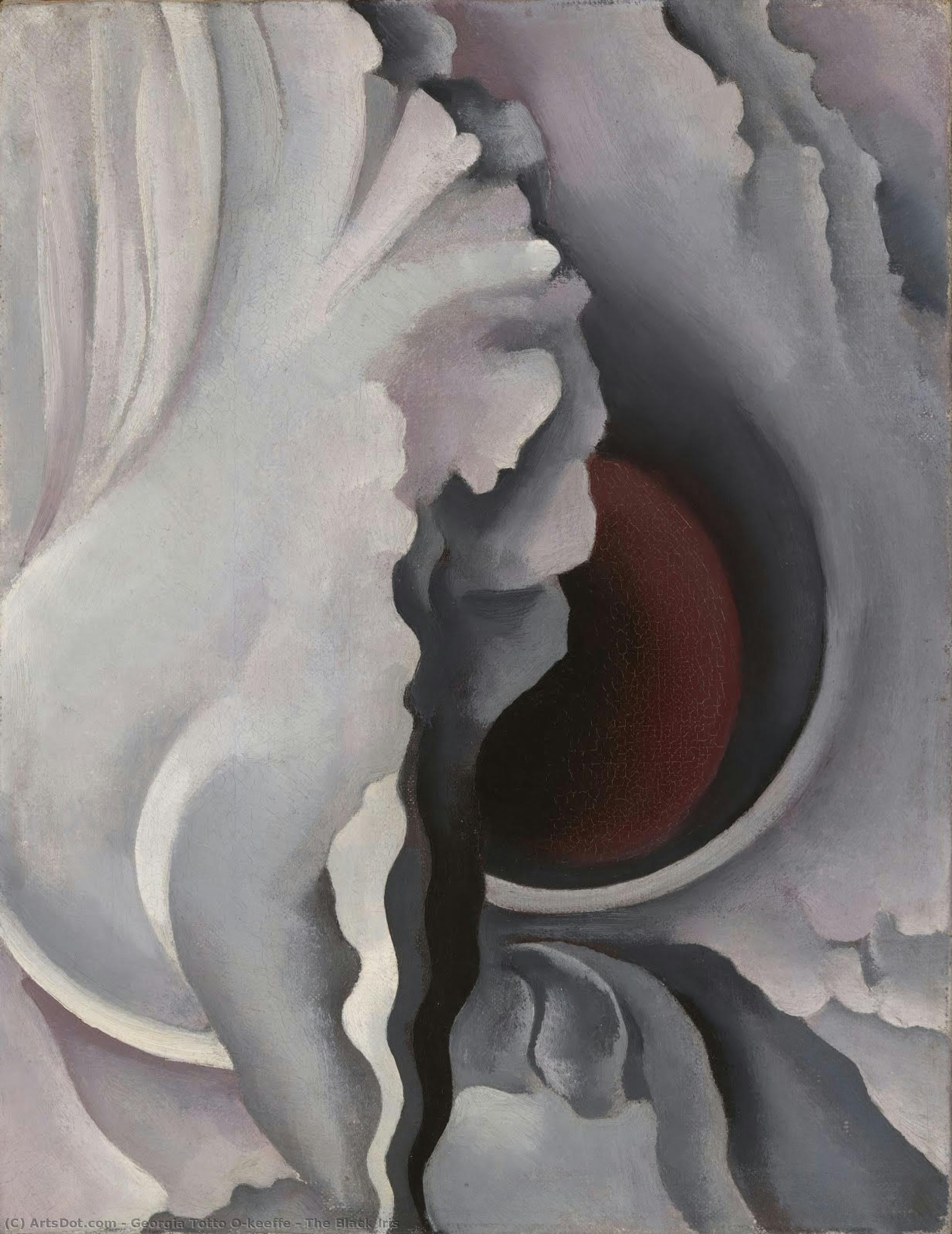
The Black Iris


 詳細を見る
詳細を見る
ジークレー/アートプリント
迅速な制作と多彩な仕上げオプションを備えた、ミュージアムクオリティのジークレーまたはキャンバスプリント。 ( 手描きの絵画を購入 画像を購入)




P118B $10

P118H $10

P118W $10

P438Z $10

P508JH $12

P508YH $12

P805H $10

P805Z $10

P919BZ $10

P919G $10

P919XJ $10

P959ZH $10

P968JZ $12

W106C $8

W218G $10

W218JH $8

W218Y $10

W307PJ $10

W316G $10

W316PJ $8

W316Y $10

W398PJ $8

W4111J $10

W500HY $15

W500JH $15

W692G $12

W849H $8

W940BG $15

W953PJ $8




作品のオリジナル比率に合わせた、当店の規定サイズからお選びください。

特定のフレームやスペースに合わせて、ご自身でサイズを指定することも可能です。選択されたサイズが元の画像の比率と一致しない場合、作品をトリミングするか、鏡面反射または単色での塗りつぶしによって画像を拡張いたします。制作を開始する前に、ご確認用のデジタルモックアップをお送りいたします。
画面上のプレビューには、実際のトリミングや拡張は反映されませんのでご注意ください。最終的な構図を正確に確認できるのは、モックアップのみとなります。
カスタムサイズも承っておりますが、元の比率を維持するためには、あらかじめ用意されたリストからサイズを選択することをお勧めいたします。


 ガラスオプションは、110cm未満のサイズでのみご利用いただけます。

The Black Iris
ジークレー/アートプリント
複製画のサイズ
-


合計金額
$ 62
作品詳細説明
The Black Iris: A Study in Silence and Sensuality – Georgia O’Keeffe's Masterpiece
Georgia O’Keeffe’s “The Black Iris” is more than just a depiction of a flower; it’s an immersion into a world of distilled emotion, a testament to the artist’s profound connection with the natural world and her ability to translate that relationship onto canvas. Completed in 1926, this painting exemplifies O'Keeffe’s groundbreaking approach to American modernism – a deliberate stripping away of extraneous detail to reveal the essential forms and textures that lie beneath. The image, dominated by the intense darkness of the iris’s center and the surrounding petals, immediately draws the viewer in, creating an intimate space where contemplation and quiet observation are paramount.
The composition itself is a carefully constructed exercise in focus. O'Keeffe employs a tightly cropped perspective, filling nearly the entire frame with the flower, forcing us to confront its power directly. The curving petals guide our gaze in a circular motion, mirroring the natural unfolding of the bloom and subtly suggesting notions of growth, expansion, and perhaps even the cyclical nature of life itself. The elongated vertical emphasis adds a sense of strength and resilience, qualities often associated with O’Keeffe's subjects – particularly her flowers.
Chromatic Restraint and Dramatic Contrast
What immediately strikes the viewer is the painting’s remarkable restraint in its color palette. Primarily monochromatic, it revolves around shades of white, gray, and black, punctuated by a startlingly deep burgundy/maroon hue at the flower's core. This deliberate lack of vibrant color amplifies the impact of the central focal point, creating a dramatic contrast that commands attention. The subtle gradations within these tones – the delicate shifts in value and saturation – are crucial to building depth and dimension, giving the illusion of velvety petals and complex shadow play. It’s a masterful demonstration of how O'Keeffe used color not for decoration, but as a tool to shape perception.
Craftsmanship and the Language of Line
The surface of “The Black Iris” is alive with evidence of O’Keeffe’s meticulous technique. Visible brushstrokes are deliberately employed, creating a textured surface that invites tactile engagement – almost as if you could reach out and feel the delicate curve of each petal. Layering techniques build volume and create an incredible sense of three-dimensionality, transforming a static image into a dynamic representation of form. The artist’s use of soft, flowing lines to define the petals contrasts with the more defined edges of the darker center, further emphasizing the flower's organic structure. This careful control over line and shape is characteristic of O’Keeffe’s modernist style – a commitment to simplifying forms while retaining their essential beauty.
Symbolism and the Inner Landscape
As with many of O’Keeffe’s works, “The Black Iris” invites interpretation. The flower itself has been widely discussed in terms of its symbolic resonance. Often viewed as representations of femininity, sexuality, or inner emotions, these flowers were not merely botanical studies for O'Keeffe; they were conduits to a deeper understanding of the human condition. Linda Nochlin’s influential analysis suggests that the iris could be interpreted as a morphological metaphor for female genitalia, a provocative reading that highlights the artist’s willingness to challenge conventional notions of beauty and representation. However, O’Keeffe herself resisted such interpretations, emphasizing her intention to capture “what I saw” – a testament to her artistic independence and desire to create works that resonated with her own unique vision.
A Legacy of Vision
“The Black Iris” stands as a powerful example of Georgia O’Keeffe's enduring legacy. Created during a pivotal moment in American art history, this painting demonstrates her innovative approach to abstraction and her profound connection to the natural world. Its quiet intensity, masterful technique, and layered symbolism continue to captivate viewers today, solidifying its place as one of O’Keeffe’s most iconic works. A hand-painted reproduction offers a unique opportunity to experience the full impact of this extraordinary piece – a window into the soul of an artist who dared to see beauty in the simplest of forms.


アーティストの略歴
Early Life and Artistic Foundations
Georgia Totto O’Keeffe, a name synonymous with American modernism, emerged from the unassuming landscape of Sun Prairie, Wisconsin, in 1887. Born into a family of Irish and Hungarian descent engaged in dairy farming, young Georgia displayed an artistic inclination early on, deciding by age ten that she would dedicate her life to art. This determination was nurtured through lessons with local watercolorist Sara Mann, followed by formal studies at the School of the Art Institute of Chicago from 1905 to 1906 and later at the University of Virginia. However, it was her encounter with Arthur Wesley Dow’s principles – emphasizing personal expression and a harmonious balance of color and line – that truly ignited her artistic path. Dow's teachings steered O’Keeffe away from strict realism toward a more subjective and emotionally resonant approach to art, an approach that would define her career. These formative years weren’t without their challenges; periods of illness and dissatisfaction led her to temporarily abandon painting, but the creative impulse always drew her back, evolving with each new experience and influence.New York and the Stieglitz Circle
A pivotal moment arrived in 1916 when O’Keeffe’s abstract charcoal drawings were discovered by Alfred Stieglitz, a renowned photographer and art dealer. He exhibited her work without her prior knowledge, sparking a dialogue that would profoundly shape both their lives and the course of American art. Stieglitz recognized an exceptional talent in O’Keeffe, one that resonated with his own modernist sensibilities. He invited her to New York City in 1918, providing not only professional support but also fostering a deep personal connection. Their relationship blossomed into marriage in 1924, creating a dynamic artistic partnership and intellectual exchange. Stieglitz championed O’Keeffe’s work, showcasing it at his gallery “291” and promoting her as a leading figure in the American avant-garde. During this period, she began to develop her signature style – bold, simplified forms and intensely saturated colors – initially expressed through depictions of New York skyscrapers and, most famously, magnified flower paintings. These floral works, often interpreted (though consistently denied by O’Keeffe herself) as veiled representations of female anatomy, challenged conventional notions of beauty and sexuality in art.The Allure of the Southwest
While New York provided a crucial platform for her early success, it was the landscapes of the American Southwest that truly captivated O’Keeffe’s imagination and profoundly influenced her artistic vision. Her first visit to New Mexico in 1929 marked the beginning of a lifelong love affair with the region’s stark beauty, vibrant colors, and unique cultural heritage. The vastness of the desert, the dramatic rock formations, and the ancient Pueblo architecture resonated deeply within her, inspiring a new series of paintings that reflected the spirit of the land. Works like *Cow’s Skull: Red, White, and Blue* (1931) and *Summer Days* (1936) are powerful testaments to this influence, transforming seemingly mundane objects into iconic symbols of the American West. She eventually settled permanently in New Mexico in 1949 following Stieglitz’s death, establishing a home and studio in Abiquiu that became integral to her artistic process and identity.Legacy and Enduring Influence
Georgia O'Keeffe continued to paint prolifically throughout her life, experimenting with new subjects and pushing the boundaries of abstraction. Her later works included aerial views of clouds and skies, reflecting a fascination with the vastness and ethereal quality of the natural world. She remained fiercely independent and uncompromising in her artistic vision, refusing to be categorized or defined by prevailing art movements. O’Keeffe’s impact on American art is immeasurable. She paved the way for future generations of female artists, challenging societal norms and asserting her own unique voice in a male-dominated field. Her paintings continue to captivate audiences with their bold simplicity, emotional depth, and evocative power. The establishment of the Georgia O'Keeffe Museum in Santa Fe in 1997 further solidified her legacy, preserving her art and providing a space for ongoing scholarship and appreciation. In 2014, *Jimson Weed/White Flower No. 1* sold for $44.4 million, setting a record price for a work by a female artist – a testament to the enduring value and significance of her artistic contribution. O’Keeffe's influence extends beyond painting; she became an icon of American individualism and self-reliance, inspiring countless artists and admirers with her unwavering commitment to her craft and her unique perspective on the world. Her work remains a powerful reminder of the transformative power of art and the enduring beauty of the natural world.
ジョージア・オキーフ
1887 - 1986 , アメリカ合衆国
基本情報
- Artistic Movement Or Style: モダンアート
- Artists Who Influenced This Artist: ['アルフレッド・ステイグリッツ']
- Date Of Birth: November 15, 1887
- Date Of Death: March 6, 1986
- Full Name: Georgia Totto O'Keeffe
- Nationality: アメリカン
- Notable Artworks:
- レッド・カンナ
- コウズスキュル:レッド、ホワイト、ブルー
- Place Of Birth: Sun Prairie, USA
関連記事

Georgia O'Keeffe: Redefining Modernism Through Symbolism & the American Landscape
Explore the captivating world of Georgia O'Keeffe! Discover her groundbreaking flower paintings, New Mexico landscapes & lasting impact on American Modernism. Expert analysis and insights.

抽象表現主義を定義する十大傑作:芸術と装飾の深遠な旅
抽象表現主義を定義する10の傑作。ポロック、ロスコら巨匠たちの情熱と色彩の世界へ。各作品に込められた物語と技法を紐解き、至高のアート体験を。ArtsDot.comで、ミュージアムクオリティの複製画や洗練されたインテリアアイデアを発見してください。

幾何学的抽象絵画を定義した傑作10選|アート、アーティスト、インテリア装飾
モンドリアン、マレーヴィチ…幾何学的抽象絵画を代表する傑作10選。各作品の背景や色彩構成、アーティストの情熱に迫ります。美術館品質の複製画はArtsDot.comで。オンラインでアートコレクションをご覧ください。

Kandinsky's Masterpieces: 25 Paintings That Define Abstract Art | ArtsDot
Journey through Wassily Kandinsky's 25 most iconic abstract paintings. Explore his revolutionary use of color, form & spiritual expressionism. Find museum-quality Kandinsky reproductions and elevate your home decor with ArtsDot.com. Discover all masterpieces on ArtsDot.com!

Deconstructing Form & Feeling: A Comprehensive Exploration of Modernist Artworks
Explore the profound evolution of Modernist art with ArtsDot. Discover key movements like Abstract Expressionism & Analytical Realism, artist insights, and expert collecting guidance. Invest in museum-quality reproductions today.



