


 設置イメージを確認
 送る
送る シェア
シェア
 詳細情報
詳細情報 ガイドを表示

 画像をダウンロード
 似ている作品
 X線調査
X線調査 スライドショー
 統計情報
統計情報We Are Crazy


 続きを読む
続きを読む
このページに掲載されている作品は著作権法によって保護されており、当社の許可なく同一の複製物を制作または販売することは法律で禁じられています。この保護は、以下のような国際条約に基づき執行されます。 ベルヌ条約 および、以下の条項に定められたものを含む各国の法律により、 米国著作権法 第17編。
この手法は、著作権で保護された作品の複製や複写を伴わないため、著作権法に完全に準拠しています。これは単なる模倣ではなく、創造的な再解釈です。元の作品からインスピレーションを受けつつも、それとは異なる、全く新しい絵画を生み出すものです。
ジークレー/アートプリント
スピーディーな制作と多彩な仕上げオプションが魅力の、ミュージアムクオリティなジークレー・キャンバスプリント。 ( 手描きの複製画を注文する デジタル画像販売へ切り替え)




P118B ¥10

P118H ¥10

P118W ¥10

P438Z ¥10

P508JH ¥12

P508YH ¥12

P805H ¥10

P805Z ¥10

P919BZ ¥10

P919G ¥10

P919XJ ¥10

P959ZH ¥10

P968JZ ¥12

W106C ¥8

W218G ¥10

W218JH ¥8

W218Y ¥10

W307PJ ¥10

W316G ¥10

W316PJ ¥8

W316Y ¥10

W398PJ ¥8

W4111J ¥10

W500HY ¥15

W500JH ¥15

W692G ¥12

W849H ¥8

W940BG ¥15

W953PJ ¥8




作品のオリジナル比率に合わせた、当店の規定サイズからお選びください。

額縁や壁のスペースに合わせて、ご希望の幅と高さを入力してください。プリントはカットすることは可能ですが、元の画像より大きくすることはできないため、異なる比率のサイズを選択された場合は、画像の一部が欠けることになります。印刷を開始する前に、内容を確認していただくためのデジタルモックアップをお送りいたします。このページに表示されている画像は、実際のカット後の状態を示すものではありません。実際の仕上がりはモックアップにてご確認ください。


 ガラスオプションは、110cm未満のサイズでのみご利用いただけます。

We Are Crazy
ジークレー/アートプリント
複製画サイズ一覧
-


合計金額
¥ 9804
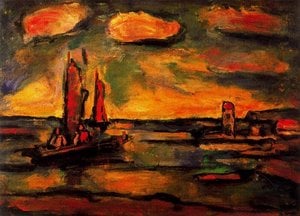
Georges Rouault’s “We Are Crazy”: A Descent into Emotional Truth
“We Are Crazy,” attributed to Georges Rouault, is not merely a depiction of two figures; it's an immersion in the raw currents of human experience – a potent exploration of anxiety, isolation, and perhaps, a glimpse into the fractured psyche. Painted during a period of intense personal and artistic transformation for Rouault, this work exemplifies his signature style: a deliberate rejection of academic realism in favor of profound emotional expression. The piece immediately commands attention with its stark simplicity, dominated by an oppressive palette of black, white, and gray that amplifies the unsettling atmosphere. It’s a visual echo of the Parisian shadows where Rouault himself spent much of his formative years, a constant reminder of hardship and spiritual seeking.
- Composition & Form: The figures are presented with an almost brutal directness, their faces occupying nearly the entire frame. This intense focus creates a claustrophobic effect, mirroring the feeling of confinement often associated with mental distress or profound emotional turmoil. Rouault’s use of simplified shapes – elongated features and exaggerated contours – contributes to this sense of distortion, pushing the viewer into an uncomfortable proximity with the subjects' inner states.
- Technique & Materials: The artist masterfully employs a technique rooted in his early apprenticeship as a glass painter. Thick, bold charcoal lines define the forms, creating dramatic contrasts between light and shadow – a ‘chiaroscuro’ effect reminiscent of Caravaggio but imbued with Rouault's uniquely expressive sensibility. The visible layering of tones suggests meticulous labor, adding to the work’s textural richness and conveying a sense of urgency in the artist’s execution.
Echoes of Expressionism & Fauvism
Rouault’s artistic trajectory was deeply intertwined with the burgeoning movements of Expressionism and Fauvism, though he ultimately forged his own distinct path. His early exposure to Matisse and other Fauvist painters introduced him to a bolder approach to color – a characteristic seen in the luminous fields that punctuate the darkness of “We Are Crazy.” However, unlike the more optimistic or celebratory nature of some Fauvist works, Rouault harnessed this chromatic intensity to heighten the emotional impact, using it not as an end in itself but as a tool for amplifying the underlying sense of unease. The influence of Vincent van Gogh is undeniable, particularly in the expressive use of line and the raw depiction of human emotion.
- Historical Context: Rouault’s work emerged during a period of significant social and artistic upheaval in early 20th-century France. The rise of Expressionism reflected a growing disillusionment with traditional values and a desire to confront difficult truths about the human condition.
- Symbolic Resonance: The title itself, “We Are Crazy,” is laden with symbolic weight. It suggests a loss of control, a descent into irrationality, or perhaps a recognition of the inherent instability within the self – themes frequently explored by Rouault through his depictions of marginalized figures and moments of intense emotional vulnerability.
A Portrait of Spiritual Struggle
Beyond its formal qualities, “We Are Crazy” offers a poignant meditation on faith, suffering, and the search for meaning. Rouault’s devout Catholic upbringing profoundly shaped his artistic vision, leading him to depict scenes of human struggle with unflinching honesty and empathy. The figures in this painting are not simply portraits; they represent a universal experience – the confrontation with darkness, both within ourselves and in the world around us. The work's somber palette and unsettling composition invite contemplation on themes of isolation, despair, and the enduring power of human resilience. It’s a testament to Rouault’s ability to translate profound spiritual and emotional experiences into a powerfully evocative visual language.
Further Exploration
To delve deeper into the world of Georges Rouault, we encourage you to explore his extensive body of work and the rich historical context surrounding his artistic development. Resources such as the Wikipedia entry linked above provide valuable insights into his life, techniques, and influences. Collectors and interior designers seeking a piece that embodies emotional depth and artistic innovation will find “We Are Crazy” a compelling addition to any collection.
よくあるご質問
「We Are Crazy」は、ジョルジュ・ルーオのテーマやスタイルとどのように結びついているのでしょうか?
ジョルジュ・ルーオの作品群において、「We Are Crazy」はExpressionist Painting様式に属しており、fauvism, van gogh influence, catholic faith, spiritual seeking, marginalized figures, social critique, expressionist themes, emotional depthというテーマを共有しています。
ジョルジュ・ルーオ作「We Are Crazy」はどこからダウンロードできますか?
「We Are Crazy」はダウンロード可能です。作品のダウンロードページにて高解像度デジタル画像のダウンロードいただけます。
「We Are Crazy」の色味は、鮮やかですか、それとも落ち着いていますか?
ジョルジュ・ルーオ作「We Are Crazy」の色調は、Mutedの彩度とMonochromaticの強さを備えています。
関連作品



アーティストについて
パリの影で鍛えられた生涯
ジョルジュ・ルーオは、1871年、コミューンの混乱の中でパリに生まれました。彼の幼少期は文字通り影の中で過ごされました。家族は都市の砲撃から身を守るために地下室に避難し、その出来事は彼の芸術的ビジョン全体に響き渡りました。この謙虚な生い立ちと、母親によって育まれた敬虔なカトリック信仰は、疎外され苦しむ人々への深い共感を彼の中に植え付けました。それは彼の作品の中心的なテーマとなりました。ルーオは正式な学術的な特権を受ける運命ではありませんでした。代わりに、14歳でガラス職人の見習いとして働き始め、その技術が彼の美的感覚を大きく形作りました。ステンドグラスに固有の鮮やかな色合いと大胆な輪郭線は、中世美術を彷彿とさせる、暗い輪郭線で囲まれた明るい色彩領域という、彼成熟したスタイル の基礎となりました。この初期の没頭は単なる技術的なものではなく、精神的であり、光とイメージの物語的力を理解する力を与えました。同時に、彼はÉcole des Beaux-Artsで正式な訓練を受け、そこでギュスターヴ・モローの熱心な弟子となり、モローの象徴主義的な傾向が、感情的に充電された主題へのルーオの傾倒をさらに育みました。フォーヴィスムの抱擁から表現主義の深みへ
ルーオの芸術的旅は、即時の認知や容易な分類のものではありませんでした。当初は象徴主義の影響を受けていましたが、20世紀初頭に勃興するフォーヴィスム運動に取り込まれました。彼はアンリ・マティスやアルベール・マルケのようなアーティストと親交し、彼らとともに展覧会に参加しましたが、彼の気質は常に同時代の純粋な美的探求よりも、より陰鬱で内省的な道へと導かれました。フォーヴィスムの鮮やかな色は出発点として役立ちましたが、ルーオはすぐにその限界を超越し、キャンバスに表現主義を予見する感情的な強度を注入しました。彼は社会ではしばしば無視されたり、芸術的に取るに足らないと見なされた主題、つまり売春婦、道化師、裁判官、囚人に焦点を当て始めました。これらは単なる社会のアウトキャストの描写ではありませんでした。それらは人間の状態に対する痛切な寓意であり、罪、贖い、そして苦しみの中にある固有の尊厳を探求するものでした。彼のキャラクター描写はしばしばグロテスクでしたが、深く共感的で、現代社会における不安と疎外感を反映し、内面の葛藤を歪んだ形や衝撃的な色を通して表現しようとした表現主義の画家たちに影響を与えました。キャンバスと版画の中の道徳的羅針盤
第一次世界大戦はルーオにとって転換点となり、彼の宗教への信仰を確固たるものにし、彼の芸術の道徳的な重みを深めました。この時期、彼は公の展示からほとんど姿を消し、詩篇に触発された人間の苦しみの場面を描いた巨大な連作『ミゼレレ』のような個人的なプロジェクトに専念しました。これらの作品は、10年以上かけて制作され、おそらく彼の最も強力で永続的な業績です。版画自体が繰り返し再考され、ルーオの感情的な真実と精神的な理解への容赦ない追求を反映しています。彼は単なる表現には興味がなく、人間の経験の本質、つまり苦しみ、絶望、そして存在の暗い隅々でも持続する希望の輝きをとらえようとしました。『ミゼレレ』を超えて、彼の絵画は同様のテーマを探求し続け、しばしば孤立し、状況に悩まされているが、静かな尊厳を与えられた人物を描いています。たとえば、彼による道化師の描写は単なる喜劇的なものではなく、人生の不条理と孤独を体現した悲劇的な人物でした。情熱と精神的な共鳴の遺産
ジョルジュ・ルーオの芸術的遺産は、彼の技術革新や様式的な提携を超えています。彼は深く精神的なアーティストであり、自分の技術を道徳的な探求と共感的なつながりの手段として使用しました。彼の作品は従来の美の概念に挑戦し、人間の経験の不可欠な側面として醜さと苦しみを受け入れました。彼は純粋な装飾を拒否し、見る人に自分自身や社会について不快な真実に向き合うことを強いる芸術を追求しました。晩年になると、セルゲイ・ディアギレフのバレエ『浪費の息子』のために宗教作品の依頼を受け、独特に敬虔なアーティストとしての彼の評判を確固たるものにしました。ルーオのキャリアにおける興味深い脚注は、彼が晩年に約300点の絵画を破壊したという事実です。これは自己批判と芸術的な完璧への容赦ない追求によって動かされた行為でした。この劇的なジェスチャーは、彼の創造的プロセスの激しさと内なるビジョンを表現することへの揺るぎないコミットメントを強調しています。ルーオは1958年にパリで亡くなり、同情心、信仰、そして人間の心の複雑さを見つめる揺るぎない視点から生まれた芸術の永続的な力を証明する作品を残しました。彼の絵画は単なるイメージではありません。それらは魂への窓です。
ジョルジュ・ルーオ
1871 - 1958 , フランス
アーティスト情報
- Artistic Movement Or Style: 表現主義、フォーヴィスム
- Artists Or Movements Influenced By This Artist: ['表現主義画家']
- Artists Who Influenced This Artist:
- ギュスターヴ・モロー
- フィンセント・ファン・ゴッホ
- Date Of Birth: 1871年5月27日
- Date Of Death: 1958年2月13日
- Full Name: ジョルジュ・アンリ・ルーオ
- Nationality: フランス人
- Notable Artworks (List Of Titles):
- カルヴァリオへの道
- 秋の終わり1
- ミンクス
- ウブュ王
- Place Of Birth (City And Country): フランス、パリ
関連記事

Dark Masterpieces: 10 Iconic Paintings Dominated by Black Tones |
Explore 10 iconic paintings dominated by black tones, from Rembrandt’s chiaroscuro to Goya's dark expressions. Discover the stories behind these masterpieces & find museum-quality art reproductions for your home at .

White on Canvas: 10 Masterpieces & Timeless Elegance for Your Home Decor
Explore 10 iconic white paintings by Monet, Whistler & Rothko! Discover the stories behind these serene masterpieces and their impact on art history. Find museum-quality reproductions for your home decor at .

ジョルジュ・スーラ傑作25選:光と色彩の科学が織りなす芸術の世界|ArtsDot
ジョルジュ・スーラの傑作25選。点描画の光と色彩、印象派から新印象派へ—ArtsDotで美術史を紐解き、リビングやダイニングを彩る高品質なアートプリントを見つけましょう。セーラ作品集をオンラインで鑑賞ください。

Monochrome Visions: Exploring the Aesthetic & Historical Significance of Black & White Photography
Explore the rich history & artistic power of black and white photography. From early techniques to iconic masters like Ansel Adams, discover why monochrome continues to captivate art lovers today. Expert insights for collectors.

ジョルジュ・ブラック傑作25選:革新的なキュビスムの世界と装飾への誘い
ジョルジュ・ブラックの傑作25選。キュビスムを代表する画家、その革新的な色彩と技法に迫ります。名画から知られざる逸品まで、美術史に残る作品群をArtsDot.comで鑑賞。お部屋を彩るアートプリントも多数ご用意。今すぐオンラインでコレクションをご覧ください。