


 送る
送る シェア
シェア
 詳細情報
詳細情報 ガイドを表示

 画像をダウンロード
 似ている作品
 スライドショー
 統計情報
統計情報The archery. Ten Plates

 続きを読む
続きを読む
手描き油彩複製画
当社のアーティストが、お客様のご希望のサイズと額縁に合わせて、キャンバスに手描きで制作する油彩画です。 ( プリント版に切り替え デジタル画像販売へ切り替え)




































作品のオリジナル比率に合わせた、当店の規定サイズからお選びください。

特定のフレームやスペースに合わせて、ご希望のサイズをご入力いただけます。選択されたサイズが元の画像の比率と異なる場合、アートワークをトリミングするか、手描きで要素を追加して絵画を拡張いたします。デジタルモックアップ を制作し、制作開始前にご確認(承認)をいただきます。
画面上のプレビューは、実際のトリミングや拡張を正確に反映しているものではありません。最終的な構図は、モックアップによってのみ正確にご確認いただけます。
カスタムサイズもご利用いただけますが、元の比率を維持するためには、あらかじめ用意されたリストからサイズを選択することをお勧めいたします。
ご注文後、ArtsDot.com チームより詳細な指示をお送りするとともに、仕上がりイメージ(モックアップ)をご提供いたします。


 ガラスオプションは、110cm未満のサイズでのみご利用いただけます。

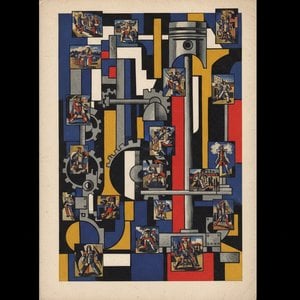
The archery. Ten Plates
再現技法
複製画サイズ一覧
-


合計金額
$ 263
A Moment of Serene Geometry: Georges Braque’s “The Archery”
Georges Braque's "The Archery," a deceptively simple composition of two white doves against a pale blush background, is more than just a minimalist study in form and color. It’s a distilled essence of early 20th-century artistic exploration – a poignant reflection on the burgeoning movement towards abstraction and a testament to Braque's pivotal role in shaping modern art. Born in Argenteuil, France, in 1882, Braque’s upbringing within a family deeply rooted in craftsmanship—his father was a house painter—provided him with an invaluable understanding of materials and structure, a foundation he would later brilliantly dismantle and reconstruct through his revolutionary artistic vision.
The work immediately draws the eye to its stark geometry. The doves themselves are rendered as elongated ovals, their wings simplified into clean, precise lines that suggest flight without resorting to traditional representation. This deliberate reduction of detail is characteristic of Braque’s early explorations alongside Pablo Picasso, a period often referred to as Cubism's proto-stage. The background, a subtle wash of pink, acts not as a backdrop but as an active participant in the composition, its muted tones enhancing the purity and stillness of the doves. The absence of perspective—a conscious decision to flatten the image—further emphasizes this sense of timelessness and removes any grounding in a specific spatial reality.
Decoding the Language of Form
The technique employed in “The Archery” speaks volumes about Braque’s artistic process. While the work possesses a graphic quality reminiscent of printmaking, particularly lithography or screen printing, its execution suggests a hand-applied approach – subtle variations in surface texture hint at the artist's direct engagement with the materials. The clean lines and consistent color application are hallmarks of these techniques, but Braque’s deliberate choice to avoid excessive detail reveals his desire to move beyond mere replication and towards an exploration of pure form and its inherent relationships.
It’s crucial to understand this work within the context of Braque's early collaborations with Picasso. During this period, both artists were actively experimenting with breaking down traditional pictorial space and representing objects from multiple viewpoints simultaneously. “The Archery” can be seen as a quieter, more contemplative extension of these investigations – a distillation of the core principles without the overt fragmentation often associated with Cubism’s most radical phases. The focus shifts to the underlying structure and the evocative power of simplified shapes.
Symbolic Flight: Doves and the Pursuit of Peace
The choice of doves as the central subject is deeply symbolic, resonating with universal associations of peace, freedom, and hope. Doves have long been emblems of tranquility and divine grace, appearing throughout art history as symbols of reconciliation and spiritual aspiration. In “The Archery,” these birds are not depicted in flight, actively pursuing a destination; instead, they hover suspended in a state of serene contemplation – an invitation to pause and reflect on the values they represent.
Braque’s deliberate restraint in depicting their movement contributes to the overall feeling of stillness. The doves aren't striving or struggling; they simply *are*, embodying a quiet dignity and suggesting a world beyond conflict and earthly concerns. This subtle layering of symbolism elevates the work from a purely geometric exercise to a meditation on enduring human ideals.
A Timeless Composition for Modern Spaces
“The Archery” is a remarkably versatile piece, lending itself beautifully to a wide range of interior design contexts. Its minimalist aesthetic and calming palette make it ideal for contemporary spaces seeking a touch of understated elegance. The work’s inherent simplicity also ensures that it complements diverse décor styles – from Scandinavian minimalism to mid-century modern interiors. A hand-painted reproduction captures the subtle nuances of Braque's technique, faithfully recreating the delicate balance between form and color that defines this iconic artwork. Investing in a high-quality reproduction allows you to bring this moment of serene geometry into your home, celebrating the enduring legacy of one of art’s most influential figures.
関連作品


アーティストについて
Georges Braque (1882-1963): キュビズムのパイオニアとファウヴィスムの巨匠
Georges Braqueはフランスで生まれ、1882年にアルジェンテイルで誕生しました。彼の幼少期は画家や職工の家族の中で育ち、素材に対する技術的な熟練さと形状への初期的な認識を培いました。父親の職業に従うことよりも、彼は芸術的な欲求がすぐに現れ、レハーヴ美術学院で美術教育を受けることで、20世紀における最も影響力のある画家の一人になるための旅立ちを果たしました。これは実践的な職人の技術とアカデミックな学習の融合であり、後に伝統的な芸術形式を破壊し書き換えながら、彼がより後の世代に影響を与えることを可能にする基礎となりました。 パリへ移住した1902年には、美術都市で美術教育を受け続けました。彼はマリー・ローランシンやフランシス・ピカビアなど、彼の初期の開発を形作ったつながりを築いたアーティストたちと出会いました。彼の最初の作品は印象主義とポスト印象主義の影響を受けていましたが、1905年にファウヴィズムの鮮やかな色彩と表現的な自由に遭遇したことで、彼の芸術的探求は新たな方向へ進みました。彼はファウヴィストの原則を採用し、鮮やかなパレットと簡素化された形態を特徴とする絵画でその影響を示しています。例えば、『エスタークの家』です。この時期には、ヘンリー・マティスやアン ドレ・ドランなどとともに働き、鮮やかな色彩と簡素化された形態を試みました。しかし、彼はファウヴィズムの熱狂的なエネルギーをより抑制的で分析的なアプローチで和らげながら、この動きの独自性を反映しました。ファウヴィズムへの傾倒とキュビズムの誕生
彼の芸術的探求は印象主義とポスト印象主義の影響を受けましたが、彼は特に絵画『パチエンス』においてファウヴィストの原則を採用し、鮮やかな色彩と表現的な自由を特徴とする絵画でその影響を示しています。この時期にはヘンリー・マティスやアン ドレ・ドランなどとともに働き、鮮やかな色彩と簡素化された形態を試みました。彼はファウヴィズムの熱狂的なエネルギーをより抑制的で分析的なアプローチで和らげながら、この動きの独自性を反映しました。彼の初期の作品は印象主義とポスト印象主義の影響を受けていましたが、彼は特に絵画『パチエンス』においてファウヴィストの原則を採用し、鮮やかな色彩と表現的な自由を特徴とする絵画でその影響を示しています。この時期にはヘンリー・マティスやアン ドレ・ドランなどとともに働き、鮮やかな色彩と簡素化された形態を試みました。彼はファウヴィズムの熱狂的なエネルギーをより抑制的で分析的なアプローチで和らげながら、この動きの独自性を反映しました。彼はファウヴィストの原則を採用し、鮮やかなパレットと簡素化された形態を特徴とする絵画でその影響を示しています。この時期にはヘンリー・マティスやアン ドレ・ドランなどとともに働き、鮮やかな色彩と簡素化された形態を試みました。彼はファウヴィズムの熱狂的なエネルギーをより抑制的で分析的なアプローチで和らげながら、この動きの独自性を反映しました。彼はファウヴィストの原則を採用し、鮮やかなパレットと簡素化された形態を特徴とする絵画でその影響を示しています。この時期にはヘンリー・マティスやアン ドレ・ドランなどとともに働き、鮮やかな色彩と簡素化された形態を試みました。彼はファウヴィズムの熱狂的なエネルギーをより抑制的で分析的なアプローチで和らげながら、この動きの独自性を反映しました。彼はファウヴィストの原則を採用し、鮮やかなパレットと簡素化された形態を特徴とする絵画でその影響を示しています。この時期にはヘンリー・マティスやアン ドレ・ドランなどとともに働き、鮮やかな色彩と簡素化された形態を試みました。彼はファウヴィズムの熱狂的なエネルギーをより抑制的で分析的なアプローチで和らげながら、この動きの独自性を反映しました。彼はファウヴィストの原則を採用し、鮮やかなパレットと簡素化された形態を特徴とする絵画でその影響を示しています。この時期にはヘンリー・マティスやアン ドレ・ドランなどとともに働き、鮮やかな色彩と簡素化された形態を試みました。彼はファウヴィズムの熱狂的なエネルギーをより抑制的で分析的なアプローチで和らげながら、この動きの独自性を反映しました。彼はファウヴィストの原則を採用し、鮮やかなパレットと簡素化された形態を特徴とする絵画でその影響を示しています。この時期にはヘンリー・マティスやアン ドレ・ドランなどとともに働き、鮮やかな色彩と簡素化された形態を試みました。彼はファウヴィズムの熱狂的なエネルギーをより抑制的で分析的なアプローチで和らげながら、この動きの独自性を反映しました。彼はファウヴィストの原則を採用し、鮮やかなパレットと簡素化された形態を特徴とする絵画でその影響を示しています。彼はファウヴィストの原則を採用し、鮮やかなパレットと簡素化された形態を特徴とする絵画でその影響を示しています。彼はファウヴィストの原則を採用し、鮮やかなパレットと簡素化された形態を特徴とする絵画でその影響を示しています。彼はファウヴィストの原則を採用し、鮮やかなパレットと簡素化された形態を特徴とする絵画でその影響を示しています。彼はファウヴィストの原則を採用し、鮮やかなパレットと簡素化された形態を特徴とする絵画でその影響を示しています。彼はファウヴィストの原則を採用し、鮮やかなパレットと簡素化された形態を特徴とする絵画でその影響を示しています。彼はファウヴィストの原則を採用し、鮮やかなパレットと簡素化された形態を特徴とする絵画でその影響を示しています。彼はファウヴィストの原則を採用し、鮮やかなパレットと簡素化された形態を特徴とする絵画でその影響を示しています。彼はファウヴィストの原則を採用し、鮮やかなパレットと簡素化された形態を特徴とする絵画でその影響を示しています。彼はファウヴィストの原則を採用し、鮮やかなパレットと簡素化された形態を特徴とする絵画でその影響を示しています。彼はファウヴィストの原則を採用し、鮮やかなパレットと簡素化された形態を特徴とする絵画でその影響を示しています。彼はファウヴィストの原則を採用し、鮮やかなパレットと簡素化された形態を特徴とする絵画でその影響を示しています。彼はファウヴィストの原則を採用し、鮮やかなパレットと簡素化された形態を特徴とする絵画でその影響を示しています。彼はファウヴィストの原則を採用し、鮮やかなパレットと簡素化された形態を特徴とする絵画でその影響を示しています。彼はファウヴィストの原則を採用し、鮮やかなパレットと簡素化された形態を特徴とする絵画でその影響を示しています。彼はファウヴィストの原則を採用し、鮮やかなパレットと簡素化された形態を特徴とする絵画でその影響を示しています。彼はファウヴィストの原則を採用し、鮮やかなパレットと簡素化された形態を特徴とする絵画でその影響を示しています。彼はファウヴィストの原則を採用し、鮮やかなパレットと簡素化された形態を特徴とする絵画でその影響を示しています。彼はファウヴィストの原則を採用し、鮮やかなパレットと簡素化された形態を特徴とする絵画でその影響を示しています。彼はファウヴィストの原則を採用し、鮮やかなパレットと簡素化された形態を特徴とする絵画でその影響を示しています。彼はファウヴィストの原則を採用し、鮮やかなパレットと簡素化された形態を特徴とする絵画でその影響を示しています。彼はファウヴィストの原則を採用し、鮮やかなパレットと簡素化された形態を特徴とする絵画でその影響を示しています。彼はファウヴィストの原則を採用し、鮮やかなパレットと簡素化された形態を特徴とする絵画でその影響を示しています。彼はファウヴィストの原則を採用し、鮮やかなパレットと簡素化された形態を特徴とする絵画でその影響を示しています。彼はファウヴィストの原則を採用し、鮮やかなパレットと簡素化された形態を特徴とする絵画でその影響を示しています。彼はファウヴィストの原則を採用し、鮮やかなパレットと簡素化された形態を特徴とする絵画でその影響を示しています。彼はファウヴィストの原則を採用し、鮮やかなパレットと簡素化された形態を特徴とする絵画でその影響を示しています。彼はファウヴィストの原則を採用し、鮮やかなパレットと簡素化された形態を特徴とする絵画でその影響を示
ジョルジュ・ブラクエ
1882 - 1963 , フランス
アーティスト情報
- Artistic Movement Or Style: キュビズム、ファウヴィスム
- Artists Or Movements Influenced By This Artist: ['パブロ・ピカソ']
- Artists Who Influenced This Artist:
- ピエール・マティス
- アンリ・ドラン
- パウル・セザンヌ
- Date Of Birth: 1882年5月13日
- Date Of Death: 1963年
- Full Name: Georges Braque
- Nationality: フランス人
- Notable Artworks:
- エルスタックの家
- 忍耐
- Place Of Birth: フランス アルジェンテュイユ
関連記事

幾何学的抽象絵画を定義した傑作10選|アート、アーティスト、インテリア装飾
モンドリアン、マレーヴィチ…幾何学的抽象絵画を代表する傑作10選。各作品の背景や色彩構成、アーティストの情熱に迫ります。美術館品質の複製画はArtsDot.comで。オンラインでアートコレクションをご覧ください。

Beyond Form & Color: Geometric Abstraction's Enduring Legacy in Art History
Explore the captivating world of geometric abstraction! Discover its origins, key artists like Malevich & Mondrian, and why this movement remains highly valued by art collectors today. Expert insights at ArtsDot.

ジョルジュ・ブラック傑作25選:革新的なキュビスムの世界と装飾への誘い
ジョルジュ・ブラックの傑作25選。キュビスムを代表する画家、その革新的な色彩と技法に迫ります。名画から知られざる逸品まで、美術史に残る作品群をArtsDot.comで鑑賞。お部屋を彩るアートプリントも多数ご用意。今すぐオンラインでコレクションをご覧ください。
フェルナン・レジェ傑作25選:機械美と色彩の革新 | ArtsDot
フェルナン・レジェの傑作25選。機械美と色彩が織りなすキュビズムの世界を紐解きます。ArtsDotで、フランス絵画の巨匠レジェの作品を高精細プリントで。インテリアアートやギフトにも最適です。全コレクションはこちら: ArtsDot.com

ジョルジュ・スーラ傑作25選:光と色彩の科学が織りなす芸術の世界|ArtsDot
ジョルジュ・スーラの傑作25選。点描画の光と色彩、印象派から新印象派へ—ArtsDotで美術史を紐解き、リビングやダイニングを彩る高品質なアートプリントを見つけましょう。セーラ作品集をオンラインで鑑賞ください。


