プレビュー
プレビュー
 シェアする
シェアする シェアする
シェアする
 詳細を見る
詳細を見る

 ダウンロード
 似ている作品
 X線調査
X線調査 スライドショー
Attack

 詳細を見る
詳細を見る
ジークレー/アートプリント
迅速な制作と多彩な仕上げオプションを備えた、ミュージアムクオリティのジークレーまたはキャンバスプリント。 ( 手描きの絵画を購入 画像を購入)




































作品のオリジナル比率に合わせた、当店の規定サイズからお選びください。

特定のフレームやスペースに合わせて、ご自身でサイズを指定することも可能です。選択されたサイズが元の画像の比率と一致しない場合、作品をトリミングするか、鏡面反射または単色での塗りつぶしによって画像を拡張いたします。制作を開始する前に、ご確認用のデジタルモックアップをお送りいたします。
画面上のプレビューには、実際のトリミングや拡張は反映されませんのでご注意ください。最終的な構図を正確に確認できるのは、モックアップのみとなります。
カスタムサイズも承っておりますが、元の比率を維持するためには、あらかじめ用意されたリストからサイズを選択することをお勧めいたします。


 ガラスオプションは、110cm未満のサイズでのみご利用いただけます。

Attack
ジークレー/アートプリント
複製画のサイズ
-


合計金額
$ 62
作品詳細説明
Attack by George Grosz: A Monochromatic Vision of Urban Conflict
George Grosz's "Attack" is a striking charcoal drawing that plunges the viewer into a chaotic and unsettling nighttime scene within an urban environment. Created during the tumultuous period of the Weimar Republic, this artwork exemplifies the New Objectivity movement’s unflinching portrayal of societal decay and moral corruption in post-World War I Germany.
Subject Matter and Composition
The drawing depicts a dramatic struggle unfolding on a street below a building with a prominent balcony. The composition is dynamic, guiding the eye from the architectural structure to the figures engaged in conflict and culminating in a dog fleeing the scene. This sequence creates a narrative of escalating tension and potential violence. The elevated perspective offers a detached yet intimate view of the events, allowing for observation of the broader context while focusing on the immediate drama.
Style and Technique
Grosz employs a monochromatic palette of charcoal on paper, utilizing hatching and cross-hatching techniques to build tonal values and create texture. The lines are predominantly thick and gestural, contributing to a sense of urgency and raw emotion. While rooted in realism, the artwork transcends mere representation through expressive shading and distorted perspectives. Geometric shapes – the building blocks of the architecture, the figures involved in the struggle, and the street itself – are softened by the charcoal’s atmospheric quality. The dramatic lighting, with stark contrasts between light and shadow, emphasizes key elements and amplifies the overall sense of unease.
Historical Context and Symbolism
"Attack" is deeply embedded within the historical context of the Weimar Republic (1919-1933), a period marked by political instability, economic hardship, and social fragmentation. Grosz's work often served as a scathing critique of German society, exposing its hypocrisy and moral bankruptcy. The fleeing dog can be interpreted as a symbol of fear or escape, reflecting the anxieties prevalent during this era. The moonlit sky adds a layer of symbolic depth, potentially representing an ominous presence or a sense of foreboding. Grosz's affiliation with Dadaism and New Objectivity further underscores his commitment to challenging conventional artistic norms and confronting uncomfortable truths.
Emotional Impact and Artistic Legacy
The emotional impact of "Attack" is palpable – the artwork evokes feelings of tension, vulnerability, and impending danger. The chaotic composition and stark monochromatic palette contribute to a sense of unease and disorientation. Grosz's masterful use of charcoal creates a visceral experience for the viewer, drawing them into the heart of the depicted conflict. As a seminal work within the New Objectivity movement, "Attack" remains a powerful testament to Grosz’s artistic vision and his unflinching portrayal of societal ills.
関連作品


アーティストの略歴
崩壊する世界を告発した表現者:ジョージ・グロスの生涯と芸術
1893年、ベルリンにゲオルク・エーレンフリードリヒ・グロスとして生まれたジョージ・グロスは、社会の衰退と政治的激動を視覚的に記録した人物でした。彼の芸術は、激動のヴァイマル共和制やファシズムの台頭という時代背景にあるだけでなく、それに対する生々しい反応であり、鋭い線とグロテスクな風刺画で描かれた激しい告発でした。グロスは単にベルリンを描いたのではなく、その道徳的腐敗を容赦ない正直さで暴き出し、解剖しました。彼の人生の初期は、父親の死によって不安定さがもたらされ、母親が将校クラブの経営を引き継ぎ、若いゲオルクはプロイセン軍国主義と厳格な社会階層の世界に置かれることになりました。彼は後に執拗に風刺することになる世界です。彼の正式な芸術的訓練は、エドゥアルト・フォン・グリュッツナーのような伝統的なオランダの巨匠の模写から始まり、学術的な慣習を放棄する前に技術力を磨きました。しかし、この初期の鍛錬は、彼独自の表現様式が構築される基盤となりました。ダダイズム、新即物主義、そして批判的視点の誕生
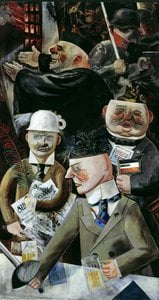
グロスの芸術的発展は、第一次世界大戦後のドイツで花開いたアヴァンギャルド運動と不可分に結びついていました。彼はベルリン・ダダイの中心人物となり、そのニヒリズムの精神と反体制的な熱狂を受け入れました。しかし、純粋な不条理に耽溺した同時代のダダイストとは異なり、グロスはダダイの反逆的なエネルギーを鋭い社会批判へと転換しました。この時期の彼の作品—1921年の『穴』や1926年の『社会の柱』のような作品—は、ドイツブルジョワジー、軍事エリート、そして国を破滅に導いた腐敗した政治システムに対する痛烈な告発でした。彼は美的美には関心がなく、衝撃を与え、挑発し、偽善を暴露しようとしました。この社会批判へのコミットメントは、現実主義的な描写でありながらも感情を排した同時代の生活を描いた『新即物主義』への参加へと発展しました。New Objectivityの焦点に焦点を当てながらも、グロスは他のグループに関連する芸術家とは一線を画す独特の辛辣な風刺を注入しました。彼の絵画やドローイングは単なる現実の表現ではなく、崩壊寸前の社会の歪んだ反映でした。亡命と変容:新世界、そして変化する様式
ナチズムの台頭により、グロスは1933年に亡命を余儀なくされました。彼はアメリカ合衆国に避難し、1938年に市民権を取得しました。この移住は、彼の芸術的キャリアにおける重要な転換点となりました。彼が最も強力な作品を生み出した直接的な文脈から離れ、異なる社会政治的現実と対峙したグロスの様式は変化を始めました。露骨に攻撃的な風刺画はより控えめな風景や肖像画に取って代わられ、しばしばメランコリーと幻滅の色合いを帯びていました。彼はニューヨークのArt Students Leagueで展示会を開き教鞭を取りましたが、彼の作品にはベルリン時代のような生々しい緊迫感は欠けていました。彼は新しい環境の中で自分の居場所を見つけようと苦闘し、疎外感や芸術的不確実性に苛まれました。この時期に現れた黙示録的なビジョン—荒涼とした風景や断片化された人物を描いた絵画—は、ヨーロッパで繰り広げられている恐怖だけでなく、彼自身の内面の葛藤も反映していました。遺産と永続する意義
ジョージ・グロスは1959年にベルリンに戻り、その直後に亡くなりました。それは彼を鼓舞し、悩ませてきた街への痛切な帰還でした。彼の遺産はヴァイマル共和制の歴史的背景を超えて広がっています。彼は不都合な真実と社会規範に挑戦することを恐れなかった芸術家の強力な例であり続けています。彼の作品は、政治的な過激主義、社会的不公正、そして抑制されていない権力の危険性についての警告物語として機能します。- 風刺の力: グロスの巧みな風刺画の使用は、今日でもアーティストや評論家たちにインスピレーションを与え続けています。
- 社会批判: 彼の社会の不正に対する容赦ない批判は、不平等、腐敗、そして政治的分極化と闘い続ける世界において、驚くほど関連性があります。
- 歴史的証言: 彼の芸術は、第一次世界大戦後のドイツの社会的・政治的状況に関する貴重な洞察を提供し、第二次世界大戦につながった力を生々しく理解することを可能にします。

ジョージ・グロス
1893 - 1959 , ドイツ
基本情報
- Artistic Movement Or Style: ダダイズム、新即物主義
- Date Of Birth: 1893年7月26日
- Date Of Death: 1959年7月6日
- Full Name: ジョージ・グロス
- Nationality: ドイツ人
- Notable Artworks (List Of Titles): ['「坑」、 「社会の柱」']
- Place Of Birth (City And Country): ドイツ、ベルリン
関連記事

ジョルジュ・ブラック傑作25選:革新的なキュビスムの世界と装飾への誘い
ジョルジュ・ブラックの傑作25選。キュビスムを代表する画家、その革新的な色彩と技法に迫ります。名画から知られざる逸品まで、美術史に残る作品群をArtsDot.comで鑑賞。お部屋を彩るアートプリントも多数ご用意。今すぐオンラインでコレクションをご覧ください。

ジョルジュ・スーラ傑作25選:光と色彩の科学が織りなす芸術の世界|ArtsDot
ジョルジュ・スーラの傑作25選。点描画の光と色彩、印象派から新印象派へ—ArtsDotで美術史を紐解き、リビングやダイニングを彩る高品質なアートプリントを見つけましょう。セーラ作品集をオンラインで鑑賞ください。

Concrete Visions: Exploring Representations of Urban Life in Modern & Contemporary Art
Explore the evolution of cityscape painting from Realism to contemporary art. Discover key artists & invest in timeless urban visions with ArtsDot's expert guidance and museum-quality reproductions.

Concrete Visions: Exploring the Urban Landscape in Painting – From Realism to Contemporary Art
Explore the evolution of cityscape painting from Realism to contemporary art with ArtsDot. Discover key artists & invest in timeless urban visions. Expert guidance, museum-quality reproductions.

The Nuances of Graphite: Exploring Emotional Depth & Technical Mastery in Pencil Drawing
Explore the captivating world of graphite drawing! Discover its rich history, master essential techniques like chiaroscuro, and learn how artists evoke emotion through this timeless medium. Expert insights for art enthusiasts.