

 プレビュー
プレビュー
 プリントを購入
 シェアする
シェアする シェアする
シェアする
 詳細を見る
詳細を見る

 ダウンロード
 似ている作品
 X線調査
X線調査 スライドショー
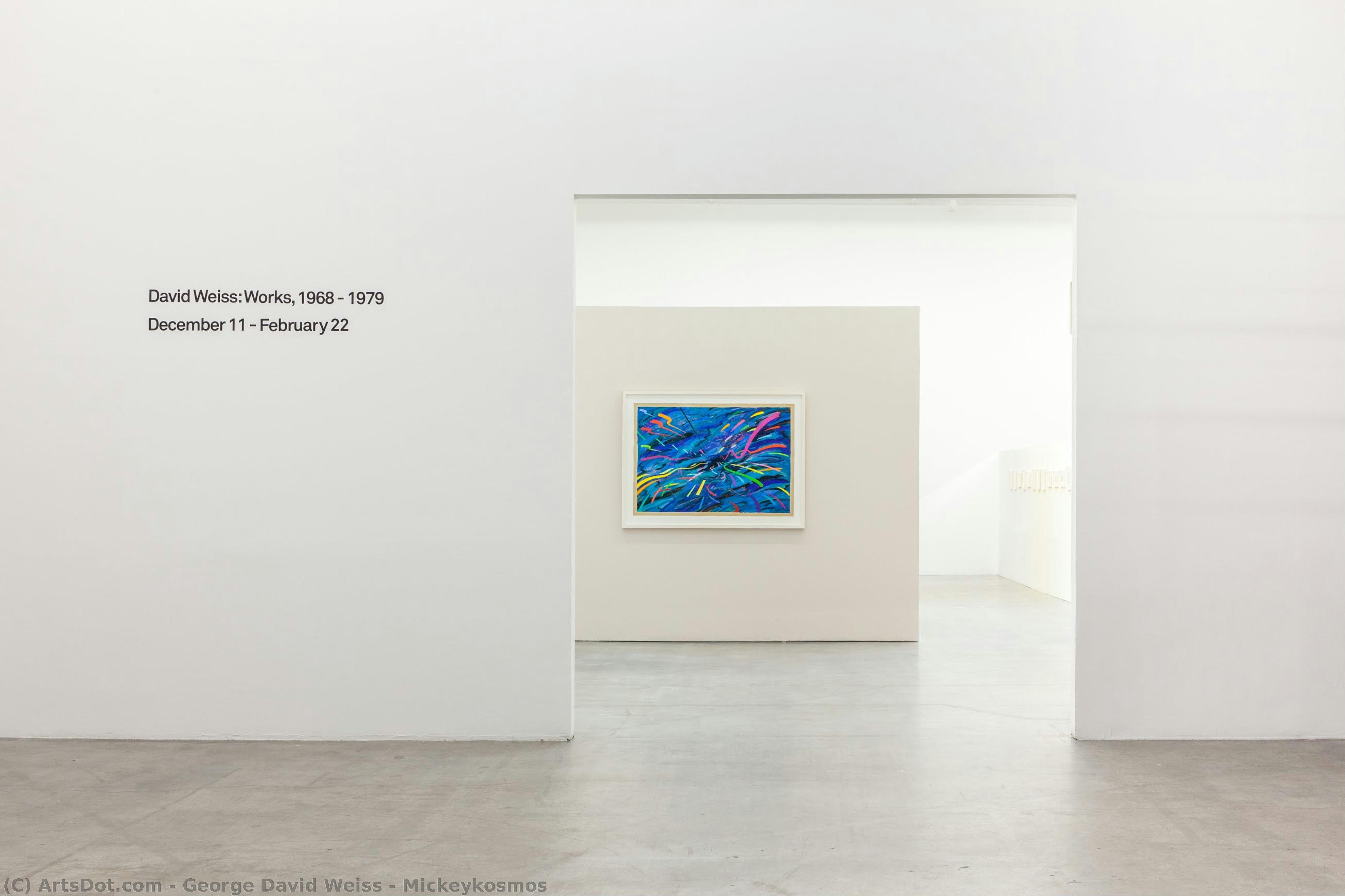
Mickeykosmos


 詳細を見る
詳細を見る




































作品のオリジナル比率に合わせた、当店の規定サイズからお選びください。

特定のフレームやスペースに合わせて、ご希望のサイズをご入力いただけます。選択されたサイズが元の画像の比率と異なる場合、アートワークをトリミングするか、手描きで要素を追加して絵画を拡張いたします。デジタルモックアップ を制作し、制作開始前にご確認(承認)をいただきます。
画面上のプレビューは、実際のトリミングや拡張を正確に反映しているものではありません。最終的な構図は、モックアップによってのみ正確にご確認いただけます。
カスタムサイズもご利用いただけますが、元の比率を維持するためには、あらかじめ用意されたリストからサイズを選択することをお勧めいたします。
ご注文後、ArtsDot.com チームより詳細な指示をお送りするとともに、仕上がりイメージ(モックアップ)をご提供いたします。


 ガラスオプションは、110cm未満のサイズでのみご利用いただけます。

Mickeykosmos
複製技法
複製画のサイズ
-


合計金額
$ 263
作品解説
Mickeykosmos by George David Weiss: A Vibrant Exploration of Color and Form
- Artist: George David Weiss (1921-2010)
- Origin: United States of America
- Medium: Likely Acrylic on Canvas or Panel (based on style)
A Symphony of Color and Abstract Form
“Mickeykosmos” is a captivating work by George David Weiss, showcasing his talent for abstract expressionism. The painting explodes with vibrant hues – blues, greens, yellows, and reds – interwoven in dynamic shapes and forms. There's no discernible representational imagery; instead, the artwork invites viewers to immerse themselves in a purely visual experience of color and composition. The title itself suggests a playful juxtaposition—"Mickey" hinting at familiarity and pop culture, while "kosmos" evokes vastness and the universe.
Style and Technique: Echoes of Color Field Painting
Weiss’s style in “Mickeykosmos” aligns with abstract expressionism and color field painting. This movement, prominent in the mid-20th century, emphasized spontaneous gesture, bold colors, and large fields of paint to evoke emotion rather than depict reality. The photograph suggests a layered application of paint, potentially creating texture and depth within the composition. While the exact technique remains unconfirmed from the image alone, it’s likely Weiss employed acrylic paints or similar media to achieve the vibrancy and layering visible in the artwork.
Historical Context and the Artist's Life
George David Weiss (1921-2010) was a multifaceted artist—a celebrated songwriter, arranger, and president of the Songwriters Guild of America. While primarily known for his contributions to popular music, including iconic songs like "Can’t Help Falling in Love" and “What A Wonderful World,” this painting reveals another facet of his artistic expression. Weiss's background in music theory from Juilliard undoubtedly informed his approach to visual composition, evident in the harmonious interplay of colors within "Mickeykosmos." His induction into the Songwriters Hall of Fame underscores his significant impact on American culture, and “Mickeykosmos” offers a glimpse into his less-known but equally compelling artistic endeavors.
Emotional Impact and Symbolic Resonance
“Mickeykosmos” evokes a sense of energy and dynamism. The vibrant colors create an uplifting and joyful atmosphere, while the abstract forms stimulate the imagination. The painting’s presentation within a minimalist gallery setting—characterized by clean white walls and polished concrete floors—further enhances its impact. This stark contrast allows the viewer to fully appreciate the artwork's vibrancy without distraction. The work encourages contemplation and invites individual interpretation, making it a compelling addition to any art collection or interior space.
関連作品




アーティストの略歴
The Melodic Architect of New York
In the vibrant, rhythmic heart of twentieth-century New York, a young man named George David Weiss stood at a crossroads between the structured worlds of law and accounting and the boundless, improvisational spirit of music. Though his early path seemed destined for the ledger, the siren call of melody proved irresistible, leading him to the prestigious halls of the Juilliard School of Music. It was here that he honed the technical precision that would later define his career, transforming a raw passion into a sophisticated mastery of arrangement and composition. Before he became a household name in songwriting, Weiss carved his niche within the brassy, swinging landscapes of the big band era, lending his arranging prowess to legends such as Stan Kenton, Vincent Lopez, and Johnny Richards.
A Symphony of Standards and Shadows
As the decades progressed through the 1940s, 50s, and 60s, Weiss emerged as a prolific force in popular music, often working alongside his frequent collaborator, Bennie Benjamin. His ability to weave emotion into lyrics and melody allowed him to craft songs that transcended their era, becoming permanent fixtures in the jazz and pop canon. Under the clever pseudonym B. Y. Forster, he penned the timeless Lullaby of Birdland, a piece that remains an essential standard for vocalists like Ella Fitzgerald. His work was not merely about catchy tunes; it was about capturing the zeitgeist of an era through sophisticated harmonic structures and evocative storytelling.
Legacy of the American Songbook
The stage of Broadway provided another canvas for Weiss’s creative brilliance, where he contributed to musicals such as Mr. Wonderful and Maggie Flynn, blending character development with unforgettable musical motifs. His influence extended into the cinematic realm through various film scores, ensuring his melodies reached global audiences. This immense contribution to the American songbook was formally recognized when he was inducted into the Songwriters Hall of Fame, a testament to a lifetime of melodic excellence. His enduring impact is best understood through his most significant milestones:
- His leadership as President of the Songwriters Guild of America.
- The creation of timeless hits like "Can't Help Falling in Love".
- His mastery of both jazz standards and Broadway scores.

george david weiss
1921 - 2010 , United States of America
基本情報
- Artistic Movement Or Style: Songwriter and Arranger
- Date Of Birth: April 9, 1921
- Date Of Death: August 23, 2010
- Full Name: George David Weiss
- Nationality: American
- Notable Artworks:
- Can't Help Falling in Love
- Lullaby of Birdland
- Place Of Birth: New York City, USA
関連記事

Minimalist Masterpieces: 10 Artworks for Serene Home Decor | ArtsDot
Find serenity with 10 minimalist masterpieces! Explore Agnes Martin, Rothko & more. Discover the stories behind iconic abstract art, neutral palettes & calming designs. Museum-quality reproductions at ArtsDot.com – elevate your home decor today!

Chromatic Atmospheres: Exploring the Evolution & Impact of Color Field Painting
Explore the captivating world of Color Field painting! Discover its origins, key artists like Rothko & Newman, philosophical depth, and lasting influence on modern art. Expert insights for collectors.

Gene Davis: Chromatic Explorations of Color Field Painting & the Washington Color School
Explore the vibrant world of Gene Davis and the Washington Color School. Discover his iconic stripe paintings, innovative techniques, and lasting impact on American abstract art. A deep dive for collectors & enthusiasts.

Chromatic Resonance: Exploring the Emotional Impact of Vibrant Color Palettes in Painting
Explore the fascinating relationship between color & emotion in art history. Discover how master artists like Matisse & Gauguin used vibrant hues to evoke feelings and cultural meanings. A deep dive for classic art enthusiasts.

Morris Louis: Pioneering Color Field Painting & Abstract Expressionism's Legacy
Explore the groundbreaking abstract expressionism of Morris Louis, a pioneer of Color Field painting. Discover his innovative techniques, influential series & lasting legacy in post-war American art. Learn more at ArtsDot.

