

 プレビュー
プレビュー
 シェアする
シェアする シェアする
シェアする
 詳細を見る
詳細を見る

 ダウンロード
 似ている作品
 X線調査
X線調査 スライドショー
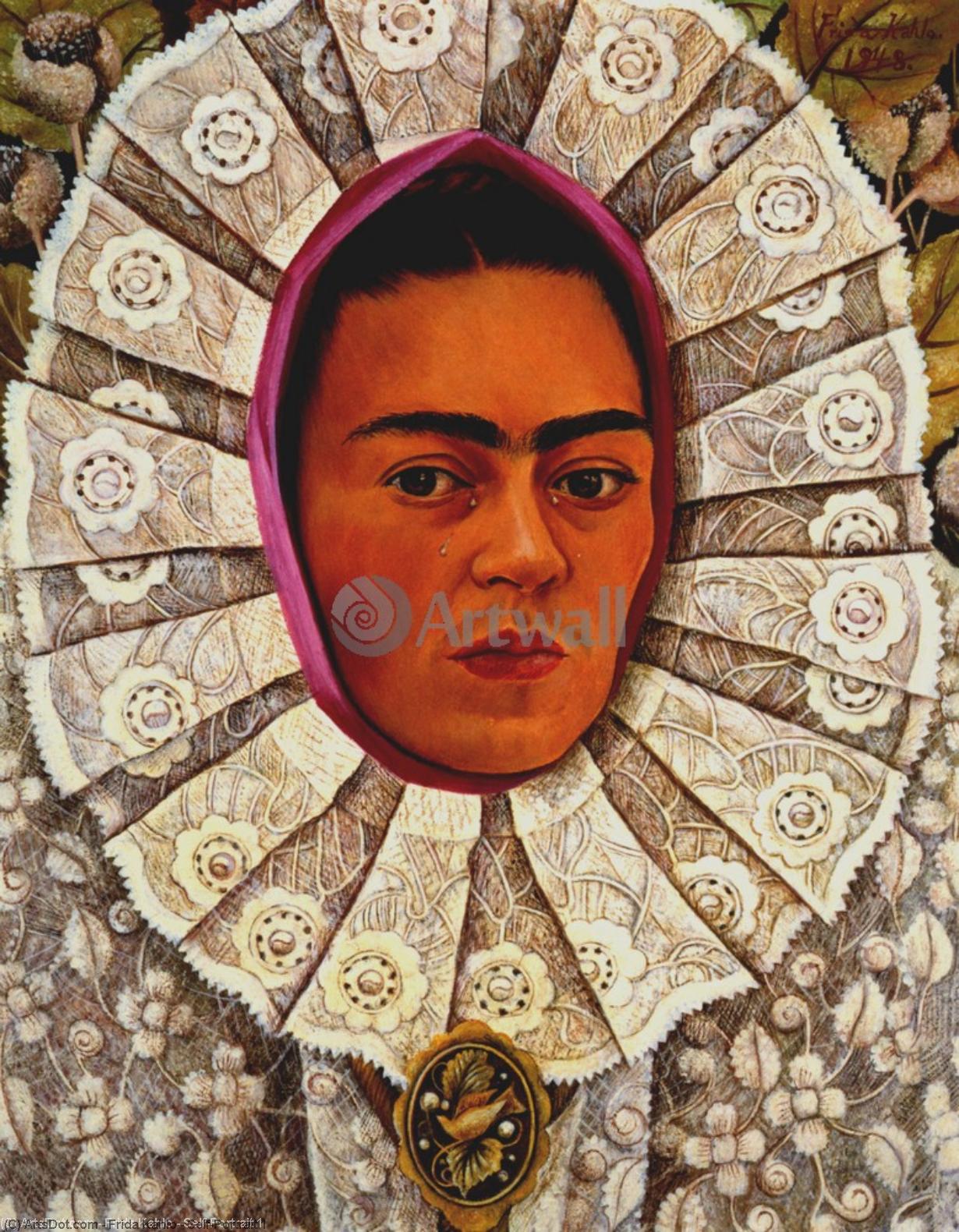
Self-Portrait 1

 詳細を見る
詳細を見る
手描き油彩複製画
当社のアーティストが、お客様のご希望のサイズと額縁に合わせて、キャンバスに手描きで制作する油彩画です。 ( プリント版に切り替え 画像に切り替え)




P118B $10

P118H $10

P118W $10

P438Z $10

P508JH $12

P508YH $12

P805H $10

P805Z $10

P919BZ $10

P919G $10

P919XJ $10

P959ZH $10

P968JZ $12

W106C $8

W218G $10

W218JH $8

W218Y $10

W307PJ $10

W316G $10

W316PJ $8

W316Y $10

W398PJ $8

W4111J $10

W500HY $15

W500JH $15

W692G $12

W849H $8

W940BG $15

W953PJ $8




作品のオリジナル比率に合わせた、当店の規定サイズからお選びください。

特定のフレームやスペースに合わせて、ご希望のサイズをご入力いただけます。選択されたサイズが元の画像の比率と異なる場合、アートワークをトリミングするか、手描きで要素を追加して絵画を拡張いたします。デジタルモックアップ を制作し、制作開始前にご確認(承認)をいただきます。
画面上のプレビューは、実際のトリミングや拡張を正確に反映しているものではありません。最終的な構図は、モックアップによってのみ正確にご確認いただけます。
カスタムサイズもご利用いただけますが、元の比率を維持するためには、あらかじめ用意されたリストからサイズを選択することをお勧めいたします。
ご注文後、ArtsDot.com チームより詳細な指示をお送りするとともに、仕上がりイメージ(モックアップ)をご提供いたします。


 ガラスオプションは、110cm未満のサイズでのみご利用いただけます。

Self-Portrait 1
複製技法
複製画のサイズ
-


合計金額
$ 263
作品解説
Frida Kahlo’s “Self-Portrait with Cropped Hair”: A Study in Resilience and Identity
The painting "Self-Portrait with Cropped Hair," created by Frida Kahlo in 1940, stands as a poignant testament to the artist's unwavering spirit amidst profound personal hardship. More than just a depiction of her physical appearance—albeit strikingly altered—it embodies a deeper exploration of identity and liberation through symbolic gesture. Kahlo’s meticulous attention to detail reveals not merely an aesthetic concern but a deliberate act of reclaiming control over her body image, a response born from the trauma of polio and compounded by the devastating bus accident that irrevocably reshaped her life.Style and Technique: Surrealist Influences
Kahlo's artistic style aligns closely with Surrealism, championed by André Breton and fellow artists who sought to liberate creativity from rational constraints. However, Kahlo’s Surrealism isn’t characterized by dreamlike fantasy but rather by a grounded realism infused with symbolic representation. She employs oil paint on canvas—a technique favored for its ability to capture nuanced textures and tonal variations—resulting in an image that possesses both visual precision and emotional depth. The stark contrast between light and shadow emphasizes the contours of Kahlo’s face, creating a dramatic effect that draws the viewer's gaze inward. Notably, Kahlo utilizes a limited palette dominated by earthy tones—browns, ochres, and reds—reflecting her connection to Mexican soil and tradition while simultaneously conveying feelings of melancholy and introspection.Historical Context: Navigating Trauma and Transformation
Painted during a period marked by significant personal upheaval, “Self-Portrait with Cropped Hair” reflects Kahlo’s ongoing struggle to reconcile her physical limitations with her desire for autonomy. Following the bus accident in 1925—which resulted in severe spinal injuries—Kahlo underwent numerous surgeries and endured chronic pain, profoundly impacting her daily life and artistic output. The cropped hair symbolizes a deliberate rejection of societal expectations surrounding femininity and beauty, representing a conscious decision to liberate herself from constraints imposed by patriarchal norms. Kahlo’s act embodies a broader movement toward female empowerment during the interwar years, challenging conventional notions of appearance and asserting self-determination.Symbolism: Hair Loss as Metaphor for Healing
The severed hair—a prominent feature of the portrait—serves as a powerful metaphor for healing and transformation. Traditionally associated with femininity, fertility, and vitality, hair represents wholeness and completeness. Its removal signifies a symbolic shedding of past traumas and insecurities, signifying an embrace of vulnerability and acceptance of imperfection. Kahlo’s gaze—direct and unwavering—communicates resilience and defiance, conveying her refusal to succumb to despair despite facing immense suffering. The inclusion of the orchid—a symbol of beauty, purity, and sensuality—further reinforces Kahlo's artistic exploration of themes related to femininity and desire.Emotional Impact: A Portrait of Inner Strength
Ultimately, “Self-Portrait with Cropped Hair” transcends mere visual representation; it communicates a profound emotional resonance that captivates viewers long after initial observation. The painting’s melancholic atmosphere—expressed through subtle tonal shifts and expressive brushstrokes—captures the artist's inner turmoil while simultaneously conveying her unwavering commitment to self-expression. Kahlo’s gaze embodies courage and determination, reminding us of the transformative power of art in confronting adversity and reclaiming agency over one's life narrative. It remains a timeless masterpiece, resonating with audiences today as a symbol of resilience, identity, and the enduring quest for liberation.関連作品


アーティストの略歴
激動の人生と魂を映す絵画:フリーダ・カーロ
フリーダ・カーロ。メキシコの美術史において、そして世界中の人々の心に深く刻まれたその名は、単なる画家という枠を超え、苦難を乗り越え、自己を表現し続けた一人の女性の象徴として輝いている。1907年、メキシコシティ郊外のコヨアカンで生まれたフリーダは、幼少期から病と事故に見舞われながらも、その経験を糧に独自の芸術世界を築き上げていった。父ウィルヘルム・カーロが撮影した写真や、母マティルデ・カルデロン・イ・ゴンサレスとの愛情深い関係は、彼女の人生における重要な支柱となった。しかし、6歳でのポリオ罹患、そして18歳という若さで経験した自動車事故は、その後の人生を大きく左右することとなる。事故による重傷は、彼女に生涯にわたる身体的な苦痛と医療行為をもたらしたが、同時に絵を描くことへの情熱を燃え上がらせたのだ。「私はしばしば孤独だから、自分自身を描く。」フリーダの言葉が示すように、自画像は彼女の作品の中心であり、その魂の奥底を見つめ、自己の内面を探求する手段となった。メキシコ文化と苦悩を織り交ぜた芸術
フリーダの絵画は、メキシコの伝統的な民俗文化から大きな影響を受けている。鮮やかな色彩、象徴的なモチーフ、そして力強い表現力は、彼女の作品を特徴づける要素だ。1929年に結婚したディエゴ・リベラとの激しい愛と別れ、数回の流産や手術といった個人的な苦悩もまた、彼女の芸術に深く反映されている。特に自画像においては、身体的な痛みや精神的な葛藤を率直かつ大胆に表現しており、その真摯な姿勢は見る者の心を強く揺さぶる。- 「棘のネックレスとハチドリ」では、肉体的苦痛を象徴する茨のネックレスが、希望を象徴するハチドリとの対比によって描かれ、複雑な感情が表現されている。
- 「断片化された柱」は、事故による脊椎損傷を直接的に表し、身体的な苦痛と精神的な強さを同時に伝えている。
ディエゴ・リベラとの愛と芸術的影響
フリーダとディエゴの関係は、メキシコ美術界における一大ロマンスとして知られている。二人は互いに才能を認め合い、刺激しあいながら、芸術家としての道を歩み続けた。1929年の結婚から、その後の数十年間にわたって、二人の関係は愛と憎しみ、信頼と裏切りが入り混じった複雑なものであった。ディエゴの浮気や政治的な活動への関与は、フリーダに大きな苦痛を与えたが、同時に彼女の芸術的成長を促す原動力にもなった。ディエゴは、フリーダの作品に対する批評眼を持ち、彼女の才能を積極的に後押しした。また、メキシコ革命後のナショナリズムの高まりの中で、ディエゴが推進するメキシコ文化への回帰も、フリーダの芸術に影響を与えたと考えられる。1930年代には、ディエゴと共にアメリカ合衆国を訪れ、そこで経験した異文化との出会いもまた、彼女の作品に新たな視点をもたらした。世界的な評価と現代への遺産
フリーダ・カーロは生前、メキシコ国内では一定の評価を受けていたものの、国際的にはそれほど知られていなかった。しかし、1970年代以降、フェミニズム運動の高まりとともに、彼女の作品は世界中で再評価され、その芸術的価値と社会的意義が広く認識されるようになった。1983年にヘイデン・ヘラーによって書かれた伝記は、フリーダの人生と芸術をより多くの人々に知らしめ、彼女をアイコンとして確立させた。今日、フリーダ・カーロは、メキシコを代表するアーティストの一人としてだけでなく、女性の自己表現、苦難からの再生、そして文化的なアイデンティティの探求という普遍的なテーマを体現する存在として、世界中の人々から愛され、尊敬されている。彼女の作品は、今もなお、私たちに勇気と希望を与え続けている。コヨアカンにある青い家(ラ・カーサ・アズール)は、フリーダの生家であり、現在では博物館として一般公開されており、多くの人々が訪れてその芸術と人生に触れている。
フリーダ・カーロ
1907 - 1954 , メキシコ
基本情報
- フルネーム: マグダレナ・カルメン・フリーダ・カーロ・イ・カルデロン
- 主な作品:
- 二重のフリーダ
- 茨のネックレスとハチドリの自画像
- 壊れた柱
- ヘンリー・フォード病院
- 出生地: コヨアカン、メキシコシティ、メキシコ
- 国籍: メキシコ人
- 影響を与えたアーティストまたは運動:
- キアノ美術
- フェミニストアーティスト
- 影響を受けたアーティスト:
- メキシコ民芸家
- ヨーロッパのルネサンス画家
- 死亡年月日: 1954年7月13日
- 生年月日: 1907年7月6日
- 芸術運動またはスタイル: シュルレアリスム、フォークアート
関連記事

Reflective Art: 10 Masterpieces for Contemplation |
Explore 10 iconic artworks – from Van Gogh to Rembrandt – that stir deep reflection. Discover their stories, techniques & emotional power. Find museum-quality art reproductions and curated decor ideas at . Explore the full collection online.
マックス・エルンスト傑作25選:シュルレアリスムの深淵と装飾への誘い
マックス・エルンストの傑作25選。シュルレアリスムを代表する画家、その夢と無意識の世界を描いた絵画や版画を紐解きます。リビングやオフィスに飾るモダンアート、インテリアに最適な作品を見つけませんか?ArtsDot.comで全コレクションをオンラインで探す。

ジョアン・ミロ傑作25選:夢と色彩が織りなす芸術の世界|ArtsDot
ジョアン・ミロの傑作25選🎨 シュルレアリスムを代表する巨匠、ミロの世界へ。色彩と象徴に満ちた絵画の物語を紐解き、インテリアアートのインスピレーションを得ましょう。ArtsDotで高品質なアートプリントをお探しください✨
物語を彩る絵画:パーソナライズされたアートがより深く響く理由 - 自己表現と美的探求
ArtsDot.comで、空間を彩るパーソナライズされたアート作品を見つけませんか?手描き油絵複製、カスタムポートレート、専門家による無料コンサルテーション。高品質なアートをお手頃価格で。

Blush & Brilliance: 10 Iconic Paintings Dominated by Light Pink Tones |
Explore 10 iconic paintings bathed in captivating light pink tones! From Monet's Impressionism to Renoir’s romance, discover the stories behind these blush-hued masterpieces. Find museum-quality art reproductions & decor inspiration at .



