


 設置イメージを確認
 送る
送る シェア
シェア
 詳細情報
詳細情報 ガイドを表示

 画像をダウンロード
 似ている作品
 X線調査
X線調査 スライドショー
 統計情報
統計情報Self-portrait


 続きを読む
続きを読む
手描き油彩複製画
当社のアーティストが、お客様のご希望のサイズと額縁に合わせて、キャンバスに手描きで制作する油彩画です。 ( プリント版に切り替え デジタル画像販売へ切り替え)




P118B ¥10

P118H ¥10

P118W ¥10

P438Z ¥10

P508JH ¥12

P508YH ¥12

P805H ¥10

P805Z ¥10

P919BZ ¥10

P919G ¥10

P919XJ ¥10

P959ZH ¥10

P968JZ ¥12

W106C ¥8

W218G ¥10

W218JH ¥8

W218Y ¥10

W307PJ ¥10

W316G ¥10

W316PJ ¥8

W316Y ¥10

W398PJ ¥8

W4111J ¥10

W500HY ¥15

W500JH ¥15

W692G ¥12

W849H ¥8

W940BG ¥15

W953PJ ¥8




作品のオリジナル比率に合わせた、当店の規定サイズからお選びください。

特定のフレームやスペースに合わせて、ご希望のサイズをご入力いただけます。選択されたサイズが元の画像の比率と異なる場合、アートワークをトリミングするか、手描きで要素を追加して絵画を拡張いたします。デジタルモックアップ を制作し、制作開始前にご確認(承認)をいただきます。
画面上のプレビューは、実際のトリミングや拡張を正確に反映しているものではありません。最終的な構図は、モックアップによってのみ正確にご確認いただけます。
カスタムサイズもご利用いただけますが、元の比率を維持するためには、あらかじめ用意されたリストからサイズを選択することをお勧めいたします。
ご注文後、ArtsDot.com チームより詳細な指示をお送りするとともに、仕上がりイメージ(モックアップ)をご提供いたします。


 ガラスオプションは、110cm未満のサイズでのみご利用いただけます。

Self-portrait
再現技法
複製画サイズ一覧
-


合計金額
¥ 40598
A Window Into Soulful Reflection
In the quietude of 1905, a pivotal moment in art history was captured on canvas through Franz Marc’s Self-portrait. This work is far more than a mere likeness of the artist; it serves as a profound distillation of artistic and spiritual contemplation. At first glance, the composition appears deceptively simple, presenting a solitary figure set against the backdrop of a stylized tree. Yet, beneath this surface lies a complex tapestry of meaning that continues to resonate with modern viewers. Marc did not merely seek to depict his physical form; he aimed to translate his deepest spiritual convictions into a visual language, inviting us to peer through the canvas and into the very essence of his inner world.
The painting stands as a cornerstone of German Expressionism, a movement defined by its rejection of academic precision in favor of raw, emotional truth. Unlike the Impressionists, who sought to capture the fleeting dance of light upon a landscape, Marc prioritized the psychological state. Through his lens, we see a man caught in a moment of deep introspection, his posture and gaze suggesting a sense of reverence for the natural world. For collectors and enthusiasts of fine art, this piece offers a rare glimpse into the formative years of an artist who would eventually redefine the boundaries of color and spirit.
The Language of Color and Texture
Technically, the Self-portrait is a masterclass in expressionist boldness. Marc abandoned meticulous detail, opting instead for flattened planes of color and gestural brushwork that imbue the scene with an urgent, palpable energy. The application of paint is notably thick, utilizing impasto to create a textured surface that catches the light and adds a physical dimension to the emotional intensity of the subject. This tactile quality makes the painting feel alive, as if the artist's very movements are still etched into the pigment.
The palette chosen by Marc is deeply symbolic, moving beyond mere decoration to serve his spiritual narrative. The dominant hues of deep blues and vibrant yellows are carefully orchestrated; the blue embodies a sense of tranquility and profound contemplation, while the yellow signifies enlightenment and a divine radiance. For an interior designer, these colors offer a sophisticated balance of calm and energy, making such a reproduction a commanding focal point in any curated space. The interplay between the cool tones of the figure's coat and the luminous accents creates a visual rhythm that draws the eye inward, much like the artist’s own journey toward spiritual clarity.
A Legacy of Spiritual Renewal
To understand this work, one must consider the intellectual ferment of early 20th-century Germany. Emerging in a period marked by existential questioning and a search for new meaning, Marc’s work reflects a desire for spiritual renewal. His fascination with the purity of nature—and eventually the symbolic power of animals—finds its roots here, in this early exploration of the self within the landscape. The tree in the background is not merely a natural element but a structural anchor that provides depth and connects the human subject to the eternal cycles of life.
Owning a high-quality reproduction of this masterpiece allows one to bring a piece of this historical tension into the home. It is an invitation to pause, to reflect, and to find beauty in the intersection of humanity and nature. Whether placed in a quiet study or a grand living gallery, Marc’s Self-portrait serves as a constant reminder of the power of art to transcend the physical and touch the eternal.
よくあるご質問
「Self-portrait」の色彩は、どの程度鮮やかですか?
フランツ・マルク作「Self-portrait」の色調は、Subtle Colorな彩度を持っています。彩度とは、色の鮮やかさや落ち着きの度合いを表すものです。
フランツ・マルク作「Self-portrait」を異なる照明の下で見ることはできますか?
フランツ・マルク作「Self-portrait」のX線解析ページは、X線写真のような表示を含む、作品画像の11層にわたる光学レイヤーをスライドして閲覧できるインタラクティブ・ビューアです。
フランツ・マルク作「Self-portrait」に似た作品はどこで見つけることができますか?
フランツ・マルク作「Self-portrait」に似た作品は、作品の似ている作品ページにまとめられています。
フランツ・マルク作「Self-portrait」は、どのような主題と情緒を融合させているのでしょうか?
フランツ・マルク作「Self-portrait」は、portraiture, landscape, spirituality, color palette, reflection, contemplation, expressionismとCalmな雰囲気を融合させています。
美術史において、フランツ・マルク作「Self-portrait」はどのような位置を占めているのでしょうか?
フランツ・マルク作「Self-portrait」の美術史的な分類は、Modern期におけるGerman Expressionismです。
「Self-portrait」は、フランツ・マルクが繰り返し描いてきた主題の中でどのような位置を占めているのでしょうか?
フランツ・マルクの作品に繰り返し現れるテーマにはvan gogh influence, spiritual quest, natural harmony, expressionist vision, autobiographical reflectionが含まれますが、「Self-portrait」ではportraiture, landscape, spirituality, color palette, reflection, contemplation, expressionismに焦点を当てています。
「Self-portrait」の作者と制作年は?
「Self-portrait」の作者はフランツ・マルクで、制作年は1905年です。
German Expressionismの作品「Self-portrait」は、どのような感情を伝えていますか?
「Self-portrait」のGerman Expressionism様式には、Reflectiveな感情が添えられています。


アーティストについて
Franz Marc (1880-1916): Pioneer of German Expressionism and the Soulful Vision of Color
Franz Moritz Wilhelm Marc, geboren 1880 in München, war ein Maler dessen kurze und intensiv fokussierte künstlerische Karriere den Verlauf des deutschen Expressionismus nachhaltig veränderte. Seine Geschichte ist eine tiefgreifende Suche nach spiritueller Erkenntnis übersetzt in eine lebendige visuelle Sprache – eine Anfrage nach dem Verständnis der Essenz des Lebens durch die Reinheit, die er in der Natur fand, insbesondere im Tierreich. Ursprünglich beeinflusst von seinem Vater Wilhelm Marc, einem Landschaftsmaler, verfolgte Franzs künstlerischer Weg nicht sofort einen bestimmten Kurs. Er erwog kurz Theologie und kämpfte mit Fragen des Glaubens und der Existenz, bevor er sich schließlich dem Kunststudium am Münchner Akademie der Schönen Künste widmete. Diese frühen Erkundigungen in religiöse Gedanken würden tief in seinem Werk verwurzelt bleiben und ihn davon überzeugen, dass Kunst ein Kanal für spirituelle Erfahrung sein könne. Seine akademische Ausbildung verschaffte ihm technische Grundlagen, aber Begegnungen mit den Werken Vincent van Goghs während Besuchen von Paris entzündeten tatsächlich seine künstlerische Vision. Van Goghs emotionale Verwendung von Farbe und rohe Ausdruckskraft berührten Marc tief und befreiten ihn von konventionellen Techniken und führten ihn auf einen subjektiveren und emotional aufgeladenen Stil zurück.Die Blaue Reiter und eine Neue Künstlerische Sichtweise
Marcs künstlerische Entwicklung war nicht einsam; sie blühte im dynamischen Kontext des frühen 20. Jahrhunderts in München auf. Er experimentierte mit verschiedenen Künstlergruppen, darunter die Neue Künstlervereinigung München, bevor er 1911 gemeinsam mit Wassily Kandinsky *Der Blaue Reiter* (Die Blaue Reiter) gründete. Dies war nicht nur eine Gruppe oder eine Ausstellungsserie; es war eine philosophische und künstlerische Revolution. *Der Blaue Reiter* suchte über reine Darstellung hinaus und strebte danach, innere spirituelle Wahrheiten durch Abstraktion und symbolische Farbe auszudrücken. Das gleichnamige Magazin wurde zu einer Plattform für die Verbreitung dieser Ideen und präsentierte nicht nur seine eigene Arbeit sondern auch die anderer aufgeschlossener Künstler und erforschte vielfältige kulturelle Einflüsse von Volkskunst bis hin zur primitiven Skulptur. Marcs Beiträge zu diesem Zeitraum waren entscheidend. Er ließ sich von der Darstellung von Landschaften als statische Szenen abweichen und konzentrierte sich stattdessen auf Tiere – Pferde, Hirsche, Füchse – als Gefäß für spirituelle Energie. Diese waren nicht einfach Tierporträts; sie waren symbolische Darstellungen von Unschuld, Harmonie und einer Verbindung zur Natur, die er glaubte, dass die Menschheit durch gesellschaftliche Beschränkungen und intellektualisierung verloren hatte. Die Einflüsse Robert Delaunay’s Erforschung abstrakter Formen und lebhafter Farben förderten Marc zusätzlich zu einer Vereinfachung und verstärkten emotionalen Ausdruck in seinem Werk. Gemälde wie *Der Tiger* (1912) und *Rothirsch* (1912) verkörpern diese Verschiebung und zeigen eine kraftvolle Verwendung von Farbe und einen zunehmenden Fokus auf die inhärenten Eigenschaften seiner dargestellten Objekte statt einer realistischen Darstellung.Symbolismus, Farbe und Die Essenz Des Seins
Marcs künstlerischer Stil ist sofort erkennbar für seine besondere Verwendung von Farbe und Form. Er verwendete Farbe nicht deskriptiv; stattdessen erfüllte er sie mit symbolischem Inhalt. Blau repräsentierte Spiritualität und Männlichkeit, Gelb bedeutete Freude und Weiblichkeit und Rot verkörperte Gewalt und Materie. Diese waren keine zufälligen Entscheidungen sondern eine sorgfältig konstruierte Methode, um spezifische emotionale und philosophische Ideen auszudrücken. Seine Tiere sind nicht einfach Objekte; sie sind Verkörperungen dieser Konzepte. Die Vereinfachung von Formen – Figuren auf ihre wesentliche Gestalt reduzierend – verstärkte zusätzlich die zugrunde liegende spirituelle Essenz, die er einfangen wollte. *Der Tiger* (1912) und *Rothirsch* (1912) sind Beispiele für diesen Ansatz und zeigen eine beeindruckende Verwendung von Farbe und einen zunehmenden Fokus auf die inhärenten Eigenschaften seiner dargestellten Objekte statt einer realistischen Darstellung. Er glaubte, dass Tiere eine inhärente Reinheit und Verbindung zur Natur besaßen, die Menschen durch gesellschaftliche Beschränkungen und intellektualisierung verloren hatten. Durch ihre Darstellung mit großer Ehrfurcht und symbolischer Gewichtung suchte Marc darauf hinzuweisen, dass die Menschheit diese Harmonie wiedergefunden hatte und eine tiefere Wertschätzung für die natürliche Welt inspiriert. Sein Werk war nicht darauf ausgelegt, *was* er sah sondern *wie* er fühlte – eine tief persönliche und spirituelle Reaktion auf seine Umgebung.Ein Tragischer Tod Und Ein Dauerhaftes Erbe
Der Ausbruch des Ersten Weltkriegs im Jahr 1914 veränderte Marcs Leben und künstlerische Entwicklung dramatisch. Trotz seines Versuchs, aufgrund seines Status als Künstler von der Wehrpflicht auszusteigen, wurde er eingezogen und diente als Kavallerieoffizier. Die Schrecken des Krieges trafen ihn tief ein, doch auch inmitten des Chaos setzte er sich weiterhin dem Malen zu und fand Trost und Bedeutung in seiner Kunst. Tragisch starb Franz Marc am 4. März 1916 im Zuge eines Gefechts bei Verdun unerwartet und wurde damit für die Kunstwelt zu einem Verlust von großer Tragweite. Sein früheres Leben wurde plötzlich unterbrochen, doch auch inmitten des Chaos setzte er sich weiterhin dem Malen zu und fand Trost und Bedeutung in seiner Kunst. Er starb am 4. März 1916 im Zuge eines Gefechts bei Verdun unerwartet und wurde damit für die Kunstwelt zu einem Verlust von großer Tragweite. Sein Werk wird bis heute gefeiert und inspiriert Generationen von Künstlern und begeistert Publikum mit seiner tiefen Emotion und seinem spirituellen Nachhall. Marcs Gemälde werden in wichtigen Museen auf der ganzen Welt ausgestellt, darunter das Lenbachhaus in München, das eine umfangreiche Sammlung seiner Werke beherbergt. Er wird nicht nur als Pionier des deutschen Expressionismus sondern auch als visionärer Künstler erinnert, der sich wagte, die tiefgreifende Verbindung zwischen Kunst, Spiritualität und der Natur zu erforschen – ein Erbe, das weiterhin Ehrfurcht und Kontemplation hervorruft.
フランツ・マルク
1880 - 1916 , ドイツ
アーティスト情報
- Artistic Movement Or Style: ドイツ表現主義
- Artists Or Movements Influenced By This Artist: ['抽象芸術」「ブルーライダー']
- Artists Who Influenced This Artist: ['ゴッホ」「デラウイネ']
- Date Of Birth: 2月8日
- Date Of Death: 3月4日
- Full Name: Franz Moritz Wilhelm Marc
- Nationality: ドイツ人
- Notable Artworks: ['タイガー」「赤鹿」「青馬の塔']
- Place Of Birth: ミュンヘン、ドイツ
関連記事

German Expressionism's 10 Defining Masterpieces | Art for Your Home
Explore 10 defining German Expressionism masterpieces – from Munch's 'The Scream' to Kandinsky’s abstracts. Discover the artists, stories & bold colors behind this powerful art movement. Find museum-quality reproductions at ArtsDot.com.

Franz Marc: Expressionism, Spirituality & the Animal Symbolism of a Modern Master
Explore the profound world of Franz Marc's Expressionist paintings. Discover his spiritual connection to animals, innovative use of color, and lasting impact on modern art history. Learn more at ArtsDot.

Serene Blue Backgrounds: Discover Soulful Art to Transform Your Space with Timeless Elegance
Transform your home with soulful blue art. From serene Monet impressions to modern textured sculptures, discover curated masterpieces designed to inspire calm. Explore expert art consultations and bespoke hand-painted reproductions to create your personal sanctuary.
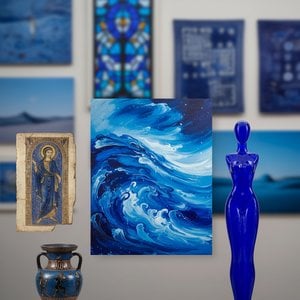
The Allure of Azure: Exploring the Symbolic & Aesthetic Depths of Blue in Art History
Explore the rich history of blue in art! Discover its symbolism, from ancient pigments to modern masterpieces by Kandinsky & Seurat. Uncover the psychological impact and cultural meanings behind this captivating hue.

Slate Blue Masterpieces: 10 Iconic Paintings & Timeless Home Decor Ideas
Immerse yourself in the captivating world of slate blue! Explore 10 iconic paintings by Monet, Van Gogh & Renoir. Discover their stories, techniques & find museum-quality art reproductions for your home at .


