


 プレビュー
プレビュー
 シェアする
シェアする シェアする
シェアする
 詳細を見る
詳細を見る ガイド
ガイド

 ダウンロード
 似ている作品
 X線調査
X線調査 スライドショー
 統計情報
統計情報Venus and Adonis

 詳細を見る
詳細を見る
ジークレー/アートプリント
迅速な制作と多彩な仕上げオプションを備えた、ミュージアムクオリティのジークレーまたはキャンバスプリント。 ( 手描きの絵画を購入 デジタル画像販売へ切り替え)




































作品のオリジナル比率に合わせた、当店の規定サイズからお選びください。

特定のフレームやスペースに合わせて、ご自身でサイズを指定することも可能です。選択されたサイズが元の画像の比率と一致しない場合、作品をトリミングするか、鏡面反射または単色での塗りつぶしによって画像を拡張いたします。制作を開始する前に、ご確認用のデジタルモックアップをお送りいたします。
画面上のプレビューには、実際のトリミングや拡張は反映されませんのでご注意ください。最終的な構図を正確に確認できるのは、モックアップのみとなります。
カスタムサイズも承っておりますが、元の比率を維持するためには、あらかじめ用意されたリストからサイズを選択することをお勧めいたします。


 ガラスオプションは、110cm未満のサイズでのみご利用いただけます。

Venus and Adonis
ジークレー/アートプリント
複製画のサイズ
-


合計金額
$ 62


アーティストの略歴
Frans Wouters: Bridging Rubens and Royalty
Frans Wouters, a name perhaps less familiar than his mentor Peter Paul Rubens or his contemporary Anthony van Dyck, nevertheless stands as a significant figure in the vibrant tapestry of 17th-century Flemish Baroque art. Born in Lier, Belgium, around 1612, Wouters’s life was one of constant movement and engagement with the most influential artistic circles of his time – from Antwerp’s bustling workshop of Rubens to the courts of the Holy Roman Emperor and the Prince of Wales. His career wasn't defined by groundbreaking innovation but rather by a remarkable ability to translate the monumental scale and dramatic intensity of Rubens into the more intimate context of cabinet paintings, securing him a unique position as a master of refined elegance and allegorical storytelling.Early Apprenticeship and the Rubenesque Influence
Wouters’s artistic journey began in 1629 with an apprenticeship under Pieter van Avont in Antwerp. However, his ambition and desire to learn directly from Rubens led him to break this contract in 1634 and join the master painter's workshop. This decision proved pivotal, shaping Wouters’s style and artistic sensibilities profoundly. He quickly absorbed Rubens’s dynamic compositions, masterful use of color, and dramatic lighting – a hallmark of the Baroque period. Crucially, he participated in the lavish decoration of Antwerp’s city hall in 1635, an event orchestrated by Rubens himself to celebrate the arrival of Cardinal-Infante Ferdinand of Austria. This experience provided Wouters with invaluable insight into the complexities of large-scale collaborative projects and further solidified his understanding of Rubens's artistic principles. The meticulous attention to detail and dramatic flair evident in this work foreshadowed much of his later output.Courtly Patronage and Diplomatic Service
Following his apprenticeship, Wouters spent the 1630s as court painter to Holy Roman Emperor Ferdinand II in Vienna. This period marked a shift towards more formal portraiture and allegorical scenes, reflecting the emperor’s tastes and political ambitions. His diplomatic skills were equally valued; he was dispatched as an ambassador of Ferdinand II to England in 1637, demonstrating his versatility beyond purely artistic pursuits. The following year, he secured the prestigious role of court painter to the Prince of Wales – later King Charles II – a position that afforded him unparalleled access to the English royal court and its influential circle. England became a central hub for Wouters’s career, where he not only painted portraits but also engaged in art dealing and served as a trusted advisor to the future king. His connections with Van Dyck, who was already established as Charles I's court painter, likely fostered a stimulating exchange of ideas and techniques.A Master of Cabinet Paintings and Allegory
Wouters’s distinctive style lies primarily in his mastery of “cabinet paintings”—small-scale works designed for private display and intimate contemplation. He skillfully blended Rubensian dynamism with the refined elegance favored by aristocratic collectors. His subjects frequently revolved around mythological scenes, allegorical representations of virtues and vices, and depictions of classical themes. His landscapes, often incorporating elements of both Flemish realism and Italianate idealism, were particularly noteworthy. Collaborations with his former master, Pieter van Avont, saw him adding meticulously rendered landscapes to van Avont’s compositions, showcasing his growing expertise in this genre. The works produced during this period are characterized by a rich palette, intricate details, and a sense of theatrical drama—elements that cemented Wouters' reputation as a skilled interpreter of Rubensian aesthetics.Later Years and Legacy
In 1641, Wouters returned to Antwerp, where he continued his artistic practice and became involved in the art market, assisting in the valuation of paintings from Rubens’s estate following the painter’s death. A significant turning point in his life was his marriage to Maria Doncker in 1644, which brought him a considerable fortune. He rose to become dean of the Antwerp Guild of St. Luke in 1648, further solidifying his position within the artistic community. Even during the turbulent years of the English Civil War and the Commonwealth, he maintained contact with Charles II, described by one source as “Charles’s chamberlain.” His later work, influenced by Anthony van Dyck's style, incorporated elongated figures and emotionally expressive gestures. Frans Wouters died in Antwerp around 1659, leaving behind a legacy of refined elegance, masterful execution, and a crucial link between the monumental Baroque style of Rubens and the tastes of European royalty. His contributions to the art market and his diplomatic role alongside his artistic career make him a fascinating figure in the history of Flemish painting.
Frans Wouters
1612 - 1659 , Belgium
基本情報
- Artistic Movement Or Style: Baroque (Rubens follower)
- Artists Or Movements Influenced By This Artist: ['Anthony van Dyck']
- Artists Who Influenced This Artist: ['Peter Paul Rubens']
- Date Of Birth: 1612
- Date Of Death: 1659
- Full Name: Frans Wouters
- Nationality: Flemish
- Notable Artworks:
- Landscape with Diana Resting
- Nymphs surprised by Satyrs
- River Landscape...
- Place Of Birth: Lier, Belgium
関連記事

Guido Reni: A Study in Baroque Classicism & Artistic Perfection
Explore the life & work of Guido Reni, a master of Baroque classicism. Discover his iconic religious & mythological paintings, and understand his enduring influence on art history. Expert analysis for collectors.

Baroque Classicism: Reconciling Drama & Order in 17th-Century Art
Explore the captivating world of Baroque Classicism! Discover its history, key artists like Caravaggio & Rubens, and defining characteristics. Expert insights & high-quality reproductions at ArtsDot.

バロックのドラマ:現代のインテリアに壮麗さと情感を取り込む
バロック様式の歴史、絵画、家具の魅力をご紹介。ArtsDotでは、高品質な油絵複製やカスタムポートレートをご提供し、現代のインテリアに壮麗さと情感を取り入れます。アートコンサルテーションも承ります。

Oil on Canvas: A Historical & Technical Exploration of a Timeless Artistic Medium
Explore the rich history & enduring techniques of oil painting on canvas. Discover the science behind its longevity, conservation practices, and contemporary relevance. Expert insights for art enthusiasts.
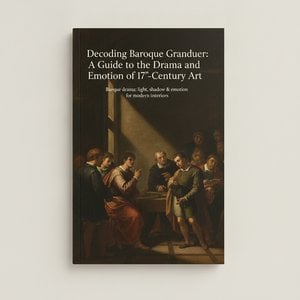
Decoding Baroque Grandeur: A Guide to the Drama and Emotion of 17th-Century Art
Explore the breathtaking drama of 17th-century Baroque art. Our expert guide decodes the use of chiaroscuro, emotional intensity, and historical grandeur to help you appreciate and curate timeless masterpieces for your collection.