

 設置イメージを表示
 シェアする
シェアする シェアする
シェアする
 詳細を見る
詳細を見る ガイドを表示

 ダウンロード
 似ている作品
 X線調査
X線調査 スライドショーを表示
 Q&A
Q&A 統計情報
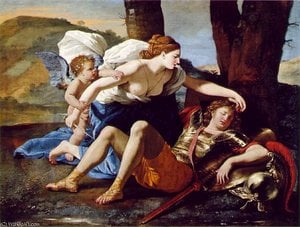
統計情報Rinaldo and Armida

- 135.0 x 170.0 cm


 詳細を表示
詳細を表示
ウェブ上のプレビューを遥かに凌駕する、印刷に最適なファイルをご提供します。当サイトで販売しているすべてのデジタル画像は、弊社のデータベース内にある高解像度のマスターデータ(通常、幅5,000〜15,000ピクセル)から作成されています。そのため、大判印刷や大胆なクロップ、細部まで緻密な再現も、安心してお楽しみいただけます。
当スタジオから送り出される画像は、すべて丁寧に加工されています。デジタルエキスパートが原画と照らし合わせて色調を精査し、必要に応じて補正を行った上で、プロ仕様のリタッチツールを用いて鮮明さと細部を向上させます。その際、アーティストの筆致やスタイルに忠実であることを常に追求しています。その結果、単なるスキャン画像にフィルターをかけたようなものではなく、まるで本物の絵画を見ているかのような仕上がりを実現しています。
仕上がりをご確認いただいてから完了となります。専門スタッフが、ご確認用の画像を72時間以内にメールでお送りいたします。もしご満足いただけない場合は、修正や改善のご要望を承るほか、品質が基準に満たない場合には返金も可能です。
出版社、デザインスタジオ、ギャラリー、そして印刷所から信頼される品質です。
デジタルアート
個人での鑑賞、印刷、クリエイティブなプロジェクトにご利用いただける高解像度ファイルをダウンロードできます。 ( プリント版に切り替え 手描き複製画を注文する)
デジタル画像のご注文に付随する特典
確かな品質による、プロフェッショナルなデジタル配信
ArtsDot.com を選ぶことは、単に画像を手に入れることではありません。プロの手によって精密に仕上げられ、満足保証が付いた高品質なデジタルアートワークを受け取ることを意味します。ご注文いただいた際に自動的に付随する内容は、以下の通りです:

メールですぐにお届け
ご注文から72時間以内に、高解像度のデジタル画像ファイルをメールでお送りいたします。お手元に届き次第、すぐにご利用いただけます。

AI技術で最適化されたデジタルファイル
お客様の作品は、高度なAI技術と専門家による手作業を組み合わせてプロフェッショナルに最適化されており、細部のディテール、鮮明さ、そして正確な色再現性を最大限に引き出しています。

生涯無料の再送サービス
ファイルを誤って削除したり、紛失してしまったりしましたか?ご安心ください。いつでも無料で再送いたします。

輸入手数料は、いつでも一切かかりません
関税や手数料、配送料を気にすることなく、お気に入りのアートワークをすぐにお楽しみいただけます。デジタルダウンロードは常に免税です。

正確な色彩の保証
プロ仕様のツールとカラーマネジメント技術を用いることで、デジタル画像が元の色を最大限に忠実に再現することを保証いたします。

100日間満足保証
ご購入いただいたデジタル画像にご満足いただけない場合は、100日以内であれば、理由を問わず修正または100%の返金対応をさせていただきます。

100% 返金保証
ご満足いただけない場合は、デジタルファイルを受け取ってから100日以内であれば、理由を問わず全額返金いたします。

まとめ買い割引
3枚購入で10%OFF、5枚購入で15%OFF、10枚以上のご購入で20%OFF。クリエイティブなプロジェクトやギャラリー、エージェンシーに最適です。
A Symphony of Sensuality: The Enchantment of Rinaldo and Armida
In the grand tapestry of the Rococo era, few works capture the delicate tension between passion and duty as exquisitely as François Boucher’s 1734 masterpiece, Rinaldo and Armida. This monumental canvas serves as a breathtaking window into the heart of 1-8th century French elegance, where the boundaries between myth and reality dissolve into a dreamscape of soft light and romantic longing. The painting draws its profound narrative power from Torquato Tasso’s epic poem, Jerusalem Delivered, presenting a moment of suspended animation where the chaos of crusade and conflict is momentarily silenced by the overwhelming force of desire.
At the center of this visual poem lies the intimate encounter between the valiant Christian knight, Rinaldo, and the enchanting sorceress, Armida. Boucher masterfully captures a scene of profound tenderness; as Rinaldo rests in a state of vulnerable repose, Armida leans over him, her fingers gently entwined in his hair. This simple, evocative gesture symbolizes more than mere affection—it represents the subtle triumph of enchantment over heroism, and the irresistible pull of the senses over the dictates of war. The surrounding landscape, an idealized pastoral Arcadia, reinforces this sense of escapism, offering a sanctuary of lush greenery and classical ruins that feels both timeless and otherworldly.
The Mastery of Rococo Technique and Light
To behold this work is to witness the pinnacle of Boucher’s technical virtuosity. The artist employs the hallmark characteristics of the Rococo style with unparalleled grace, utilizing a delicate layering of translucent glazes to achieve a luminous, pearlescent skin tone that seems to glow from within. His use of chiaroscuro—the sophisticated interplay between light and shadow—does not merely define form but imbues the entire composition with an atmospheric depth, as if a soft mist were clinging to the edges of the forest. The color palette is a triumph of pastel harmonies, where silken draperies in muted blues and rosy pinks dance against the verdant, sun-dappled backdrop.
Every brushstroke serves the larger purpose of decorative elegance. Notice the fluid movement of the fabrics and the meticulous attention to the textures of the surrounding elements—the weathered stone of an abandoned temple, the soft plumage of nearby figures, and the intricate strings of a harp held by playful putti. These details create a sensory experience that transcends the flat surface of the canvas, inviting the viewer to step into a world where beauty is the highest law. For the discerning collector or interior designer, such a piece offers more than mere decoration; it provides a focal point of profound sophistication, capable of anchoring a room with its historical weight and aesthetic splendor.
A Timeless Legacy for the Modern Collector
Beyond its technical brilliance, Rinaldo and Armida resonates emotionally through its exploration of universal themes: the vulnerability of the human heart and the transformative power of love. The presence of angelic messengers and pagan deities in the periphery serves as a poignant reminder of the era's intellectual fascination with the clash between divine piety and earthly temptation. It is a painting that breathes with life, offering a sense of movement and emotional complexity that remains strikingly modern.
For those seeking to infuse their living spaces with the opulence of the French court, a high-quality reproduction of this work offers an unparalleled opportunity. Whether placed in a sunlit gallery or a stately study, the painting’s soft light and romantic narrative act as a source of constant inspiration. It is an investment in atmosphere, bringing the legendary charm of Boucher’s Paris into the contemporary home, and ensuring that the exquisite spirit of the Rococo continues to enchant generations to come.
Q&A
フランソワ・ブーシェ作「Rinaldo and Armida」のプリントには、どのようなサイズと向きがおすすめですか?
フランソワ・ブーシェ作「Rinaldo and Armida」のプリントは、Landscapeの向きでLargeのサイズに印刷することをお勧めします。
フランソワ・ブーシェ作「Rinaldo and Armida」は、どのような色彩の調和を見せていますか?
フランソワ・ブーシェ作「Rinaldo and Armida」の色使いは、Strong Color Unityな調和を見せています。ここでの「調和」とは、色彩同士が互いにどのように響き合っているかを表しています。
「Rinaldo and Armida」の色彩は、どの程度鮮やかですか?
フランソワ・ブーシェ作「Rinaldo and Armida」の色調は、Subtle Colorな彩度を持っています。彩度とは、色の鮮やかさや落ち着きの度合いを表すものです。
関連作品




作家略歴
フランソワ・ブーシェ:ロココの華麗な生涯
18世紀フランス美術を代表する画家、フランソワ・ブーシェ(1703-1770年)は、優雅さ、官能性、そして遊び心に満ちた様式であるロココ時代の最も重要な芸術家の一人として知られています。彼の作品は、当時の貴族社会の洗練された美意識と享楽的な世界観を鮮やかに映し出しています。
幼少期と修業時代
1703年9月29日、パリに生まれたブーシェの芸術への道は、画家であった父ジャン・ブーシェのもとでの教育から始まりました。17歳にして、才能を認められた彼は、フランソワ・ルモワーヌに師事し、短いながらも貴重な経験を積みます。その後、彫刻家ジャン=フランソワ・カルスに版画の技術を学び、1720年には名誉あるグラン・プリ・ド・ローマを受賞します。この受賞は、彼の芸術家としての将来を決定づける重要な転機となりました。
ロココ様式への発展と台頭
グラン・プリ・ド・ローマの受賞後、ブーシェがイタリアで過ごした時間は、彼の芸術的感性を大きく育みました。フランスに帰国すると、1731年にアカデミー・ロワイヤル・ド・ペイントゥール・エ・スカルプチュールに入会を果たします。そして、その才能を証明するmorceau de réception(呈作品)として制作された“リナルドとアルミダ”(1734年)は、たちまちロココ様式の巨匠としての地位を確立しました。この時期から、繊細な筆致、パステル調の色彩、そして神話や田園風景といった主題への傾倒が、ブーシェ独自の芸術的特徴として明確になっていきます。
主要作品とテーマ
ブーシェの作品は多岐にわたり、神話画、肖像画、風俗画、装飾美術など、幅広い分野を網羅しています。彼の代表作としては、以下のようなものが挙げられます:
- “朝食”(1739年):妻と子供たちを描いた、家庭生活の愛らしい情景。
- “ヴィーナスの凱旋”(1740-1751年):神話物語を巧みに表現した一連の作品群。
- マダム・ド・ポンパドゥール夫人の数多くの肖像画:ルイ15世の愛妾であり、当時の影響力のある女性であったマダム・ド・ポンパドゥールの肖像画は、ブーシェが宮廷画家としての地位を確固たるものにしたことを示しています。
- “夕暮れ”(風景画):叙情的で牧歌的な自然観を描いた作品。
ブーシェの作品に共通するテーマとしては、愛、美、余暇、そして理想化された神話の世界が挙げられます。彼の絵画はしばしば、優雅なエロティシズムと洗練された気品を漂わせています。
影響と遺産
ブーシェの影響力は、絵画にとどまりません。彼は劇場用の衣装や舞台装置のデザインを手がけ、ボーヴェのタペストリー工房のために織物デザインも制作しました。さらに、ゴベラン製作所とも協力し、装飾芸術にも貢献しています。1765年にPremier Peintre du Roi(王室首席画家)に任命されたことは、彼がフランス・ロココ美術の第一人者であることを決定的に示しました。
後世の批評家から、ロココ美術の表面的さや軽薄さが批判されることもありましたが、ブーシェの影響は否定できません。彼はジャン=オノレ・フラゴナールなどの芸術家に影響を与え、また、彼の弟子たちを通して新古典主義の発展にも貢献しました。
歴史的意義
フランソワ・ブーシェの作品は、18世紀フランス社会の嗜好と価値観を理解するための貴重な手がかりを提供します。彼の絵画は、当時の貴族文化を反映しており、贅沢さ、洗練された美意識、そして快楽の追求といった特徴を持っています。彼は、その卓越した技術力、芸術的革新性、そしてロココ様式への永続的な貢献によって、美術史において重要な位置を占めています。

フランソワ・ブーシェ
1703 - 1770 , フランス
プロフィール概要
- 主な作品:
- リナルドとアルミダ
- 朝食
- ポンパドゥール夫人像
- 出生地: フランス、パリ
- 国籍: フランス
- 影響を与えた芸術家: ['ジャン=オノレ・フラゴナール']
- 影響を受けた芸術家:
- フランソワ・ルモワーヌ
- ジャン=フランソワ・カルス
- 様式: ロココ
- 氏名: フランソワ・ブーシェ
- 没年月日: 1770年
- 生年月日: 1703年9月29日